
Travelers chasing the cheapest Chichen Itza ticket tour combo often feel overwhelmed by a maze of prices, transport choices, and guide options.
Travelers chasing the cheapest Chichén Itzá ticket tour combo often feel overwhelmed by a maze of prices, transport choices, and guide options. The good news is that a systematic approach can shave dozens of dollars off the entry cost and streamline the whole experience.
How can I find the lowest price for a Chichén Itzá ticket and tour combo?
Start by separating the two cost components that make up any combo: the entrance fee and the added services such as transportation and a guide. The entrance fee is split between the National Institute of Anthropology and History (INAH) and the Yucatán state tourism board, which means the base price varies by nationality. For most foreign visitors the fee sits around a mid‑range figure, while Mexican citizens and residents pay a reduced rate. Knowing the amount for your status lets you spot inflated combo offers that bundle the fee at a higher price than necessary.
Next, scan reputable online ticket platforms that specialize in Mexican attractions. Look for “skip‑the‑line” or “pre‑purchase” labels, because these often include the official entrance fee without the markup that third‑party travel agencies add. Once you have the baseline fee, compare it against the total cost of combo packages. The most economical combo is usually one where the total stays close to the official entry fee, without a large markup.
Finally, use price‑comparison tools or set up price alerts for the month you plan to travel. Many sites allow you to filter results by “all‑inclusive” and sort by lowest total cost. Combine this with a quick check of recent traveler reviews to confirm that the advertised price truly reflects the services promised.
Which tour operators offer the best value for Chichén Itzá day trips?
Value hinges on three factors: the reliability of the transportation, the expertise of the guide, and the transparency of the cost breakdown. Operators that own their own fleet of air‑conditioned vans or minibuses tend to keep the day‑trip cost lower because they avoid third‑party driver fees. Guides who are certified by the local tourism board often charge a flat guide price rather than an hourly rate, which simplifies budgeting.
Look for operators that publish a full itemized quote. A clear list that separates the entrance fee, transport, guide, and any optional extras (such as a cenote stop) signals that there are no hidden charges. Reviews that mention punctual pick‑up times and knowledgeable commentary are also good indicators of overall value.
When comparing options, focus on those that provide certified guides, reliable air‑conditioned transport, and an itemized price breakdown so you can see exactly what is included.
Are there any discounts available for children or Mexican citizens at Chichén Itzá?
Yes, the entrance fee structure includes specific reductions for children, seniors, and Mexican nationals. Children under a certain age typically receive a reduced ticket price, and families often benefit from a group discount when several tickets are purchased together. Mexican citizens and residents pay a lower base fee, which is reflected automatically when the ticket is bought with valid identification at the official ticket office or through a certified online portal.
Some tour operators extend these discounts to the all‑inclusive package, especially when the booking is made directly through the operator’s website rather than a third‑party reseller. It’s worth asking for a “family rate” or “citizen discount” during the quotation stage. In many cases, the operator will adjust the total cost to mirror the official reduced entrance fee, keeping the combo price transparent.
Large groups such as school trips or corporate outings can often negotiate a special group discount that applies to both the entrance fee and the transportation component. Contact the operator ahead of time with the expected headcount and request a written quote that itemizes any discounts applied.
What is included in a typical Chichén Itzá ticket and transportation package?
A standard ticket‑plus‑tour bundle for Chichén Itzá usually includes three core elements: the official entrance fee, round‑trip transport from major Riviera Maya hubs, and a licensed guide who conducts the tour in the language of your choice. The entrance fee itself is split between INAH and the Yucatán state tourism office, which is why most booking sites already reflect the full entry cost.
Beyond the basics, many tours add optional perks that can affect the overall price. Private groups often receive a dedicated vehicle and a guide who can tailor the narrative to specific interests such as Maya astronomy or architecture. Group tours usually share a larger bus, include a short stop at a nearby cenote for a dip, and may provide a light snack or bottled water. Some operators also offer a fast‑track entrance lane, which can significantly reduce waiting time during peak season.
Typical packages range from economy options that cover the essentials to premium experiences that add private transport, extended commentary, meals, and souvenir vouchers. Prices vary, so it’s advisable to check current rates with the provider.
How do I avoid hidden fees when booking a Chichén Itzá tour online?
Online platforms for day‑trip costs can be tempting, but the final bill often contains line‑item charges that were not obvious at checkout. A careful review of the itinerary description and the fine print can prevent surprise add‑ons. Look for clear statements about what is covered in the headline price and whether taxes, airport transfers, or gratuities are listed separately.
Another common source of extra cost is the choice of guide. Some operators advertise a “professional guide” but then charge an additional per‑person fee for the service. Confirm that the guide price is included in the total before you confirm the reservation. Finally, be aware of currency conversion fees if the site prices the tour in a foreign currency; using a credit card that offers no‑foreign‑transaction fees can keep the amount you see on the screen accurate.
- Read the full itinerary and note any “optional” activities that may be pre‑selected.
- Check whether the price includes taxes, service charges, and gratuities.
- Verify that the guide’s fee is bundled; if a separate line appears, request an all‑in quote.
- Look for “free cancellation” or “price‑match guarantee” badges, which often indicate transparent pricing.
- Use a credit card with no foreign‑transaction fees to avoid hidden conversion costs.
- Compare at least three reputable providers; large price gaps often signal hidden add‑ons.
- Read recent traveler reviews for mentions of surprise fees or last‑minute upgrades.
Can I purchase a combined ticket and guide service directly at the site?
Yes, it is possible to buy a combined entrance ticket and guide service on the day of your visit, but the process differs from the pre‑booked model. The ticket office at the main entrance sells the standard admission fee, and there is a separate desk for hiring licensed guides. Guides typically charge a per‑hour rate, and the total can vary depending on group size and language requirements. This approach gives flexibility for spontaneous travelers but often results in a higher day‑trip cost compared with packaged deals.
For those who prefer to lock in a price ahead of time, many local agencies operate a small kiosk near the parking lot where you can purchase a “ticket + guide” bundle. The bundle price usually mirrors an average mid‑range package and includes a brief orientation before you head into the site. Keep in mind that the availability of English‑speaking guides can be limited during peak periods, so arriving early increases the chance of securing a guide without paying a premium.
What are the advantages of booking a group tour versus a private tour to Chichén Itzá?
Group tours usually bundle the entrance fee, transportation, and a licensed guide into a single price, which eliminates the need to negotiate each component separately. The combined cost often lands below the sum of individual purchases, especially when the operator secures bulk discounts from the agencies that manage the site. In addition, many operators offer a “skip‑the‑line” privilege for groups, meaning you spend less time waiting at the ticket booths and more time exploring the Temple of Kukulcán and the Observatory.
Private tours give you the flexibility to set your own pace, linger at the areas that interest you most, and request a customized narrative that matches your background—whether you are a photography enthusiast or a history buff. Because the guide’s attention is focused solely on your party, you can ask detailed questions without competing with a larger crowd. Private arrangements also allow you to combine Chichén Itzá with nearby cenotes or lesser‑known ruins on the same day, a convenience that most group itineraries do not provide.
From a budgeting perspective, the choice often hinges on group size. A party of eight or more typically sees a lower per‑person cost on a shared bus and guide, while a small family or couple may find the added convenience of a private vehicle worth the premium. Consider the trade‑off between cost efficiency and personalized service before deciding.
How far in advance should I book my Chichén Itzá ticket to secure the best rate?
The entrance fee itself is set by government agencies and rarely changes throughout the year. However, early reservation of a tour package that includes transportation and a guide can often secure better rates and guarantee availability, especially during peak season (December through March). Operators usually release limited slots several months ahead; booking as soon as you know your travel dates helps avoid sold‑out tours.
If you travel during the shoulder months (April, May, or November), advance booking still offers advantages such as preferred departure times and a wider choice of operators. In all cases, monitor reputable platforms for promotions, verify that any discounts are applied to the full package, and consider flexible‑date tickets if your itinerary allows some leeway.
Is it cheaper to travel to Chichén Itzá from Cancún or from Playa del Carmen?
Both Cancún and Playa del Carmen serve as major gateways to the Yucatán Peninsula, and most tour operators price their day trips similarly regardless of the departure point. The primary cost difference stems from the distance to the archaeological zone; the variation is small enough that many providers absorb it into a flat rate.
When evaluating total expense, factor in accommodation costs, airport transfers, and any local taxes that differ between the two municipalities. If you are already staying in Playa del Carmen, the convenience of a shorter drive may outweigh any marginal price advantage of a Cancún‑origin tour.
What payment methods are accepted for Chichén Itzá tour packages?
Most reputable operators accept major credit cards such as Visa, Mastercard, and American Express, allowing travelers to secure a reservation without needing cash on hand. PayPal and other digital wallets are increasingly common, especially for bookings made through international platforms, and they often provide an extra layer of buyer protection.
When you book directly with a local agency, you may be asked to confirm the reservation with a small deposit, after which the balance can be settled in Mexican pesos at the meeting point. Some smaller providers still welcome cash, but it is wise to carry a backup card in case cash‑only payments are not accepted.
How reliable are third‑party booking sites for Chichén Itzá tickets?
Established third‑party sites that specialize in Mexican attractions usually vet their partners, display verified reviews, and honor a best‑price guarantee. Look for platforms that list clear cancellation policies, include the official entrance fee in the quoted price, and provide a customer‑service contact that operates in your time zone.
Less known aggregators may bundle hidden fees or substitute lower‑cost transportation that compromises comfort or punctuality. Cross‑checking the same itinerary on multiple sites, reading recent traveler feedback, and confirming that the tour includes a licensed guide can help you avoid unpleasant surprises.
Recommended Itza Activities
Frequently Asked Questions
What is the standard entrance fee for Chichén Itzá?
The entrance fee is split between two Mexican government agencies, resulting in a base price that varies by nationality. For most foreign visitors the cost hovers around a mid‑range amount, while Mexican citizens and residents benefit from a reduced rate. The fee grants access to the main archaeological zone but does not cover transportation or guide services.
Are there any online discounts for Chichén Itzá tickets?
Several booking platforms offer limited‑time promotions that shave a percentage off the combined ticket and tour price. Signing up for newsletters, following reputable travel forums, or using coupon codes found on discount‑focused websites can yield modest savings. Always verify that the discount applies to the full package before finalizing the purchase.
How can I combine transportation and a guide into one price?
Many tour operators market “all‑inclusive” day trips that bundle the entrance fee, round‑trip coach transport, and a licensed guide into a single rate. These packages often depart from major hotel zones in Cancún, Playa del Carmen, or Tulum, and they eliminate the need to arrange separate tickets or hire a private driver.
Is there a family discount available at Chichén Itzá?
Family‑oriented packages typically apply a reduced rate for children under a certain age, usually accompanied by a full‑price adult ticket. Some operators also offer a flat‑rate family pass that covers two adults and up to three children, providing a lower per‑person cost than purchasing individual tickets.
When is the best time of day to visit to avoid crowds?
Early morning arrivals, especially right after the site opens, tend to be the quietest, allowing you to explore the main structures before the bulk of tour groups arrive. Late afternoon, a few hours before closing, also sees a dip in visitor numbers, though the light for photography changes dramatically.
Can I receive a refund if I cancel my tour?
Refund policies differ by provider; many reputable companies offer a full refund if you cancel at least 24 hours before the scheduled departure. Some lower‑cost options may only provide a credit for a future booking or retain a small administrative fee. Always read the fine print before confirming.
Do I need to show my passport when buying a ticket on site?
Ticket vendors typically request a form of identification to verify the appropriate rate, and a passport is the most universally accepted document for foreign travelers. If you have already purchased an online ticket, the confirmation email often serves as proof, but carrying your passport is still advisable.
What should I pack for a day at Chichén Itzá?
Bring lightweight, breathable clothing, a wide‑brimmed hat, and sunscreen to protect against the strong Yucatán sun. Comfortable walking shoes are essential for uneven stone surfaces, and a reusable water bottle helps you stay hydrated. A small backpack for personal items, a camera, and a light rain jacket during the rainy season round out a practical packing list.
Travelers who secure a reputable all‑inclusive package, verify payment options in advance, and arrive early will enjoy a smoother experience and more time to appreciate the ancient site. A little preparation goes a long way toward turning a popular attraction into a memorable day trip.
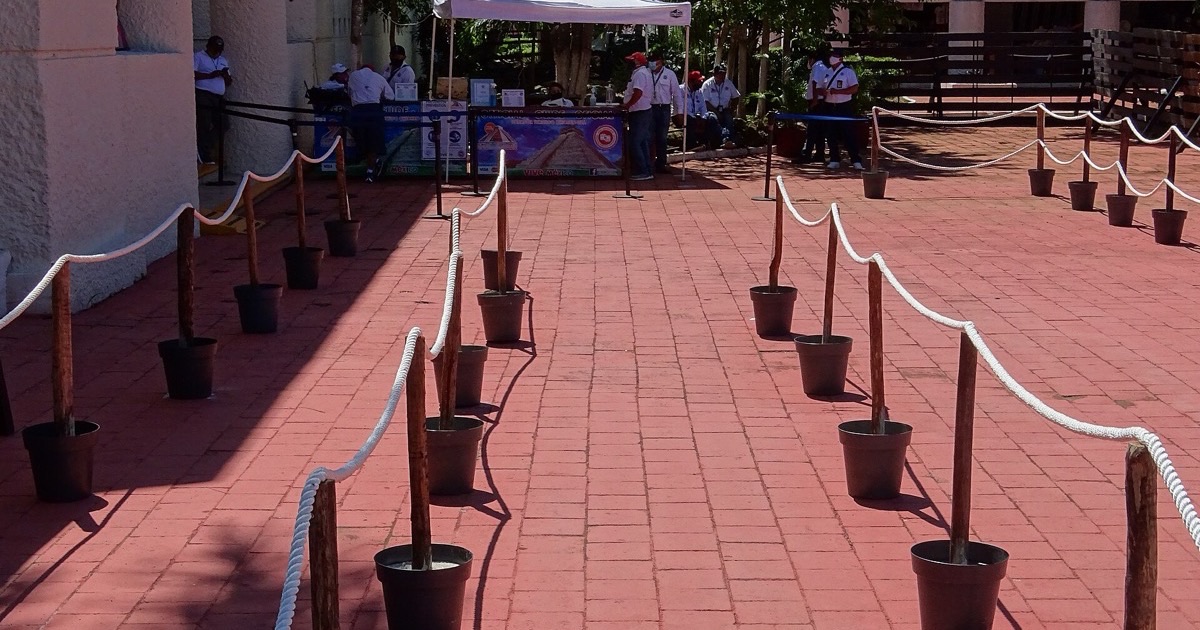
Cover photo: Interminable Line for Tickets during Covid - Chichen Itza - Yucatan - Mexico.jpg by Adam Jones · CC BY-SA 2.0 via Wikimedia Commons
Reviewed by our editor for the Americas & practical travel
James CarterAmericas & Practical Travel Editor
Travel writer covering the Americas plus the practical side of travel — budgets, eSIMs, visas and logistics.
More articles by James Carter →