
Americas & Practical Travel Editor
Published October 12, 2026 · Reviewed October 12, 2026
Planning a trek through the Albanian Riviera, a hike in the Accursed Mountains, or a city break in Tirana?
Planning a trek through the Albanian Riviera, a hike in the Accursed Mountains, or a city break in Tirana? Your Albania eSIM travel guide will show you how a digital‑first SIM can keep you online without the hassle of roaming fees or airport queues. With 5G rolling out across the country and a growing network of eSIM‑friendly providers, staying connected is easier than ever for tourists and digital nomads alike. Read on to learn which options deliver the best value and how to activate them before you set foot on Albanian soil.
What is an eSIM and how does it work for travelers in Albania?
An eSIM (embedded SIM) is a programmable chip built into modern smartphones, tablets, and some wearables. Instead of swapping a physical card, you download a carrier profile over the internet, which then authenticates your device on the local network. For visitors to Albania, this means you can purchase a data package from a foreign provider, install it instantly, and avoid the need to hunt for a tourist SIM at the airport or city centre.
The process is straightforward: after buying an eSIM plan online, you receive a QR code or activation code. Scanning the code in your device’s cellular settings triggers the download of the carrier profile. Once the profile is installed, the device connects to Albanian towers—most of which support 4G LTE and expanding 5G coverage. This method works for both iPhone models that support eSIM activation for Albania and Android phones with eSIM capability, giving you flexibility regardless of platform.
Which eSIM providers offer the best coverage in Albania in 2026?
Several global eSIM marketplaces have tailored plans for Albania, but a few stand out for network reach and pricing transparency. Airalo partners with local operators to deliver a nationwide 4G footprint and limited 5G in major cities like Tirana and Durrës. Saily is praised for a balance of low cost per gigabyte and a built‑in ad blocker that stretches data further, while Holafly offers a “no‑top‑up” model that includes unlimited data for a set period, ideal for heavy streaming. YoEsim focuses on rapid activation and customer support in multiple languages, which can be reassuring for first‑time eSIM users.
Coverage maps from each provider show that the coastal corridor and the capital enjoy the strongest signal strength, with 5G hotspots concentrated around Tirana, Sarandë, and the airport region. Inland, especially in the mountainous north, 4G remains reliable, ensuring that digital nomads working from remote cabins stay connected. When comparing tourist SIM vs eSIM Albania options, the eSIM choices generally provide faster setup, comparable speeds, and avoid the extra cost of physical SIM kits sold at the airport.
| Provider | Price per GB (EUR) | Coverage (4G/5G) | Notable Feature |
|---|---|---|---|
| Airalo | ~€4.5 | Nationwide 4G, limited 5G in cities | Easy QR activation, flexible top‑up |
| Saily | ~€4.0 | Strong 4G, expanding 5G | Ad‑blocking data extender |
| Holafly | ~€5.5 (unlimited 7‑day) | Full 4G, 5G in major hubs | No‑top‑up, unlimited daily usage |
| YoEsim | ~€5.0 | Comprehensive 4G, growing 5G | 24/7 multilingual support |
How can I compare eSIM data plans for a short trip to Albania?
Start by estimating your data consumption. A typical tourist itinerary—navigation, social media updates, occasional video calls, and streaming music—averages 1.5–2 GB per day. For a week‑long stay, a 5‑GB plan offers a comfortable buffer, while a 10‑GB package suits heavier usage such as video streaming or remote work. Most providers list daily or weekly bundles, so match the plan length to your itinerary to avoid over‑paying.
Next, examine activation requirements and any hidden fees. Some eSIMs charge a one‑time setup fee, while others include it in the advertised price. Check whether the plan supports automatic renewal, which can be handy if your travel dates shift. Finally, review the Albania coverage map eSIM provided by each carrier; if you plan to venture into the Alps, prioritize providers with proven 4G reach in rural zones. By weighing price per gigabyte, coverage quality, and flexibility of activation, you can select a plan that keeps you online without breaking the budget.
Where can I purchase an eSIM for Albania before I leave home?
Most travelers find it easiest to secure a digital SIM while still on their home soil. The major eSIM marketplaces—Airalo, Saily, Voyafly, eSIM.sm and YoEsim—offer instant delivery, multilingual support and the ability to choose a plan that matches the length of a typical Albanian itinerary. Because Albania is not part of the EU roaming zone, a local eSIM eliminates the hidden fees that appear on foreign carrier statements. All of the platforms listed below let you buy an eSIM for Albania online, receive a QR code or an activation link via email, and activate the profile within minutes of landing.
When you compare the options, pay attention to three factors: price per gigabyte, the maximum data bundle available, and the speed tier (4G vs 5G). Some providers bundle a small amount of data with a “tourist‑friendly” customer service line, while others focus on pure data volume at the lowest possible cost. The table below captures the most relevant details for the top five eSIM vendors as of May 2026.
| Provider | Typical price per GB (USD) | Popular bundles (GB) | Speed tier | Activation time |
|---|---|---|---|---|
| Airalo | $4.20 | 1 / 3 / 7 / 15 | 4G, limited 5G in Tirana | Instant after QR scan |
| Saily | $3.99 | 2 / 5 / 10 / 20 | 4G, full 5G coverage on One Albania network | 5‑10 minutes (email link) |
| Voyafly | $4.50 | 3 / 6 / 12 / 25 | 4G, 5G in major cities | Instant after in‑app purchase |
| eSIM.sm | $4.10 | 1 / 4 / 8 / 16 | 4G only | Instant via app |
| YoEsim | $4.30 | 2 / 5 / 10 / 30 | 4G, 5G on Vodafone Albania | Immediate after payment |
All five services support the major smartphone brands released after 2020. If you travel with an older device, verify eSIM compatibility on the provider’s website before purchasing. Once you have the QR code or activation link, you can store it on a cloud note or print a backup—this avoids the common pitfall of losing the email while on the move.
How do I install and activate an eSIM on my smartphone for use in Albania?
Installing an eSIM is a straightforward process, but a few preparatory steps reduce the chance of a hiccup at the airport. First, confirm that your device’s operating system is up to date; most Android 12+ and iOS 14+ versions include the necessary eSIM management tools. Second, ensure you have a reliable Wi‑Fi connection before you begin, because the profile download can consume a few megabytes of data.
Once you have the QR code or activation link from your chosen provider, follow these steps to bring the Albanian data plan online:
- Open the Settings app and navigate to the “Cellular” or “Mobile Network” section.
- Select “Add Cellular Plan” (iOS) or “Download a SIM” (Android).
- Scan the QR code displayed in the confirmation email, or paste the activation URL when prompted.
- Choose a name for the new plan (e.g., “Albania Data”) and set it as the default for data usage.
- Confirm the plan’s activation; most providers will push the profile within seconds.
- Restart the device to ensure the network registers with the local Albanian towers.
- Open a browser or a mapping app to verify that you have an IP address from Albania and that speed tests show a stable connection.
If the device fails to register, toggle airplane mode on and off, or manually select a local carrier under “Network Selection.” Most eSIM profiles are designed to fall back to 4G if 5G coverage is unavailable, guaranteeing continuous connectivity throughout the country’s coastal towns, mountain passes and urban centers.
What are the costs of eSIM data versus airport SIM cards in Albania?
Airport kiosks in Tirana and other entry points typically sell prepaid SIM cards for tourists at a flat rate of €25 for a 5 GB package, plus an activation fee. The price includes a physical SIM, a short‑term data plan and sometimes a modest amount of local minutes. While the convenience of buying a card on arrival is undeniable, the per‑gigabyte cost can be more than three times higher than a comparable eSIM purchased online.
In contrast, eSIM options listed earlier start at €3.5 (approximately $3.80) per gigabyte for a 2 GB bundle, with larger packages dropping the unit price below €2 per gigabyte. For a typical 10‑day trip that consumes around 8 GB of data—enough for navigation, photo uploads and occasional video calls—an eSIM will cost roughly €12‑€15, whereas an airport SIM would exceed €30 when you factor in the higher base price and limited ability to top up without returning to a kiosk.
Beyond raw price, eSIMs provide the added advantage of “Albania internet without roaming” because the data is sourced from local operators rather than a foreign carrier’s roaming agreement. This eliminates the hidden markup that often appears on post‑trip statements. If you need voice minutes, most eSIM providers bundle a small amount of VoIP credit, or you can supplement with free internet‑based calling apps, keeping the overall expense well below the airport alternative.
Does Albania have 5G coverage and which eSIMs support it?
Albania’s three main mobile operators—One Albania, Vodafone Albania and ALBtelecom—have launched 5G services in the capital, Tirana, and in several coastal and inland hubs such as Durrës, Vlorë, Shkodër and the highway corridor linking the north and south. The rollout focuses on densely populated zones, major transport routes and tourist hotspots, so travelers who stay within city limits or travel the coastal strip will usually see 5G speeds when the network is not congested.
Outside these zones the signal reverts to robust 4G LTE, which still offers more than enough bandwidth for streaming, video calls and cloud work. Rural mountain passes, isolated villages and some border areas remain 4G‑only, so a device that can fall back gracefully is essential.
Most eSIM providers that list Albania in their catalog automatically enable the highest‑available band that the device can use. As of mid‑2026, Airalo, Saily, Holafly and YoEsim all advertise 5G‑compatible profiles for Albania. When you purchase a plan from any of these services, the eSIM will negotiate the best possible speed—5G where it exists, otherwise 4G. The only limitation is the handset: a phone without a 5G modem will stay on LTE even if the local tower is capable of the newer standard.
Can I keep my home SIM active while using an eSIM in Albania?
Modern smartphones allow both a physical SIM and an eSIM to operate simultaneously, giving you the flexibility to retain your home number for calls and messages while relying on the eSIM for data. The configuration is handled in the device’s network settings, where you can assign a “primary data line” and decide which SIM handles voice traffic.
Keeping the home SIM active does not automatically trigger roaming charges, provided you restrict data usage to the eSIM. Most operating systems let you set a data‑only profile for the eSIM and disable data roaming on the physical SIM. This arrangement is especially useful for travelers who need to receive verification codes or stay reachable on their native number.
- Activate the eSIM first, then set it as the default data source.
- Turn off data roaming for the physical SIM to avoid accidental usage.
- Use Wi‑Fi calling on the home SIM if you need to place calls without consuming eSIM data.
- Monitor daily usage in the carrier app to stay within the purchased data allowance.
- Disable automatic carrier updates for the physical SIM while abroad.
- Store important contacts locally on the device rather than relying on the home SIM’s address book.
- Consider a temporary voicemail forwarding rule if you expect important messages.
What are the top tips for staying connected in remote areas of Albania with an eSIM?
Albania’s rugged interior—particularly the Accursed Mountains, the Llogara Pass and the remote villages of the Gjirokastër plateau—offers limited cellular reach. Preparing ahead can prevent frustration when you are far from a café or hotel.
First, download offline maps of the region you intend to explore. Applications such as Maps.me or Google Maps allow you to store detailed topography and road data, which can be accessed without an active signal. Pair this with a pre‑installed list of emergency numbers (112 for EU‑wide assistance) and the contact details of your accommodation.
Second, choose an eSIM plan that provides a generous data pool—5 GB or more—for a week‑long trek. Larger bundles reduce the need to top up in towns where the signal may be spotty. Keep the device in a high‑gain position (e.g., near a window or on a raised surface) to maximize the chance of catching a tower.
Third, bring a portable power bank rated at least 10,000 mAh. Remote hikes often last several hours, and a dead battery eliminates any chance of contacting help. Some travelers also carry a compact solar charger for multi‑day excursions.
Fourth, enable low‑power mode and limit background data sync while you are in the field. Turning off automatic app updates, cloud photo uploads and high‑resolution streaming will stretch the available data and preserve battery life.
Finally, consider a backup communication method such as a satellite messenger or a two‑way radio if you plan to venture far from any cellular footprint. These devices operate independently of the mobile network and can be a lifesaver in an emergency.
How reliable is eSIM connectivity on Albanian islands and coastal towns?
Most of Albania’s islands – such as Sazan, Ksamil and the small islets near the southern coast – are covered by the same 4G networks that serve the mainland. The major operators (Vodafone Albania, One Albania and Telekom Albania) have extended their towers to ferry ports and popular beach resorts, so an eSIM purchased from a reputable provider will usually lock onto a 4G signal within a few minutes of arrival. 5G is still limited to larger cities, so expect 4G speeds of 20‑50 Mbps in most island villages, with occasional drops when you move away from the shoreline or into densely built‑up areas.
Coastal towns such as Durrës, Vlorë, Sarandë and Himarë benefit from a denser antenna grid because of higher tourist traffic. In these locations the eSIM experience mirrors that of a local physical SIM: steady data, quick hand‑overs between towers, and reliable voice‑over‑LTE (VoLTE) where supported. Remote coves or cliff‑side accommodations may see weaker signals, especially during peak summer evenings when many users share the same cell. Carrying a backup offline map or a small power bank can help mitigate brief outages.
Are there any restrictions or registration requirements for eSIMs in Albania?
Albania requires identification for the activation of locally issued SIM cards, but eSIMs purchased abroad generally bypass the in‑country registration step. Providers such as Airalo, Saily or YoEsim collect passport or ID details during the online purchase to satisfy international anti‑fraud regulations, after which the eSIM profile can be downloaded directly to an unlocked device. This means you can arrive at the airport, scan the QR code, and be online within minutes without visiting a shop.
There are a few practical limits to keep in mind. The eSIMs sold for travel are data‑only; traditional voice calls rely on Wi‑Fi or apps like WhatsApp. Devices must be unlocked and support the eSIM standard (most iPhone models from iPhone XS onward and many recent Android phones do). If you plan to stay longer than two weeks, some providers offer extensions, but you should verify that the plan allows renewal while you are still in Albania.
Sources & Further Reading
Frequently Asked Questions
Can I use an eSIM in Albania if I have an iPhone or Android device?
Both iPhone and Android smartphones that support eSIM technology can connect to Albanian networks, provided the device is unlocked. iPhone models from the XS series upward and most Android flagships released after 2020 include native eSIM management tools. After purchasing a compatible plan, you simply scan the QR code or enter the activation code in the device settings. Once the profile is installed, the phone will automatically select the best local carrier.
Which eSIM provider gives the fastest internet speeds in Albania?
The speed you experience depends mainly on the underlying Albanian operator rather than the eSIM reseller. Providers that partner with Vodafone Albania typically deliver the highest peak rates because Vodafone has the most extensive 4G and limited 5G coverage. Saily and Airalo both list Vodafone as a primary partner for their Albanian plans, so choosing one of those options is a safe bet for speed. Keep in mind that real‑world performance also varies with location and network load.
Is it cheaper to buy an eSIM for Albania online or at the airport?
Online eSIMs are usually the most economical choice. Prices start at around €3.50 for a 1 GB bundle purchased before departure, while airport kiosks often charge €20‑€25 for a comparable amount of data. The price difference reflects the convenience premium of on‑site sales and the lack of competition at the terminal. Buying ahead also gives you time to compare plans and read recent user feedback.
How long does it take for an eSIM to activate after purchase for Albania?
Activation is almost instantaneous in most cases. After completing the payment, the provider sends a QR code or activation string via email, and the profile appears in your device within a few minutes. Some users report a short delay of up to 15 minutes if the provider’s servers are processing a high volume of orders, but the process never requires a physical SIM swap. Once activated, the data plan starts counting down immediately.
Do I need to register my personal details to use an eSIM in Albania?
Registration is handled by the eSIM reseller during the online purchase, not by Albanian authorities. You will be asked to provide a passport number or national ID to comply with international anti‑money‑laundering rules. After the profile is installed, no additional paperwork is required at the border or in local shops. This streamlined approach is one of the reasons travelers prefer eSIMs over traditional cards.
What data limits are typical for Albania eSIM plans?
Most travel eSIMs for Albania offer tiered data packages ranging from 1 GB to 10 GB, with the 5 GB option being the most popular for a week‑long stay. Some providers also sell unlimited‑day passes that reset each 24‑hour period, useful for heavy map usage or streaming. Data is usually valid for the duration of the plan (e.g., 7 or 14 days) and does not roll over once the period ends. If you anticipate higher consumption, look for plans that allow top‑ups.
With the right eSIM in hand, you can explore Albania’s coast, mountains and historic towns without hunting for Wi‑Fi hotspots. A quick online purchase before you leave ensures you land with connectivity, leaving more time for the sights and less for searching for a signal.
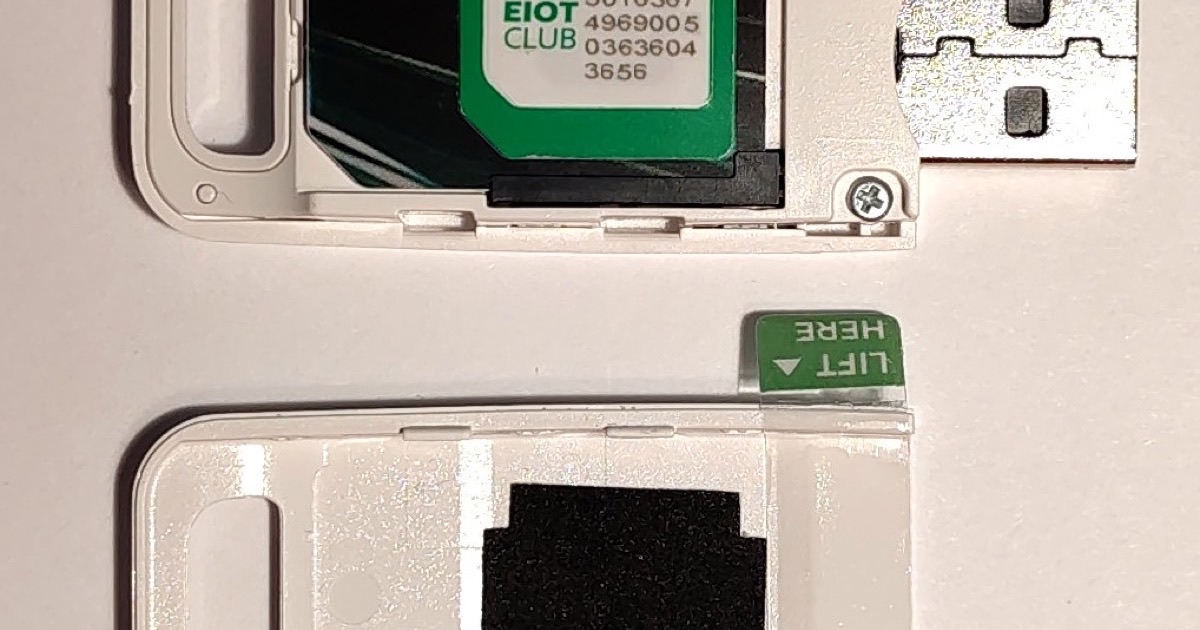
Cover photo: ESIM-Card in USB Card reader.jpg by Photograph: wdwd · CC BY-SA 4.0 via Wikimedia Commons
Stay connected
Get a travel eSIM before you go
Instant mobile data in 200+ countries with Airalo — no physical SIM, activate in minutes.
Browse Airalo eSIM plansWe may earn a commission from bookings made through this link, at no extra cost to you.
Reviewed by our editor for the Americas & practical travel
James CarterAmericas & Practical Travel Editor
Travel writer covering the Americas plus the practical side of travel — budgets, eSIMs, visas and logistics.
More articles by James Carter →