
Türkiye & Eastern Mediterranean Editor
Published August 23, 2026 · Reviewed September 5, 2026
Travelers seeking crystal‑clear waters and vibrant marine life will find the coastline of Kusadasi full of rewarding snorkeling experiences.
Travelers seeking crystal‑clear waters and vibrant marine life will find the coastline of Kusadasi full of rewarding snorkeling experiences. The region’s gentle bays and protected coves make it one of the top destinations for underwater exploration on the Turkish Aegean coast. Below you’ll discover which locations deliver the clearest views of local sea life and how to enjoy them safely.
What are the most reliable snorkeling spots in Kusadasi for seeing fish?
Güvercinada, also known as Pigeon Island, tops the list for consistent fish sightings. The island’s shallow reef fringe shelters schools of damselfish, bream, and occasional octopus, all visible from waist‑deep water. Calm conditions prevail most mornings, especially from May through September, when the Aegean’s wind patterns settle. Local operators often provide short boat trips that drop snorkelers just offshore, ensuring a quick entry and minimal effort.
Dilek Peninsula’s Kıyıkışlacık Bay offers a contrasting experience with its rocky outcrops and kelp beds. The underwater terrain creates natural hiding places for grouper, sea bass, and cuttlefish. Visibility frequently reaches 12‑15 meters during the summer months, making it ideal for spotting the subtle movements of smaller species such as gobies and blennies. The bay’s protected status limits large‑scale tourist traffic, preserving the natural balance of its marine ecosystem.
For those preferring a beach‑side start, Çeşme Bay (the western extension of the Kusadasi coastline) provides a gentle slope and abundant marine flora. The clear, turquoise water reveals a kaleidoscope of colors from both fish and coral‑like sponges. Early‑day visits reduce the chance of encountering strong currents, allowing snorkelers to linger and observe the behavior of juvenile fish that often school near the shoreline.
Which Kusadasi beaches offer clear water and abundant marine life for snorkelers?
Lady’s Beach, located just east of the city centre, combines soft sand with a shallow reef that attracts a variety of reef fish. The beach’s orientation shelters it from prevailing winds, resulting in some of the clearest water in the area. Families appreciate the gentle gradient, which lets children explore safely while still encountering colourful parrotfish and wrasse.
| Beach | Typical Visibility | Key Species | Family‑Friendly |
|---|---|---|---|
| Lady’s Beach | 10‑14 m | Parrotfish, wrasse, blennies | Yes |
| Çeşme Bay | 12‑15 m | Grouper, sea bass, cuttlefish | Moderate |
How can beginners safely snorkel in Kusadasi’s waters?
Choosing a calm, shallow spot is the first step. Locations such as Güvercinada’s eastern shoreline and Lady’s Beach provide water depths of 1‑2 metres, reducing the risk of unexpected currents. Beginners should always test the water with a short swim before venturing farther out, allowing them to gauge temperature and any subtle undertow.
Proper equipment makes a noticeable difference. Many local dive shops rent high‑quality snorkel masks, fins, and flotation vests at reasonable rates. A well‑fitting mask prevents water leakage, while a buoyancy aid keeps the snorkeler’s head above water without constant arm‑paddling. Renting gear also ensures that the equipment is appropriate for the season’s water temperature, which typically ranges from 18 °C in early spring to 24 °C in late summer.
Safety also involves staying within sight of a companion or a shore‑based guide. The Aegean’s weather can shift quickly, and a sudden gust may increase wave height. Agree on a simple signal—such as raising a hand above the head—to indicate the need to return. Following these precautions lets newcomers enjoy Kusadasi’s underwater world with confidence.
What equipment do I need for snorkeling in Kusadasi?
Modern snorkeling in Kusadasi can be enjoyed with a compact kit that fits into a small backpack. The essentials are a well‑fitting mask, a rigid snorkel, and a pair of fins that match your foot size. A mask with a silicone skirt and low‑volume lenses reduces fogging and makes equalising easier, while a snorkel equipped with a splash guard prevents water entry during breezy conditions common off Güvercinada. For beginners, a soft‑foot fin provides enough thrust without exhausting the legs, whereas experienced swimmers may prefer a longer, stiffer fin for covering larger distances around Dilek Peninsula.
Beyond the core trio, a few accessories improve comfort and safety. A thin, 3 mm wetsuit protects against occasional cool fronts in early spring and guards against stings from sea‑urchins that dot the seabed of Kıyıkışlacık Bay. Reef‑safe sunscreen shields skin without harming the delicate algae that support local marine life. Water shoes add traction on rocky entry points, and a small buoyancy aid—such as a float belt—offers peace of mind for those still gaining confidence in open water.
| Feature | Budget Option | Premium Option |
|---|---|---|
| Mask | Silicone skirt, single lens, anti‑fog coating | Dual lens, low‑volume design, anti‑scratch tempered glass |
| Snorkel | Standard tube with basic splash guard | Rigid tube with purge valve and ergonomic mouthpiece |
| Fins | Soft‑foot, 30 cm length, rubber foot pocket | Hybrid blade, adjustable strap, reinforced toe cage |
| Wetsuit | 2 mm shorty, neoprene | 3 mm full‑body, seamless seams |
| Extras | Basic sunscreen, simple water shoes | Reef‑safe SPF 50+, anti‑abrasion water shoes, float belt |
When is the best time of year to snorkel in Kusadasi for maximum visibility?
Visibility in the Aegean fluctuates with seasonal winds and water temperature. The clearest conditions typically appear from late May through early October, when the Meltemi breezes are light and the sea surface remains calm. During this window, sunlight penetrates deeper, revealing colourful schools of anchovies and occasional octopus that hide among the rocky outcrops of Güvercinada.
Water temperature also influences fish activity. In June and July, the sea warms to 22‑24 °C, encouraging juvenile fish to explore the shallow bays of Dilek Peninsula. By August, temperatures rise further, and plankton blooms can attract larger pelagic species, offering snorkelers a richer glimpse of Kusadasi underwater life. Early spring and late autumn bring cooler water and stronger winds, which can reduce both visibility and the likelihood of spotting active fish.
- Late May – gentle winds, excellent clarity
- June – warm water, abundant juvenile fish
- July – peak visibility, vibrant marine colours
- Early August – higher plankton activity, larger fish
- Mid‑August – generally good conditions despite occasional breezes
- September – still warm, fewer tourists
- Early October – calm seas, good light penetration
Are guided snorkeling tours available in Kusadasi and how can I book them?
Guided snorkeling tours operate year‑round, with a concentration of options during the high season. Local operators launch from the marina near Ladies Beach and from the small harbour at Güvercinada. Tours typically include transport to the chosen site, professional gear set‑up, a brief safety briefing, and a knowledgeable guide who points out active fish schools and explains native marine fauna.
Booking channels are straightforward. Many hotels in the town centre partner with reputable dive centres, allowing guests to arrange a tour at the front desk. Online platforms such as GetYourGuide and TripAdvisor list multiple providers, displaying user reviews, price ranges, and the ability to secure a spot with instant confirmation. For those who prefer a personalised experience, contacting a dive centre directly by phone or email a few days in advance can ensure a guide who tailors the route to your skill level.
How do I get to Güvercinada (Pigeon Island) for snorkeling from Kusadasi?
The most common approach is to catch a short boat ride from the main harbour in Kusadasi. Regular services run frequently during the high‑season period, and tickets typically include a brief safety briefing and basic snorkel equipment for first‑time visitors.
If you prefer more flexibility, local operators can arrange private boats that depart on demand. These vessels usually accommodate small groups, allowing you to choose a departure time that matches calm sea conditions—early morning or late afternoon often provide the clearest water visibility. Booking a charter can be arranged through your hotel concierge or directly at the harbour; most providers accept cash and major credit cards.
Before boarding, verify the expected sea state and any recent tide information. The island lies only a short distance offshore, so the crossing takes just a few minutes. Once you arrive, a flat path leads to a sheltered cove where the water is shallow enough for beginners to wade in and explore the underwater landscape safely.
What marine species can I expect to see while snorkeling in Kusadasi?
Kusadasi’s Aegean coastline hosts a variety of fish that thrive in the warm, clear waters typical of the summer months. The most frequently observed species include the Mediterranean damselfish, which darts among the rocky outcrops, and the larger gilt‑head bream that frequents sandy patches near the shoreline. Visibility often exceeds 10 metres in calm conditions, allowing snorkelers to spot small schools moving in coordinated patterns.
Beyond the common reef fish, divers occasionally encounter cephalopods such as the common octopus, which hides in crevices during daylight hours. Crustacean life is also abundant; you may see bright‑red hermit crabs scuttling across the seabed or delicate seahorses clinging to submerged vegetation. During the late summer, juvenile loggerhead turtles sometimes pass through the area, though sightings are rare and usually limited to deeper channels beyond the primary snorkeling zones.
The following list highlights typical marine inhabitants you are likely to encounter:
- European seabass (Dicentrarchus labrax)
- Goldband goatfish (Upeneus moluccensis)
- Striped red mullet (Mullus surmuletus)
- Common cuttlefish (Sepia officinalis)
- Broad‑nose pipefish (Syngnathus typhle)
- Green sea urchin (Strongylocentrotus droebachiensis)
- Blue‑spotted stingray (Dasyatis pastinaca)
Is snorkeling allowed at Dilek Peninsula’s Kıyıkışlacık Bay and what are the local regulations?
Kıyıkışlacık Bay, situated within Dilek Peninsula National Park, is open to snorkeling year‑round, provided visitors respect the protected‑area guidelines (policies change — verify with official sources). The bay’s calm, shallow waters are ideal for families and beginners, and park management encourages low‑impact recreation to preserve the delicate marine ecosystem.
Key regulations include a prohibition on fishing, anchoring, and the collection of shells or marine organisms. Snorkelers should keep a safe distance from any coral or seagrass beds, and avoid sunscreen containing oxybenzone or octinoxate because of its harmful effects on marine life. The park provides free waste‑recycling bins at main entry points, and visitors are expected to carry out any litter they generate.
During the peak nesting season for sea turtles—generally June through August—certain sections of the bay may be temporarily closed to protect hatchlings. Checking the latest advisories on the official Dilek Peninsula website or at the visitor centre before heading out is advisable (policies change — verify with official sources).
Where can I rent affordable snorkel gear in Kusadasi?
Most visitors find convenient rental options within walking distance of the main beaches. Along Ladies Beach and the promenade near the harbour, several small shops offer full‑set kits—including mask, snorkel, fins, and a basic flotation vest—for a daily rate that is competitive with larger dive centres. These outlets often provide quick exchanges if a strap or fin becomes damaged, and many accept cash or card without a reservation.
If you prefer a more structured service, the dive schools that operate out of Güvercinada (Pigeon Island) and the Dilek Peninsula provide equipment packages tied to guided tours. Even when you only need the gear, they can arrange a pick‑up from your hotel and a drop‑off after your session. Some boutique hotels also keep a limited inventory for guests, allowing you to borrow gear at no extra charge provided you return it in good condition.
What safety precautions should I take while snorkeling near Kusadasi’s coast?
Before entering the water, check the local forecast for wind and sea state; sudden gusts can create unexpected chop even on otherwise calm days. Always snorkel with a buddy and agree on a clear signal for surfacing or returning to shore. Inspect your mask for a proper seal, confirm that the snorkel valve is clear, and make sure your fins fit snugly but do not restrict circulation.
Sun protection is essential—apply reef‑safe sunscreen at least 15 minutes before you go, and consider a rash guard to guard against both UV rays and minor scrapes from rocky outcrops. Be aware of the occasional strong current near the entrance to Kıyıkışlacık Bay; if you feel a pull, orient yourself parallel to the shore and use slow, steady kicks to regain control. Finally, respect marine life by keeping a safe distance and avoiding contact with sponges, sea urchins, or jellyfish.
Sources & Further Reading
Recommended Kusadasi Activities
Frequently Asked Questions
Can I snorkel in Kusadasi without a guide?
Yes, most of the popular sites are easily reachable from the shore and marked with clear entry points. A guide can enhance the experience by pointing out hidden reefs and local fish species, especially if you are unfamiliar with the currents around the peninsula.
What is the average water temperature for snorkeling in Kusadasi?
During the peak season from June through September, sea temperatures typically range from 22 °C to 26 °C (72 °F‑79 °F). Early May and late October can be cooler, hovering around 18 °C to 20 °C, so a thin wetsuit may add comfort for longer sessions.
Are there any hidden snorkeling spots near Kusadasi that locals recommend?
Beyond the well‑known bays, locals often mention a small inlet near the ancient ruins of Miletus, reachable by a short boat ride from the harbour. The sheltered cove offers clear water and a quiet environment where schools of sardines frequently gather.
How long does a typical snorkeling session last in Kusadasi?
Most visitors spend between 45 minutes and an hour exploring a single site. This duration balances the opportunity to see a variety of marine life with the need to avoid fatigue, especially in warmer weather.
Is it safe to snorkel with children in Kusadasi?
Family‑friendly beaches such as Ladies Beach have shallow, calm zones ideal for young snorkelers. Keep children within arm’s reach, use flotation aids appropriate for their skill level, and choose a time of day when the sun is lower to reduce glare on the water.
What marine life is most commonly seen while snorkeling in Kusadasi?
Typical sightings include Mediterranean wrasse, damselfish, octopus hiding among rocks, and occasional sea turtles that glide past the deeper channels. In the spring, you may also encounter spawning groups of anchovies near the surface.
Do I need a license to snorkel in Turkish waters?
No special permit is required for recreational snorkeling (policies change — verify with official sources). Licences are only mandatory for commercial operators who conduct guided tours or rent equipment on a professional basis.
How do I choose the right snorkel mask for Kusadasi’s conditions?
Select a mask with a low‑volume design to reduce the effort needed for equalising pressure, and ensure the skirt conforms comfortably to your face without creating pressure points. Anti‑fog coatings are useful, but a quick rinse with a small amount of baby shampoo can also prevent fogging in warm water.
What are the costs for a typical snorkeling tour in Kusadasi?
Group tours typically involve a modest fee (check current rates); private tours are priced higher to reflect personalised attention and flexible itineraries.
Are there any restrictions on snorkeling during the peak tourist season?
During July and August, some popular sites may implement temporary capacity limits to protect the marine environment and ensure safety. Booking in advance or arriving early in the day can help you secure a spot, especially at the most visited bays.
Plan your gear rental and safety checks the day before you head out, and keep an eye on local weather updates to make the most of clear waters. With a little preparation, you’ll be able to enjoy the vibrant underwater world that surrounds Kusadasi.
More Kusadasi travel guides
- Best Value Hostels and Budget Stays in Kusadasi
- Best Value Hotels in Kusadasi for a Long-Term Winter Stay
- Best Spa & Wellness Resorts in Kusadasi (2026 Guide)
- Top Kusadasi Villa Neighborhoods for 2026 Growth
- Buying Property in Soğucak: The Village with the Best View of Samos
- Kusadasi Glamping: Campsites, Pods, and Çamlık Village
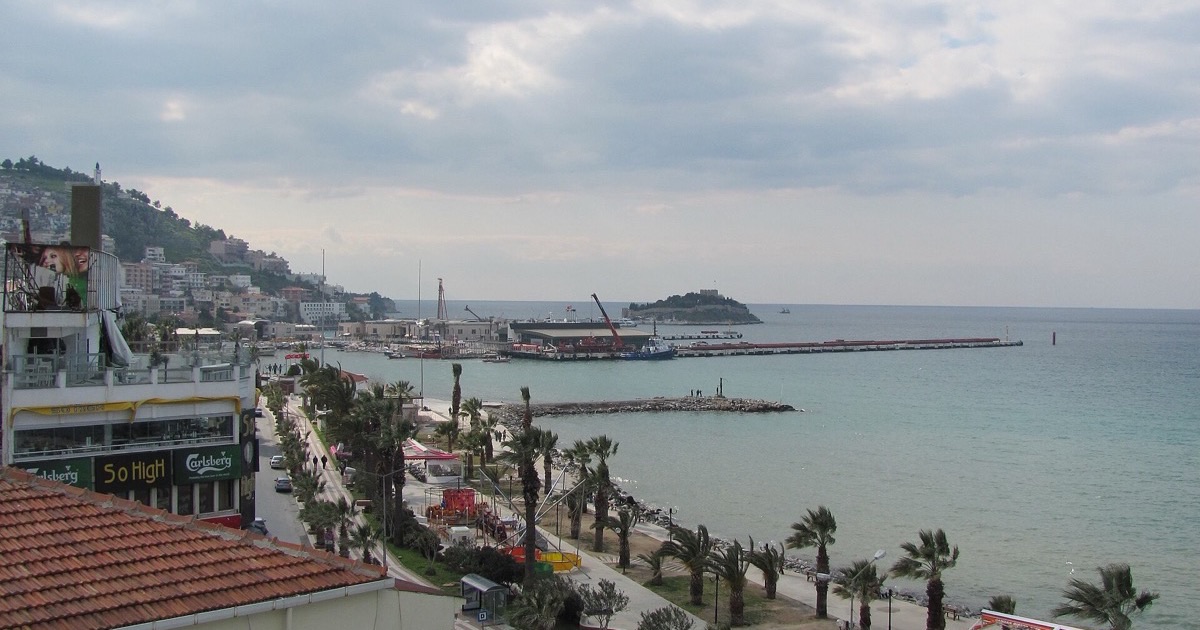
Cover photo: Kusadasi Shoreline in the morning.jpg by Slyronit · CC BY-SA 4.0 via Wikimedia Commons
Plan your trip
Book Istanbul attraction tickets
Skip-the-line tickets and guided tours for Istanbul's top sights, with mobile tickets and flexible cancellation.
See tickets on TiqetsWe may earn a commission from bookings made through this link, at no extra cost to you.
Travel Community
Heading to Kusadasi?
Connect with fellow travelers going to Kusadasi, swap first-hand tips, and find travel companions for your dates — free to join.
Connect with Kusadasi travelersReviewed by our editor for Türkiye & the Eastern Mediterranean
Elif DemirTürkiye & Eastern Mediterranean Editor
Travel writer covering Türkiye and the Eastern Mediterranean, from Istanbul's old city to the Aegean coast.
More articles by Elif Demir →