
Türkiye & Eastern Mediterranean Editor
Published September 3, 2026 · Reviewed October 4, 2026
Travelers seeking a deeper layer of Cappadocia’s history will find the Cappadocia caravanserais guide an essential companion. Beyond the famous fairy‑chimney va
Travelers seeking a deeper layer of Cappadocia’s history will find the caravanserai guide an essential companion. Beyond the famous fairy‑chimney valleys, a network of Seljuk‑era inns once cradled merchants traversing the Silk Road trade routes. Recent restoration projects have opened several forgotten caravanserais to curious explorers, offering a rare glimpse into ancient stone inns that once buzzed with caravans.
What are the most hidden caravanserais to visit in Cappadocia?
The region’s remote valleys conceal a handful of lesser‑known caravanserai sites that escape the usual tourist radar. One example is a modest stone structure near Gülşehir, featuring a central courtyard, vaulted stables and intricate Seljuk architecture. Another restored inn in the Kayseri area sits on a basalt ridge overlooking ancient routes; its thick walls and original wooden doors have survived extensive conservation work. Finally, the well‑known Sultanhani site still feels secluded during early morning visits, with an expansive courtyard that once hosted dozens of camels.
How can I include caravanserai tours in a Cappadocia itinerary?
Integrating caravanserai visits into a Cappadocia travel plan is straightforward when you allocate two full days to the historic inns and surrounding landscapes. Begin the first day with a sunrise hot‑air balloon ride over the valleys, then descend to the Göreme Open‑Air Museum for a cultural primer. In the afternoon, join a guided tour that visits selected caravanserais, allowing time for exploration and photography.
The second day can focus on the southern corridor of the ancient Silk Road. After a morning hike through the Ihlara Valley, arrange a private guide to lead you to Sultanhani, followed by a visit to a nearby underground city such as Derinkuyu. Concluding the day with dinner at a local restaurant that serves dishes inspired by historic trade routes enriches the narrative of your journey.
| Tour Option | Duration | Key Highlights | Typical Cost |
|---|---|---|---|
| Group Day‑Trip (small group) | ≈ 8 hours | Selected caravanserais with basic historical briefing | a modest fee (check current price) |
| Private Custom Tour | full day | Multiple caravanserais, optional cave‑hotel stay | a moderate fee (check current price) |
| Self‑Guided Audio Walk | flexible | Downloadable audio and GPS points for each site | a small fee (check current price) |
When booking, verify that the operator respects any ongoing restoration work, as some sites may have limited access during conservation. Combining these tours with existing Cappadocia attractions creates a balanced itinerary that satisfies both cultural curiosity and scenic appreciation.
Which caravanserais in Cappadocia are open to the public?
Several major caravanserais welcome visitors without requiring advanced reservations. They generally operate daily during daylight hours, with a modest entry fee that supports ongoing preservation. Some sites host temporary exhibitions on Silk Road trade routes, adding educational depth to the visit.
What is the history behind Cappadocia’s Seljuk caravanserais?
The Seljuk period (11th‑13th centuries) transformed the Anatolian plateau into a busy corridor for Silk Road trade. To support caravans crossing the volcanic landscape, the Seljuks commissioned a network of stone inns that combined security, hospitality, and religious observance. These structures, often called “kervansarays,” featured massive fortified walls, a central courtyard for loading and unloading goods, and vaulted chambers for travelers and their animals.
Architecturally, the caravanserais embody the characteristic Seljuk aesthetic: intricate stone carving, pointed arches and muqarnas‑style vaults. Many were strategically placed near natural passes or at junctions of ancient routes linking Konya, Kayseri and Mediterranean ports. Over the centuries some inns fell into ruin while others were repurposed as village mosques or storage facilities. Recent restoration projects have stabilized several sites, allowing them to re‑enter the public eye as part of Cappadocia’s cultural heritage.
Beyond their functional role, these historic inns served as cultural crossroads where merchants exchanged silk, spices and ideas. The remnants of frescoes, inscriptions and stone reliefs still visible in the courtyards hint at a vibrant exchange that shaped the region’s identity.
How do I reach the remote caravanserais of Cappadocia by public transport?
Public transport in Cappadocia has improved in recent years, yet reaching the most isolated caravanserais still requires careful planning. The primary hub is Nevşehir Kapadokya Airport, which receives regular flights from Istanbul and Ankara. From the airport, the regional bus terminal in Nevşehir offers services to the major towns of Göreme, Ürgüp and Avanos. These towns act as staging points for day trips to lesser‑known inns.
From Göreme, local minibuses (dolmuş) extend to villages near caravanserai sites. Drivers are accustomed to tourists seeking off‑the‑beaten‑path locations and will often stop on request at the nearest road junction. Tickets are inexpensive, and a printed map or offline GPS app that marks the caravanserai locations is useful because signage can be sparse.
- Consider purchasing a day‑pass for the Nevşehir bus system; it covers most minibuses and saves time at ticket booths.
- Check departure times early in the morning; many services finish by late afternoon, limiting evening access.
- Carry a printed map or offline GPS app that marks caravanserai locations.
- Ask the driver to wait briefly while you explore the courtyard.
- Plan a return trip to a larger town where night buses operate, ensuring a safe place to rest.
What are the best times of year to explore Cappadocia’s caravanserais?
The climate of central Anatolia varies sharply between seasons, influencing both comfort and the visibility of historic structures. Spring (April‑June) offers mild temperatures, clear skies and blooming wildflowers that frame the ancient stone inns. This period also aligns with local festivals celebrating historic inns.
Autumn (September‑October) provides another optimal window. The heat of summer recedes, and golden light accentuates the relief work on caravanserai façades. Reduced tourist flow makes it easier to find a quiet spot for reflection or photography.
Winter months bring cold temperatures and occasional snowfall, creating a dramatic backdrop but sometimes limiting access to remote sites due to icy roads. If you prefer a quieter experience and are prepared for colder weather, early December can still be rewarding, especially when combined with a stay in a cave hotel that offers heated rooms and traditional Turkish tea.
Are there guided walking tours that focus on Cappadocia’s caravanserais?
Local operators tailor half‑day and full‑day walks that link the most intact Seljuk inns along historic routes. Guides are usually fluent in English and hold certifications from cultural authorities, allowing them to explain architectural motifs, trade significance and historical anecdotes.
The tours typically start from visitor centres in Göreme or Ürgüp, where a short briefing outlines the route, distance and recommended footwear. Participants walk on marked paths that avoid private farmland; the pace allows ample time for photography, a brief tea break inside a restored courtyard and occasional detours to nearby rock‑cut churches.
Booking in advance is advisable during the high season, as guides with specialised knowledge can fill up quickly. Many agencies also offer combined packages that pair a walking tour with a sunset hot‑air balloon ride for a full‑day immersion in Cappadocia’s cultural landscape.
What amenities can I expect inside a restored Cappadocia caravanserai?
Restoration projects funded by heritage agencies have turned several inns into living museums that also serve modern travelers. Most feature a central courtyard with a fountain, stone benches and a small exhibition space displaying recovered artifacts such as trade seals and ceramic fragments.
Visitors can find basic amenities such as clean restrooms, a modest café serving Turkish tea and light snacks, and limited Wi‑Fi coverage in the main hall. Some larger sites have added boutique shops where local artisans sell hand‑woven textiles and pottery inspired by Seljuk designs.
| Amenity | Availability | Notes |
|---|---|---|
| Restrooms | Yes | Modern facilities discreetly integrated into historic walls. |
| Café | Yes | Offers tea, simit and seasonal fruit. |
| Wi‑Fi | Partial | Coverage in main hall and courtyard only. |
| Guided Audio | Optional | Handheld devices for self‑guided tours. |
| Souvenir Shop | Yes | Focus on locally produced crafts. |
The amenities aim to enhance comfort while preserving the authentic atmosphere. Visitors seeking luxury should consider staying in a nearby cave hotel, which often includes shuttle service to the caravanserai sites.
How safe is it to visit isolated caravanserais in Cappadocia?
Most well‑known caravanserais are located near main roads and receive regular patrols from local authorities. More remote ruins can be accessed via unpaved tracks occasionally used by farmers. During daylight hours these areas are generally safe, especially when visited as part of an organised group or with a local guide familiar with the terrain.
Travelers should carry a charged mobile phone, a map of the region and a small first‑aid kit. Weather can shift quickly; appropriate clothing and sturdy shoes are essential. If you explore independently, inform your accommodation of your itinerary and expected return time.
Local police stations in towns such as Avanos and Ortahisar provide assistance to tourists and can be contacted in case of an emergency. The overall risk level is low, but common sense and preparation remain the best safeguards.
Practical Tips for Visiting Cappadocia
- Plan Your Route: Use a detailed regional map to identify which caravanserais are open to the public and which may have limited access.
- Dress for the Climate: Layered clothing works best, as mornings can be cool while midday sun becomes intense.
- Stay Hydrated: Carry a reusable water bottle; refill stations are available at most visitor centres.
- Respect Restoration Work: Follow signage that indicates areas under conservation and avoid touching fragile stonework.
- Hire a Certified Guide: A guide with a cultural heritage licence can provide context and ensure you stay on public pathways.
- Use Cash Sparingly: While many sites accept cards, small vendors near remote inns may only take Turkish lira.
- Check Opening Hours: Seasonal variations affect access; some caravanserais close for maintenance during winter months.
Sources & Further Reading
Recommended Cappadocia Activities
Frequently Asked Questions About Cappadocia
How many caravanserais are still standing in Cappadocia?
Approximately fifteen caravanserais retain enough of their original structure to be identified on the landscape. Some, such as Ağzıkarahan and Selime, are largely intact and serve as open‑air museums, while others survive only as stone foundations or partially collapsed walls. Ongoing archaeological work continues to reveal additional remnants.
Can I stay overnight in a historic caravanserai in Cappadocia?
Yes, a handful of restored caravanserais operate as boutique accommodations, offering rooms that blend traditional stone arches with modern comforts. These properties are limited in number, so reservations should be made several weeks in advance, especially during peak travel seasons.
What is the entry fee for visiting Cappadocia’s caravanserais?
Most publicly managed caravanserais charge a modest admission fee, typically ranging from a few Turkish lira to around ten lira for larger sites. Some smaller or less restored locations may be free, while museums that incorporate caravanserai sections often include the cost in a combined ticket. Discounts are frequently available for students, seniors and larger groups.
Are there any wheelchair‑accessible caravanserais in Cappadocia?
Accessibility is limited because many caravanserais sit on uneven terrain and retain original stone steps. A few sites that have undergone recent renovation include ramps and handrails to accommodate visitors with mobility challenges. It is advisable to contact the local tourism office ahead of your visit to confirm which locations meet your accessibility needs.
What language tours are available for caravanserai visitors?
Guided tours are commonly offered in Turkish and English, reflecting the primary languages of local guides and international visitors. During the summer months many agencies add German, French and Italian options to meet demand. Audio guides in multiple languages can also be rented at visitor centres for self‑guided exploration.
How do I book a private caravanserai tour in Cappadocia?
Private tours can be arranged through local travel agencies with offices in Göreme and Ürgüp, or via boutique hotels that partner with knowledgeable guides. Online platforms specialising in cultural tourism also allow you to select a guide, set a date and specify the caravanserais you wish to visit. Verify the guide’s credentials and ask whether entry fees and transportation are included.
What should I wear when exploring the caravanserais?
Dress in layers, as temperatures can shift dramatically between cool mornings and warm afternoons typical of the region. Sturdy, closed‑toe shoes with good grip are essential for navigating uneven stone surfaces and occasional loose debris. A wide‑brimmed hat, sunglasses and sunscreen protect against strong sunlight, especially during summer. Carry a lightweight rain jacket if traveling in spring or autumn.
Is photography allowed inside all caravanserais?
Photography is generally permitted in most interiors, but a few sites restrict flash to protect delicate frescoes and artifacts. Some privately owned caravanserais may request that visitors refrain from photographing certain areas out of respect for the owners. It is courteous to ask the guide or check signage before taking pictures in restricted zones. Commercial photography usually requires a separate permit from the regional cultural authority.
Are there any local festivals related to caravanserais in Cappadocia?
Each summer, several towns host cultural events that celebrate historic trade routes, featuring folk music, traditional crafts and reenactments of caravan life. These festivals often include guided walks through nearby caravanserais, allowing participants to experience the sites in a festive context. Dates vary by location, so checking municipal calendars before travel is advisable.
Where can I find maps of the Silk Road caravan routes in Cappadocia?
Visitor centres in major towns distribute printed maps that overlay modern roads with historic caravan routes. Museums such as the Cappadocia Museum of History also display detailed charts and interactive exhibits. Many recent guidebooks and online resources include downloadable fold‑out maps, while reputable travel apps offer GPS‑enabled layers showing ancient pathways.
Exploring the forgotten caravanserais of Cappadocia offers a rare glimpse into the region’s bustling past and its enduring cultural landscape. This guide equips you with practical knowledge to navigate sites responsibly and enriches your journey with authentic experiences. As you travel, remember that each stone carries a story worth preserving for future adventurers. Safe travels and enjoy the hidden corridors of history.
More Cappadocia travel guides
- Family Fun: Creating a Pottery Workshop Experience in Cappadocia
- Is Cave Hotel Living in Cappadocia Right for Your Family?
- Is Hot Air Ballooning in Cappadocia Worth It?
- Romantic Cappadocia Sunset Wine Tours for Couples
- Secret Spots in Cappadocia: Exploring the Dark Churches
- Step-by-Step Guide to Hiking the Rose Valley in Cappadocia
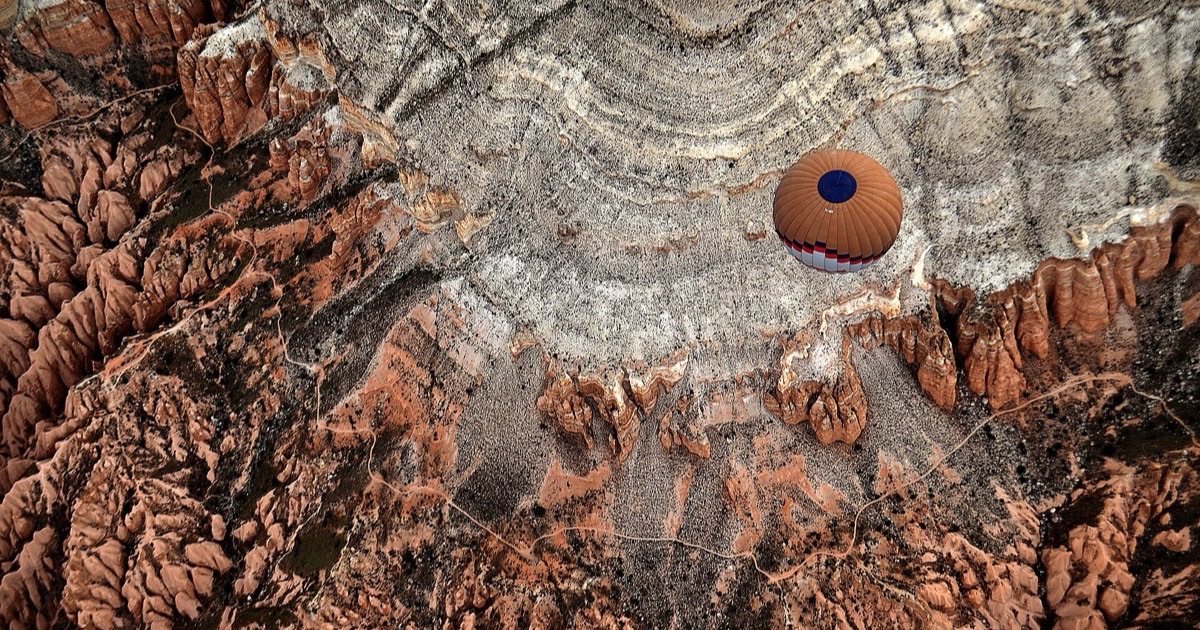
Cover photo: 333 Cappadocia1.jpg by Gsahin17 · CC BY-SA 4.0 via Wikimedia Commons
Plan your trip
Book Istanbul attraction tickets
Skip-the-line tickets and guided tours for Istanbul's top sights, with mobile tickets and flexible cancellation.
See tickets on TiqetsWe may earn a commission from bookings made through this link, at no extra cost to you.
Travel Community
Heading to Cappadocia?
Connect with fellow travelers going to Cappadocia, swap first-hand tips, and find travel companions for your dates — free to join.
Connect with Cappadocia travelersReviewed by our editor for Türkiye & the Eastern Mediterranean
Elif DemirTürkiye & Eastern Mediterranean Editor
Travel writer covering Türkiye and the Eastern Mediterranean, from Istanbul's old city to the Aegean coast.
More articles by Elif Demir →