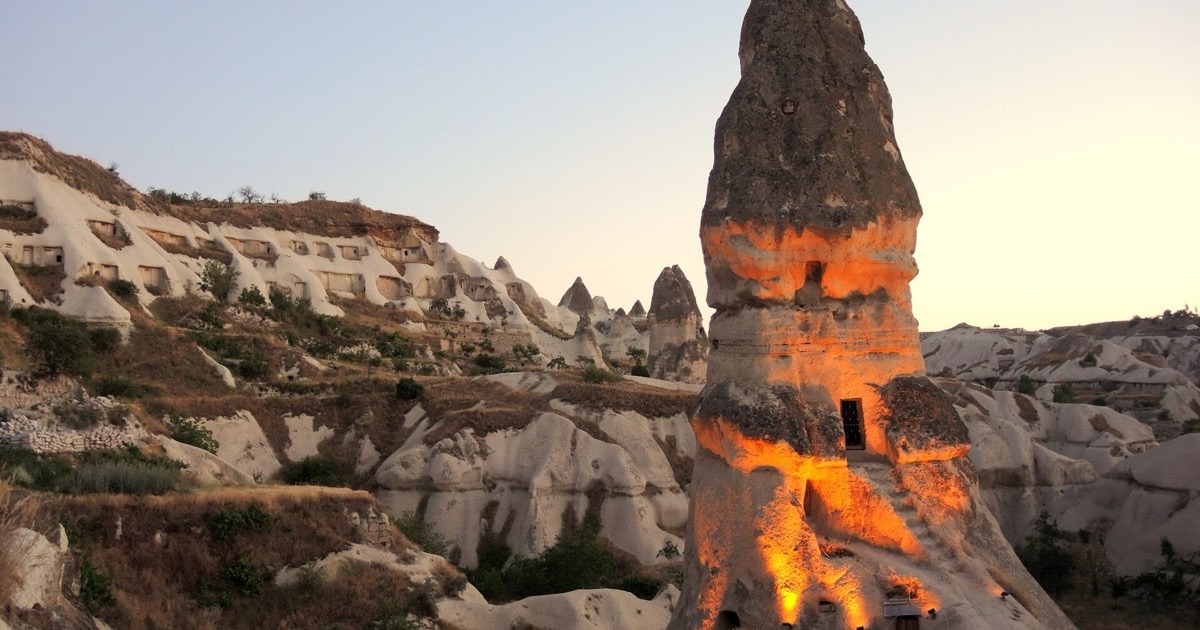

Staying in a Cappadocia cave house rental lets you slip into a centuries-old way of life while enjoying modern comforts.
Staying in a Cappadocia cave house rental lets you slip into a centuries‑old way of life while enjoying modern comforts. Carved from soft volcanic tuff, these dwellings blend natural insulation with striking interior design, offering a quiet retreat after a sunrise hot air balloon ride. Whether you book through a local platform or an established listing service, the experience feels distinctly local. This guide highlights the practical reasons to choose a cave accommodation in Turkey over a conventional hotel.
What makes cave house rentals in Cappadocia unique compared to traditional hotels?
Unlike many boutique cave hotels that follow a commercial model, a cave house rental is typically owned by local families who have adapted ancestral spaces for short‑term guests. The result is a more intimate setting where you can hear the faint echo of centuries‑old stone walls while cooking in a kitchen that respects traditional Turkish cave dwellings. Many owners preserve original features such as arched doorways and built‑in niches, giving each unit a character that a standard hotel lobby cannot replicate.
Thermal regulation is another advantage. The thick tuff walls keep interiors cool in summer and warm in winter without heavy reliance on HVAC systems, aligning with sustainable tourism goals. Guests often find that the natural insulation reduces energy consumption, which complements the growing demand for eco‑friendly cave rentals. In addition, the layout of a cave house encourages a slower pace of life, encouraging you to linger over tea on a stone terrace while watching balloons drift overhead.
How can I find eco‑friendly cave accommodations?
To locate environmentally responsible cave rentals, look for listings that highlight solar‑powered lighting, water‑saving fixtures, and locally sourced linens. Many hosts also mention participation in community recycling programs and the use of biodegradable cleaning products. Contacting the local tourism office in Göreme or Uçhisar can provide up‑to‑date information on properties that prioritize sustainability.
Which towns in Cappadocia offer the best selection of cave houses for rent?
Göreme remains the most popular hub for cave house rentals, thanks to its concentration of conversions and easy access to the main hot air balloon launch sites. The town’s narrow lanes are lined with stone‑carved homes that double as boutique stays, many of which appear on major listing platforms. Visitors can walk from their doorstep to panoramic viewpoints within minutes.
Uçhisar offers a quieter alternative with several upscale cave villa options. These properties often feature larger terraces that overlook the iconic fairy chimneys, providing a perfect backdrop for sunrise photography.
In the lesser‑known village of Ortahisar, a growing number of cave homestays give travelers a chance to engage with daily local life. Hosts here frequently organize workshops on traditional cooking and pottery, deepening the local experience for guests who stay in these authentic dwellings. Each town presents a distinct flavor of cave living, allowing you to match your preferences for activity level, privacy, and cultural immersion.
What amenities are typically included in a cave house stay in Cappadocia?
Modern cave houses blend the cool, natural insulation of volcanic tuff with contemporary comforts. Most listings provide en‑suite bathrooms equipped with low‑flow fixtures, heated floors, and Turkish‑style towels. Kitchenettes often feature a small fridge, induction cooktop, and basic cookware, allowing guests to prepare simple meals using locally sourced produce. Wi‑Fi is now standard across most cave accommodation in Turkey, with signal boosters placed strategically to overcome the stone’s thickness.
Beyond the basics, many eco‑friendly rentals incorporate solar panels, rainwater collection, and biodegradable cleaning supplies. Guests can expect reusable water bottles, a selection of organic teas, and recycling bins in each unit. Some properties also provide a private terrace or a small garden where you can enjoy a sunrise view before the hot air balloon fleet lifts off.
- Check that the heating system is electric or solar‑powered to align with sustainable tourism goals.
- Verify the presence of a smoke detector and fire‑extinguishing equipment, especially in older traditional Turkish cave dwellings.
- Ask the host about linen turnover frequency; eco‑focused hosts often reuse linens to reduce water use.
- Confirm that the property offers guidance on local recycling points and composting options.
- Look for extra amenities such as a portable safe, a small library of regional literature, or a traditional Turkish coffee set.
How much does a night in a cave house cost during peak and off‑season periods?
Pricing fluctuates according to demand, location, and the level of sustainability features. During the high season—when weather conditions are ideal for hot air balloon flights—a typical cave house can command a modest nightly rate (check current prices). In quieter months, rates generally drop, offering more affordable options while still providing heating and eco‑friendly amenities. Some owners may offer discounts for extended stays.
Are cave houses in Cappadocia family‑friendly and suitable for children?
Family suitability depends on the layout and safety features of each cave dwelling. Many hosts have adapted traditional Turkish cave dwellings to include child‑proofed stairways, padded railings, and low‑height lighting that reduces glare. Larger cave houses often provide separate sleeping alcoves or a modest living area where parents can set up a portable crib or a travel cot. Some properties even supply board games, coloring books, and a small selection of toys that reflect the region’s heritage.
Outdoor spaces are a key consideration for families. A courtyard with a sand‑filled pit, a garden with fruit trees, or a terrace overlooking the fairy‑chimney landscape offers safe play areas while keeping children within sight. Hosts who market their listing as a cave homestay frequently arrange child‑friendly activities, such as a guided walk through the Göreme Open‑Air Museum with a focus on legends that captivate younger minds, or a short horseback ride that avoids steep inclines.
What is the typical layout and design of a modern cave house rental?
Contemporary cave houses blend the ancient softness of volcanic tuff with clean, functional interiors. Most rentals feature a single‑story floor plan that follows the natural curvature of the rock, with a central living area that opens onto a modest terrace overlooking the fairy‑chimney horizon. High ceilings are created by excavating vertical shafts, allowing natural light to filter through strategically placed skylights.
Bedrooms are often carved into separate alcoves, each equipped with modern amenities such as climate‑controlled heating, Wi‑Fi, and en‑suite bathrooms that use water‑saving fixtures. The kitchen typically follows an open‑concept design, using reclaimed stone countertops and energy‑efficient appliances that complement the earthy palette of the walls.
Designers prioritize sustainability: insulation is achieved by the rock itself, while renewable energy sources—solar panels on the roof or small wind turbines—supply electricity. Decorative elements include hand‑woven Turkish rugs, locally sourced pottery, and subtle lighting that highlights the stone’s natural texture without overwhelming the space.
How do I book a cave house directly versus using platforms like Airbnb?
Direct booking usually involves contacting the property owner or the small family‑run agency that manages the cave house. This route often provides a more personal dialogue about arrival times, special requests, and the possibility of arranging private tours or meals prepared in the home kitchen. Payments are typically handled through bank transfer or a secure online portal provided by the owner.
Using a platform such as Airbnb adds a layer of convenience: standardized calendars, instant confirmation, and a built‑in review system that can help gauge the reliability of the host. However, platform fees may increase the total cost, and the communication is mediated through the site’s messaging system, which can limit flexibility.
| Aspect | Direct Booking | Airbnb |
|---|---|---|
| Price Transparency | Negotiable, often lower after discussion | Fixed, includes service fees |
| Communication | Direct, can arrange custom experiences | Standardized, may delay special requests |
| Cancellation Policy | Varies by owner, sometimes more flexible | Standardized tiers set by platform |
| Verification | Depends on owner’s reputation | Backed by platform’s identity checks |
What local experiences can I enjoy while staying in a cave house?
Morning light spilling over the valley invites a gentle hike to a nearby rose‑colored trail that leads to a centuries‑old vineyard. Many cave house owners can arrange a tasting of organic wines produced by families who still practice traditional grape‑pressing methods, offering insight into the region’s agricultural heritage.
Evening hours are perfect for a cooking workshop held in the shared kitchen of a Göreme cave house. Local chefs demonstrate how to prepare dishes such as testi kebab, cooked in sealed clay pots that echo ancient storage methods. Participants leave with a recipe card and a deeper appreciation for the flavors that have defined Cappadocian cuisine for generations.
For those interested in conservation, some rentals offer opportunities to volunteer a few hours with community gardens that supply fresh herbs to nearby restaurants, or to join guided walks that explain how rock‑cut dwellings are preserved using low‑impact techniques.
Practical Tips for Visiting Cappadocia
- Timing Your Balloon Ride: Book the hot‑air balloon early in the season to increase the likelihood of clear skies, and confirm the reservation a day before the flight.
- Footwear Choice: Bring sturdy, breathable shoes with good grip; many cave entrances have uneven stone steps that can be slippery when damp.
- Staying Connected: Purchase a local SIM card if you need reliable mobile data; many cave houses have limited Wi‑Fi bandwidth due to the stone’s natural insulation.
- Respecting the Environment: Use refillable water bottles and avoid single‑use plastics; many cave rentals provide filtered water stations.
- Currency Management: Carry a modest amount of cash for small vendors, as some rural shops do not accept cards.
- Photography Etiquette: Ask permission before photographing interior spaces, especially if the owner has designated areas as private.
- Local Language Basics: Learning a few Turkish greetings can enhance interactions with hosts and market sellers.
Editor's Note: Travelers who prioritize authenticity often find that staying in a cave house opens doors to experiences that standard hotels cannot match. From sunrise views over the valleys to hands‑on cultural workshops, the immersion begins at the doorstep of the stone‑carved home.
Recommended Cappadocia Activities
Frequently Asked Questions About Cappadocia
Can I rent a cave house for a short stay of just one night?
Yes, many owners accept one‑night bookings, especially during the shoulder seasons when occupancy is lower. You will usually need to confirm availability through a reputable platform that handles short‑term rentals. Expect a slightly higher nightly rate compared with longer stays, as cleaning and turnover costs are spread over fewer days. Some hosts may require a minimum stay of two nights during peak balloon season, so check the specific policy before confirming. This flexibility makes cave house rentals accessible for weekend travelers.
Do cave houses provide Wi‑Fi and other modern conveniences?
Most cave houses installed after 2015 are equipped with high‑speed Wi‑Fi, often routed through discreet wall outlets. In addition to internet, you will find central heating, electric lighting, and private bathrooms with hot water. Some properties also include small kitchenettes, washing machines, and air‑conditioners for summer comfort. Hosts typically supply basic linens, towels, and a selection of toiletries to reduce the need for extra purchases. If you have specific tech requirements, ask the owner in advance to confirm compatibility.
Are there any additional fees such as cleaning or security deposits for cave rentals?
Yes, most cave house owners add a one‑time cleaning fee that covers the thorough sweep of the stone interiors after your departure. The amount varies but is usually disclosed clearly in the booking summary before payment. A refundable security deposit is also common, intended to cover any damage to historic features or furnishings. The deposit is held by the booking platform and returned within a week of checkout, provided the property is left in good condition. Always read the fine print to avoid surprise charges.
How early should I book a cave house for the popular hot‑air‑balloon season?
The balloon season, which peaks from April to October, fills up quickly, especially in the towns of Göreme and Ürgüp. Planning several months ahead helps guarantee a preferred location and view. If you are traveling with a larger group, booking well in advance is advisable, as many cave houses have limited capacity. Late‑booking options exist, but they often come with higher rates and fewer amenities.
What is the check‑in and check‑out process like for cave accommodations?
Most owners provide a self‑check‑in system using a lockbox or digital keypad, allowing arrival at any hour after the agreed start time. Upon arrival, you will find a welcome booklet that explains heating controls, lighting switches, and emergency exits. Check‑out usually requires you to leave the keys in the lockbox and ensure that any used linens are placed on the designated chair. Some hosts ask guests to turn off the heating and close windows to preserve the interior climate. A brief text message from the owner after departure often confirms that everything is in order.
Are pets allowed in cave houses in Cappadocia?
Pet policies differ from one property to another; some owners welcome small dogs or cats, while others prohibit animals to protect delicate stone surfaces. If pets are allowed, there may be an additional cleaning surcharge to address fur and odor. You should also verify that the cave has suitable ventilation for animal comfort. Many hosts provide a small pet bed and water bowl upon request. Always discuss your pet’s size and breed with the owner before finalizing the booking.
What should I pack for a comfortable stay in a cave house?
Bring layered clothing, as cave interiors can stay cool at night even when the outside temperature is warm. Sturdy, non‑slip shoes are advisable for navigating uneven stone floors and narrow doorways. A portable power bank helps keep devices charged in case of brief electricity interruptions. If you enjoy cooking, consider packing a few favorite spices, as kitchenettes are often modest. Finally, a reusable water bottle and a small flashlight add convenience without disturbing the historic ambience.
Choosing a cave house for your Cappadocia adventure offers a unique blend of history, comfort, and local flavor. By understanding the practical aspects of rentals, you can focus on exploring the surreal landscape and vibrant culture. Cave house rentals continue to evolve, providing modern amenities while preserving centuries‑old architecture. We hope this guide equips you with the confidence to book your stay and enjoy an authentic experience in central Turkey.
Cover photo: Cappadocia Evening (40760776).jpeg by Charlton · CC BY 3.0 via Wikimedia Commons
More Cappadocia travel guides
- Cappadocia Hot Air Balloon Guide 2026: Everything You Need to Know
- Why the Ihlara Valley 14km Canyon Walk Is Cappadocia's Ultimate Trek
- Cappadocia Sunrise Hike: Love Valley & Red Valley Routes
- Cappadocia Wine Tasting Guide: Best Local Vineyards and Varieties
- Cappadocia Unveiled: A 5-Day Adventure Itinerary for Trail in
- What Legends Lurk Beneath Love Valley A Walking History Tour
Plan your trip
Book Istanbul attraction tickets
Skip-the-line tickets and guided tours for Istanbul's top sights, with mobile tickets and flexible cancellation.
See tickets on TiqetsWe may earn a commission from bookings made through this link, at no extra cost to you.
Travel Community
Heading to Cappadocia?
Connect with fellow travelers going to Cappadocia, swap first-hand tips, and find travel companions for your dates — free to join.
Connect with Cappadocia travelersReviewed by our editor for Türkiye & the Eastern Mediterranean
Elif DemirTürkiye & Eastern Mediterranean Editor
Travel writer covering Türkiye and the Eastern Mediterranean, from Istanbul's old city to the Aegean coast.
More articles by Elif Demir →