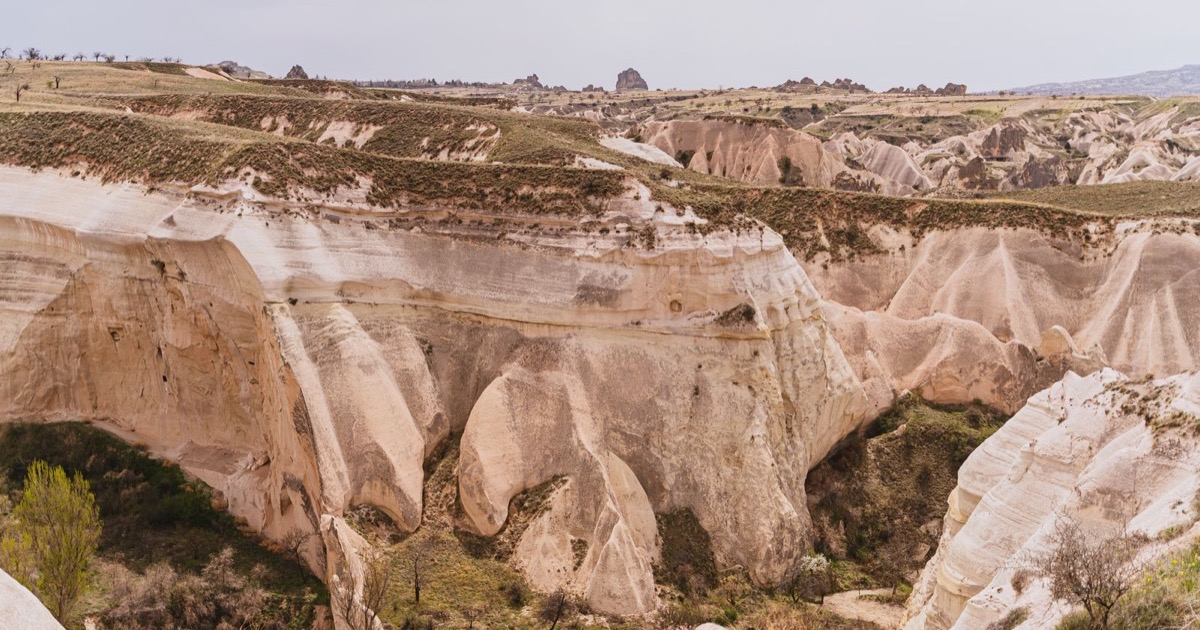

The Ihlara Valley canyon walk stretches fourteen kilometers through a gorge that feels carved by time itself…
The Ihlara Valley canyon walk stretches fourteen kilometers through a gorge that feels carved by time itself, offering a blend of natural drama and centuries‑old spirituality. Hikers who choose this trail discover a side of Cappadocia that complements the iconic fairy chimneys and hot air balloon rides, yet remains distinct in its quiet, river‑lined passages. This guide walks you through the essentials of the Ihlara Valley hiking guide, from trail logistics to the hidden treasures that line the Melendiz River trail.
Why is the fourteen kilometer canyon walk in Ihlara Valley considered the ultimate hike in Cappadocia?
The canyon’s length allows for a full‑day immersion, giving walkers enough mileage to experience the region’s geological contrasts—from sheer volcanic cliffs to lush riverbanks. Unlike shorter loops that skim the surface, the Ihlara Valley canyon walk penetrates deep into the heart of Cappadocia, where the interplay of light and shadow creates a constantly shifting landscape. This depth is why many Cappadocia canyon hike enthusiasts rank it above other popular routes.
Beyond scenery, the trail is a living museum. Rock cut churches Ihlara stand side by side with Byzantine frescoes that have survived centuries of weathering. The presence of Selime Monastery at the valley’s southern exit adds a monumental finale, reminding hikers of the spiritual journeys that once traversed these same steps. The combination of natural wonder and cultural heritage makes the walk a benchmark for any Ihlara Valley hiking guide.
What can hikers expect to see along the Ihlara Valley trail?
The first kilometers follow the gentle flow of the Melendiz River trail, where the water’s murmur provides a soothing backdrop to the ascent. Along the way, dozens of rock cut churches Ihlara reveal frescoes depicting saints, angels, and biblical scenes, each rendered in colors that have faded yet still convey their original brilliance. Visitors often pause at the well‑preserved frescoes of the Ağaçaltı and Sümbüllü churches, noting the intricate details that survived Cappadocia weather for over a millennium.
Midway through the hike, the valley widens near Güzelyurt village, offering a glimpse of traditional stone houses that contrast with the surrounding cliffs. From this point, the trail provides occasional vistas of distant fairy chimneys, reminding walkers of the broader Cappadocian landscape. The final stretch culminates at Selime Monastery, a sprawling complex carved into the rock face, where the sheer scale of the chambers underscores the ambition of its builders.
| Feature | Location | Highlight |
|---|---|---|
| River Walk | Melendiz River trail | Cool shade and gentle terrain |
| Rock‑cut Churches | Various points | Byzantine frescoes in Ağaçaltı, Sümbüllü |
| Village Stop | Güzelyurt village | Traditional stone architecture |
| Monastic Finale | Selime Monastery | Largest cave complex in the valley |
How difficult is the Ihlara Valley canyon walk for different fitness levels?
The overall hiking difficulty level is moderate, but the experience varies with individual stamina. The first half of the route is relatively flat, making it accessible for casual walkers who prefer a leisurely pace. However, the southern portion near Selime introduces steeper inclines and uneven stone steps, demanding stronger legs and better balance. For those accustomed to mountain trekking, the ascent feels manageable, while beginners may need to schedule frequent rests.
Seasonal considerations also affect difficulty. The best time to hike Ihlara Valley is during spring (April‑June) or early autumn (September‑October) when Cappadocia weather is mild and the trail is free from extreme heat or icy patches. During summer, midday temperatures can rise sharply, so planning a start before the sun reaches its peak helps maintain comfort and reduces the risk of dehydration.
Regardless of fitness, the Ihlara Valley hiking guide recommends carrying a water bottle, sun protection, and a light jacket for sudden weather changes. With proper preparation, hikers of varying abilities can complete the 14 km canyon walk and still enjoy the valley’s cultural and natural highlights.
When is the best season to hike the Ihlara Valley canyon?
The most comfortable months for the 14 km trek run from late April through early October. During this window the Cappadocia weather settles into mild daytime highs of 20‑25 °C (68‑77 °F) and cool evenings, making the Melendiz River trail pleasant for both walking and occasional rests by the water. Spring brings a burst of wildflowers that line the canyon floor, while early autumn offers golden hues on the surrounding fairy chimneys and a quieter atmosphere after the peak hot‑air‑balloon season.
Summer can be hot, especially in July and August, when temperatures may climb above 30 °C (86 °F). If you choose this period, start early—aim for a 7 am departure—to avoid the midday sun. Carry plenty of water, a wide‑brimmed hat, and sunscreen. The canyon’s depth provides some shade, but the exposed sections near the riverbanks can become warm quickly.
Winter hikes are possible, but the region’s occasional snowfall and icy pathways raise the difficulty level. Trail markers remain visible, yet the river can swell after rain, making some wooden walkways slippery. If you prefer a quieter experience and are comfortable with cooler conditions, late November to early March can be rewarding, provided you check local weather forecasts and dress in layers.
What are the most impressive rock‑cut churches along the Ihlara trail?
The Ihlara Valley is dotted with dozens of Byzantine fresco‑adorned sanctuaries, but four stand out for their preservation and artistic detail. The first is St George’s Church, situated near the valley’s northern entrance. Its interior walls display vivid red and gold pigments that have survived centuries, illustrating scenes from the New Testament.
Further downstream, the Snake Church (Yılanlı Kilise) earns its name from a fresco of Saint George slaying a dragon, rendered with striking chiaroscuro. The church’s low ceiling forces visitors to crouch, creating an intimate encounter with the artwork. About a kilometre later, the Apple Church (Elmalı Kilise) showcases a rare depiction of the Tree of Life, framed by intricate geometric borders typical of the 10th‑century style.
At the southern terminus of the canyon lies the monumental Selime Monastery. Carved directly into the cliff face, this complex includes a cathedral‑sized nave, living quarters, and a kitchen. Its frescoes, though weathered, still reveal the deep blues and earthy tones characteristic of Byzantine iconography. The sheer scale of Selime provides a dramatic contrast to the smaller, more secluded chapels earlier on the route.
How do I reach the trailhead and where can I park in Ihlara Valley?
The most common access point for the canyon walk begins at the village of Güzelyurt, a short drive from the town of Nevşehir. From the main highway, follow signs for the Ihlara Valley turn‑off; the road becomes a narrow, paved lane that winds through orchards before arriving at the designated parking lot near the entrance of the Melendiz River trail.
Parking at Ihlana Valley is free for day‑trippers and can accommodate several dozen cars and a handful of minibusses. A smaller secondary lot exists near the southern exit, close to Selime Monastery, which is useful for hikers who prefer a point‑to‑point trek rather than a return to the northern gate. Both lots are equipped with basic facilities: a restroom, a water fountain, and an information board that outlines the trail’s length, difficulty level, and safety reminders.
- Arrive before 10 am in summer to secure a spot near the main entrance.
- Carry a reusable water bottle; refill stations are spaced every 2‑3 km along the path.
- Check the local weather forecast each morning; sudden thunderstorms can cause flash floods in the canyon.
- If you rent a car, set the GPS to “Ihlara Valley Entrance” to avoid getting lost on the rural side roads.
- Consider using the shuttle service from Güzelyurt during peak season; it drops hikers at both the north and south trailheads for a modest fee.
Public transport options include a regional bus from Nevşehir to Güzelyurt, followed by a short taxi ride to the parking area. For those staying in Göreme or Ürgüp, many local tour operators offer day‑trip packages that include pick‑up, a guide, and a brief orientation on the Ihlara Valley hiking guide before the walk begins.
What essential gear and supplies should I bring for the Ihlara Valley hike?
The 14‑kilometre canyon trail is mostly shaded, but the sun can break through the high cliffs on clear days. A lightweight, breathable shirt and long‑sleeved layer protect against both glare and the occasional breeze from the Melendiz River. Sturdy walking shoes with good ankle support are advisable; the path includes stone steps, uneven ground, and occasional river crossings.
Pack at least 1.5 litres of water per person, a small snack such as dried fruit or a granola bar, and a compact first‑aid kit. A hat, sunglasses, and sunscreen with at least SPF 30 guard against UV exposure. If you plan to photograph the rock‑cut churches, bring a spare battery and a microfiber cloth for lens cleaning.
Are there any guided tours or local experts for the Ihlara Canyon walk?
Several agencies in Göreme and Ürgüp coordinate half‑day and full‑day tours that start at the main parking area near the valley entrance. Guides are usually licensed, speak English and Turkish, and provide context on Byzantine frescoes, geological formation, and the valley’s agricultural past. Group sizes rarely exceed twelve participants, which keeps the pace comfortable for most fitness levels.
Private guides can tailor the walk to specific interests—such as an extended stop at Selime Monastery or a focus on endemic flora. Booking in advance is recommended during the peak months of April to October, as spots fill quickly.
| Tour Type | Duration | Typical Cost (per person) | Highlights |
|---|---|---|---|
| Group Half‑Day | 4 hours | Moderate | Key churches, riverside lunch stop |
| Group Full‑Day | 7 hours | Higher | Selime Monastery, extra time for photography |
| Private Custom | Flexible | Premium | Specialist topics, flexible start time |
What wildlife and plant life might I encounter on the Ihlara Valley path?
The canyon’s microclimate supports a mix of Mediterranean and Anatolian species. You may spot the Eurasian hoopoe flitting among the rock faces, while small mammals such as the long‑tailed ground squirrel dart across the trail. Reptiles, including the Anatolian wall lizard, are common on sunny stones.
Vegetation ranges from hardy pistachio shrubs on the higher slopes to poplar and willow trees hugging the riverbank. In spring, the valley floor bursts with wildflowers—purple crocuses, yellow anemones, and delicate white tulips—creating vivid contrast against the limestone walls.
Editor’s Note: Local experts recommend starting the hike early in the morning during summer months. Temperatures rise quickly, and the morning light offers the best conditions for viewing frescoes inside the rock‑cut churches.
Practical Tips for Visiting Cappadocia
- Plan Your Arrival: The main parking lot fills early, especially on weekends. Arrive before 9 am to secure a spot and enjoy a quieter start.
- Check Weather Forecasts: Spring and autumn bring mild conditions, while summer can be hot and winter may bring occasional snow on the higher trail sections.
- Carry Cash for Small Fees: Some of the smaller churches charge a modest entrance fee that is only accepted in cash.
- Respect the Sites: Photography is allowed inside most churches, but flash may be prohibited to protect fragile frescoes.
- Use a Refillable Bottle: Water sources are limited along the trail; bring enough for the entire walk and refill before you leave.
- Leave No Trace: Pack out any litter, stay on marked paths, and avoid disturbing wildlife or picking plants.
- Combine Activities: Pair the canyon walk with a sunset hot‑air balloon ride or a visit to nearby Güzelyurt village for a fuller Cappadocian experience.
Recommended Cappadocia Activities
Frequently Asked Questions About Cappadocia
How long does it take to complete the Ihlara Valley fourteen kilometer hike?
The full fourteen‑kilometer stretch typically requires five to six hours for an average walker, allowing time for pauses at the numerous churches and viewpoints. If you prefer a more relaxed pace, many hikers split the route into two days, staying overnight in one of the riverside guesthouses. Early morning starts help avoid the midday heat that can slow progress. Remember to carry water and a snack, as services are spaced apart.
Is the Ihlara Valley trail suitable for families with children?
The trail offers gentle sections along the river that are comfortable for younger kids, especially between the villages of Belisirma and Ihlara. Some portions involve uneven stone steps and occasional narrow ledges, so close supervision is advisable. Strollers are not practical on the rocky ground, but a child carrier works well for toddlers. Families should plan for regular breaks and bring sun protection.
Can I hike the Ihlara Canyon independently or do I need a guide?
The path is clearly marked with signposts and informational panels, allowing confident hikers to navigate without a guide. Independent walkers benefit from a printed map or a reliable offline GPS app that highlights the churches and rest areas. Hiring a local guide adds depth, as they can explain frescoes, geological formations, and folklore that are not obvious from the trail alone. Guides are available at the valley entrance for a modest fee.
What are the entry fees or permits required for the Ihlara Valley hike?
There is a modest entrance charge that grants access to the entire canyon, typically collected at the main gate near the Ihlara village. The fee covers maintenance of the walking paths and the basic restroom facilities. Children under a certain age often enter free, while discounts may apply for students or seniors. No additional permits are needed unless you plan a special activity such as a photography shoot.
Are there restroom facilities along the Ihlara Valley trail?
Simple toilet blocks are positioned at the valley’s primary entry point, at Belisirma village, and near the Selime Monastery complex. These facilities are basic, offering only squat toilets and hand‑washing stations, and they may be closed for cleaning during peak summer days. Portable restrooms are sometimes set up during organized tours, but it is wise to use them early in the day. Carrying a small pack of tissue and hand sanitizer is advisable.
What is the difficulty rating of the Ihlara Valley canyon walk?
Most hikers classify the route as moderate, with a mix of flat riverbank sections and short, steep climbs up to the cliff edges. The terrain includes rocky steps, occasional loose gravel, and narrow passages that require careful footing. A reasonable level of fitness and proper footwear are sufficient for the majority of visitors. Those with limited mobility may find the upper reaches near Selime challenging.
Which sections of the Ihlara trail offer the best photo opportunities?
The stretch between the churches of St. George and the Snake Church provides dramatic backdrops of fresco‑adorned walls against towering cliffs. Near Belisirma, the river bends create reflective surfaces that capture sunrise hues beautifully. The towering basalt formations at the western end of the canyon, especially around the Selime Monastery, frame expansive landscape shots. Early morning or late afternoon light enhances the colors of the volcanic rock.
Is the Ihlara Valley trail open year‑round?
The canyon remains accessible throughout the year, though winter months can bring snow and icy patches on higher sections. Spring and autumn are generally the most comfortable periods, offering mild temperatures and vibrant foliage. During the hottest summer days, midday heat may make the exposed rock faces uncomfortable, so many hikers start early. Local authorities may temporarily close parts of the trail after severe weather, so checking the latest conditions before departure is prudent.
How can I arrange transportation from Göreme to the Ihlara Valley trailhead?
Several options exist, including scheduled dolmuş minibusses that run from Göreme to the Ihlara entrance via Nevşehir. Private taxis can be booked through local agencies for a door‑to‑door service, typically taking about an hour and a half. For greater flexibility, renting a car allows you to stop at scenic viewpoints along the way. Many tour operators also offer half‑day excursions that combine transport, a guided walk, and a meal.
The Ihlara Valley canyon walk delivers a blend of natural beauty, cultural heritage, and gentle adventure that rounds out any Cappadocian itinerary. By planning ahead for timing, facilities, and transport, you can enjoy a smooth and rewarding trek through one of Turkey’s most striking landscapes. Happy hiking, and may the valley’s quiet river and ancient carvings leave a lasting impression.
More Cappadocia travel guides
Plan your trip
Book Istanbul attraction tickets
Skip-the-line tickets and guided tours for Istanbul's top sights, with mobile tickets and flexible cancellation.
See tickets on TiqetsWe may earn a commission from bookings made through this link, at no extra cost to you.
Travel Community
Heading to Cappadocia?
Connect with fellow travelers going to Cappadocia, swap first-hand tips, and find travel companions for your dates — free to join.
Connect with Cappadocia travelersReviewed by our editor for Türkiye & the Eastern Mediterranean
Elif DemirTürkiye & Eastern Mediterranean Editor
Travel writer covering Türkiye and the Eastern Mediterranean, from Istanbul's old city to the Aegean coast.
More articles by Elif Demir →