
Türkiye & Eastern Mediterranean Editor
Published September 1, 2026 · Reviewed September 3, 2026
Travelers who love a good glass of wine will find the Cappadocia wine tasting guide an essential companion for exploring this historic region. The landscape of
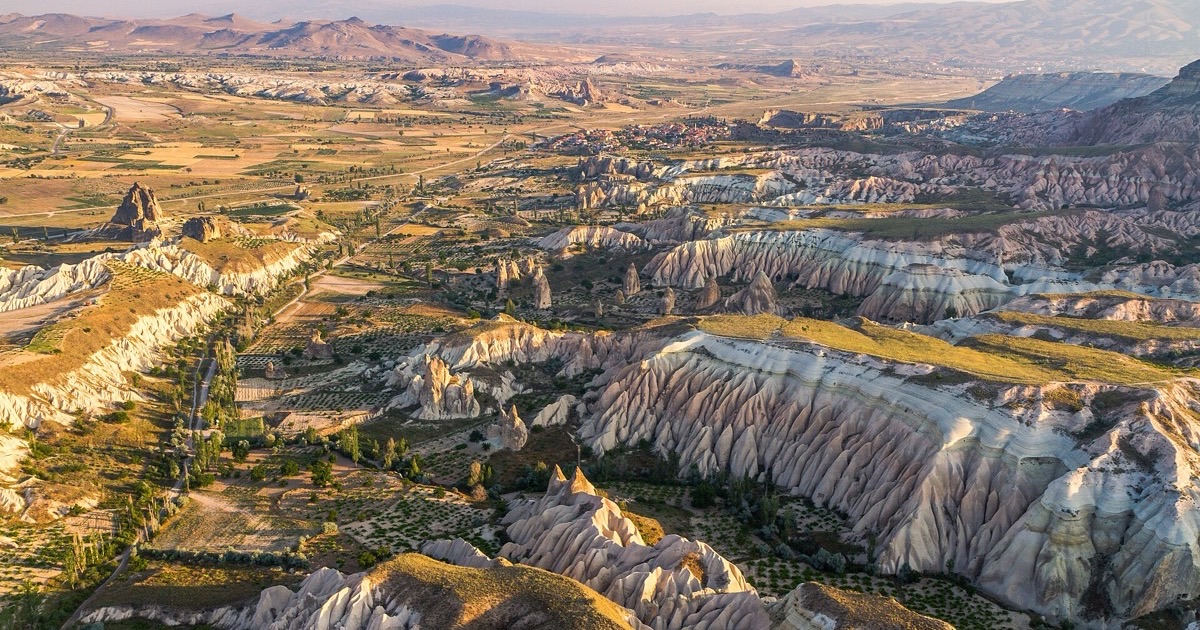
Travelers who love a good glass of wine will find the Cappadocia wine tasting guide an essential companion for exploring this historic region. The landscape of fairy‑chimney rock formations hides fertile valleys where volcanic soils nurture distinctive flavors. From bustling wine festivals to quiet cave cellars, Cappadocia offers a spectrum of experiences for both novices and connoisseurs.
What are the must‑visit vineyards in Cappadocia for wine tasting?
The town of Ürgüp hosts several celebrated vineyards, offering tasting rooms where visitors can stroll among vines benefiting from the local microclimate and sample reds that showcase volcanic soil flavors. Some venues also operate small museums explaining the evolution of Turkish wine regions.
Near Avanos, wineries blend traditional methods with contemporary technology, often providing tours of on‑site cellars carved into limestone caves where the cool environment preserves delicate aromatics. Tastings are frequently paired with local dishes to highlight regional cuisine.
In Göreme, family‑run vineyards offer guided walks through terraced vines followed by tastings in historic cave cellars, combining panoramic valley views with intimate wine experiences.
Which indigenous grape varieties should I try in Cappadocia?
Cappadocia’s indigenous grape varieties are the heart of its wine identity. Öküzgözü, a bright red grape native to the region, produces wines with lively acidity and notes of red berries that reflect the volcanic soil’s mineral character. It is frequently highlighted at local wine events.
Another essential variety is Boğazkere, known for its robust tannins and deep, dark fruit flavors. When blended with Öküzgözü, the resulting wine balances power and elegance, a combination often enjoyed alongside traditional pottery kebabs.
White‑wine lovers should seek out Emir, a crisp, aromatic grape that thrives on the high‑altitude slopes. Its light body and citrus profile make it a refreshing counterpart to richer reds, and it is commonly served as a palate cleanser during cellar tours.
| Grape Variety | Typical Flavor Profile | Best Pairing |
|---|---|---|
| Öküzgözü | Red berries, bright acidity, mineral edge | Grilled lamb, eggplant stew |
| Boğazkere | Dark fruit, firm tannins, spice | Slow‑cooked beef, aged cheese |
| Emir | Citrus, floral notes, crisp finish | Seafood mezze, fresh salads |
How can I book a wine tasting tour in Cappadocia?
Many wineries provide online reservation options, but contacting the winery directly via email a few weeks ahead of your visit is often the most reliable way to secure a spot and obtain up‑to‑date information on tasting fees, which can vary depending on food pairings or private cellar access.
Local travel agencies specialize in wine tourism and can arrange comprehensive tours that include transportation between vineyards. Look for packages mentioning minibus shuttles or guided walking routes for efficient multi‑vineyard visits.
For travelers who prefer flexibility, several hotels in Göreme and Ürgüp partner with nearby wineries to offer on‑site booking desks. Staff can help create a customized itinerary that fits your schedule.
What is the best time of year to taste wine in Cappadocia?
Spring, from late April through early June, offers a balance of mild temperatures and vibrant vineyard activity. During this window the indigenous grape varieties begin to ripen, prompting many wineries to open their tasting rooms earlier than in the peak summer months. Cooler mornings are ideal for sampling white and rosé wines while the fairy‑chimney landscape remains lush.
Autumn, especially September and October, is the second optimal period. Harvest festivals sweep the region, and tours often incorporate visits to vineyards during the picking process. The air carries a subtle mineral scent from the volcanic soil, enhancing the perception of acidity in the wines. Prices for guided tours and cellar visits tend to be slightly lower after the summer rush, making it a budget‑friendly option.
For those who prefer a quieter setting, the shoulder months of May and late September provide fewer crowds and more personalized service. To make the most of the season, consider the following actionable steps:
- Book a tasting appointment at least two weeks in advance, especially for popular wineries in Ürgüp.
- Check local event listings; seasonal wine festivals often include complimentary samplings.
- Arrange transportation through a reputable tour operator who offers a driver familiar with the region’s winding roads.
- Bring a small notebook to record tasting impressions; many vineyards provide a tasting sheet that helps track preferences.
Where are the most scenic wine cellar caves in Cappadocia?
In the village of Uçhisar, a network of limestone caves has been converted into boutique cellars where the cool, constant temperature preserves the delicate aromatics of the region’s red blends. The natural dim lighting creates an intimate backdrop for tasting sessions, and staff often pair each pour with locally sourced dried fruits or nuts.
Another standout location is the historic cellar in Göreme, accessible via a short walk from the town centre. This site features expansive underground chambers originally used for food storage centuries ago. The cavernous space offers a unique acoustic experience and showcases a curated selection of regional wine varieties, including robust reds and aromatic whites.
In the southern part of the region, Avanos hosts a complex of interconnected caves carved into soft tuff. Visitors can move from one tasting room to another, each highlighting a different producer. Evening visits are especially atmospheric when candlelight accentuates the stone walls.
How do Cappadocia’s volcanic soils affect the flavor of its wines?
The volcanic ash and basaltic layers that underlie the region’s vineyards impart a distinct mineral character to the grapes. This influence is most evident in the white wines made from Emir, where a faint flintiness accompanies bright citrus acidity. The soil’s high porosity also encourages deep root development, allowing vines to draw water and nutrients from varied strata, which contributes to complex flavor layers.
Red varieties such as Öküzgözü and Boğazkere benefit from the iron‑rich components of the volcanic soil. These elements lend a subtle earthiness and a firm tannic structure that ages well in the cool environment of Cappadocia cave cellars. When paired with hearty regional cuisine—think slow‑cooked lamb or pottery‑baked eggplant—the wines reveal a harmonious balance between acidity and savory depth.
For enthusiasts interested in exploring nuances, a comparative tasting of the same grape from vineyards on volcanic versus non‑volcanic soils can be enlightening. Many tours now include a segment where guides explain how micro‑climates and slope orientation interact with the volcanic foundation to shape each bottle’s profile.
What food pairings complement Cappadocia’s local wines?
The region’s mineral‑rich wines pair naturally with dishes that highlight fresh herbs and earthy flavors. A glass of Emir works well with creamy cheese plates featuring locally produced goat cheese, walnuts, and a drizzle of honey. The wine’s subtle citrus notes cut through the richness while echoing the cheese’s tang.
For robust reds such as Öküzgözü, think of slow‑cooked lamb stews, oven‑roasted eggplant, and dishes seasoned with sumac and thyme. The tannic structure balances the fattiness of the meat, while the fruit‑forward profile mirrors caramelized vegetables. Pairing a glass of red with traditional testi kebab—meat and vegetables cooked in a sealed clay pot—creates a harmonious dialogue between earth and fire.
Seafood lovers will appreciate lighter reds and aromatic whites alongside grilled trout from nearby streams, served with a lemon‑herb vinaigrette. The mineral edge of the wines enhances the fish’s delicate flavor without overwhelming it.
Seasonal wine events in Cappadocia
Cappadocia hosts a series of seasonal events that bring together winemakers, chefs, and travelers. Autumn harvest festivals often feature vineyard tours, barrel tastings, and workshops focused on grape‑picking techniques unique to the region’s steep terraces. Spring celebrations may combine hot‑air balloon flights with curated tasting programs across several cave cellars.
How much does a typical wine tasting experience cost in Cappadocia?
Pricing varies according to the venue, the number of wines sampled, and whether a guided component is included. A basic tasting at a family‑run cellar, featuring three to four pours, usually involves a modest entry fee (check current prices). This often includes a brief introduction to the vineyard’s history and a tasting sheet.
Mid‑range experiences that add a guided tour of underground storage chambers and a selection of five to six wines typically fall into a moderate price bracket. Many of these packages also provide a small plate of local olives, cheese, or dried fruits.
Premium offerings—such as private tastings in historic cave restaurants paired with multi‑course menus—can command higher fees. These experiences often feature reserve bottles, detailed winemaker talks, and the option to purchase bottles directly from the cellar at a discounted rate.
Practical Tips for Visiting Cappadocia
- Plan Transportation Early: Arrange a shuttle or private driver ahead of time, especially if you intend to visit multiple vineyards spread across the region.
- Dress for the Climate: Even in summer, cave cellars stay cool; bring a light jacket for comfort during tastings.
- Reserve Tastings in Advance: Popular cellar tours fill quickly during festival periods; booking online helps secure your spot.
- Bring a Small Notebook: Recording tasting notes helps you remember favorite labels and share feedback with winemakers.
- Consider a Guided Wine Tour: Local guides can navigate the terrain, translate producer stories, and suggest optimal pairings.
- Stay Hydrated: Alternate wine pours with water to maintain palate clarity, especially when sampling multiple varieties.
- Check Return Policies: Some wineries allow on‑site purchases to be shipped home; confirm shipping options before you buy.
Editor's Note: Recent wine calendars reflect a growing focus on sustainable viticulture. Many vineyards now employ organic practices, and several festivals feature panels on climate‑smart winemaking, offering visitors insight into the future of Turkish wine.
Recommended Cappadocia Activities
Frequently Asked Questions About Cappadocia
Which winery in Cappadocia is best for beginners?
Many wineries in Ürgüp offer structured introductory tastings that explain the region’s signature grapes. The tasting rooms are spacious and comfortable, allowing newcomers to sample a range of styles from crisp whites to light reds.
Do I need a reservation for wine tasting in Cappadocia?
While many vineyards accept walk‑ins during peak hours, making a reservation guarantees a spot, especially for guided tours or private tastings. You can usually reserve online or by phone a few days before your visit.
Are there vegan or vegetarian food options with the wine tastings?
Most wineries pair their wines with small plates that include vegetarian and vegan choices such as grilled halloumi, roasted vegetables, and olive tapenades. Some locations specifically label vegan‑friendly items, and staff are happy to accommodate dietary restrictions when asked in advance.
How long does a typical wine tasting tour last?
A standard tasting session, including a brief vineyard walk and guided explanation, usually lasts between ninety minutes and two hours. The length can vary depending on the number of wines sampled and whether food pairing is included.
Can I purchase bottles directly from the vineyards?
Yes, most vineyards have an on‑site shop where you can buy the wines you tasted, often at a discount compared to retail outlets. Some estates also offer limited‑edition bottles that are only available at the cellar. Payment can be made by cash or major credit cards, and staff can arrange shipping to your home country if needed.
Is it possible to join an English‑speaking wine tasting tour?
Many of the larger wineries provide tours in English, especially during the tourist season. You can request an English‑speaking guide when you book, and they will lead you through the tasting while explaining the history and terroir.
What is the legal drinking age for wine tasting in Turkey?
The legal drinking age in Turkey is eighteen years old. Visitors under this age are generally not permitted to sample alcoholic beverages, although some vineyards may allow them to join the tour without tasting. Identification may be requested at the entrance of the tasting room.
Are there any age‑restricted areas in the vineyards?
Access to certain cellar sections and production areas is limited to adults for safety and regulatory reasons. These zones are usually marked, and staff will guide younger visitors to public areas where they can still enjoy the scenery.
How do I get to the most popular wineries from Göreme?
Local minibusses (dolmuş) run regular routes to Ürgüp and Avanos, where many wineries are clustered. Taxis are also readily available and can be a convenient option for direct travel. Several tour operators in Göreme offer shuttle services that include multiple vineyard stops.
What safety measures are in place for tourists during wine tours?
Vineyards follow standard health protocols, including regular sanitization of tasting glasses and common surfaces. Staff are trained in basic first aid, and most locations have clearly marked emergency exits. During peak seasons, some estates limit group sizes to ensure comfortable spacing and attentive service.
Exploring the region’s vineyards offers a hands‑on way to understand Cappadocia’s emerging wine culture, and this guide equips travelers with practical details needed for a smooth visit. By planning ahead and respecting local regulations, you can enjoy a memorable tasting journey through one of Turkey’s most distinctive terroirs. Safe travels and cheers to new discoveries.
More Cappadocia travel guides
- Romantic Cappadocia Sunset Wine Tours for Couples
- Secret Spots in Cappadocia: Exploring the Dark Churches
- Step-by-Step Guide to Hiking the Rose Valley in Cappadocia
- The Best Way to Explore Cappadocia's Underground City
- Understanding the Local Culture and Etiquette in Cappadocia
- Best Time to Visit Cappadocia for Fairy Chimney Hiking
Cover photo: Cappadocia Aerial View Landscape.jpg by Benh LIEU SONG (Flickr) · CC BY-SA 4.0 via Wikimedia Commons
Plan your trip
Book Istanbul attraction tickets
Skip-the-line tickets and guided tours for Istanbul's top sights, with mobile tickets and flexible cancellation.
See tickets on TiqetsWe may earn a commission from bookings made through this link, at no extra cost to you.
Travel Community
Heading to Cappadocia?
Connect with fellow travelers going to Cappadocia, swap first-hand tips, and find travel companions for your dates — free to join.
Connect with Cappadocia travelersReviewed by our editor for Türkiye & the Eastern Mediterranean
Elif DemirTürkiye & Eastern Mediterranean Editor
Travel writer covering Türkiye and the Eastern Mediterranean, from Istanbul's old city to the Aegean coast.
More articles by Elif Demir →