
Travelers drawn to the rolling hills of northern Thailand often wonder how to make their journey align with the values of ethical travel Chiang Mai…
Travelers drawn to the rolling hills of northern Thailand often wonder how to make their journey align with the values of ethical travel Chiang Mai Karen village. The long‑neck Karen community offers a vivid glimpse into a living culture, but the experience can easily slip into exploitation without careful planning. Below is a practical guide that balances curiosity with respect, ensuring your visit supports the people who call this landscape home.
How can I visit the Karen Long Neck Village in Chiang Mai responsibly?
Start by researching community‑based tourism operators that have agreements with the village. These groups typically share a portion of tour fees directly with households, helping fund schools, clean‑water projects, or healthcare initiatives. Look for transparent pricing, clear statements about where money goes, and a commitment to cultural sensitivity. Booking through a reputable local cooperative rather than a generic travel agency helps keep the economic benefit within the community.
When you arrive, adopt an eco‑friendly travel mindset. Use reusable water bottles, avoid single‑use plastics, and stay on designated paths to protect the surrounding forest. Respect personal space; many women wear the brass coils that lengthen their necks, and these are not props for photographs. Ask permission before taking any picture, and be prepared to put the camera away if asked. This simple act of respectful photography demonstrates human‑rights tourism in practice.
What are the main ethical concerns when touring long‑neck Karen villages?
The most pressing issue is the potential for voyeuristic tourism that reduces a living culture to a spectacle. Tourist impact can manifest as altered daily routines, pressure to perform for visitors, or the commodification of traditions. A responsible approach means observing without interfering, and recognizing that the village’s way of life is not a performance but a daily reality.
Another concern involves fair‑trade souvenirs. Many stalls sell handicrafts that are mass‑produced elsewhere but marketed as authentic. Choose items that are clearly made by the villagers, and verify that the seller receives a fair price. This supports local economies and discourages exploitative supply chains.
| Aspect | Ethical Option | Problematic Option |
|---|---|---|
| Tour Provider | Village‑run cooperative | Large multinational tour company |
| Souvenir Source | Hand‑crafted by villagers | Imported mass‑produced goods |
| Photography | Ask permission, limit shots | Snap without consent |
| Contribution | Direct donation to community fund | Unclear fee distribution |
Which local organizations support sustainable tourism in Chiang Mai’s hill tribes?
Several NGOs and community groups focus on sustainable tourism in northern Thailand. One such organization runs a volunteer tourism program that matches travelers with educational projects, such as teaching English or assisting with agricultural workshops. Their model emphasizes human‑rights tourism, ensuring volunteers receive proper training and that projects align with the community’s own priorities.
Another group operates a network of eco‑lodges that follow strict environmental standards: solar power, waste‑reduction systems, and locally sourced food. Staying at these lodges contributes to the broader goal of sustainable tourism in northern Thailand while providing a comfortable base for exploring the hill tribes.
Finally, a cooperative of Karen artisans offers a marketplace where a percentage of each sale funds health clinics and school supplies. Engaging with this cooperative not only provides fair‑trade souvenirs but also demonstrates a concrete way to support local communities Chiang Mai residents rely on.
How does my visit impact the Karen community’s livelihood and culture?
Every interaction you have in the long‑neck Karen village creates a ripple effect. When you purchase a hand‑woven textile directly from a weaver, the income stays within the family and funds education, healthcare, and the upkeep of communal spaces. By choosing locally managed channels, you help maintain a self‑sustaining economy rather than a cash‑only tourism model that can erode traditional practices.
The cultural dimension is equally important. Visitors who attend a cooking demonstration or a storytelling circle contribute to the transmission of intangible heritage. When the community sees genuine curiosity, elders are more likely to share rituals, songs, and oral histories that might otherwise be hidden from outsiders. However, the opposite can happen if tourists treat the village as a backdrop for selfies; that can commodify sacred symbols and encourage performers to alter their art for entertainment value. Your awareness of this balance determines whether your presence reinforces or weakens cultural continuity.
What guidelines should I follow for respectful photography in the village?
Photography is a powerful tool, but it must be exercised with consent and sensitivity. Before raising a camera, ask a community member if it is appropriate to capture the scene. In many Karen households, certain spaces—such as the family altar or areas where women are preparing traditional dress—are considered private. If permission is granted, keep the flash off to avoid startling children and to preserve the natural ambiance of the setting.
- Ask for explicit permission before photographing individuals, especially children.
- Respect signs or verbal cues indicating “no photography” zones.
- Offer to share the final images with the people you photographed; some villages create communal photo albums.
- Limit the number of shots per subject to avoid turning a cultural moment into a performance.
- When posting online, include context that acknowledges the community’s name, location, and the purpose of the visit.
These practices protect personal dignity and ensure that visual documentation supports, rather than exploits, the community’s narrative. Remember that a single respectful image can raise awareness about the village’s needs and achievements, while an intrusive photo can cause lasting discomfort.
Are there certified ethical tour operators for the Karen Long Neck Village?
Several locally registered agencies have earned recognition from Thailand’s sustainable‑tourism authorities for adhering to strict ethical standards. These operators typically require all guides to complete a cultural‑sensitivity workshop, guarantee that a portion of tour fees goes directly to community projects, and enforce a visitor cap that aligns with the village’s capacity to host guests without strain. Booking through such a provider reduces the risk of supporting unregulated “photo‑op” tours that prioritize profit over people.
When evaluating a tour company, look for transparent pricing, clear statements about how funds are allocated, and evidence of long‑term relationships with the Karen village. Many operators publish annual impact reports that detail improvements in school attendance, health outcomes, and infrastructure upgrades linked to tourism revenue. By choosing a certified partner, you reinforce a model of responsible tourism Chiang Mai that can be replicated across northern Thailand.
How can I ensure my money directly benefits the Karen people?
Choose community‑run enterprises that publish transparent financial statements. Many villages operate cooperatives for weaving, agriculture, and homestay services; these groups typically allocate a fixed percentage of sales to communal projects such as school supplies, clean‑water infrastructure, and health clinics. When you purchase a hand‑crafted item, ask the vendor whether the proceeds are shared with the weavers and if any portion funds village development.
Pay in cash or through the official village account rather than through third‑party travel agencies that take a commission. Direct payment reduces the risk of leakage and guarantees that the full amount reaches the intended beneficiaries. If you book a homestay, confirm that the nightly rate includes a community levy earmarked for education or cultural preservation.
What cultural customs should I observe when interacting with Karen families?
Greeting a Karen household usually involves a slight bow and the phrase “Sabaidee” (hello) spoken in the local dialect. Removing shoes before entering a home is a sign of respect; a small offering of fruit or tea is appreciated and helps to establish goodwill.
During meals, wait for the host to invite you to begin eating. Sharing food from a communal bowl is common, and it is polite to take only a modest portion at first, allowing others to serve themselves. Photography should be approached with caution: always ask permission before taking a portrait, and never photograph children without explicit consent.
| Custom | Do | Don’t |
|---|---|---|
| Greeting | Bow slightly, say “Sabaidee” | Ignore the greeting ritual |
| Shoes | Leave them at the entrance | Walk inside with shoes on |
| Photography | Ask before snapping | Take pictures without consent |
| Meal etiquette | Wait for host to start | Begin eating immediately |
Can I volunteer or contribute to community projects in Chiang Mai’s hill tribes?
Short‑term volunteer programs are available through NGOs that partner with Karen villages. These projects often focus on language teaching, environmental monitoring, or building modest infrastructure. Before committing, verify that the organization follows a “capacity‑building” model, meaning volunteers work alongside locals rather than replacing them.
Financial contributions can be made to community funds that support specific initiatives, such as a solar‑panel installation or a rain‑water collection system. Transparency is key: request a project brief that outlines goals, timelines, and how funds will be allocated. Avoid “voluntourism” packages that promise a single day of work followed by a luxury resort stay, as they typically provide limited benefit to the host community.
Editor’s Note: Ethical travel is a continuous learning process. Local customs evolve, and community priorities shift. Checking recent visitor reviews and speaking with village representatives before your trip helps ensure that your actions remain aligned with current needs.
Practical Tips for Visiting Chiang Mai
- Research before you go: Identify village cooperatives that have been audited by third‑party organizations and note their preferred payment methods.
- Carry small denominations: Exact change simplifies transactions and prevents the need for the host to make change, which can be costly.
- Learn basic phrases: A few words in the Karen language, such as greetings and thank‑you expressions, demonstrate respect and openness.
- Respect privacy: If a resident declines a photo, accept the decision without argument and shift the conversation to other topics.
- Limit your footprint: Use refillable water bottles and biodegradable toiletries to reduce waste that could affect local ecosystems.
- Plan a flexible itinerary: Allow extra time for community meetings or cultural activities that may arise spontaneously.
- Leave a written review: Positive feedback on community‑run platforms helps attract responsible travelers and supports local economies.
Recommended Chiang Mai Activities
Frequently Asked Questions About Chiang Mai
Is it ethical to take photos of the women with elongated necks in the Karen village?
Taking photos can be respectful if you first ask permission and explain how the image will be used. Many women appreciate being portrayed positively, but some feel uncomfortable with the focus on their bodies. Avoid flash and intrusive angles that highlight the jewelry rather than the person. Respect a “no” answer without argument.
How much should I tip or donate when visiting a Karen Long Neck Village?
There is no fixed amount; a modest contribution appropriate to the length of your stay works well. Offer the money directly to the community leader rather than a middleman. Always ask what the funds will support before giving.
Are there any tour companies that are certified as ethical in Chiang Mai?
Several operators have earned certifications from regional sustainable‑tourism bodies, indicating adherence to community‑first policies. Look for logos from recognized ecotourism associations on their website and marketing material. Verify that they employ local guides and that a clear portion of fees returns to the villages. Choosing such a company reinforces ethical travel practices.
What are the best ways to support Karen artisans without exploiting them?
Purchase items directly from cooperatives that set fair‑price guidelines and keep records of sales. Ask the seller how the income is shared among the family and community, and prefer products with transparent pricing. Encourage the artisans to display their own branding, which helps them build reputation beyond the market. Avoid middlemen who inflate prices without returning profits.
Can I stay overnight in a Karen village, and is that considered ethical?
Overnight homestays exist, but they should be arranged through community‑run platforms that guarantee consent and fair compensation. The host family will outline house rules, including curfew times and private areas. Paying the agreed rate directly supports the household and discourages unauthorized rentals. Respecting the family’s schedule and customs makes the stay an ethical choice.
What should I wear and bring to show respect when visiting the Karen community?
Choose modest clothing that covers shoulders and knees; long skirts or loose trousers work well. Bring a light jacket for cooler mornings at higher elevations. A reusable water bottle and a small amount of cash for donations are practical items. Avoid bright neon colors that may clash with the village’s natural palette.
How does tourism affect the tradition of neck‑elongation among the Karen people?
Tourism creates a market for the jewelry, which can encourage families to continue the practice for economic reasons. Some younger members view the tradition as a cultural brand rather than a personal choice, leading to mixed feelings within the community. Ethical operators aim to present the practice as a living heritage, not a spectacle. Open dialogue with villagers helps travelers understand the nuanced impact.
Are there community‑run homestays available in Chiang Mai’s hill tribes?
Yes, several villages manage their own guest rooms through cooperatives that set standards for hygiene and fair wages. Booking is usually done online via platforms that verify the host’s affiliation with the community council. Guests receive a schedule that includes cultural activities, allowing them to participate without disrupting daily routines. This model supports local economies while preserving autonomy.
What are the signs of a responsible tour operator for hill‑tribe visits?
Transparent pricing that separates guide fees, transportation, and community contributions is a key indicator. Operators who provide written agreements outlining how much of each payment returns to the village demonstrate accountability. They also employ guides who are members of the community and speak the local language. Finally, they avoid itineraries that rush through sacred sites or require intrusive photography.
How can I learn more about the history and culture of the Karen before my trip?
Start with reputable books and documentaries produced by Thai universities or international anthropologists. Attend local workshops or talks in Chiang Mai that feature Karen scholars and artists. Online courses offered by cultural NGOs provide structured lessons and often include downloadable resources. The more background you bring, the better you can engage respectfully on the ground.
Travelers who prioritize ethical travel Chiang Mai Karen village experiences leave a lasting, positive imprint on the community. By listening, paying fairly, and supporting locally run initiatives, visitors help preserve traditions while fostering sustainable livelihoods. Remember that every respectful interaction contributes to a more equitable future for the hill‑tribe peoples of northern Thailand.
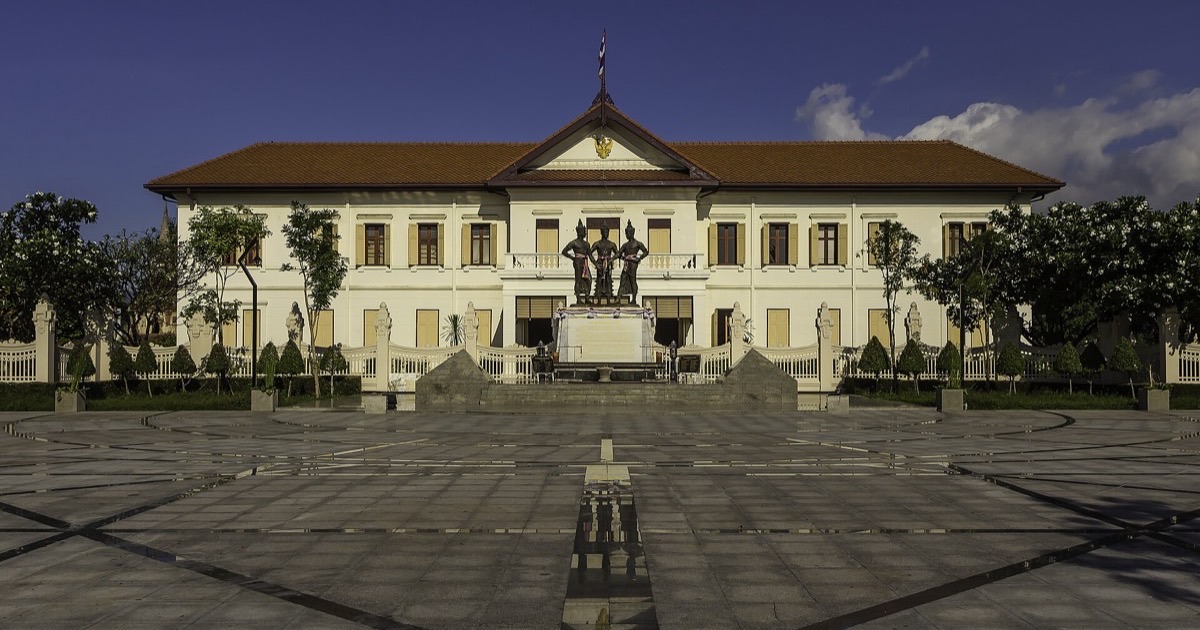
Cover photo: Chiang Mai - Chiang Mai City Art and Cultural Center - 0001.jpg by Stefan Fussan · CC BY-SA 3.0 via Wikimedia Commons
More Chiang Mai travel guides
- Unlock 3D Illusions: Chiang Mai's Art in Paradise Photo Plan
- Chiang Mai Northern Thai Cooking Class: Learn 5 Dishes
- Quietest Time to Visit Doi Suthep Temple in Chiang Mai
- How to Pick an Ethical Elephant Sanctuary in Chiang Mai Secr
- Cliff Jumping Inflatable Pad: Safety Tips
- Chiang Mai Hill Tribe Trek: 2-Day Adventure to Remote Villages
Plan your trip
Tours, tickets & activities
Browse and book experiences, attraction tickets and day trips on Klook, with instant confirmation.
Explore experiences on KlookWe may earn a commission from bookings made through this link, at no extra cost to you.
Travel Community
Heading to Chiang Mai?
Connect with fellow travelers going to Chiang Mai, swap first-hand tips, and find travel companions for your dates — free to join.
Connect with Chiang Mai travelersReviewed by our editor for Asia & the Middle East
Sarah ChenAsia & Middle East Editor
Travel writer covering Southeast Asia, East Asia and the Gulf — temples, street food and modern cities.
More articles by Sarah Chen →