
Americas & Practical Travel Editor
Published September 3, 2026 · Reviewed September 3, 2026
Planning a trip to the ancient pyramid of Chichen Itza with little explorers? Kid friendly Chichen Itza tours are designed to blend education, comfort, and fun, so…
Planning a trip to the ancient pyramid of Chichen Itza with little explorers? Kid‑friendly tours are designed to blend education, comfort and fun, so the whole family can enjoy the wonder of the Mayan ruins without stress. This guide pulls together recent tour reviews, practical travel tips and safety advice to help you pick the right option for your crew.
What makes a Chichen Itza tour kid friendly?
A kid‑friendly tour starts with a guide who can translate the stone carvings and legends into stories that capture a child’s imagination. Look for guides who use visual aids, simple language and interactive questions rather than a one‑way lecture. Guides who pause for “did you know?” moments and encourage kids to spot specific symbols keep attention levels high and make the ancient architecture feel alive.
Logistics matter just as much as storytelling. Family tours typically include early‑morning departures to avoid the midday heat, shaded rest stops and easy‑access pathways for strollers or carriers. A comfortable pace—generally a short walk with frequent breaks—helps prevent fatigue while allowing time for photo ops and quick snack breaks.
Finally, the inclusion of hands‑on elements such as printable scavenger sheets, reusable water bottles or small artifact replicas turns passive observation into active learning. When these components are bundled into the price, the experience feels both affordable and enriching for children of different ages.
How can I keep children engaged during a visit to Chichen Itza?
Preparation starts at home. A concise kids guide can introduce basic concepts—like the purpose of the ball court or the significance of the feathered serpent deity—so children arrive with a sense of curiosity. Packing a lightweight backpack with sunscreen, a hat and a few snacks ensures comfort without constant interruptions.
On site, interactive activities make the ruins feel like a playground of history. Many tours provide an “Explorer Kit” that includes a map with icons, a magnifying glass for close‑up stone work and a simple quiz that rewards correct answers with stickers. Encouraging kids to act out the role of a Maya priest or to count the steps of the Temple of Kukulcán adds a playful layer to the educational content.
| Tour Option | Guide Experience | Activity Kit | Duration | Price Range |
|---|---|---|---|---|
| Standard Family Tour | Certified local guide with basic kids’ storytelling | Printed scavenger sheet | around 3 hours | moderate |
| Interactive Kids Tour | Guide trained in child‑focused education | Explorer Kit (map, magnifier, stickers) | about 3½ hours | slightly higher |
| Private Guide Package | Personalized guide, flexible pacing | Custom activity set, optional costume props | 4 hours or more | premium |
Choosing the right option depends on your family’s rhythm and budget. If you want a structured experience with built‑in games, an interactive kids tour is often highlighted in reviews. For a more relaxed schedule that can adapt to nap times or spontaneous detours, a private guide package provides flexibility.
Which local guides offer the best family tours at Chichen Itza?
Local operators that specialize in family travel tend to receive consistent praise for safety protocols and kid‑centric storytelling. Guides who are bilingual and have backgrounds in education often incorporate simple explanations of Mayan astronomy, the calendar stone and the echo‑acoustic effects at the ball court.
When evaluating options, check recent traveler feedback on platforms that aggregate tour reviews. Look for comments about the guide’s patience, the clarity of explanations and how well the group handled unexpected weather changes. Guides who provide a brief pre‑tour briefing about the site’s layout and safety rules help parents feel confident from the moment the bus arrives.
Affordability is another key factor. Many family‑focused tours bundle entrance tickets, transportation from major Yucatán hubs and activity kits into a single price, eliminating hidden costs. Comparing a few reputable providers side by side will reveal which offers the best blend of value, expertise and child‑friendly amenities.
What is the average cost of a family‑friendly Chichen Itza tour?
Prices are generally comparable to adult tickets plus an additional modest fee for guide services and transport. Child entry is often discounted, and total costs for a family of four typically fall within a moderate range; exact amounts vary by provider, season and inclusions, so it’s best to check current rates.
Private tours that focus on interactive storytelling may carry a higher price due to the extra time spent on activities such as treasure‑hunt style games or short workshops. These options can increase the per‑person cost, especially when additional experiences like a cenote visit are added.
Travelers who book through reputable local platforms sometimes receive small discounts for early reservations or larger groups. Comparing options before you book helps keep the budget under control while still delivering a kid‑centric experience.
Are there any discounts or packages for kids at Chichen Itza?
Many operators recognize that families travel with limited budgets and therefore offer a range of concessions. Children under five often enter for free when accompanied by a paying adult, while those aged five to twelve usually receive a reduced rate. Some tours bundle a souvenir or an educational game into the price, providing extra value without raising the headline cost.
Seasonal promotions may combine the main site visit with a secondary activity such as a swimming lesson at a nearby cenote, offering savings compared with purchasing each element separately. Booking through local travel agencies or directly on the official park website can also unlock coupon codes that apply to the entrance fee (policies change — verify with official sources).
- Free entry for children under 5 when an adult ticket is purchased (policies change — verify).
- Reduced fee (approximately half price) for ages 5‑12 (policies change — verify).
- Group discount for parties of six or more, applied to both adults and children (policies change — verify).
- Family bundle that includes a guided tour, snack pack and a simple Maya craft activity.
- Early‑bird online discounts are sometimes offered for advance bookings (policies change — verify).
- Combo tickets with a cenote visit can lower the total cost per person (policies change — verify).
- Loyalty programmes may provide credits for repeat bookings (policies change — verify).
What should I pack for a day trip to Chichen Itza with kids?
The Yucatán climate remains hot and humid for most of the year, so sun protection is essential. Pack wide‑brimmed hats, sunscreen with at least SPF 30 and lightweight, long‑sleeve shirts to guard against both sunburn and insects. Refillable water bottles are a must; many tours provide refill stations, but having your own supply reduces the need for frequent stops.
Comfortable footwear cannot be overstated. The site features uneven stone steps and sandy pathways, so closed‑toe shoes with good grip keep little feet safe. A small daypack that can hold snacks, a light jacket for early‑morning breezes and a reusable bag for any souvenirs helps keep the group organized.
Consider a few items that turn the visit into a learning adventure. A pocket notebook and coloured pencils allow children to sketch glyphs or jot down observations. A compact binocular set adds excitement when spotting distant stone carvings. Finally, a basic first‑aid kit with band‑aids, antiseptic wipes and any personal medications ensures you’re prepared for minor bumps.
How long does a typical kid‑friendly Chichen Itza tour last?
Most operators design a family‑oriented itinerary that runs between three and four hours from the moment you step onto the site. The first half‑hour usually covers a brief orientation at the entrance, where a guide explains the layout and points out the most engaging features for younger travelers. After that, the group moves at a relaxed pace, pausing at the iconic El Kukulkan pyramid, the Great Ball Court and the Temple of the Warriors. Each stop includes a short storytelling segment that translates ancient symbolism into a narrative children can follow.
When the tour is booked through a local guide service, a mid‑tour water break is built in, allowing kids to rehydrate and stretch. Some companies add a brief “explorer’s corner” where families can climb a safe, low‑level platform for a closer view of the stone carvings. The final segment typically consists of a quick Q&A session, giving children a chance to ask about the Maya calendar, astronomy or the legends that surround the site.
What safety tips should I know when touring Chichen Itza with children?
Visiting an archaeological zone presents unique challenges, especially with energetic youngsters. The terrain is uneven and the sun can be intense even in the early morning. Preparing in advance helps keep the experience enjoyable for everyone.
Keep a clear line of sight on younger members, especially near steep stairways. Bring a basic first‑aid kit, band‑aids and any personal medication your family may need. Respect the site’s preservation rules: no climbing on fragile structures, no touching the carvings and no feeding wildlife that may be present around the perimeter.
- Apply broad‑spectrum sunscreen before arrival and reapply regularly.
- Dress children in light, breathable clothing and a wide‑brimmed hat.
- Encourage steady water intake throughout the visit.
- Use a child‑carrier or harness for toddlers on uneven ground if needed.
- Stay on marked pathways and follow the guide’s instructions regarding restricted areas.
- Carry a small snack to maintain energy during longer pauses.
- Teach kids to report any discomfort or injury immediately.
Which nearby attractions are suitable for families after Chichen Itza?
Once the ancient ruins are behind you, the Yucatán Peninsula offers several child‑friendly stops within an hour’s drive. A popular choice is a large open‑air sinkhole surrounded by jungle foliage; the water is shallow enough for younger swimmers and natural shade reduces glare on the surface.
Another option is the colonial town of Valladolid, about 45 minutes north of the site. Its pastel‑colored streets host a small market where kids can try fresh fruit, and the central plaza features a playground and a gentle fountain. The nearby convent offers a quiet space for a brief rest before heading back to the hotel.
If your schedule allows, consider a short excursion to the lesser‑known Ek Balam ruins. The site includes a climbable pyramid that is not as steep as El Kukulkan, making it more approachable for children who enjoy a little adventure.
How do I book a reputable kid‑friendly Chichen Itza tour online?
Start by filtering tours on well‑known platforms for “family” or “kids” tags. Look for operators that list a certified local guide, a clear safety policy and an itinerary that includes frequent breaks. The description should mention interactive elements such as storytelling, hands‑on artifact replicas or a simple scavenger hunt designed for younger travelers.
Read the cancellation terms before you pay; many providers allow a full refund up to 48 hours before departure if a child cannot attend (policies change — verify). Once you have a shortlist, compare total cost, what is included (transport, entrance fee, meals) and average rating. Booking directly through the operator’s website often gives access to a live chat where you can ask about stroller accessibility or dietary accommodations.
What do traveler reviews say about family tours at Chichen Itza?
Parents consistently highlight guides who speak in plain language and pause to answer spontaneous questions from kids. Reviews note that tours which incorporate a brief “Maya myth” segment keep children engaged while walking between the Pyramid of Kukulcán and the Ball Court. Several families mention that a small “explorer kit” – a map, a pencil and a sticker sheet – turns the walk into a game and reduces restlessness.
Negative feedback usually points to overly long drives or a lack of shade during the midday heat. The most praised tours schedule a short stop at the on‑site souvenir shop where children can choose a simple, inexpensive keepsake, and they provide bottled water and a shaded seating area before re‑entering the site.
Sources & Further Reading
Recommended Itza Activities
Frequently Asked Questions
Is it necessary to hire a guide for a family visit to Chichen Itza?
A guide is not mandatory, but a knowledgeable local can translate the history into stories that capture a child’s imagination. Guides also help navigate the site efficiently, point out child‑friendly viewpoints and ensure you stay on designated paths, adding an extra layer of safety for younger travelers.
What age is appropriate for children to visit Chichen Itza?
Most families find children aged five and up can appreciate the main structures and enjoy interactive elements. Toddlers can still attend, but be prepared for frequent pauses, limited walking stamina and the need for a carrier or sturdy stroller.
Are strollers allowed inside the Chichen Itza archaeological site?
Yes, the site permits strollers on the main walkways, though some narrow passages may require you to lift the stroller briefly. Choosing a lightweight, foldable model makes it easier to maneuver around stone columns and steps.
How can I avoid long lines when touring Chichen Itza with kids?
Book an early‑morning departure to beat peak tourist influx. Many operators offer “early‑bird” slots that include fast‑track entry, and purchasing tickets in advance through the official portal reduces wait time at the gate.
What are the best times of day to visit Chichen Itza with a family?
Early morning provides cooler temperatures, softer light for photos and fewer crowds. If you prefer a later slot, aim for late afternoon when the sun begins to lower, but bring ample sun protection and water.
Are there restroom facilities and baby changing stations at Chichen Itza?
Restroom buildings are located near the main entrance and close to the Visitor Center. Each facility includes a baby‑changing station, though they can become busy during peak hours, so plan a quick stop before starting the main tour.
Do any tour operators provide educational activities for kids at Chichen Itza?
Several family‑focused operators incorporate short workshops where children can assemble a paper replica of the Pyramid of Kukulcán or draw their favorite carving. These activities are usually led by the guide and fit neatly between major sites.
Can I combine a Chichen Itza tour with a visit to cenotes for families?
Many day‑trip packages pair the ruins with a nearby cenote such as Ik Kil or another local sinkhole. The cenote stop offers a safe, shallow swimming area and changing facilities, making it a natural break after the archaeological walk.
What is the refund policy if a child cannot attend a booked tour?
Reputable operators typically allow a full refund or free reschedule if you notify them at least 48 hours before the start time. Some may charge a small administrative fee for changes made within 24 hours, so read the fine print when confirming the reservation.
Are meals included in family‑friendly Chichen Itza tour packages?
Most family tours include a light lunch or snack, often featuring local staples such as tacos, fresh fruit and bottled water. The meal is usually served at a shaded picnic area near the cenote stop, allowing children to refuel before the final leg of the day.
When you finalize your itinerary, double‑check the guide’s credentials, confirm the availability of shade and water, and keep a small backup plan for unexpected weather. A well‑prepared approach turns the ancient site into an engaging classroom for the whole family.
More Mexico travel guides
- Best Cancun Snorkeling Operators 2026: Who Offers Top Value
- Private Cenote Diving Tours in Cancun: Prices & Group Sizes
- Looking to Elevate Your Corporate Retreat Discover Cancun
- Indulge on the Waves: Cancun's Luxury Spa Boat Day Trips
- How to Secure a Private Sunrise Tour of Chichen Itza from Cancun Guide
- Cancun vs Playa del Carmen All-Inclusive Resort Tours: Cost Comparison
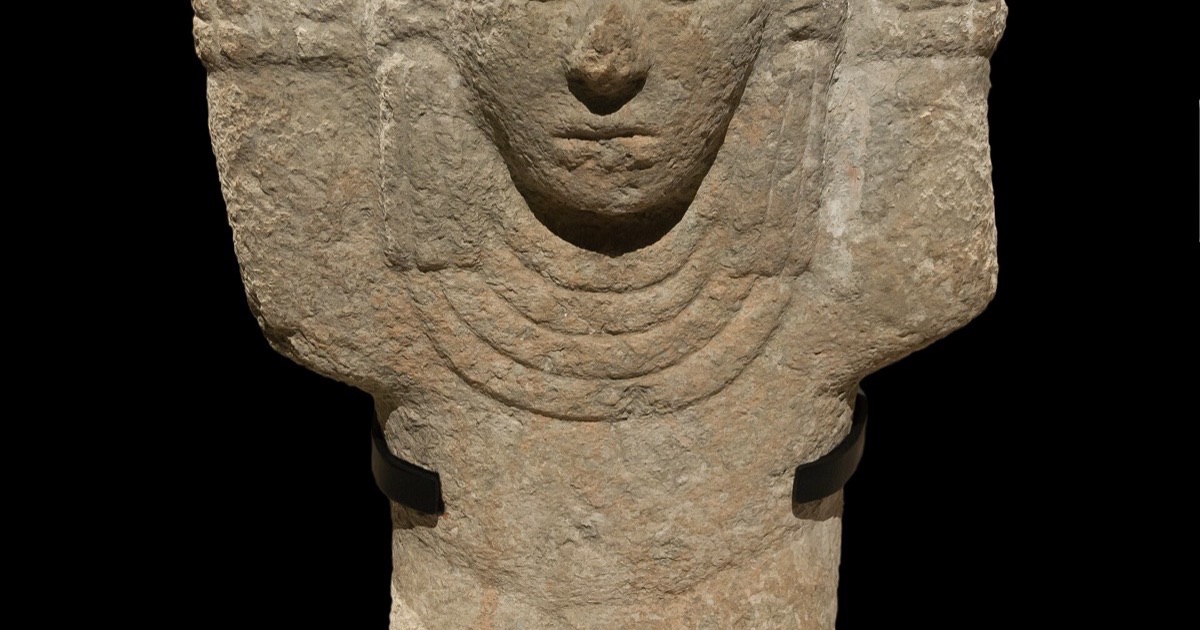
Cover photo: Atlante, Chichen Itza, Mexique.jpg by Jebulon · CC0 via Wikimedia Commons
Reviewed by our editor for the Americas & practical travel
James CarterAmericas & Practical Travel Editor
Travel writer covering the Americas plus the practical side of travel — budgets, eSIMs, visas and logistics.
More articles by James Carter →