
Visiting or settling in the City of Light means learning a few local habits, and waste handling is a top one. This Paris garbage collection guide will walk you
Visiting or settling in the City of Light means learning a few local habits, and waste handling is a top one. This Paris garbage collection guide will walk you through the everyday schedule, the color‑coded recycling system, and the best spots to drop off special items. Mastering these rules not only keeps the streets spotless but also shows respect for the city’s ambitious waste management 2026 plan.
What are the daily garbage collection times in Paris?
Household waste in Paris is collected every day except major public holidays such as May 1st. The exact pickup window varies by arrondissement, but most districts schedule the service between 6 am and 9 am. Residents place their Paris household waste bins on the curb the night before, ensuring the bins are accessible for the early‑morning crews.
Trash pickup times are posted on the the local waste collection schedule, which can be downloaded from the city’s official website. The calendar also highlights occasional adjustments for street cleaning or special events, so checking it regularly helps avoid missed pickups.
For those staying in short‑term rentals, many hosts provide a printed schedule inside the accommodation. If you’re unsure, a quick glance at the nearby street signs—usually a small blue placard—will confirm the daily garbage collection times for that block.
How do I separate recyclables according to Paris regulations?
Paris uses a strict color‑coded system for recycling bins. The yellow bin receives paper, cardboard, and mixed paper; the green bin is for glass bottles and jars; the blue bin collects plastics, metal cans, and drink cartons. Organic waste, often referred to as green waste, goes into a separate brown bin for compostable materials.
The Paris recycling rules also require residents to rinse containers and remove caps before disposal. This practice aligns with the city’s waste separation guidelines and improves the efficiency of the recycling stream. Hazardous waste such as batteries, paint, or electronics must never be placed in regular bins; instead, they belong at designated collection points.
| Bin Color | Accepted Materials | Collection Frequency |
|---|---|---|
| Yellow | Paper, cardboard, mixed paper | Every 2 days |
| Green | Glass bottles, jars, flat glass | Every 3 days |
| Blue | Plastics, metal cans, drink cartons | Every 2 days |
| Brown | Organic waste, food scraps, garden waste | Weekly |
Where can I find the nearest recycling drop‑off point in Paris?
Beyond curbside collection, Paris operates a network of recycling drop‑off points for items that don’t fit into regular bins. These sites accept bulky waste, such as furniture and large appliances, as well as hazardous materials like batteries and paint. Locations are listed on the the official city recycling website and are marked with a white “recyclage” sign.
Most neighborhoods have at least one drop‑off point within a 10‑minute walk. For example, the 12th arrondissement’s a local recycling centre handles bulky waste and electronic devices. The center also provides guidance on how to prepare items for safe transport.
If you prefer a more convenient option, many supermarkets and hardware stores host weekly collection boxes for batteries and small electronics. Checking the store’s signage or asking staff can reveal the exact schedule for these convenient drop‑off points.
What items are considered bulky waste and how are they collected in Paris?
Paris classifies furniture, large appliances, mattresses, and garden equipment as bulky waste, often referred to as “déchets encombrants.” These items exceed the capacity of the standard 120‑liter household waste bins and therefore require a separate collection process. The city’s waste management authority updates the Paris waste disposal schedule each year, designating specific streets for bulky‑waste pick‑up based on the arrondissement and the street’s access constraints.
Residents must register their request online or by calling the local “Mairie” office at least 48 hours before the scheduled collection day. Once approved, a yellow “encombrants” sticker is placed on the item, and the item must be positioned at the curb no later than 7 a.m. on the announced trash pickup time. If the item is not correctly labeled or left out after the cut‑off, it will be returned to the address, and a new appointment will be required.
- Check the the city’s bulky‑waste schedule for your arrondissement to know the exact bulky‑waste days.
- Take clear photos of the item and upload them with your online request to avoid delays.
- Keep the item away from the road edge until the collection crew arrives to prevent obstruction.
- Do not place bulky waste on the same day as regular recycling bin collection to avoid fines.
- If you have multiple items, group them by size to reduce the number of required stickers.
How are hazardous materials like batteries disposed of in Paris?
Hazardous waste, including alkaline, lithium‑ion, and rechargeable batteries, follows strict Paris recycling rules. The city provides dedicated collection points at most supermarkets, electronics retailers, and municipal recycling centers. These points are clearly marked with the blue recycling bin color for batteries, aligning with the Paris recycling bins colors scheme that separates metal, paper, glass, and organic waste.
For larger quantities, such as those generated by workshops or long‑term stays, residents can arrange a special pick‑up through the the city’s online waste‑collection service. The service requires a pre‑scheduled appointment, and the containers must be placed in a sealed bag to prevent leakage. The same portal also lists locations for disposing of other hazardous items, like paint cans, fluorescent tubes, and expired medications.
Do I need a special permit to put out trash on the street in Paris?
Ordinary household waste does not require a permit; the Paris household waste bins are placed at the curb by the resident on the designated trash pickup times. However, the city imposes rules on the placement of bins to maintain clear sidewalks and to comply with local traffic regulations. Bins must be positioned no later than 7 a.m. on the collection day and removed by 9 a.m. after the trucks have passed.
Special permits become necessary when disposing of oversized items that cannot be handled through the regular bulky‑waste system, such as construction debris or large metal frames. In those cases, a temporary “déchet de chantier” permit can be requested from the arrondissement’s public works department. The permit outlines the allowed drop‑off location, time window, and any required safety measures, ensuring that the waste does not obstruct pedestrian traffic or emergency routes.
What are the colors and purposes of the different waste bins in Paris?
Paris uses a simple color‑coded system to guide residents and visitors alike. The gray or black bin is designated for non‑recyclable household waste, often called “déchets ménagers.” The yellow bin collects all recyclable packaging, including plastics, metal cans, cardboard, and paper. For organic matter such as kitchen scraps and garden waste, the green bin is used, and it is collected separately for composting. Finally, the blue bin is reserved for glass bottles and jars, which are taken to specialized recycling facilities.
Each bin is clearly labeled with the appropriate recycling symbol and a short French caption (e.g., “déchets recyclables”). The bins are placed on the curb in front of apartments on the designated collection day, and the city enforces strict penalties for mixing waste streams. Understanding the color code helps avoid fines and ensures that recyclable materials re‑enter the circular economy.
How does the Paris waste collection schedule change on public holidays?
When a national or municipal holiday falls on a regular collection day, the service is typically shifted to the next working day. For example, if a Tuesday is a public holiday and Tuesday is the usual day for organic waste, the green bin will be emptied on Wednesday instead. The shift applies to all waste streams, but the city publishes a specific “holiday calendar” each year to avoid confusion.
Special attention is required for the yellow bin, which is collected less frequently (usually every two weeks). If a holiday interrupts a scheduled yellow‑bin pickup, the city may combine the missed load with the following collection, resulting in a slightly larger truck visit. Residents receive SMS alerts or email notices from the local mairie when such adjustments occur.
| Date (2026) | Regular Pickup Day | Holiday Adjustment | Notes |
|---|---|---|---|
| May 1 – Labour Day | Monday (organic) | Moved to Tuesday | Green bin only |
| July 14 – Bastille Day | Thursday (non‑recyclable) | No service; resumes Friday | Gray bin delayed |
| November 11 – Armistice | Wednesday (recyclable) | Combined with Thursday | Yellow bin merged |
| December 25 – Christmas | Friday (glass) | Skipped; next pickup Monday | Blue bin postponed |
Can tourists use the same recycling system as residents in Paris?
Tourists staying in short‑term rentals, hotels, or Airbnb apartments are expected to follow the same separation rules as locals. Most accommodations provide a set of labeled bins in the kitchen or hallway, mirroring the city’s color scheme. When in doubt, guests can ask the host or front desk for clarification on which bin to use for a particular item.
Public spaces such as parks, museums, and train stations also feature the standardized bins, allowing visitors to dispose of waste responsibly while on the move. The city’s “Zero Waste” campaign encourages tourists to participate, and many travel guides now include a quick reference chart for the bin colors.
Editor's Note: The Paris waste management authority updated its digital alert system in early 2026, enabling residents to receive real‑time notifications about collection changes via a free mobile app. Signing up for the app is optional but highly recommended for anyone staying longer than a week.
Practical Tips for Visiting Paris
- Know the bin colors: Keep a pocket card or screenshot of the color chart handy; it prevents accidental mixing of waste streams.
- Check the holiday calendar: Before packing, glance at the 2026 public holiday list to anticipate any shifts in collection days that might affect your stay.
- Use designated drop‑off points: If your accommodation lacks separate bins, locate the nearest street‑side collection point using the city’s interactive map.
- Separate glass carefully: Rinse bottles and jars before placing them in the blue bin to avoid contamination and reduce processing costs.
- Dispose of hazardous items responsibly: Batteries, electronics, and paint should be taken to a “recycling centre” (recycling center) rather than the curb.
- Avoid bulky waste on the street: Large items such as furniture require a scheduled pickup or a visit to a designated bulk‑waste depot.
- Leverage the mobile app: Enable push notifications for your neighborhood to receive alerts about missed collections or special recycling events.
Sources & Further Reading
Recommended Paris Activities
Frequently Asked Questions About Paris
When is garbage collected in each Paris neighborhood?
Garbage collection days differ by arrondissement, and the schedule is posted on the official city website and on the street signs near each bin. Generally, residual waste (non‑recyclable) is collected on Mondays, Wednesdays and Fridays, while paper and cardboard are taken on Tuesdays and Thursdays. Organic waste follows a similar rhythm but may be collected on alternating days depending on the district. Residents can verify the exact day for their address by entering their postal code into the online timetable.
What should I do with leftover food waste in Paris?
Leftover food should be placed in the brown “déchets organiques” bin, which is provided to every household for compostable material. If your building does not have a separate organic bin, you can bring food scraps to the nearest municipal recycling centre (a municipal recycling centre) that accepts organic waste. Do not mix food waste with residual trash, as it contaminates the recycling stream and can lead to fines.
Are there any fees for waste collection in Paris?
Standard household waste collection is covered by local taxes, so residents do not pay a direct fee for weekly pickups. However, the city charges for the disposal of bulky items, hazardous waste, and certain special collections, which are billed per item or per kilogram. Payments for these services are usually made through the online portal linked to your municipal account.
How can I report a missed garbage pickup in Paris?
If a collection is missed, you can report it through the official “Paris Services” mobile app, which allows you to select the type of waste and the exact location. The app also sends push notifications confirming that the issue has been logged and provides an estimated resolution time. Alternatively, you may call the dedicated hotline at 3939 to speak with a service agent who will arrange a re‑pickup.
Can I recycle glass bottles and jars in Paris?
Glass containers are recycled in the green “verre” bins located on most streets and in residential complexes. You must rinse bottles and jars, remove caps, and separate clear, green, and brown glass, although the city now accepts mixed glass in most bins. Large glass items such as mirrors or light bulbs should be taken to a designated recycling centre rather than placed in curbside bins.
What is the procedure for disposing of large furniture in Paris?
For bulky furniture, residents can request a special collection by contacting the municipal “the municipal waste removal service” via the online portal or phone. The service typically schedules a pickup within a week, and a fee is applied based on the item’s size and weight. If you prefer a DIY approach, you may transport the furniture to the nearest “a municipal recycling centre,” where it will be sorted and processed.
Where can I drop off used batteries and electronics in Paris?
Used batteries and small electronic devices are accepted at numerous collection points, including many supermarkets, pharmacies, and city hall offices. Look for the recycling symbol with a battery or a laptop icon on the signage. For larger electronics such as televisions or washing machines, you must bring them to a municipal recycling centre, where they are handled according to strict environmental regulations.
How do public holidays affect Paris trash and recycling collection?
When a public holiday falls on a scheduled collection day, the service is usually shifted to the preceding business day, and the next regular collection resumes as normal. The city publishes an updated holiday calendar on its website, indicating any changes to the usual timetable. Residents should check this calendar to avoid leaving waste on the curb for an extra day, which can attract pests.
Understanding the nuances of waste management is essential for a smooth stay in the French capital, and this Paris garbage collection guide equips you with the practical details needed to stay compliant. By following the local schedules, using the proper bins, and taking advantage of digital reporting tools, you can contribute to a cleaner city while avoiding common pitfalls. Keep this guide handy, and enjoy your time exploring Paris without worrying about waste logistics.
More Paris travel guides
- Where to Find the Most Authentic Authentic Regional Cuisine in Paris Guide
- Top Budget Street Eats in Paris for Authentic Flavors
- Where to Find the Most Authentic Coffee and Cafe Culture in Paris
- Where to Find the Most Authentic Local Food Markets in Paris in
- A Couple's Guide to Secret Spots in Montmartre, Paris
- A Foodie's Guide to Paris: Best Authentic Regional Cuisine and Tasting Tours
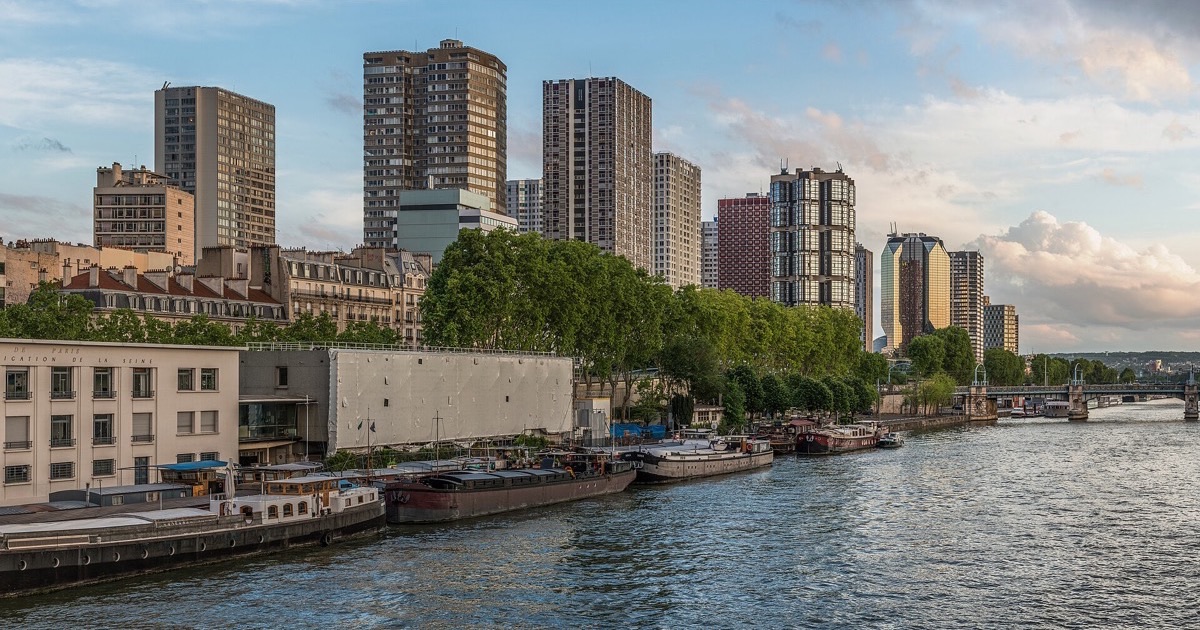
Cover photo: 15th Arrondissement of Paris as seen from Pont de Bir-Hakeim 140507 1.jpg by DXR · CC BY-SA 3.0 via Wikimedia Commons
Travel Community
Heading to Paris?
Connect with fellow travelers going to Paris, swap first-hand tips, and find travel companions for your dates — free to join.
Connect with Paris travelersReviewed by our editor for Europe
Marco BianchiEurope Editor
Europe travel writer focused on city culture, museums and historic routes across the continent.
More articles by Marco Bianchi →