
Lyon’s Croix‑Rousse district often slips past the typical itinerary, yet it offers a blend of history, culture, and panoramic city views that feels almost exclusive.
Lyon’s Croix‑Rousse district often slips past the typical itinerary, yet it offers a blend of history, culture, and panoramic city views that feels almost exclusive. It has long been known for its silk‑weaving legacy, making it a fresh angle on Lyon.
What makes the Croix‑Rousse district a hidden‑gem in Lyon?
Perched on one of Lyon’s two iconic hills, the neighborhood commands sweeping vistas of the Saône and Rhône rivers, providing photographers and sightseers with unrivaled perspectives. Its steep, cobbled streets are lined with former silk workshops—known locally as “canuts” lofts—many of which have been transformed into artist studios, independent boutiques, and cozy cafés that retain the original wooden beams and large windows.
The district’s bohemian reputation stems from a long tradition of workers’ collectives and cultural activism. Murals, street art, and pop‑up galleries appear alongside historic monuments, creating a dynamic contrast that appeals to travelers seeking authenticity beyond the usual tourist corridors. Seasonal markets, especially the weekly “Marché de la Croix‑Rousse,” showcase regional produce, artisanal cheeses, and handcrafted textiles, reinforcing the area’s reputation as a living laboratory of Lyon’s culinary and craft heritage.
How can I reach Croix‑Rousse using Lyon’s public transportation?
Lyon’s integrated transit system makes the ascent to Croix‑Rousse straightforward. The most popular route for visitors is Metro Line D, which stops at Croix‑Rousse station right in the heart of the district. Trains run frequently during peak times, and the station is equipped with elevators for easy access.
For those preferring surface travel, several bus routes navigate the hill’s winding avenues and connect with major hubs such as Part‑Dieu and Bellecour. Buses operate from early morning until late night, with a night service on weekends.
Cyclists can also take advantage of Lyon’s Vélo’v bike‑share program; docking stations are scattered throughout the district, and dedicated bike lanes offer a scenic ride up the hill.
Which historic traboules should I explore in the Croix‑Rousse area?
Traboules—narrow passageways that cut through blocks and connect streets—are a defining feature of Lyon’s architecture. In Croix‑Rousse, several well‑preserved examples offer a glimpse into the daily life of silk workers who used them to transport delicate fabrics away from the rain. Many passages retain original staircases, vaulted ceilings, and historic graffiti that hint at their 19th‑century social significance.
Where can I find authentic silk workshops and boutiques in Croix‑Rousse?
The legacy of the Lyon silk industry still threads through the narrow streets of Croix‑Rousse. Small ateliers tucked behind unassuming doors continue to hand‑weave the famed “soie de Lyon,” offering visitors a chance to watch looms in motion and purchase fabrics that have been crafted using techniques dating back to the 19th century. These workshops often double as tiny museums, displaying vintage bobbins, dye vats, and original patterns.
For shoppers who prefer finished goods, a handful of boutique stores line the bustling Rue des Capucins and the quieter alleys off Place des Terreaux. Here you’ll find silk scarves, ties, and home textiles that blend traditional motifs with contemporary design. Many proprietors are descendants of the original silk merchants, ensuring that each piece carries an authentic story rather than a mass‑produced label.
What are the best local cafés to experience the true flavor of Lyon in Croix‑Rousse?
Café culture in Croix‑Rousse is a blend of historic charm and modern creativity. Many establishments occupy former silk workers’ homes, preserving original wooden shutters and exposed brick while serving coffee roasted by independent Lyon roasters. The atmosphere often includes soft jazz or the clink of ceramic cups, creating a relaxed backdrop for people‑watching on cobblestone terraces.
Beyond coffee, these cafés excel at offering regional specialties such as “cervelle de canut,” a cheese‑based dip that originated among the silk weavers, and freshly baked “tarte à la praline,” an almond‑laden pastry that reflects the city’s love of sweet treats. Pair a latte with a slice to taste a piece of Lyon’s culinary history.
Which markets in Croix‑Rousse offer fresh produce and handmade crafts?
The weekly market in the district is a cornerstone of daily life for residents. On market days, stalls line the square with vibrant displays of seasonal fruits, organic vegetables, and locally sourced cheese. Farmers from the surrounding Auvergne‑Rhône‑Alpes region bring heirloom varieties that are rarely found in supermarkets, making the market a prime spot for culinary explorers.
Beyond food, the same space hosts artisans who sell handcrafted items ranging from pottery to woven baskets. Many of these creators draw inspiration from the district’s silk heritage, incorporating delicate patterns into their work. The atmosphere is lively, with street musicians and the occasional scent of fresh baguettes drifting from nearby bakeries.
A monthly craft market concentrates on handmade goods such as leather accessories, bespoke jewelry, and small‑batch candles, all produced by local designers who value sustainable practices. Its location near historic passageways adds an extra layer of intrigue, encouraging visitors to explore the hidden routes that once facilitated the transport of silk.
When is the ideal time of year to visit Croix‑Rousse for pleasant weather and events?
Spring offers mild temperatures that make sidewalk cafés and hill‑top promenades comfortable for strolling. During this period the district celebrates a local labor festival with live music, street performances, and pop‑up markets showcasing artisan silk products.
Autumn provides another sweet spot as the summer heat recedes, leaving crisp air ideal for exploring the network of traboules without fatigue. An autumn fair brings together regional food producers, offering tastings of seasonal cheeses, charcuterie, and the famed Lyonnaise praline. Both seasons also align with frequent public‑transport connections to the hill.
What panoramic viewpoints provide the most stunning cityscapes of Lyon from Croix‑Rousse?
One celebrated outlook sits atop the former silk workers’ hill, where a modest stone terrace opens to a sweeping vista of the Saône and Rhône rivers converging below. From this point you can trace the silhouette of Fourvière’s basilica, the modern skyline of La Part‑Dieu, and the historic rooftops of Vieux Lyon.
A quieter platform near the historic market square offers a more intimate perspective, with wrought‑iron benches framing the view as city lights flicker on at dusk. Photographers often favor this spot for balanced compositions of old stone facades against contemporary glass towers.
Are there family‑friendly activities and attractions in the Croix‑Rousse district?
Young explorers will enjoy interactive workshops hosted at former silk workshops turned cultural centres. Hands‑on sessions let children try basic weaving techniques using safe, colourful yarns, while guides explain the historical importance of the silk trade in simple terms.
The district’s weekly market transforms into a sensory playground. Stalls feature fresh fruit, local pastries, and craft toys, providing opportunities for families to sample regional flavours and purchase small souvenirs without the pressure of a formal shopping environment.
For a more structured outing, the nearby public library offers a dedicated children’s corner with storytimes conducted in French and English. Adjacent to the library, a small urban garden hosts seasonal planting events where kids can plant herbs or flowers, fostering a connection to the neighbourhood’s green initiatives.
How safe is it to wander the streets of Croix‑Rousse after dark for solo travelers?
The district retains a lively evening atmosphere, especially along the main thoroughfares and the slopes that lead to the hilltop. Police presence is noticeable near tram stops, and most cafés stay open until late, providing natural surveillance. Solo travellers who stick to well‑lit routes and avoid isolated courtyards generally feel comfortable, while occasional pickpocket activity mirrors that of other central Lyon neighbourhoods.
What else should travelers know about Lyon?
Lyon’s public transport network remains fully integrated, with the TCL system offering trams, buses, and metro lines that connect the two hills and the riverbanks. A single ticket purchased via a contactless card works across all modes, and reduced fares may apply in the evenings, making late‑night returns to the city centre affordable. The city also operates a bike‑sharing scheme, Vélo’v, with docking stations on the slopes of Croix‑Rousse, allowing quick trips to nearby attractions without the need for a car.
Sources & Further Reading
Recommended Lyon Activities
Frequently Asked Questions
Is Croix‑Rousse safe for solo travelers and night‑time exploration?
The area is comparable to other central districts in terms of safety. Main streets stay illuminated and are frequented by locals heading to late cafés or cultural venues. Travelers should keep valuables concealed and remain on well‑traveled paths, especially after the last tram runs.
Can I purchase authentic Lyon silk products directly from workshops in Croix‑Rousse?
Several small ateliers on Rue des Tables Claudiennes and surrounding lanes continue the silk‑weaving tradition. While they no longer operate large‑scale factories, artisans offer scarves, ties, and home textiles made on site. Prices reflect the handcrafted nature, and most workshops welcome visitors who wish to observe the looms before buying.
What is the best way to navigate and discover the hidden traboules?
Walking maps available at the tourist office highlight the most accessible passages, many of which open onto courtyards with signage. A recommended approach is to start at Place des Terreaux, follow the marked arrows, and use a smartphone GPS app set to pedestrian mode. Respect private property by staying on publicly indicated routes and keeping doors closed behind you.
Are guided tours available for the Croix‑Rousse district and what do they include?
Local tour operators run half‑day walks that combine silk history, street art, and traboule exploration. Guides typically speak English and French, providing context on the 19th‑century canuts and contemporary creative spaces. Most tours include a brief stop at a traditional café for a tasting of a regional pastry.
What are the typical opening hours of popular cafés and bakeries in Croix‑Rousse?
Morning bakeries usually open early, serving fresh viennoiseries until around midday. Cafés shift to a brunch schedule before reopening for afternoon coffee service later in the day. Some establishments extend service into the evening on weekends, catering to local nightlife.
Is there convenient parking near the hilltop for visitors driving to Croix‑Rousse?
Several municipal car parks sit at the base of the hill, offering short‑term rates and easy access to tram lines that climb to the summit. A smaller underground facility nearby provides hourly pricing, though spaces can fill quickly during market days.
Which festivals or cultural events are scheduled in Croix‑Rousse?
The district hosts annual celebrations such as the Fête des Canuts, which honors silk workers with parades, street performances, and craft stalls. A street‑art festival transforms building façades into temporary galleries each autumn, while a winter lantern market lines the main squares with illuminated installations and local food vendors.
Before you set out, check the latest tram timetables and confirm any seasonal closures of workshops or markets. A flexible itinerary will let you absorb the district’s layered history while enjoying its contemporary pulse.
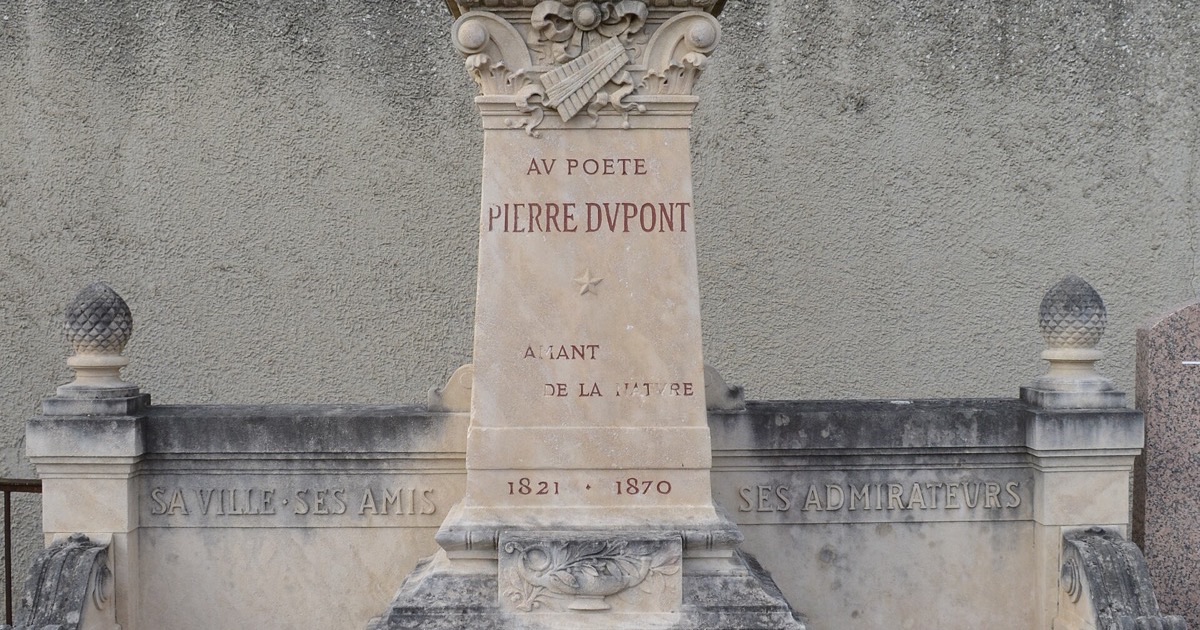
Cover photo: Cimetière de la Croix-Rousse ancien (Lyon) - tombe du poète Pierre Dupont.jpg by Benoît Prieur · CC0 via Wikimedia Commons
More Lyon travel guides
- When to Wander Lyon's Night Lit Gardens Monuments for Max
- Looking for a Perfect Date Night in Lyon Explore Wine Bars
- Fine Dining in Lyon on a Student Budget: Where to Go
- How to Plan a Historical Walking Tour of Lyon's Roman Ruins
- Is Lyon's Croix Rousse Neighborhood Worth Exploring — Complete 2026 Walkthrough
- Lyon Street Food Guide: Budget Bites to Luxury Flavors Guide
Travel Community
Heading to Lyon?
Connect with fellow travelers going to Lyon, swap first-hand tips, and find travel companions for your dates — free to join.
Connect with Lyon travelersReviewed by our editor for Europe
Marco BianchiEurope Editor
Europe travel writer focused on city culture, museums and historic routes across the continent.
More articles by Marco Bianchi →