
Türkiye & Eastern Mediterranean Editor
Published October 11, 2026 · Reviewed October 14, 2026
The Istanbul spice market tour offers more than a sensory overload; it provides a curated roadmap to the flavors that have defined Ottoman kitchens for centurie
The Istanbul spice market tour offers more than a sensory overload; it provides a curated roadmap to the flavors that have defined Ottoman kitchens for centuries. As you wander through the historic Mısır Çarşısı, each stall becomes a lesson in trade routes, terroir, and tradition. This guide highlights the spices to buy in Istanbul that will transform home cooking and explains how to spot genuine quality amid the colorful displays. Whether you’re planning a guided market walk Istanbul style or a solo adventure, the following insights will help you return with a suitcase full of authentic taste.
What unique spices can I discover at Istanbul’s Spice Bazaar?
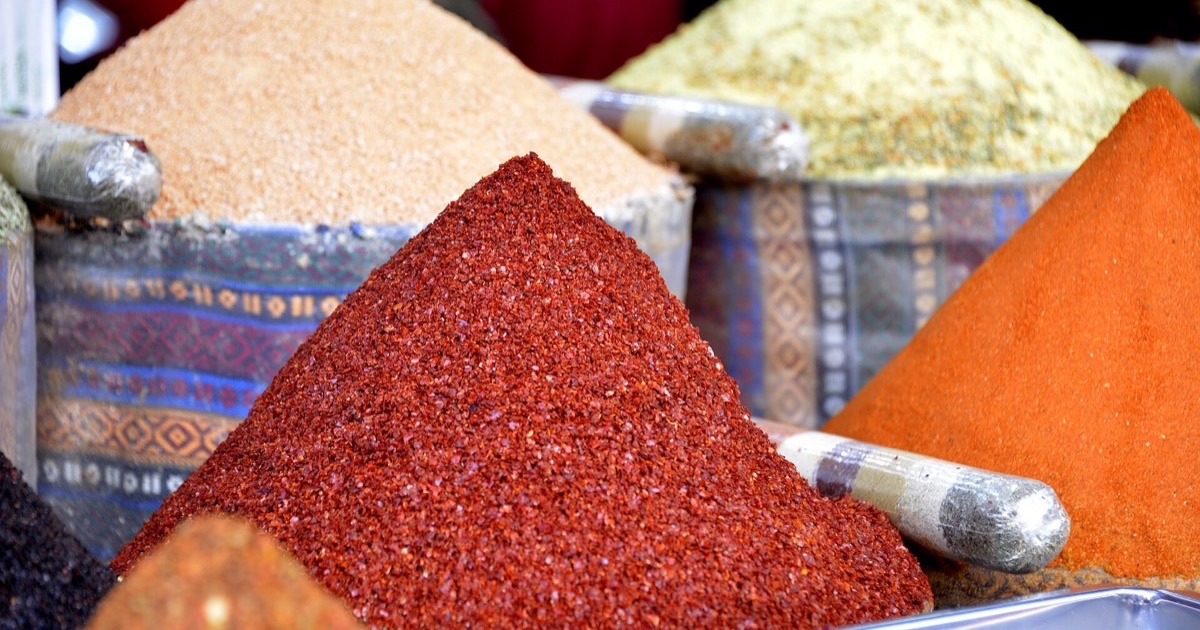
The the historic Spice Bazaar in Istanbul is famed for its vibrant piles of sumac, a ruby‑red powder that adds a citrusy tang to salads, kebabs, and even desserts. Sumac spice uses are versatile: sprinkle it over grilled eggplant, stir it into fattoush, or finish a bowl of lentil soup for a bright finish. Another standout is isot, a smoky‑floral Turkish pepper blend that flavors the famous çiğ köfte and meat marinades; its distinctive aroma comes from dried chilies, cumin, and paprika.
Beyond the familiar, the bazaar houses rarer treasures such as mahleb, a fragrant almond‑like spice derived from cherry pits, perfect for sweet breads and pastries. You’ll also encounter çörek otu (nigella seeds), known for its peppery, oniony notes and often used to garnish flatbreads. These items form part of the best spices Istanbul markets showcase, each with a story linked to centuries‑old trade routes across the Mediterranean and the Silk Road.
For those interested in a true spice tasting experience, many stalls offer small sample spoons, allowing you to compare the intensity of freshly ground cumin versus pre‑packed alternatives. This hands‑on approach is a core element of any Istanbul culinary spice tour and helps you decide which aromas deserve a place in your pantry.
How do I choose authentic Turkish saffron while shopping?
Saffron remains the crown jewel of the spice market, and its authenticity can be judged by a few reliable cues. Genuine Turkish saffron threads are deep crimson with a slightly orange tip; any pale or uniformly red strands may indicate adulteration. The aroma should be earthy and slightly honeyed, releasing its scent when gently warmed between fingertips.
When evaluating price, remember that saffron is sold by weight, and authentic threads command a premium. A useful rule of thumb—part of common saffron buying tips—is to compare the cost per gram across several vendors; the cheapest option is often the least pure. Look for vendors who display a certificate of origin or who can explain the harvesting process, as transparency is a hallmark of reputable sellers.
| Aspect | What to Look For | Typical Indicator |
|---|---|---|
| Color | Deep crimson with orange tips | Uniform rich hue |
| Aroma | Earthy, honey‑like scent | Strong fragrance when warmed |
| Packaging | Clear, resealable containers | Label stating “Turkish saffron” |
| Price | Consistent with market rates | Higher than bulk “discount” offers |
Choosing authentic saffron also involves testing its flavor. A quick method is to steep a few threads in warm water; the liquid should turn a vivid golden‑yellow and release a subtle, slightly bitter taste. If the water remains pale or the flavor is flat, the product may be dyed or mixed with inferior material.
Which spices are essential for recreating Turkish dishes at home?
To capture the essence of Turkish cuisine, start with a core trio: sumac, isot, and Turkish red pepper flakes. Sumac provides the bright acidity that balances rich stews, while isot delivers the smoky depth essential for dishes like lahmacun and kebabs. Red pepper flakes add heat without overwhelming the palate, perfect for seasoning roasted vegetables or egg dishes.
Complement this base with aromatic staples such as cumin, coriander, and fenugreek. These spices form the backbone of classic köfte mixtures and lentil soups. Adding a pinch of mahleb to sweet pastries or a sprinkle of nigella seeds on flatbreads will replicate the nuanced flavors found in traditional bakeries.
Finally, consider a ready‑made Turkish spice blend like baharat, which combines cinnamon, cloves, nutmeg, and allspice. This mix simplifies the seasoning process for tagines and braised meats, ensuring you achieve authentic depth without juggling multiple jars. With these selections, the spices you bring home from Istanbul will enable you to recreate beloved recipes and explore new culinary horizons.
What are the flavor profiles of sumac and how is it used in Turkish cuisine?
Sumac delivers a bright, citrus‑like tang with a subtle earthy undertone. The dried berries are ground into a deep‑red powder that releases a fragrant, slightly astringent note when sprinkled over food. Its acidity is milder than lemon, allowing it to lift flavors without overwhelming them.
In Turkish kitchens sumac appears in several classic preparations. A pinch over grilled kebabs adds a rosy finish and balances the richness of lamb or chicken. It is a key component of “çörek otu” salads, where the spice is mixed with olive oil, chopped herbs, and thinly sliced onions. A common table condiment, sumac is also dusted on hummus, eggplant purées, and fresh salads such as shepherd’s salad (çoban salata) to provide a zesty contrast.
How can I spot high‑quality isot pepper blends in the market?
Isot, the smoky Turkish chili blend, varies widely in flavor intensity and freshness. Look for a uniform, deep‑red hue; uneven coloring often signals that lower‑grade peppers have been mixed in. High‑quality blends retain a faint aroma of smoked paprika and dried garlic when you crush a pinch between your fingers.
Packaging is another clue. Vendors who keep the blend in sealed glass jars or airtight tins are protecting it from moisture, which can cause clumping and loss of heat. If the spice is displayed in paper bags, ask the seller to show a fresh sample and check that the powder flows freely without large lumps.
Finally, consider the source. Many reputable stalls source isot from the Central Anatolian region, where the climate yields peppers with a balanced heat and smoke. Ask the vendor about the origin; a confident answer usually indicates a direct supply line rather than a generic wholesale mix.
What tips help me negotiate prices for spices in Istanbul?
Negotiating at the Egyptian Spice Bazaar (Mısır Çarşısı) is part of the shopping experience. Arriving early gives you access to the freshest stock and more willingness from sellers to adjust prices. Start with a friendly greeting and show genuine interest in the spice’s story; this builds rapport and often leads to a better deal.
- Observe the market rhythm – if a stall is busy, be prepared to accept the listed price.
- Offer a modest counter‑price, typically 10‑15 % below the initial ask, and be ready to meet halfway.
- Bundle multiple items – buying a set of three or four spices can unlock a discount on each.
- Use cash rather than cards; many vendors prefer the immediacy of cash and may lower the price.
- Leave a small token of appreciation, such as a compliment on the vendor’s selection, before finalizing the purchase.
Remember to stay polite and keep the tone light. If a seller cannot move on price, consider walking away; often they will call you back with a better offer. By applying these tactics you’ll leave the market with high‑quality spices and a fair price.
Where can I find locally produced spice blends that aren’t sold online?
Beyond the main aisles of the Egyptian Spice Bazaar, a handful of family‑run stalls line the narrow side passages. These vendors often work directly with farms in Anatolia and the Aegean coast, offering blends that have never been listed on e‑commerce platforms. Look for signs that read “hand‑crafted” or “family recipe” and ask the shopkeeper about the source of each ingredient; many will point you to a specific village or cooperative.
Another good spot is the small market hall on the opposite side of the bazaar, where local chefs display their personal seasoning mixes. These blends are typically sold in reusable glass jars and are priced per gram, allowing you to purchase exactly the amount you need. Engaging the vendor in a brief conversation about cooking traditions often yields a free tasting and a story that adds value to the purchase.
Finally, consider visiting the nearby Kadıköy market on the Asian side of Istanbul. Though not a spice bazaar in the strict sense, several stalls specialize in regional Turkish spice mixes that are rarely exported. The atmosphere is more relaxed, and the sellers are eager to explain the culinary context of each blend, making it easier to choose a mix that fits your home kitchen.
How do I store Turkish spices to keep them fresh after I travel home?
Turkish spices are most vulnerable to light, heat, and humidity. Upon returning home, transfer any bulk purchases from their original paper or plastic packaging into airtight containers made of glass or high‑density polyethylene. Store these containers in a cool, dark pantry away from the stove and dishwasher, which generate moisture and temperature fluctuations.
For blends that contain delicate ingredients such as saffron threads or sumac, a small secondary container with a desiccant packet can extend potency for several months. Avoid refrigerating spices; the low humidity inside a fridge can cause clumping and loss of aroma, while the frequent opening of the door introduces moisture.
| Storage Method | Ideal for | Longevity |
|---|---|---|
| Opaque glass jar with rubber seal | All ground spices, whole peppercorns | 12‑18 months |
| Vacuum‑sealed bag | Rare spices (saffron, pink pepper) | 18‑24 months |
| Metal tin with tight lid | Spice blends containing herbs (isot, baharat) | 9‑12 months |
When traveling with spices, keep them in your carry‑on luggage to avoid the extreme temperature changes of the cargo hold. A small zip‑lock bag placed inside a padded pouch provides an extra layer of protection against crushing and accidental spills.
What are the best ways to sample spices before buying them at the bazaar?
The most reliable method is to ask the vendor for a pinch of the spice on a clean spoon or a piece of flatbread. This allows you to assess aroma, texture, and flavor without committing to a purchase. Many sellers will gladly comply, especially if you show genuine interest in the spice’s culinary uses.
Some stalls set up a modest tasting station with small bowls of prepared dishes that highlight a particular spice. For example, a bowl of lentil soup seasoned with isot or a plate of grilled eggplant drizzled with sumac can illustrate how the spice behaves in a finished recipe. Sampling these dishes gives you a realistic sense of how the spice will integrate into your own cooking.
If you prefer a more discreet approach, bring a small resealable bag from home. Ask the vendor if you may place a few grains or a pinch of the spice into the bag for a quick sniff test. This technique works well for fragrant powders like paprika or za’atar, where the scent is the primary indicator of freshness.
Practical Tips for Visiting Istanbul
- Timing Your Visit: Arrive early in the morning, preferably before 10 AM, when the stalls are fully stocked and the crowds are thinner. This window also offers cooler temperatures for a more comfortable shopping experience.
- Cash Is King: While many vendors accept cards, having Turkish lira in small denominations speeds up negotiations and often secures a better price.
- Dress Comfortably: Wear breathable shoes and clothing, as you will be walking on uneven stone floors and navigating narrow alleys that can become crowded.
- Bring a Portable Scale: A small digital kitchen scale lets you verify the weight of bulk spices, ensuring you receive the quantity you pay for.
- Ask About Origin: Inquire about the specific region or farm where a spice was harvested. Vendors who can name a province or village are usually dealing with higher‑quality, traceable products.
- Stay Hydrated: The market’s indoor climate can feel warm, especially during summer months. Carry a reusable water bottle to keep hydrated without having to leave the premises.
- Respect the Space: Keep your voice at a moderate level and avoid blocking aisles while examining spices. Polite interaction encourages vendors to share more information and offers.
Editor's Note: The best spice purchases often come from building a brief rapport with the seller. A friendly greeting in Turkish, even a simple “Merhaba,” can open the door to insider tips about seasonal blends and upcoming market specials.
Recommended Istanbul Activities
Frequently Asked Questions About Istanbul
What are the most popular spices tourists buy in Istanbul?
Visitors most often look for sumac, Turkish paprika, cumin, and dried mint because they capture the essence of Ottoman cuisine. Saffron, though pricey, is a prized souvenir for its deep color and aroma. Many travelers also pick up rose petal powder and Turkish pepper flakes to recreate street‑food flavors at home. These staples are easy to find in small resealable bags that travel well.
Is it safe to bring Turkish spices back to my home country?
Most countries allow dried, packaged spices to cross borders, but you should verify any restrictions on fresh herbs or blends containing meat products. Keep the spices in their original sealed packaging and retain receipts in case customs asks for proof of purchase. If you are traveling to a nation with strict agricultural controls, declare the items on arrival to avoid penalties. Packing them in your carry‑on can reduce the risk of loss or damage.
How much should I expect to pay for saffron at the Spice Bazaar?
At the Spice Bazaar, saffron typically sells for between 150 and 250 Turkish lira per gram, depending on quality and vendor reputation. Small packets of 0.5 gram are common and allow you to sample the spice without a large investment. Prices can be negotiated, especially if you purchase multiple packets or combine the purchase with other spices. Remember that authentic Turkish saffron will have a deep crimson hue and a strong fragrance.
Can I get organic or pesticide‑free spices in Istanbul’s markets?
Yes, several stalls label their products as organic and display certification stickers from Turkish authorities. Ask the seller to show any relevant documentation and inspect the packaging for tamper‑evident seals. Organic spices are often slightly more expensive, reflecting the higher production standards. If you have strict dietary requirements, request a sample to assess aroma and texture before buying.
Do vendors offer custom spice blends for travelers?
Many merchants are happy to create personalized mixes on the spot, especially for customers who explain the flavor profile they desire. You can request a blend of sumac, smoked paprika, and dried oregano for a versatile grill rub, or a sweeter mixture with rose petals and cinnamon for desserts. Prices are usually calculated by weight, and the vendor will pack the blend in a sealed bag with a handwritten label. This service adds a unique touch to your Istanbul spice market tour souvenirs.
What is the best time of day to visit the Spice Bazaar for fresh selections?
Early morning, shortly after the market opens, offers the widest variety of freshly stocked spices. Vendors receive new shipments before the lunch rush, so you can find the brightest colors and most aromatic samples. Arriving before the crowd also gives you more time to chat with sellers and learn about seasonal blends. If you prefer a quieter atmosphere, the late afternoon after the main tourist flow has thinned out works well too.
Are there any cultural etiquette rules I should follow when buying spices?
Begin with a friendly greeting such as “Merhaba” and a smile; it sets a positive tone for the interaction. Handle the spice bags gently and avoid opening sealed packages unless the vendor offers a sample. While haggling is expected, keep negotiations respectful and avoid aggressive bargaining. Showing genuine interest in the spice’s origin and use is appreciated and often leads to better recommendations.
How do I verify the authenticity of Turkish spice packaging?
Authentic Turkish spices carry a government seal indicating compliance with food‑safety standards. Look for clear labeling that includes the producer’s name, batch number, and expiration date. If the packaging appears tampered with or lacks these details, ask the seller for additional proof of provenance. Comparing the packaging to known reputable brands can also help you spot inconsistencies.
Planning an Istanbul spice market tour gives you the chance to bring home flavors that tell a story of centuries of culinary exchange. By following the practical tips above, you can select high‑quality spices, respect local customs, and navigate customs regulations with confidence. Each bag you take back will serve as a reminder of the busy market aisles and the vibrant aromas that define the city. Enjoy the journey of cooking with authentic Turkish spices in your own kitchen.
More Istanbul travel guides
- Best Family-Friendly Boat Tours in Istanbul for a Memorable 2026 Trip
- Car Rental in Istanbul: Is it Necessary
- Discovering Secret Spots in the Balat District of Istanbul
- Exploring the Ancient Cisterns of Istanbul: A Complete Guide
- Is a Food Tour of the Spice Bazaar in Istanbul a Must-Do
- Istanbul Grand Bazaar: Bargaining Tactics, Hidden Treasures & Gems
Cover photo: Spices on Spice Bazaar in Istanbul 02.jpg by Miomir Magdevski · CC BY-SA 4.0 via Wikimedia Commons
Plan your trip
Book Istanbul attraction tickets
Skip-the-line tickets and guided tours for Istanbul's top sights, with mobile tickets and flexible cancellation.
See tickets on TiqetsWe may earn a commission from bookings made through this link, at no extra cost to you.
Travel Community
Heading to Istanbul?
Connect with fellow travelers going to Istanbul, swap first-hand tips, and find travel companions for your dates — free to join.
Connect with Istanbul travelersReviewed by our editor for Türkiye & the Eastern Mediterranean
Elif DemirTürkiye & Eastern Mediterranean Editor
Travel writer covering Türkiye and the Eastern Mediterranean, from Istanbul's old city to the Aegean coast.
More articles by Elif Demir →