
Türkiye & Eastern Mediterranean Editor
Published July 16, 2026 · Reviewed September 4, 2026
The Istanbul Whirling Dervish ceremony offers travelers a rare glimpse into a living spiritual tradition that has endured for centuries.
The Istanbul Whirling Dervish ceremony offers travelers a rare glimpse into a living spiritual tradition that has endured for centuries. As the whirling dervishes spin in perfect harmony, the audience experiences a blend of music, poetry, and devotion that is hard to find elsewhere. This guide explains why the ceremony is a must‑see and how you can fit it into your itinerary.
What is the history behind Istanbul’s Whirling Dervish ceremony?
The ritual known as the Sema ceremony originated with the Mevlevi Order, a Sufi brotherhood founded by the followers of the 13th‑century poet Rumi. Over time, the Mevlevi Order spread from Konya to Istanbul, where it became an integral part of the city’s cultural landscape. The ceremony was recognized by UNESCO as intangible heritage, highlighting its significance beyond religious practice.
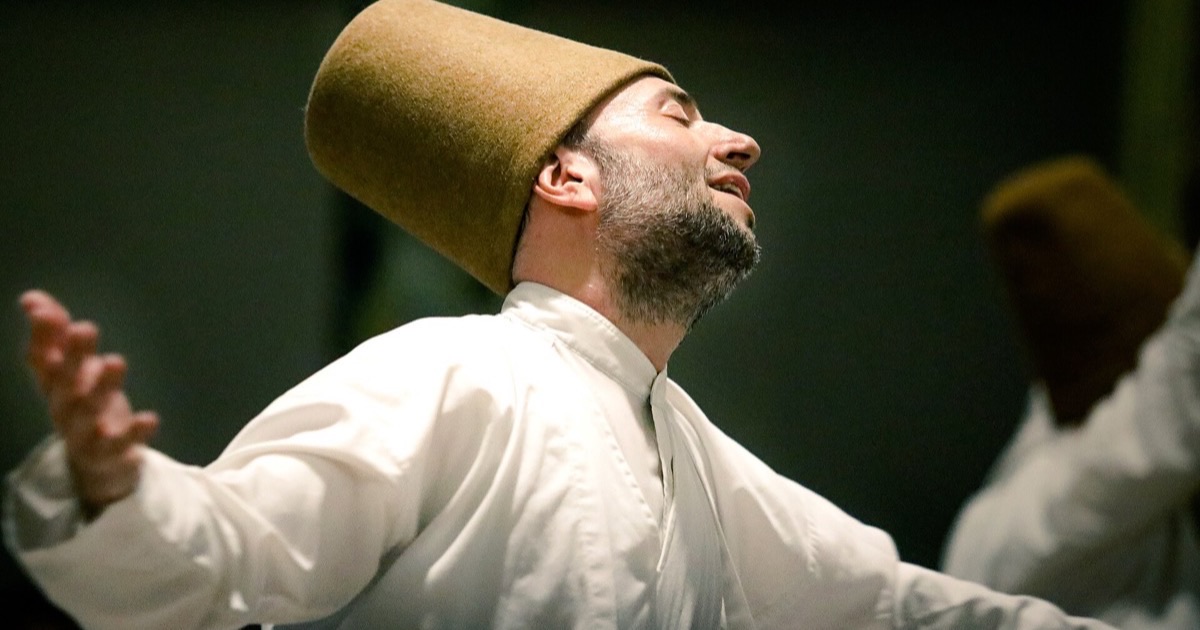
During the Sema, participants wear the iconic whirling dervish costume—a flowing white robe topped with a tall hat that symbolizes the tombstone of the ego. As they spin, the dervishes chant verses of Rumi poetry, creating a meditative atmosphere that resonates with the audience. The music is provided by traditional Sufi instruments such as the ney flute, kudüm drums, and the rebab, each adding layers of spiritual texture to the performance.
Although the ceremony has royal and courtly origins, modern performances in Istanbul have adapted to accommodate visitors while preserving authenticity. The ritual’s core purpose—to achieve spiritual union through motion—remains unchanged, making the Istanbul Whirling Dervish ceremony a living link to centuries of mystic tradition.
Where can I watch the Whirling Dervishes in Istanbul?
Various historic venues across Istanbul host performances, each offering its own atmosphere—from intimate cellar settings to spacious theater‑style halls and restored madrasa spaces. Choose the type of experience that best matches your interests, whether you prefer a more authentic ambience or a comfortable, well‑equipped environment.
Tickets are typically available online and at each venue’s box office, often with options for English narration. Arriving early helps you secure a good seat and settle in before the ceremony begins.
When are the Whirling Dervish performances scheduled?
Performances are offered several times per week, usually in the early evening. Exact dates and times can vary according to religious observances or venue maintenance, so it’s advisable to check the current calendar of the location you plan to visit.
Advance purchase is recommended, especially for popular venues that tend to fill up quickly. Many locations also provide bilingual guides who explain the symbolism of the Sema ceremony and the meaning behind the poetry recited during the performance.
How much do tickets cost for the Whirling Dervish ceremony?
The price of a seat varies by venue and seating tier, but you can expect a modest entry fee (check current prices). Discounts are often available for students, seniors, and larger groups. Purchasing online in advance usually secures the best rate.
Box‑office sales are still possible on the day of the performance, though availability may be limited. If your schedule is flexible, checking a week ahead can reveal less‑busy evenings that sometimes offer reduced prices. Some cultural tourism passes include complimentary entry to a Sufi ceremony.
What should I wear to attend a Whirling Dervish ceremony?
Respectful attire is essential when you attend a Whirling Dervish ceremony. The setting is a place of spiritual reflection, so clothing should be modest and comfortable enough to sit for the full length of the performance.
- Choose closed‑toe shoes or slip‑on flats; many venues require shoes to be removed before entering the inner hall.
- Carry a lightweight scarf or shawl that can be draped over shoulders for added modesty.
- Leave large bags and backpacks at the coat check to keep the floor clear for the ceremonial dance.
- Dress in neutral or earth tones; bright colors can be distracting during the meditative Sema ceremony.
- Check venue guidelines ahead of time—some locations provide a brief dress code reminder on their ticket confirmation email.
Is it appropriate to take photos or videos during the ceremony?
Photography policies differ between venues, but the general rule is to prioritize the sanctity of the ritual. Flash photography is usually prohibited, and video recording is limited to silent, handheld devices held at a respectful distance.
If photography is permitted, keep the camera pointed away from the dervishes during the most intense moments of the whirling. The focus of the audience is the music of the ney, the rhythmic heartbeat of the kudüm, and the visual poetry of the rotating white costume. Capturing these elements without disrupting the flow enhances your memory while honoring the participants.
How long does a typical Whirling Dervish performance last?
The core of the Sema ceremony usually runs between 45 and 60 minutes, allowing the audience to witness the full progression from the opening prayers to the climactic whirling of the dervishes. Within that window, the ritual is divided into distinct phases: introductory recitation, symbolic chants, gradual increase of tempo, and the final circular motion.
Many venues add a brief pre‑show talk (about 10 minutes) offering historical context and explaining the symbolism behind the costume and music. Some special evenings may include a short Q&A session with a scholar, adding an extra 15–20 minutes.
Can I combine a Whirling Dervish show with other Istanbul attractions?
Because most ceremonies are scheduled for early evenings, you can comfortably pair a Sema visit with daytime exploration of nearby landmarks such as the Blue Mosque, Hagia Sophia, and the Grand Bazaar.
If you prefer a more relaxed itinerary, consider a sunset cruise on the Bosphorus followed by a late‑night dervish performance. The venues are often centrally located, allowing easy strolls through lively neighborhoods where you can sample street‑side coffee or browse contemporary art galleries.
What are the etiquette rules for visitors at a Whirling Dervish ceremony?
Respect for the sacred nature of the Sema is paramount. Visitors should arrive at least ten minutes before the scheduled start to settle quietly; late entry is discouraged because it interrupts the flow of the ritual. Seating is generally unassigned, but keep your belongings low and avoid placing bags on the floor where the dervishes move.
Dress modestly: shoulders and knees should be covered, and hats are not permitted inside the performance hall. Photography is strictly prohibited during the ceremony; most venues allow photos only before the music begins and after the final bow. If you are unsure about any rule, a discreet glance at the posted signs or a polite question to the usher will keep you on the right track.
Practical Tips for Visiting Istanbul
- Ticket Timing: Purchase your Whirling Dervish tickets well in advance, especially for weekend evenings, to guarantee a seat at your preferred venue.
- Public Transport Pass: A reloadable Istanbulkart gives you access to trams, metros, and ferries; it simplifies transfers between historic sites and ceremony locations.
- Currency Preparedness: While most cultural centres accept credit cards, having a modest amount of Turkish lira on hand helps with small purchases such as tea or souvenirs.
- Language Basics: Learning a few polite phrases—“please,” “thank you,” and “excuse me”—in Turkish can smooth interactions with staff and local guides.
- Weather Planning: Early spring and late autumn evenings can be cool near the Bosphorus; bring a light jacket if you intend to walk to the ceremony after a sunset cruise.
- Health Precautions: Stay hydrated and pace yourself; Istanbul’s historic neighborhoods involve a lot of walking on uneven cobblestones.
- Respectful Photography: If you capture images outside the ceremony hall, keep the flash off and avoid zooming in on participants; this respects both the performers and the venue’s policy.
Recommended Istanbul Activities
Frequently Asked Questions About Istanbul
Do I need to book Whirling Dervish tickets in advance?
Yes, it is strongly recommended to reserve tickets ahead of time, especially during peak tourist seasons. Most venues allocate a limited number of seats per performance, and early booking helps you avoid long queues at the box office.
Are English subtitles or guides available during the ceremony?
Many established venues provide live English narration or subtitles projected onto a screen behind the performers. If you prefer a personal guide, bilingual docents are often available for an additional fee.
What time of day are the Whirling Dervish ceremonies usually held?
Performances are typically scheduled for the early evening, after sunset. Some venues also offer midday showings on weekends. Check the specific venue’s calendar, as exact times may shift according to seasonal daylight changes.
Can I bring children to a Whirling Dervish performance?
Children are welcome at most venues, but the ceremony’s contemplative nature makes it more suitable for older kids who can sit quietly for the full duration. Parents should be prepared to keep younger children comfortable and avoid disruptive behavior.
Is there a dress code for attending the Whirling Dervish ceremony?
Modest attire is expected out of respect for the spiritual setting; shoulders and knees should be covered for both men and women. Many venues request that visitors remove hats and avoid overly bright or revealing clothing.
Are there wheelchair‑accessible venues for the Whirling Dervish show?
Several major venues have been adapted to accommodate wheelchair users, offering ramps, designated seating, and accessible restrooms. If you require assistance, contact the ticket office ahead of time to confirm the best available location.
What is the best way to get to the main Whirling Dervish venues in Istanbul?
Public transportation offers the most reliable access; many venues are within walking distance of tram or metro stations on the historic peninsula. Taxis are plentiful but traffic can be heavy during rush hour, so allow extra travel time if you choose that option.
Do the venues offer refreshments or nearby dining options?
Most performance halls have a small café or lounge where you can purchase tea, coffee, and light pastries before the ceremony begins. After the show, several restaurants and street‑food stalls line the surrounding streets, offering a range of Turkish dishes.
Can I purchase tickets on the day of the performance?
Same‑day ticket sales are possible at the box office of most venues, but availability is limited and depends on earlier reservations. Arriving early increases your chances of securing a spot for a later show.
What cultural significance does the Whirling Dervish ceremony hold for locals?
The ritual, known as the Sema, is a central practice of the Mevlevi order and symbolizes the spiritual journey toward unity with the divine. For many Turkish people, it represents a living link to the country’s Sufi heritage and a reminder of tolerance and inner reflection.
Experiencing the Istanbul Whirling Dervish ceremony adds a profound layer to any travel itinerary, allowing you to witness a centuries‑old spiritual practice in a modern city. By planning ahead, respecting the venue’s etiquette, and using convenient transport options, you can enjoy the performance with confidence and comfort. Let the graceful rotations and resonant music linger in your memory long after you leave Istanbul’s historic streets.
Cover photo: Whirling dervishes in Istanbul (49311119102).jpg by svklimkin from Moscow, Russian · Public domain via Wikimedia Commons
More Istanbul travel guides
- Discovering Secret Spots in the Balat District of Istanbul
- Exploring the Ancient Cisterns of Istanbul: A Complete Guide
- Is a Food Tour of the Spice Bazaar in Istanbul a Must-Do
- Istanbul Suleymaniye Hamam: Traditional Turkish Bath Experience
- What Life Feels Like in Istanbul's Greek Quarters of Fener and Balat
- Beyoglu vs Kadikoy: Which Istanbul District Delivers the Ideal option?
Plan your trip
Book Istanbul attraction tickets
Skip-the-line tickets and guided tours for Istanbul's top sights, with mobile tickets and flexible cancellation.
See tickets on TiqetsWe may earn a commission from bookings made through this link, at no extra cost to you.
Travel Community
Heading to Istanbul?
Connect with fellow travelers going to Istanbul, swap first-hand tips, and find travel companions for your dates — free to join.
Connect with Istanbul travelersReviewed by our editor for Türkiye & the Eastern Mediterranean
Elif DemirTürkiye & Eastern Mediterranean Editor
Travel writer covering Türkiye and the Eastern Mediterranean, from Istanbul's old city to the Aegean coast.
More articles by Elif Demir →