
Travelers heading to Lithuania often wonder how to stay connected without hunting for a physical SIM.
Travelers heading to Lithuania often wonder how to stay connected without hunting for a physical SIM. The good news is that modern smartphones support eSIM technology, allowing you to activate an eSIM in Lithuania within minutes of arrival. With a few taps, you can enjoy reliable LTE coverage, avoid costly data roaming, and keep your local number private. This guide walks you through the steps for both iPhone and Android users and highlights what to look for in Lithuanian eSIM providers.
What steps are required to activate an eSIM on an iPhone in Lithuania?
First, ensure your iPhone model supports eSIM – all models from iPhone XS/XR onward are compatible. Before you land, you can purchase a digital eSIM profile from a Lithuanian telecom operator or an international reseller that offers Lithuanian data plans. Once you have the QR code or activation code, open the Settings app, tap Cellular, then select Add Cellular Plan. The device will prompt you to scan the QR code; alternatively, you can enter the details manually.
After the profile is downloaded, a new line appears under Cellular Plans. Choose this line as your primary data connection, or keep your home SIM for voice calls while routing data through the eSIM. Verify that LTE is selected under Cellular Data Options to guarantee fast speeds. Finally, confirm the plan activation with the provider’s app or website if required – many operators send a push notification to complete the process.
How can Android users install an eSIM while traveling in Lithuania?
Android devices vary in their eSIM setup procedures, but the core steps remain similar. Open the Settings menu, navigate to Network & internet, and select Mobile network. Look for an option labeled Add carrier or Download a SIM. Scan the QR code supplied by the eSIM provider, or input the activation code manually if the QR option is unavailable.
Once the profile is stored, Android will list it alongside any physical SIMs. You can designate the eSIM as the default for mobile data, while keeping the physical SIM active for calls and SMS. Some devices also allow you to set a data limit or enable data roaming only on the eSIM, which helps control costs when you cross borders.
| Feature | iPhone (iOS 17+) | Android (10+) |
|---|---|---|
| QR code scanning | Built‑in in Settings > Add Cellular Plan | Settings > Network & internet > Add carrier |
| Manual code entry | Supported | Supported on most OEM skins |
| Dual‑SIM operation | Data on eSIM, voice on physical SIM | Flexible; data or voice on either line |
| Data usage alerts | Via Settings or carrier app | Native Android tools or carrier app |
| Carrier app requirement | Optional for activation | Often required for final verification |
Which Lithuanian mobile operators offer eSIM data plans for tourists?
The market is served by several local operators that provide eSIM‑compatible prepaid bundles aimed at short‑term visitors. Plans typically start at a modest price for a few gigabytes of 4G/5G data valid for up to a month, while daily passes let you purchase a gigabyte or more for a single day. All major providers cover the main cities such as Vilnius, Kaunas and Klaipėda, with 5G services gradually expanding in urban areas. Checking each provider’s roaming policies is advisable if you intend to travel beyond Lithuania’s borders.
What documents or information do I need to register an eSIM in Lithuania?
Operators usually require a minimum set of personal data to activate an eSIM on a foreign or domestic device. The most common request is a valid passport or national ID card as proof of identity, plus a local address (e.g., hotel or short‑term rental) and a contact email for delivering the QR code. Technical details such as the device’s IMEI number and the eSIM profile identifier (ICCID) help speed up the process, and a payment method is needed to purchase the data package.
Policies change — verify requirements with the provider before you travel.
How long does it take for an eSIM to become active after scanning the QR code in Lithuania?
Activation is usually quick. After scanning the QR code, the device contacts the carrier’s provisioning server, which validates the profile and assigns a phone number. In most cases the data service becomes usable after a short wait.
- Device contacts carrier server and downloads the profile
- Network registration completes shortly thereafter
- Data service is ready for use after a brief period
Are there any restrictions on data usage for eSIMs purchased in Lithuania?
Data plans sold for eSIMs generally follow the same rules as those for physical SIM cards. Many providers offer “unlimited‑type” packages that are subject to a fair‑use policy; after a certain amount of data (often around several tens of gigabytes) speeds may be reduced. Some lower‑cost bundles limit the usable data per billing cycle, suspending service until the next renewal. Roaming within the EU is usually included without extra charge, but using the eSIM outside the European Economic Area may incur additional fees.
Can I keep my home country number active while using a Lithuanian eSIM?
Most modern smartphones support dual‑SIM operation, meaning the physical SIM slot and the embedded eSIM can be active at the same time. If you retain your home‑country SIM in the tray, you will continue to receive calls and SMS on that number, while the Lithuanian eSIM handles data traffic. The device’s settings let you choose which line is used for voice, messaging, and mobile data, so you can route outgoing calls through the local carrier to avoid international fees.
Some travelers forward important calls from their native number to the Lithuanian line; this can be arranged through your home carrier’s call‑forwarding service, but may incur per‑minute charges. An alternative is to keep the original SIM in standby mode and use internet‑based messaging apps for contact with family and business partners, relying on the eSIM’s data connection.
When you leave Lithuania, you can switch the data profile back to your home carrier or deactivate the Lithuanian eSIM through the device’s eSIM manager. The stored profile remains on the device, ready for future trips, while your original number stays reachable as long as the physical SIM is re‑inserted.
What are the best eSIM apps for managing data in Lithuania?
Several dedicated applications simplify the purchase, activation, and monitoring of eSIM data plans. They usually integrate directly with the phone’s eSIM manager, allowing you to download a QR code or use an OTA (over‑the‑air) provisioning link without visiting a retail store.
How does eSIM coverage compare to physical SIM cards across Lithuanian cities?
The major mobile operators in Lithuania use the same network infrastructure for both eSIM and physical SIM services. Consequently, LTE coverage maps published by each carrier apply equally to embedded profiles. In urban centres such as Vilnius, Kaunas and Klaipėda, 4G speeds are available on virtually every street, with 5G gradually rolling out in selected districts.
Rural regions, including the Samogitian countryside and the Curonian Spit, enjoy respectable LTE penetration, though signal strength can vary with terrain. Because eSIM does not rely on a removable chip, connection quality is determined solely by the device’s antenna and the carrier’s tower density, mirroring the experience of a traditional SIM. Older phones that lack eSIM capability will need a physical SIM to access the same coverage.
Travelers who switch between multiple carriers using eSIM profiles often notice no difference in handover performance when moving between cities. The underlying radio access network remains constant, so roaming between operator profiles is handled at the software level without affecting speed or reliability.
Is it possible to switch between multiple eSIM profiles while in Lithuania?
Modern smartphones allow up to five eSIM profiles to be stored at once, but only one can be active for data and voice at any moment. If you have a home‑country eSIM and a Lithuanian eSIM, you can toggle between them in the device’s cellular settings without restarting the phone.
Switching is instantaneous, but remember that the inactive profile will not receive calls or messages until you reactivate it. Some carriers may require re‑authentication after a switch, especially if you move frequently between Wi‑Fi and cellular networks.
What should I do if my eSIM fails to connect to a network in Lithuania?
First, verify that airplane mode is off and that the eSIM is set as the primary data source. Open the carrier’s app or website to confirm that the plan is still active and that you have remaining data.
If the problem persists, reset the network settings on your device and restart it. Should the issue remain, contact the eSIM provider’s support channel—most offer live chat or email assistance that can re‑provision the profile remotely.
Sources & Further Reading
Frequently Asked Questions
How do I scan the eSIM QR code on my device in Lithuania?
Open the Settings app, navigate to the cellular or mobile data section, and select “Add Cellular Plan.” Use the built‑in QR scanner to capture the code provided by the eSIM vendor. Confirm the plan name and data allowance before saving. The profile will appear in your list of cellular plans once the download finishes.
Do I need a Lithuanian address to purchase an eSIM?
No physical address is required for most digital eSIM providers. They typically ask for an email address and a payment method to deliver the QR code instantly. Some local carriers may request a billing address for verification, but a foreign address is accepted as long as the payment is authorized.
Which eSIM provider offers the most affordable data plan for short stays in Lithuania?
Pricing varies, but providers that focus on European travelers often have the lowest daily rates. Look for plans that charge per gigabyte rather than a flat monthly fee, as they align better with brief itineraries. Compare the total cost of the data bundle against any activation fees before committing.
Can I use the same eSIM for both data and voice calls in Lithuania?
Yes, most Lithuanian eSIMs support Voice over LTE (VoLTE) and traditional circuit‑switched voice, allowing you to place calls and send SMS from the same profile. Ensure that the plan you purchase includes voice minutes or unlimited calling if you need that feature. Some data‑only plans exist, so double‑check the description before purchase.
What happens to my eSIM if I leave Lithuania and return home?
The eSIM remains stored on your device after you depart, but the Lithuanian carrier will typically suspend service once the plan expires or the data cap is reached. You can reactivate the profile later if you still have credit, though roaming charges may apply. Deleting the profile is optional and can be done at any time from the cellular settings.
Is roaming automatically disabled when I activate a Lithuanian eSIM?
Activating a local eSIM usually overrides roaming settings, routing all traffic through the Lithuanian network. However, some phones keep roaming enabled for the home‑country eSIM, which could trigger unexpected charges if that profile remains active. Review the roaming toggle for each profile to avoid accidental usage.
How can I check my remaining data balance on a Lithuanian eSIM?
Most carriers provide a dedicated app where you can view real‑time usage statistics. Alternatively, you can dial a USSD code supplied during activation to receive a balance summary via SMS. The device’s settings may also display data consumption per profile under the cellular data usage section.
Are there any hidden fees when using an eSIM in Lithuania?
Transparent providers list all charges up front, but some may apply extra fees for premium services such as international calls or hotspot tethering. Review the terms of service for any surcharge clauses before activation. Monitoring your usage through the carrier’s app helps you spot unexpected deductions early.
Keep your device’s software updated and store the QR code or activation details in a secure place before you travel. With a correctly configured eSIM, you’ll stay connected across Lithuania without the hassle of swapping physical SIM cards.
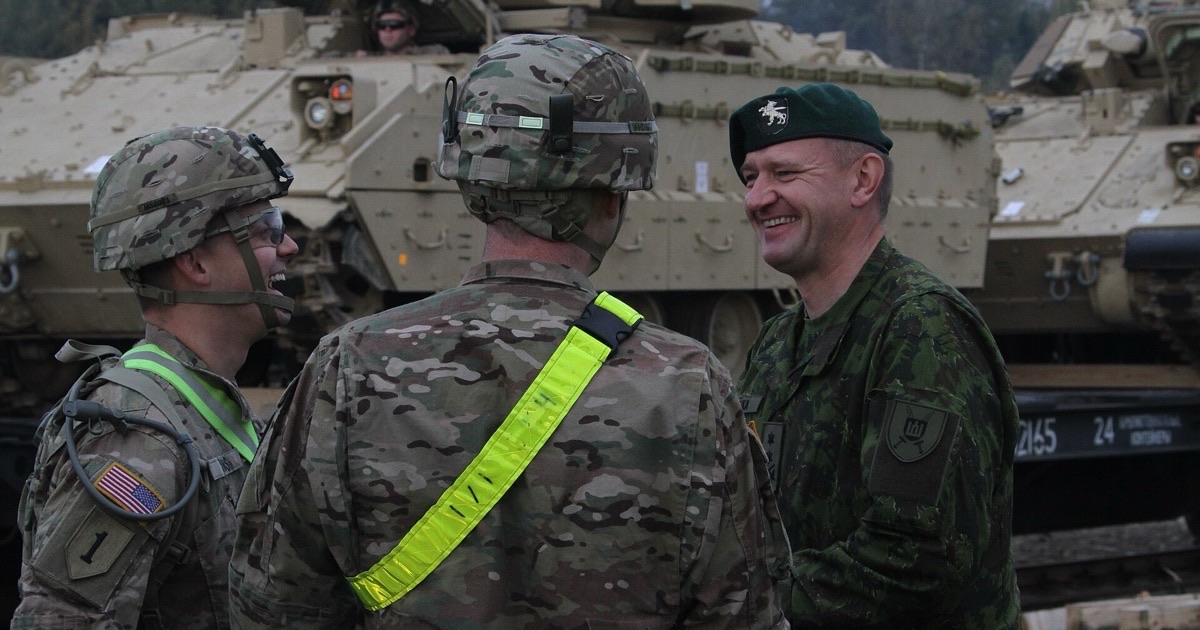
Cover photo: Cavalry arrival in Lithuania (15466969675).jpg by U.S. Army Europe Images from Wiesbaden, Germany · CC BY 2.0 via Wikimedia Commons
Stay connected
Get a travel eSIM before you go
Instant mobile data in 200+ countries with Airalo — no physical SIM, activate in minutes.
Browse Airalo eSIM plansWe may earn a commission from bookings made through this link, at no extra cost to you.
Reviewed by our editor for the Americas & practical travel
James CarterAmericas & Practical Travel Editor
Travel writer covering the Americas plus the practical side of travel — budgets, eSIMs, visas and logistics.
More articles by James Carter →