
Türkiye & Eastern Mediterranean Editor
Published July 15, 2026 · Reviewed September 9, 2026
Stepping into the winding lanes of Fener and Balat feels like opening a living museum…
Stepping into the winding lanes of Fener and Balat feels like opening a living museum, where the rhythm of daily routines blends with centuries‑old Greek traditions. For anyone curious about life in Istanbul’s historic Greek quarter, the neighborhoods offer a vivid snapshot of coexistence, community markets, and the subtle hum of prayer bells. As the city modernises, the area continues to attract artists, scholars, and expats seeking an authentic slice of historic Istanbul.
What does everyday life look like in Istanbul’s Greek quarter of Fener?
Morning in Fener begins with the call to prayer echoing from nearby mosques, followed by the scent of fresh baklava and Greek coffee drifting from family‑run cafés. Residents gather at the small square outside St George's Church to discuss the day's news, while local artisans showcase hand‑painted icons and traditional ceramics. The pace is leisurely; children play among stone houses, and seniors sit on wooden benches, sharing stories of past festivals.
Living in historic districts such as Fener and Balat means navigating a blend of old‑world charm and modern necessities. Public transport provides reliable tram and bus connections, allowing commuters to reach the business centre within a short ride. Safety has improved with better lighting and community presence, encouraging evening strolls along the Golden Horn.
Cost of living in Balat remains modest compared with central tourist zones. A typical grocery basket from the weekly market is cheaper than in busier areas, while rent for a renovated stone apartment is generally below citywide averages. This affordability, combined with thriving Greek cuisine featuring dishes like moussaka, pastitsio, and fresh seafood, makes the area attractive for newcomers and long‑time residents alike.
How do locals preserve Greek heritage in Balat and Fener?
Preservation efforts are community‑driven, with churches, schools, and cultural associations working together. Annual restoration workshops are held at the historic icon workshop attached to St George's Church, where volunteers learn traditional iconography from experienced painters. These micro‑apprenticeships safeguard artistic techniques and foster intergenerational bonds.
Language classes offered by a local cultural centre teach Greek to children and adults, helping keep the linguistic thread unbroken. Throughout the year, festivals showcase Greek dance troupes, folk music, and culinary fairs, drawing visitors from across the metropolis and reinforcing the neighbourhoods’ cultural mosaic.
| Initiative | Location | Primary Focus | Community Impact |
|---|---|---|---|
| Iconography Workshops | St George's Church | Traditional religious art | Preserves visual heritage; creates skilled artisans |
| Greek Language School | Community Centre | Language education | Maintains linguistic identity; engages youth |
| Annual Cultural Festival | Various venues in Fener & Balat | Music, dance, food | Boosts tourism; strengthens communal pride |
| Heritage House Restoration | Selected historic homes | Architectural conservation | Protects historic neighbourhoods; offers affordable housing |
Which Greek Orthodox churches are must‑see for visitors in these neighborhoods?
St George's Church stands as the most iconic landmark, its striking blue dome visible from the Golden Horn. Inside, visitors can admire frescoes dating back to the 19th century and join a short guided tour that explains the church’s role in the local Greek community. The church also hosts occasional liturgies in Greek, offering a rare glimpse into living religious practice.
Another essential stop is the Church of the Holy Trinity in Balat, known locally as the "Greek Church of Balat." Its modest façade hides a richly decorated interior, where wooden iconostases and brass candlesticks reflect centuries of devotion. The church collaborates with local schools to teach children about Orthodox traditions.
For those seeking a quieter experience, the Church of St John the Baptist, tucked away on a narrow lane, provides a peaceful retreat. Its small congregation welcomes visitors, and the surrounding courtyard often hosts informal gatherings where locals share homemade Greek pastries.
What are the best cafés and restaurants to experience authentic Greek cuisine in Istanbul?
The Greek culinary footprint in Fener and Balat is anchored by family‑run tavernas that have endured the city’s rapid modernization. On the cobblestones of a local street, a modest café serves Greek coffee brewed in traditional briki pots, accompanied by fresh baklava made from a long‑standing community recipe. A short walk toward the waterfront reveals a small restaurant whose menu features classic meze such as tzatziki, melitzanosalata, and grilled octopus, prepared with locally sourced olives and lemons.
For a more structured dining experience, a historic venue in Balat offers a set “Greek Sunday” menu: slow‑cooked lamb with oregano, hand‑rolled spanakopita, and a dessert of galaktoboureko. The interior is lined with icons from nearby churches, creating a seamless link between faith and food. Evening service often includes live bouzouki music.
Vegetarian travelers will appreciate the abundance of plant‑based options. Many cafés in Fener feature a “Greek Breakfast” plate that pairs feta cheese, fresh tomatoes, cucumbers, olives, and honey‑drizzled Greek yogurt. Pair it with freshly squeezed orange juice from the local market for a wholesome start.
How safe is it to live or stay in the historic Greek quarters of Istanbul?
Safety in the historic quarters is comparable to other central neighbourhoods of Istanbul. The area benefits from a steady presence of municipal police patrols, especially around the main squares near St George's Church. Street lighting has been upgraded, and most residents report a low incidence of petty crime during daylight hours. The close‑knit nature of the community creates an informal network of neighbours who look out for one another.
During cultural festivals, the streets become even more populated with families, tourists, and volunteers, further enhancing the sense of safety through crowds. However, narrow alleys can be poorly lit after dark, so it is advisable to stay on well‑traveled routes after sunset.
- Carry a small, discreet bag and keep valuables close to your body when walking at night.
- Use reputable taxi services or the city’s official ride‑hailing apps rather than unmarked vehicles.
- Know the location of the nearest police station; one is within walking distance of most Balat accommodations.
- Participate in community events; locals often share safety tips and updates during gatherings.
- Keep a copy of your passport and emergency contacts in a waterproof pouch.
What transportation options connect Fener and Balat to the rest of the city?
Public transport in Istanbul serves historic districts efficiently. The tram line runs along the Golden Horn and stops at both Fener and Balat stations, providing direct access to Sultanahmet, Beyoğlu, and the modern business hub of Levent. Trams run frequently throughout the day, making them a reliable choice for daily commuting.
Buses also weave through the narrow streets, linking the neighbourhoods to major metro stations such as Şişhane and Kabataş. For those who prefer a more intimate experience, the city’s shared‑bike program places docking stations near the main squares of both quarters, allowing riders to navigate the hilly terrain at their own pace.
For occasional longer trips, the Bosphorus ferry system departs from nearby Eminönü, offering scenic rides across the strait to Asian side districts. The ferry schedule aligns with tram arrivals, allowing seamless transfers for commuters who need to cross the water. Overall, the multi‑modal network ensures that living or staying in the Greek quarters does not isolate you from Istanbul’s broader cultural and economic life.
How affordable is housing in the Greek neighborhoods compared to other Istanbul districts?
Rental units in Fener and Balat typically sit below the average rates of the more tourist‑heavy districts such as Beyoğlu or Şişli. A one‑bedroom apartment in a historic building often costs less than a comparable space in a modern high‑rise a few stops away on the metro line. This price gap reflects both the quieter street life and ongoing restoration projects that keep many properties on the market.
For long‑term residents, the cost advantage is reinforced by lower utility bills. Many of the older stone houses retain natural cooling properties, reducing the need for air‑conditioning during summer months. The presence of small local markets means that daily grocery expenses remain modest.
Prospective buyers also find the area attractive because property taxes are calculated on a lower assessed value than in newer business zones. This financial environment encourages both locals and expatriates to consider the Greek quarters as a viable base for sustainable Istanbul living.
What cultural events and festivals celebrate Greek traditions in Istanbul?
The calendar includes several recurring celebrations that highlight the Greek heritage of the city. The most visible is the annual St George’s Day procession, which begins at the historic church in Fener and winds through the narrow lanes, ending with a communal feast of traditional dishes.
Another highlight is the Summer Music Series hosted by a local cultural centre. Each Saturday evening, chamber ensembles perform Byzantine chants and folk melodies on an open courtyard, creating an intimate atmosphere that blends history with contemporary appreciation. The series often features collaborations with Turkish musicians.
| Month | Event | Typical Activities |
|---|---|---|
| April | Easter Vigil at St George’s Church | Midnight liturgy, candle procession, communal brunch |
| June | Summer Music Series | Live performances, open‑air workshops, local food stalls |
| August | Greek Film Night at the Community Hall | Screenings of classic and contemporary Greek cinema, discussion panels |
| October | Heritage Walking Tour Festival | Guided tours, storytelling, traditional craft demonstrations |
Where can travelers find workshops or micro‑apprenticeships with local Greek artisans?
Several workshops in the quarter welcome short‑term participants who wish to learn traditional techniques. A pottery studio near the main market offers half‑day sessions where visitors can shape and fire their own clay pieces under the guidance of an experienced potter. Materials are provided, and finished items can be taken home as a personal souvenir.
For those interested in textile arts, a small atelier on a side street specializes in hand‑woven blankets and embroidered table linens. The owner runs weekly micro‑apprenticeships that cover everything from loom setup to pattern selection, with limited participants to ensure hands‑on instruction.
The local bakery, famous for its Greek‑style pastries, occasionally opens its kitchen to culinary visitors. A short class includes dough preparation, shaping of traditional sweets, and an explanation of the cultural significance behind each recipe. Policies may change—verify details before planning.
Editor's Note: The Greek quarters retain a distinctive character that thrives on community participation. Engaging with local events or crafts not only enriches a visit but also supports the preservation of traditions that have survived centuries of change.
Practical Tips for Visiting Istanbul
- Transport Connections: Use the tram line that stops at Fener for quick access from the historic peninsula; tickets can be purchased at kiosks and are valid on buses and ferries as well.
- Dress Respectfully: When entering churches or religious sites, modest clothing is expected; shoulders and knees should be covered.
- Cash Availability: Small shops and market stalls often prefer cash; ATMs are plentiful nearby, but it is wise to withdraw enough lira for a day’s purchases.
- Language Basics: A few phrases in Turkish, such as “thank you” and “please,” are appreciated and can smooth interactions with shop owners.
- Timing of Visits: Early mornings offer quieter streets and softer light for photography; many cafés open around 8 am, allowing a relaxed start.
- Safety Precautions: The neighbourhoods are generally safe, but keep an eye on personal belongings in crowded markets, as pickpocketing can occur.
- Local Etiquette: Greeting shopkeepers with a friendly nod or a simple “good day” is customary and often leads to better service or insider recommendations.
Recommended Istanbul Activities
Frequently Asked Questions About Istanbul
Is Fener still a predominantly Greek neighborhood?
Fener no longer hosts a majority Greek population; most residents are Turkish, with a few belonging to other communities. The remaining Greek families keep the Orthodox churches active and preserve some traditional customs. The neighbourhood’s character now reflects a blend of histories rather than a single ethnic dominance.
Can I stay in a traditional house in Balat as a tourist?
Several families in Balat rent historic homes to travelers seeking an authentic stay. These houses feature restored wooden doors, stone courtyards, and period furniture, reflecting life in the Greek quarter. Booking is done through reputable platforms, and owners appreciate advance notice. A modest nightly fee often includes a simple breakfast of olives and bread.
What are the opening hours of St George’s Church for visitors?
The church welcomes visitors during typical visiting hours; exact times may vary, so it is advisable to check locally before planning a visit.
Are there guided tours focused on the Greek heritage of Istanbul?
Local agencies offer half‑day tours that explore the Greek heritage of Istanbul. Guides are bilingual and explain the churches, schools, and homes that shaped life in the Greek quarter. Policies regarding reservations may change—verify current requirements.
What is the typical cost of a meal at a Greek restaurant in Balat?
A meal at a family‑run Greek tavern generally falls within a modest price range; exact costs vary, so checking the menu or asking locally is recommended.
How reliable is public transport when traveling to the Greek quarters?
The tram line runs through Fener and Balat, linking them to major attractions. Trams arrive frequently throughout the day, and buses and ferries also serve the area, though traffic can occasionally cause delays.
Do locals speak English in Fener and Balat?
A few shop owners and café staff in Fener and Balat speak conversational English.
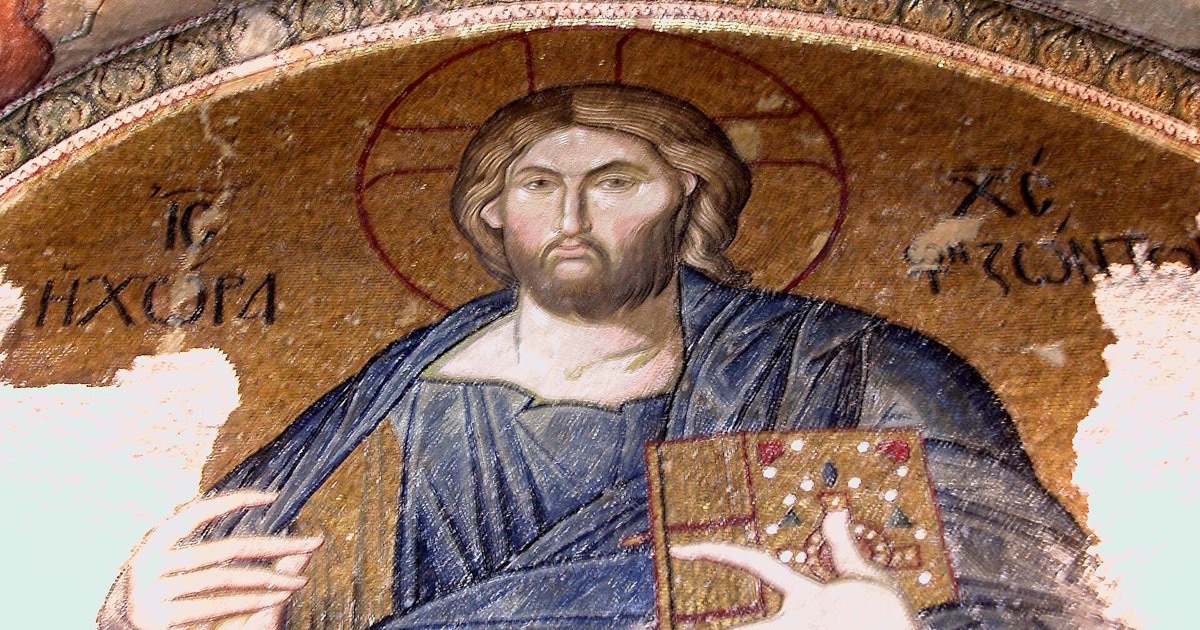
Cover photo: Christ Pantocrator the Land of the Living Mosaic Inner Narthex Chora Church Istanbul.jpg by Ywpark2003 Prof. Yong Woo Park · CC0 via Wikimedia Commons
More Istanbul travel guides
- Car Rental in Istanbul: Is it Necessary
- Discovering Secret Spots in the Balat District of Istanbul
- Exploring the Ancient Cisterns of Istanbul: A Complete Guide
- Is a Food Tour of the Spice Bazaar in Istanbul a Must-Do
- Istanbul Suleymaniye Hamam: Traditional Turkish Bath Experience
- What Makes Istanbul's Whirling Dervishes Ceremony a Must See - Magic
Plan your trip
Book Istanbul attraction tickets
Skip-the-line tickets and guided tours for Istanbul's top sights, with mobile tickets and flexible cancellation.
See tickets on TiqetsWe may earn a commission from bookings made through this link, at no extra cost to you.
Travel Community
Heading to Istanbul?
Connect with fellow travelers going to Istanbul, swap first-hand tips, and find travel companions for your dates — free to join.
Connect with Istanbul travelersReviewed by our editor for Türkiye & the Eastern Mediterranean
Elif DemirTürkiye & Eastern Mediterranean Editor
Travel writer covering Türkiye and the Eastern Mediterranean, from Istanbul's old city to the Aegean coast.
More articles by Elif Demir →