
Travelers seeking authentic cultural experiences in Thailand often overlook the hands-on side of Pattaya’s creative scene.
Travelers seeking authentic cultural experiences in Thailand often overlook the hands‑on side of Pattaya’s creative scene. Handicraft weaving tours offer a rewarding way to connect with local artisans while adding meaningful, sustainable souvenirs to your luggage. From bamboo workshops to miniature replicas of famous landmarks, the city’s craft circuit provides a refreshing alternative to beach‑side nightlife.
What are the best handicraft and weaving tours near Pattaya?
Artisan villages around Pattaya commonly run day trips where skilled weavers demonstrate traditional silk and cotton textile techniques. Visitors can often join a brief workshop, trying their hand at a simple pattern before taking home a handmade Thai gift.
Cultural villages in the area blend performance art with craft demonstrations, offering sessions that showcase bamboo carving, pottery, banana‑leaf art and a market of eco‑friendly crafts. These settings are popular with families looking for safe, educational outings that highlight sustainable souvenirs.
For those with limited time, many travel agencies bundle a quick visit to a local handicraft workshop with a scenic coastal walk, providing a hands‑on experience without sacrificing the chance to enjoy Pattaya’s famous shoreline.
How can I book a sustainable bamboo weaving workshop?
Bookings are usually made through the village office or local travel agents; reserving in advance is advisable, especially during peak periods. Some workshops may offer complimentary introductory sessions where participants create a small basket or decorative item under the guidance of an experienced weaver.
The workshop typically runs during daylight hours and includes a brief orientation on sustainable sourcing practices followed by hands‑on weaving. Participants are encouraged to bring reusable water bottles, as many venues provide filtered water stations to minimise plastic waste. After the session, additional items can be purchased from the on‑site shop, which often stocks a curated range of sustainable souvenirs.
What can I expect during a miniature park arts and crafts tour?
A typical tour begins with a guided walk through a miniature park where replicas of famous Thai landmarks are displayed alongside handcrafted souvenirs. Guides highlight the techniques used to produce the tiny sculptures, many of which are made by local artisans who also run nearby workshops.
The itinerary then moves to a dedicated craft studio where visitors can join a short class in traditional Thai weaving or bamboo carving. All necessary tools are supplied, and the instructor explains the cultural significance of each pattern or design. By the end of the session, participants usually finish a small woven coaster or decorative bamboo charm.
The tour concludes with a brief market stroll, allowing guests to browse a selection of handmade Thai gifts and sustainable souvenirs prepared by local vendors.
Are there family‑friendly craft classes available in Pattaya?
Many workshops design sessions specifically for parents traveling with children. Junior weaving classes let kids learn basic bamboo splitting and braiding techniques, producing simple items such as coasters or miniature baskets to take home. Other programs offer easy pigment‑mixing and stencil work that aligns with the cultural displays.
Family‑oriented craft days at cultural villages often include rotating stations for traditional Thai weaving on looms, coconut‑shell carving, and sustainable souvenir workshops where participants assemble reusable tote bags from locally sourced fabrics.
- Book in advance during school holidays to secure a spot.
- Choose a morning slot to avoid the afternoon heat.
- Dress children in comfortable clothing that can get a little stained; most workshops provide aprons.
- Bring a reusable water bottle; many venues have refill stations.
- Inquire about group discounts, which are sometimes offered for larger families.
Which local artisans offer authentic Thai souvenirs in Pattaya?
The most reliable source for genuine handmade Thai gifts remains the artisan villages that have operated for generations. Here you can find bamboo jewelry, decorative panels, kitchen utensils, hand‑dyed silk scarves, recycled‑paper notebooks and carved teak figurines. Vendors often demonstrate their techniques, giving visitors confidence in the authenticity of the items.
At cultural villages, resident artisans showcase traditional Thai weaving on silk looms and sell finished products directly to visitors. Many items are produced from locally sourced, organic fibers or reclaimed wood; look for clear labeling that indicates material origins and artisan information.
How much do handicraft workshops cost for travelers in Pattaya?
Pricing for craft classes varies according to the type of material, duration and whether the session is private or group‑based. Expect modest entry fees that cover raw materials and a finished souvenir; additional optional items may be available for purchase at a reasonable extra cost.
What is the duration of typical weaving tours around Pattaya?
Most organized weaving tours last several hours, allowing participants to travel to a workshop, receive a brief history lesson and complete a hands‑on session. Some itineraries combine multiple craft stops, extending the experience while still focusing on practical participation.
How do I get to cultural villages from Pattaya’s beachfront?
The most convenient way to reach nearby cultural villages is by hiring a local songthaew (shared pickup truck) or arranging a private taxi. Travel time is typically around half an hour, depending on traffic. Some operators also provide scheduled services that include a brief stop at a handicraft workshop and a lunch featuring regional dishes.
Are there any eco‑tourism certifications for Pattaya craft workshops?
Several workshops display eco‑tourism badges indicating they follow waste‑reduction practices, source raw materials locally and aim to provide fair wages to artisans. When such signage is present, travelers can expect transparent information about material sourcing and steps taken to minimise environmental impact.
Editor's Note: If you wish to support certified sustainable practices, ask the guide to show any eco‑tourism signage before joining a class.
Practical Tips for Visiting Pattaya
- Plan Ahead: Reserve your weaving class in advance, especially during busy periods.
- Dress Appropriately: Wear comfortable clothing that can get a little dusty; many workshops require floor seating or handling raw bamboo strips.
- Bring Cash: Smaller studios may not accept credit cards, so carrying enough Thai baht ensures smooth transactions for fees and optional souvenir purchases.
- Stay Hydrated: Workshops are often located in open‑air settings without air‑conditioning; a bottle of water helps you stay refreshed during the hands‑on portion.
- Ask About Materials: Inquire whether bamboo or silk used is sourced locally; this supports the community and guarantees an authentic product.
- Respect the Process: Many artisans view their craft as a cultural ritual. Observe quietly, follow the instructor’s guidance, and avoid rushing the weaving steps.
- Leave a Review: Positive feedback on travel platforms helps sustainable workshops gain visibility and attract responsible tourists.
Recommended Pattaya Activities
Frequently Asked Questions About Pattaya
How do I find reputable handicraft tours in Pattaya?
Start by reading recent traveler reviews on platforms that focus on cultural experiences. Ask the concierge at your hotel for workshops that have consistently positive feedback. Look for tours registered with the Tourism Authority of Thailand, which indicates compliance with local standards.
What types of crafts can I learn to make on a Pattaya weaving tour?
Most workshops teach bamboo weaving, used to create baskets and decorative panels. Rattan weaving is also offered, producing sturdy furniture components and lamp shades. Banana‑leaf weaving creates eco‑friendly containers and ceremonial items. Some sessions introduce simple silk thread weaving for wall hangings.
Is it necessary to speak Thai to join a craft workshop in Pattaya?
Many workshops employ English‑speaking instructors, especially those that cater to international tourists. Bilingual staff often translate key instructions, ensuring participants understand safety guidelines. Learning a few basic Thai greetings can enhance the interaction but is not mandatory.
Can I purchase the items I create during the workshop?
In most cases, the piece you finish belongs to you as a souvenir of the experience. Some venues sell additional finished items, giving you the option to buy matching accessories. Workshop organizers may offer a small discount for participants who decide to purchase extra pieces.
Are there group discounts for families or large parties?
Many craft centres provide reduced rates when several people book together. Family packages often include an introductory session followed by a longer hands‑on period. To secure the best price, contact the workshop ahead of your intended visit.
What is the best time of year to attend a bamboo weaving workshop in Pattaya?
The dry season, running from November through February, offers comfortable temperatures for indoor and outdoor activities. Lower humidity reduces the risk of bamboo drying out too quickly during the session. Tourist crowds are also lighter, allowing for more personalized instruction.
How far is a typical artisan village from central Pattaya?
Artisan villages lie roughly 15 kilometres north of Pattaya’s city centre. Travel time by car typically ranges from twenty to thirty minutes, depending on traffic flow. Public minibusses (songthaews) also serve the route, though they may make multiple stops along the way.
Do the tours include transportation from my hotel?
Some operators provide door‑to‑door pick‑up services as part of their package. Other providers ask guests to meet at a central meeting point, such as the local bus terminal. It is advisable to verify transportation options when you confirm your reservation.
What payment methods are accepted at Pattaya craft workshops?
Cash remains the most widely accepted form of payment, especially for smaller local studios. Many larger workshops now accept major credit cards, including Visa and Mastercard. Mobile wallet applications are increasingly popular, offering a contactless alternative.
Are there any age restrictions for participating in weaving classes?
Children under six years old are generally not permitted due to the use of sharp tools. Participants aged seven and above can join most sessions, provided they are supervised. Some workshops offer special “kids’ craft” slots that focus on simpler projects.
Exploring Pattaya handicraft weaving tours offers a hands‑on glimpse into the region’s artistic traditions while supporting local artisans. By choosing reputable operators, you help preserve these skills for future generations. We hope the information above equips you to plan a rewarding and responsible craft adventure in Pattaya.
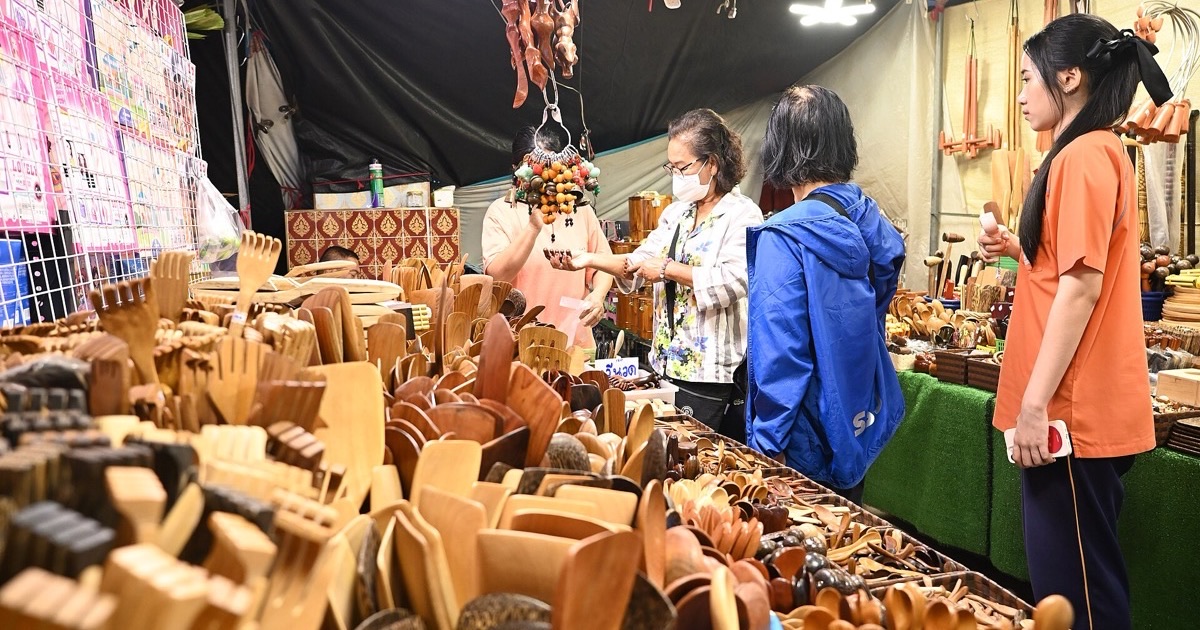
Cover photo: DFC 4910 Browsing a bustling market stall filled with handcrafted wooden utensils and souvenirs shoppers inspect items while the vendor offers assistance - Sattahip Chon Buri Thailand.jpg by PattayaPatrol · CC BY-SA 4.0 via Wikimedia Commons
More Pattaya travel guides
- Fishing Trips in Pattaya: What Fish Can You Catch
- Pattaya Bangkok Airport: Taxi Bus or Private Shuttle Which Wins
- Pratamnak Hill: Pattaya’s Beverly Hills of Luxury Living
- Halal Food in Pattaya: Restaurants, Street Food & Mosques
- Highest Bungee Jumping Spot in Pattaya
- How Many Days Should a Pattaya Detox Retreat Last
Plan your trip
Tours, tickets & activities
Browse and book experiences, attraction tickets and day trips on Klook, with instant confirmation.
Explore experiences on KlookWe may earn a commission from bookings made through this link, at no extra cost to you.
Travel Community
Heading to Pattaya?
Connect with fellow travelers going to Pattaya, swap first-hand tips, and find travel companions for your dates — free to join.
Connect with Pattaya travelersReviewed by our editor for Asia & the Middle East
Sarah ChenAsia & Middle East Editor
Travel writer covering Southeast Asia, East Asia and the Gulf — temples, street food and modern cities.
More articles by Sarah Chen →