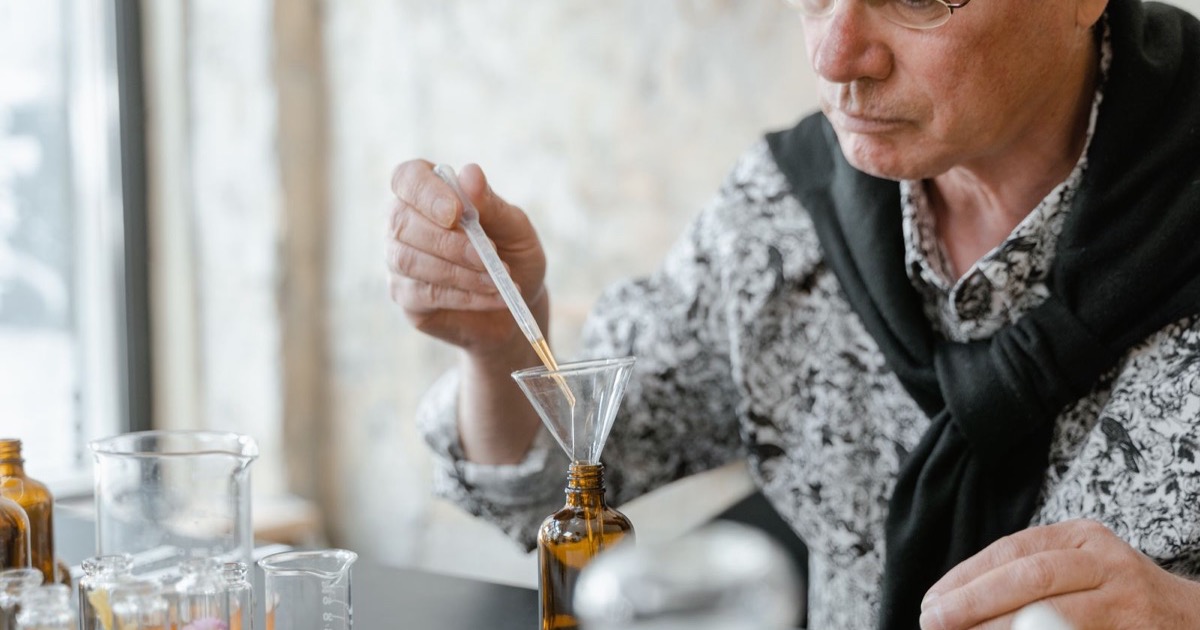

Paris perfume-making workshops have become a popular activity for travelers who want to add a personal touch to their souvenir collection.
Paris perfume‑making workshops have become a popular activity for travelers who want to add a personal touch to their souvenir collection. Located in the historic streets of Le Marais, these sessions let you step behind the counter of a French fragrance boutique and blend a scent that reflects your own memory of the City of Light. From the moment you arrive, the aroma of essential oils and the hum of expert guidance set the stage for a truly personal creation. By the end of the class you’ll leave with a bottle that carries the story of your Paris adventure.
What does a perfume‑making workshop in Le Marais include?
Each Paris perfume‑making workshop is structured around a hands‑on exploration of fragrance families, from fresh citrus to deep oriental notes. The session typically begins with a brief history of French perfumery, followed by an introduction to the raw materials – essential oils, absolutes, and aroma compounds – that compose a classic Eau de Parfum. Participants then move to a workstation where they can test accords, adjust ratios, and ultimately bottle a custom perfume.
Most studios in Le Marais provide a curated selection of ingredients sourced from Provence and the Mediterranean. The curriculum is designed for both novices and seasoned scent enthusiasts, offering an experience that balances education with creative freedom. In addition to the fragrance itself, many classes include a short guide on how to store and layer your new perfume, ensuring the scent evolves gracefully over time.
Beyond the core blending activity, workshops often incorporate a brief tour of the boutique’s historic perfume archives or a tasting of complementary teas and chocolates that echo the olfactory notes you are working with. This added context enriches the perfume‑making experience, turning a simple class into a miniature cultural immersion.
How long does a typical Paris perfume creation class last?
The duration of a perfume‑making workshop can vary depending on the depth of the program and the number of participants. Sessions usually run for around one to two hours, providing enough time to explore the scent palette, create a personalized fragrance, and receive a short briefing on perfume etiquette. Some premium options extend longer, allowing for a more detailed discussion of the chemistry behind each note and a larger bottle size.
For travelers on a tight schedule, shorter “express” classes focus on the essential steps of scent selection and blending, while still delivering a high‑quality custom fragrance. Longer workshops often include a complementary walk through the surrounding Marais district, highlighting nearby perfume boutiques and historic perfume houses, which adds a layer of Paris perfume boutique tours to the itinerary.
Which perfume studios in Paris offer English‑language workshops?
Several reputable perfume studios in the capital cater to international visitors with English‑language sessions. These studios walk participants through the art of blending, from selecting top notes to fixing the base, and provide a concise yet thorough explanation of how to make perfume in Paris.
What are the price ranges for custom perfume workshops in Paris?
Paris offers a spectrum of pricing for a custom perfume workshop, reflecting the reputation of the house, the length of the session, and the selection of raw materials. A modest entry fee typically covers a brief overview of scent families and a chance to blend a simple eau de toilette. Mid‑range workshops usually include a personal consultation, a guided tour of the ingredient library, and a take‑home bottle of the finished fragrance.
Premium packages can be considerably higher, often combining a private workshop for a small group with deeper exploration of natural absolutes and additional souvenir items. Some studios add a modest surcharge for guided walking routes that connect the workshop with nearby historic perfumeries; this extra fee enriches the itinerary with context about the city’s olfactory heritage.
Can I bring a group or celebrate a special occasion at a Paris fragrance workshop?
Most French fragrance workshops in Le Marais are flexible about group sizes. Small parties of two to six participants can reserve a private session, which guarantees exclusive use of the blending stations and a dedicated perfumer to tailor the experience. Larger groups may need to split across adjacent workstations or book an event that accommodates up to a dozen guests. In either case, the studio will adjust the itinerary to include a brief history of perfume making in Paris, a hands‑on segment for each participant, and a collective “scent reveal” at the end.
Celebrating a birthday, anniversary, or milestone is straightforward. Many studios offer add‑on options such as a personalized label with the occasion’s date, a small box of gourmet chocolates, or a celebratory beverage served during the final unveiling of each custom scent.
- Reserve your slot in advance, especially for weekend dates.
- Specify any dietary restrictions if you plan to include food pairings.
- Ask the studio to prepare a short briefing on the fragrance families you wish to explore.
- Confirm the number of take‑home bottles; extra bottles may incur a small fee.
- Request a digital copy of the custom scent creation guide for post‑workshop reference.
What ingredients and scents are available for creating a personalized perfume in Paris?
The ingredient palette in a Paris perfume workshop is both extensive and carefully curated. Core families include citrus (bergamot, orange, grapefruit), floral (rose, jasmine, ylang‑ylang), green (galbanum, violet leaf), woody (cedar, sandalwood, vetiver), and oriental (amber, vanilla, benzoin). Many studios also stock rare natural absolutes, allowing participants to craft truly distinctive blends.
In addition to single notes, workshops often provide pre‑blended accords that serve as building blocks for a custom fragrance. These accords—labelled “fresh,” “spicy,” “sweet,” or “earthy”—help beginners understand how scent layers interact. Participants can experiment by adding a few drops of a base accord to a top‑note citrus blend, then finishing with a heart‑note floral to achieve balance.
For those interested in sustainability, several Paris studios now offer a line of ethically sourced, organic ingredients. These are clearly marked on the ingredient board, and the perfumer can explain the provenance of each oil, from farm to bottle. Whether you prefer a classic French bouquet or a modern, unisex composition, the variety of raw materials ensures that each custom perfume reflects personal taste and the creative spirit of the city.
How do I book a perfume‑making experience in Le Marais?
Most workshops allow online reservations; check the studio’s website for availability and to select a suitable date. Choose a weekday slot if you prefer a quieter environment, as weekend sessions often fill more quickly. After confirming the date, you will typically be asked to provide the number of participants, any fragrance preferences, and a contact email.
Payment is usually required at the time of booking, with credit cards or major e‑wallets accepted. A confirmation email containing the workshop address, start time, and a brief questionnaire about scent families will be sent automatically. Policies for modifying reservations vary by studio; many allow changes shortly before the session, but it’s best to verify the specific terms.
What should I wear and bring to a Paris perfume workshop?
The setting is a small, climate‑controlled studio, so comfortable, breathable clothing works best. Opt for short‑sleeved shirts or blouses and trousers or skirts that allow you to move freely around the workbench. Avoid strong personal fragrances—perfume, cologne, or scented lotions—so the delicate notes you create remain unmasked. A light scarf can be useful for protecting your neck from occasional splashes of essential oils.
Bring a notebook or a tablet for jotting down impressions of each accord, a reusable water bottle, and a small bag for your finished bottle. Many ateliers provide a complimentary apron, but you may wish to bring a spare shirt in case of accidental spills. Below is a quick reference guide to help you pack efficiently.
| Item | Reason | Suggested Option |
|---|---|---|
| Neutral clothing | Allows you to focus on scent without visual distraction | Cotton shirt, dark trousers |
| Unscented footwear | Prevents cross‑contamination of aromas | Leather flats or clean sneakers |
| Notebook or tablet | Record fragrance notes and personal preferences | Small spiral notebook or iPad |
| Reusable water bottle | Stay hydrated during the aromatic session | Stainless steel bottle |
| Light scarf | Protects neck from occasional splashes | Silk or cotton |
| Bag for finished perfume | Safely transport your custom bottle home | Soft cloth pouch |
Are there any age restrictions for participating in a perfume creation class in Paris?
Most perfume workshops welcome participants from the age of 12 onward, provided they are accompanied by an adult if under 18. The minimum age reflects safety guidelines for handling concentrated essential oils and alcohol bases. Some ateliers offer a “Junior” version of the class, shortening the session and focusing on sweeter, fruit‑based accords that appeal to younger senses.
For guests over 65, there are no formal restrictions, though a few studios recommend a brief health disclaimer for individuals with severe respiratory sensitivities. If you have a known allergy to specific botanical extracts, inform the instructor during the pre‑workshop questionnaire; most houses can adjust the ingredient list accordingly.
Practical Tips for Visiting Paris
- Plan Your Transit: Purchase a Navigo Découverte pass for unlimited metro and bus travel; it saves time and simplifies navigation across the city’s districts.
- Mind the Hours: Many boutique workshops close for a long lunch break around midday, so schedule appointments accordingly.
- Stay Connected: Download a reliable offline map app before arrival; cellular coverage can be spotty in historic underground stations.
- Secure Your Purchases: Ask the shop for a discreet bag if you buy a bottle of perfume; this reduces the risk of breakage on the metro.
- Respect Local Etiquette: Keep phone volume low in small studios and refrain from taking photos unless permission is granted.
- Currency Ready: While cards are widely accepted, some smaller perfumeries prefer cash for quick transactions.
- Hydrate Frequently: The scent concentration can be intense; sipping water between olfactory tests helps reset your palate.
Sources & Further Reading
Recommended Paris Activities
Frequently Asked Questions About Paris
Do I need prior knowledge of perfumery to join a Paris perfume making workshop?
No formal training is required; the sessions are designed for beginners and seasoned scent lovers alike. Instructors start with a brief history of fragrance families before guiding you through the basics of blending. You will receive a simple worksheet that explains each oil’s role, so you can follow along without feeling lost. The supportive atmosphere encourages questions at every step.
How far in advance should I reserve a spot for a perfume making class in Le Marais?
Because studios limit group sizes to maintain a hands‑on experience, it is wise to book ahead of time. Popular weekend slots often fill quickly, especially during peak tourism periods. If your travel dates are flexible, mid‑week sessions tend to have more availability.
Is the perfume I create at the workshop my own trademarked scent?
The fragrance you compose is unique to you, but workshops do not provide legal trademark services. You receive a small bottle labeled with the name you choose, which serves as a personal keepsake. Should you wish to protect the formula commercially, you would need to consult an intellectual‑property attorney after the class.
Can I purchase additional fragrance oils after the workshop?
Many studios keep a curated selection of raw materials on hand for post‑class sales. You can buy extra drops of your favorite notes at rates that are often lower than retail stores. Payments are accepted by card or cash, and the staff will package the oils securely for travel.
What is the cancellation policy for perfume workshops in Paris?
Cancellation policies vary between providers; some allow changes up to a couple of days before the session, while others may charge a fee. Always check the specific terms on the booking page before confirming.
Are there vegan or cruelty‑free options for the perfume ingredients?
Yes, many Paris perfume‑making workshops now stock plant‑based absolutes and synthetics that contain no animal derivatives. The ingredient list is clearly marked, allowing you to avoid any animal‑derived components while still achieving depth and complexity in your blend.
Do the workshops provide a certificate or proof of participation?
Upon completion, most studios hand out a printed certificate that includes the date, your name, and the workshop title. Digital copies are sometimes emailed for easy storage, providing a pleasant reminder of your creative effort.
Is transportation needed to reach the perfume studios in Le Marais?
The district is well served by metro lines, and many studios are located within a short walk from the nearest stop. If you stay in central Paris, a single ride on the bus or a brief taxi trip will get you there without hassle. Some locations also provide information about nearby bike‑share docks.
Can I gift a perfume making workshop experience to someone else?
Most studios sell gift vouchers that can be redeemed for any upcoming class. The voucher is usually delivered electronically, allowing you to personalize the message and print it if desired. Recipients can choose a date that fits their schedule, subject to reservation guidelines.
What safety measures are in place for handling fragrance chemicals during the class?
Instructors typically require participants to wear disposable gloves and provide goggles for work with concentrated extracts. Workstations are equipped with proper ventilation, and all chemicals are stored in sealed containers when not in use. A brief safety briefing precedes any hands‑on mixing, outlining how to avoid skin irritation and inhalation risks. Emergency contact numbers and a first‑aid kit are readily accessible.
Exploring a Paris perfume‑making workshop adds a sensory dimension to any visit, letting you leave with a scent that tells your own story. The blend of artistic guidance, ethical ingredient choices, and practical logistics makes the experience both enjoyable and manageable. By planning ahead and embracing the hands‑on process, you’ll capture a fragrant memory that lasts far beyond your stay.
More Paris travel guides
- A Foodie's Guide to Paris: Best Authentic Regional Cuisine and Tasting Tours
- Paris Foodie's Guide: Top Budget Street Eats Tasting Tours
- A Foodie's Guide to Paris: Best Coffee and Cafe Culture and Tasting Tours
- A Foodie's Guide to Paris: Best Hidden Garden Restaurants and Tasting Tours
- A Foodie's Guide to Paris: Best Late Night Eats and Tasting Tours
- A Foodie's Guide to Paris: Best Vegetarian and Vegan and Tasting Tours
Travel Community
Heading to Paris?
Connect with fellow travelers going to Paris, swap first-hand tips, and find travel companions for your dates — free to join.
Connect with Paris travelersReviewed by our editor for Europe
Marco BianchiEurope Editor
Europe travel writer focused on city culture, museums and historic routes across the continent.
More articles by Marco Bianchi →