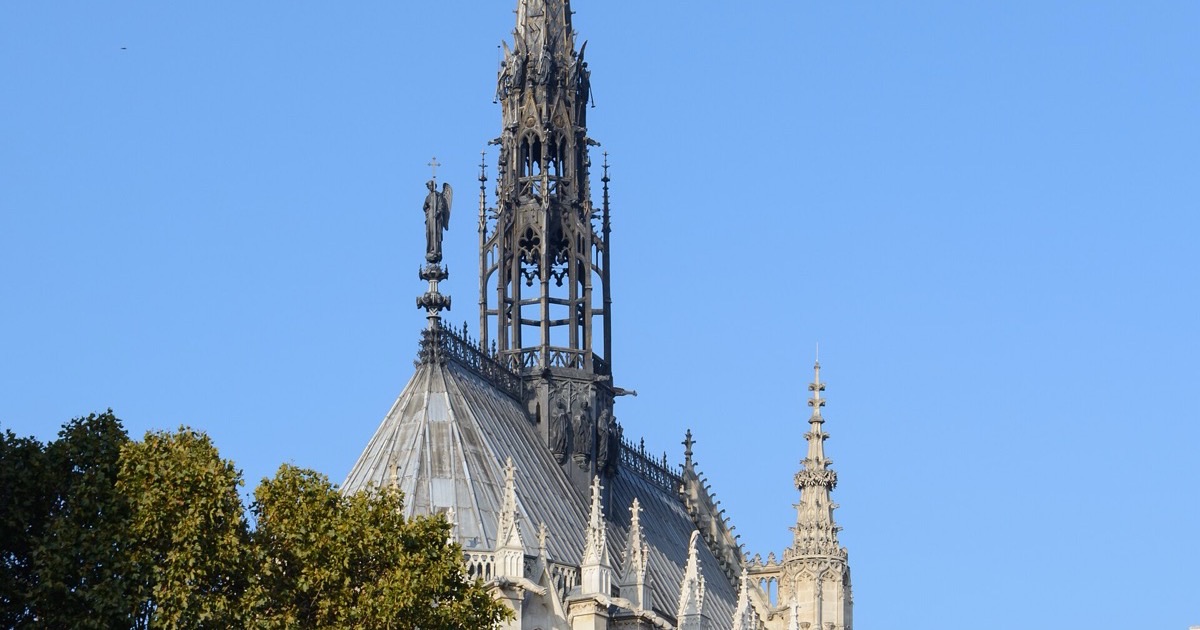

Step into the heart of Paris and let the Sainte‑Chapelle stained glass guide lead you through a kaleidoscope of color, history, and architecture. This Gothic ch
Step into the heart of Paris and let the Sainte‑Chapelle stained glass guide lead you through a kaleidoscope of colour, history and architecture. This Gothic chapel, once the Royal Chapel of Paris, houses an extensive collection of biblical scenes in stained glass that continues to dazzle visitors after eight centuries. With practical visiting tips, you’ll know when to arrive, what to see, and how to avoid the crowds. Let’s unlock the secrets of this radiant jewel on Île de la Cité.
What makes the stained‑glass windows at Sainte‑Chapelle so unique?
The windows were commissioned by King Louis IX to house his prized relics, and each pane was crafted by master glaziers of the Middle Ages art tradition. Unlike typical cathedral windows, the glass covers almost the entire upper chapel, creating a seamless canopy of light that transforms the space into a living stained‑glass manuscript. The rainbow light effect is amplified by the chapel’s soaring Gothic arches, a hallmark of Gothic architecture in Paris, allowing sunlight to filter through vivid blues, reds and golds.
Modern glass restoration projects have preserved the original pigments while reinforcing the fragile lead cames, ensuring that the kaleidoscopic display remains vivid for future generations. The narrative flow of the windows follows a chronological biblical story, turning the chapel into a visual encyclopedia of scriptural episodes. This integration of art, faith and engineering makes Sainte‑Chapelle a unique study in how stained glass can serve both liturgical function and aesthetic wonder.
Which stained‑glass panels should I prioritize when visiting?
With over 1,100 individual scenes, it’s easy to feel overwhelmed. Start with the Upper Chapel’s central rose window, which frames the Resurrection and sets the tone for the surrounding panels. Next, head to the north wall where the life of Christ is depicted in a series of vibrant vignettes, offering a clear narrative arc that many first‑time visitors find compelling. Finally, don’t miss the south wall’s depiction of the Old Testament, especially the story of Noah, which showcases some of the most saturated blues in the collection.
These three zones also align with popular photo spots, allowing you to capture the full spectrum of colour without competing with large crowds.
How can I capture the best photos of Sainte‑Chapelle’s kaleidoscopic light?
The key is timing and positioning. The chapel’s orientation means that the morning sun floods the central window, while the afternoon sun lights the north and south walls. Use a low ISO and a tripod if your camera allows, because the interior lighting can be uneven. A wide‑angle lens will capture the full sweep of the stained glass, but be careful not to include the heavy wooden beams that can distract from the colour.
For smartphone shooters, enable HDR mode and hold the device steady for a few seconds. Position yourself a few steps back from the wall to avoid glare on the glass, and experiment with shooting through the arches to frame the panels against the vaulted ceiling. Incorporating the surrounding Gothic architecture into your composition will also highlight the chapel’s place among Île de la Cité attractions, giving your images context and depth.
What are the optimal times of day to see the colours at Sainte‑Chapelle?
The stained‑glass windows reach their fullest brilliance when natural light floods the upper choir without creating harsh glare. Mid‑morning typically offers a balanced illumination that makes the biblical narratives glow with soft, saturated hues, especially around the central rose window. Late afternoon provides a different but equally striking effect, as western light filters through the lower windows and casts a warm amber tone across the stone floor and lower chapels. Seasonal variations affect the exact timing, so it’s worth checking local sunrise information during your visit.
Are there any insider tips for avoiding crowds at Sainte‑Chapelle?
Peak visitor flow tends to cluster around opening hours and popular entry times. To slip past the main stream, consider visiting early on a weekday and arriving ahead of the first scheduled entry slot. If you prefer a later visit, late afternoon can be less congested, especially outside school‑term months.
- Look into combined tickets that include nearby attractions; they sometimes offer dedicated entry lanes.
- Joining a small‑group guided tour that departs at off‑peak times may give you access to quieter entrances.
- Rainy days often see fewer visitors, and the diffused light can soften the glass colours for a unique photographic mood.
- Check the official website for any special early‑bird openings or evening events; these slots are limited and not always widely advertised.
- Some city passes include priority admission options—review the terms before purchasing.
Positioning yourself near a side aisle before the main crowd reaches the central nave can also provide a calmer viewing experience of the lower windows.
What is the historical significance of the biblical scenes depicted in the glass?
The 13th‑century windows were commissioned by King Louis IX, also known as Saint Louis, to celebrate the relics of the Passion he had acquired for the Royal Chapel of Paris. Each panel narrates a segment of the Christian story, beginning with the Creation and moving through the life of Christ, the Last Judgment, and the saints associated with the French monarchy. The selection reflects the king’s desire to legitimize his rule through divine endorsement, linking the French crown to the biblical lineage of David and Solomon.
Art historians note that the iconography serves both devotional and didactic purposes. In an era when most of the population was illiterate, the vivid colours and clear compositions acted as visual sermons, reinforcing the theological messages of the Church. The scenes also showcase technical innovations of the period: enamel paints and silver stain allowed artists to achieve a broader palette, contributing to the “rainbow light effect” that defines the chapel today.
How does the architecture of Sainte‑Chapelle enhance the stained‑glass experience?
The chapel’s structural daring rests on an ultra‑slender stone framework that essentially disappears beneath the soaring windows. By relegating load‑bearing elements to the perimeter, the designers created a luminous envelope where each pane commands direct visual attention. The result is a space where the walls become transparent, allowing the biblical narratives to unfold in a flood of colour.
Four towering stained‑glass panels rise to an impressive height, each divided into three horizontal registers that correspond to the theological hierarchy of the Old Testament, the New Testament and the Apocalypse. Light entering through the clerestory filters through the glass at a low angle, intensifying the saturation of reds, blues and golds during midday sun. As the day progresses, the shifting angle of illumination subtly alters the mood, turning the interior into a living kaleidoscope.
Equally important is the chapel’s vaulted ceiling, which mirrors the vertical thrust of the windows. The ribbed stone ribs converge on a central lantern, drawing the eye upward and reinforcing the perception that the glass is a celestial ceiling rather than a mere wall. This architectural choreography ensures that every step inside feels like an ascent toward the divine narrative painted in glass.
Can I combine a visit to Sainte‑Chapelle with other nearby attractions on Île de la Cité?
The chapel sits at the heart of Île de la Cité, a compact historic island that hosts several complementary sites. A logical itinerary begins with Sainte‑Chapelle, then proceeds a short walk to the Conciergerie, the former royal palace turned revolutionary prison. The two buildings share a common medieval heritage, and the Conciergerie's Hall of the Guards still displays original stonework that once framed the chapel’s royal audience.
From there, the iconic façade of Notre‑Dam lies just across the Seine’s western bank, reachable via the Pont Saint‑Michel. Even though the cathedral’s interior reconstruction continues, its exterior remains a striking backdrop for photographs that include the chapel’s stained‑glass silhouette. Finally, the nearby Square Jean‑Paul II offers a quiet garden where visitors can reflect before catching a ferry to the Latin Quarter.
Because the island’s attractions cluster within a short walking radius, most travelers allocate a half‑day to explore the trio of sites. The area is pedestrian‑friendly, with clear signage in multiple languages directing visitors from one landmark to the next.
Practical Tips for Visiting Paris
- Buy tickets in advance: Securing an online reservation helps guarantee entry at your preferred time and reduces queuing.
- Visit during mid‑morning: Light conditions typically produce the richest colour saturation on the upper windows, while crowds are still moderate.
- Dress for the climate: The chapel’s stone walls retain cool temperatures; a light jacket will keep you comfortable during cooler mornings.
- Use an audio guide: Synchronized narration points out details that are easy to miss, such as subtle differences between Old and New Testament panels.
- Plan a photo break: Position yourself near the central aisle for a symmetrical view of the rose windows, and consider a tripod for low‑light evening shots.
- Combine with nearby sites: Allocate extra time for the Conciergerie and Notre‑Dam to fully appreciate the island’s medieval context.
- Check restoration schedules: Occasionally a window may be temporarily covered for conservation; the official website lists any closures before you travel.
Recommended Paris Activities
Frequently Asked Questions About Paris
What are the opening hours of Sainte‑Chapelle?
Sainte‑Chapelle welcomes visitors daily with typical morning to evening hours, and it is closed on certain days for routine maintenance. During major holidays opening times may be shortened, so checking the official website before you travel is advisable.
How much does a ticket to Sainte‑Chapelle cost?
Ticket prices are tiered by age and residency. Adults pay a standard rate, while youths and senior citizens receive reduced fares. Children under a certain age often enter for free when accompanied by a paying adult. Combined tickets with nearby attractions may offer modest savings.
Is there a fast‑track or skip‑the‑line option for Sainte‑Chapelle?
The official website offers timed‑entry tickets that can help you bypass the general queue, especially during peak seasons. Some city passes also include priority admission; verify the details when purchasing.
Can I bring a camera or tripod inside Sainte‑Chapelle?
Small, non‑flash cameras are permitted for personal use, and many visitors capture the stained‑glass brilliance on smartphones. Tripods, monopods and professional lighting equipment are prohibited to protect the delicate windows. Larger bags may need to be stored in the coat check.
Are audio guides or multilingual tours available at Sainte‑Chapelle?
A battery‑operated audio guide is available for rent at the ticket desk, offering commentary in several languages. Guided tours are organized on weekends and during school holidays; they can often be booked online in advance.
What is the best way to get to Sainte‑Chapelle using public transportation?
The most convenient metro stop is Cité on Line 4, which places you a short walk across Île de la Cité. Saint‑Michel‑Notre‑Dame on Lines 4 and 10 is another nearby option, with clear signage directing you toward the chapel. Several RER lines stop at Saint‑Michel‑Notre‑Dames, providing easy access from the suburbs. Multiple bus routes also serve the area.
Is there a dress code or any restrictions for visitors?
Visitors are expected to dress modestly out of respect for the religious nature of the site; shoulders and knees should be covered. Large backpacks, umbrellas and food items are not allowed inside the chapel and must be stored in the coat check. Service animals are permitted, but pets are generally excluded except for guide dogs.
How long should I allocate for a full visit to see all the stained‑glass windows?
A thorough exploration of the chapel’s towering windows usually takes under an hour. If you wish to read detailed information panels and use the audio guide, plan for a little extra time. Photography enthusiasts may need additional minutes to adjust settings and capture the shifting light throughout the day.
Are there any special events or night openings for Sainte‑Chapelle?
Throughout the year, the chapel hosts occasional evening concerts featuring organ and choral music, announced on its official calendar. During summer months a “Night of Light” program may allow visitors to view the stained‑glass illuminated after dark, creating a unique atmosphere. Tickets for these events are sold separately.
Where can I find nearby cafés or restaurants after my visit?
The streets surrounding Sainte‑Chapelle are lined with a variety of cafés offering fresh pastries, espresso and light lunches. Traditional French bistros serving classic dishes such as onion soup and croque‑monsieur are just a short walk away on the Quai de la Corse. For a quick bite, several street vendors sell crêpes and sandwich wraps near the Pont Saint‑Michel.
Visiting Sainte‑Chapelle provides a vivid lesson in medieval artistry, and this guide equips you with the practical details needed for a smooth experience. By planning around opening hours, ticket options and transportation, you can focus on the luminous stained‑glass narrative that defines the chapel. Use this guide as a reference point, and let the colours of Paris inspire the rest of your journey. Safe travels and enjoy every moment beneath the soaring windows.
More Paris travel guides
- A Foodie's Guide to Paris: Best Coffee and Cafe Culture and Tasting Tours
- A Foodie's Guide to Paris: Best Hidden Garden Restaurants and Tasting Tours
- A Foodie's Guide to Paris: Best Late Night Eats and Tasting Tours
- A Foodie's Guide to Paris: Best Vegetarian and Vegan and Tasting Tours
- Best Michelin Star Dining in Paris: Where Locals Actually Eat Guide
- Best Street Food in Paris: Where Locals Actually Eat
Cover photo: Paris Sainte Chapelle East View 01.JPG by Uoaei1 · CC BY-SA 4.0 via Wikimedia Commons
Travel Community
Heading to Paris?
Connect with fellow travelers going to Paris, swap first-hand tips, and find travel companions for your dates — free to join.
Connect with Paris travelersReviewed by our editor for Europe
Marco BianchiEurope Editor
Europe travel writer focused on city culture, museums and historic routes across the continent.
More articles by Marco Bianchi →