
Attracting cultural explorers, the 2026 celebration is a magnetic draw, offering a nine‑day religious event that blends mystic rites with bustling street fare.
Attracting cultural explorers, the 2026 celebration is a magnetic draw, offering a nine‑day religious event that blends mystic rites with bustling street fare. Set against the rhythm of the Chinese lunar calendar, it transforms Phuket’s Old Town into a living tableau of devotion and spectacle. Visitors who time their trip for the October schedule will discover a unique blend of tradition, flavor, and unforgettable visual drama.
When does the Phuket Vegetarian Festival occur in October?
The 2026 dates for the celebration are anchored to the ninth month of the Chinese lunar calendar, placing the festivities between mid‑October and early November. Organisers usually reveal a precise window—often eight to nine days—just before it begins, giving travelers time to schedule their itinerary around the busiest days.
For 2026, the festival is expected to open around October 19 and conclude by October 27, aligning with the lunar calendar’s shift. This period coincides with the Phuket vegetarian festival October schedule that local temples publish, highlighting key processions, temple ceremonies, and nightly fire walking sessions.
Travelers should book festival accommodation Phuket early, as hotels and guesthouses in the vicinity of Thalang Road and Saphan Hin fill quickly once the dates are confirmed. Staying within walking distance of the Old Town procession routes ensures easy access to the vibrant street food stalls and ritual sites.
What are the main rituals and ceremonies of the Phuket Vegetarian Festival?
The festival’s core rituals revolve around purification, self‑discipline, and reverence for the deities believed to protect the island. Participants adopt a strict vegetarian diet, abstaining from meat, alcohol, and certain spices, a practice that underscores the spiritual intent of the celebration.
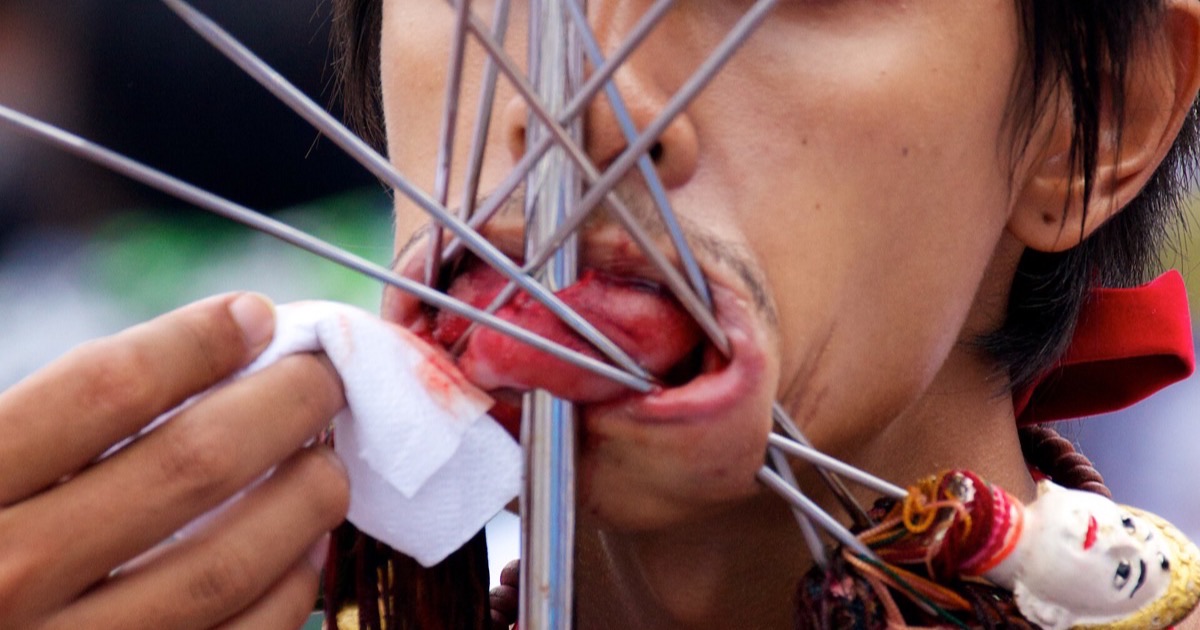
Key ceremonies include the opening incense offering at the a local shrine, where monks chant prayers to invite protective spirits. Throughout the nine‑day span, the Old Town procession showcases ornate floats, dragon dancers, and devotees bearing sharp implements—a dramatic display of faith known as the “self‑mutilation” ritual.
Below is a quick comparison of the most prominent rituals, highlighting their purpose and typical locations:
| Ritual | Purpose | Primary Location |
|---|---|---|
| Opening incense offering | Invoke protective deities and cleanse the city | a local shrine in Phuket Town |
| Self‑mutilation procession | Demonstrate devotion and seek spiritual merit | Old Town streets, especially Thalang Road |
| Mid‑festival purification | Renew vows of abstinence and cleanse participants | Various temples across Phuket |
| Closing ceremony | Mark the end of the nine‑day religious event | Phuket City Hall Plaza |
Vegetarian street food Phuket vendors line the procession routes, offering dishes such as tofu satay, mushroom noodles, and sweet pumpkin desserts. These stalls not only satisfy hunger but also embody the festival’s ethos of compassion and restraint.
How can travelers experience the fire walking tradition safely?
The Saphan Hin fire walking is perhaps the most iconic element of the Phuket vegetarian festival fire walking spectacle. Participants step across a bed of burning charcoal, believing the ritual purifies the soul and wards off misfortune. For visitors, watching the fire walk from a safe distance provides a thrilling glimpse into the depth of local belief.
Safety guidelines are enforced by temple authorities and local police. Spectators should remain within the designated viewing zones marked by ropes, avoid crossing barriers, and keep personal belongings clear of the area. Cameras are allowed, but flash photography may be restricted during the actual walk to preserve the ritual’s solemnity.
Insider tip: Arrive at the Saphan Hin pier at least 30 minutes before the scheduled fire walk—usually after sunset—to secure a good spot and watch the preparatory chants that set the atmosphere. Bring a light jacket, as the night can be cool near the water, and carry a reusable water bottle to stay hydrated while navigating the busy crowd.
Which neighborhoods host the most vibrant vegetarian street food stalls?
The historic Old Town district remains the epicenter of vegetarian street food Phuket during the nine‑day religious event. Narrow lanes lined with Sino‑Thai shophouses transform into busy corridors of aroma, where vendors serve steaming bowls of herbal porridge, fried tofu glazed with tamarind, and sweet coconut‑milk puddings. Because the Old Town procession weaves through the same streets, the stalls are strategically positioned near temple gates, allowing pilgrims to refuel without breaking their fast.
Further south, Patong’s beachfront promenade hosts a parallel cluster of stalls that cater to both locals and tourists. Here the Phuket vegetarian festival food menu expands to include grilled mushroom skewers brushed with fermented soy sauce and lotus‑root chips dusted with sea salt. The proximity to nightlife venues means the stalls stay open later, offering a convenient option for travelers who wish to experience the festival after sunset.
In the quieter neighborhoods of Chalong and Rawai, smaller but equally lively markets appear near the Phuket temple ceremonies sites. These areas are known for their emphasis on organic produce, with many stalls advertising locally sourced vegetables and herbs. Because the Phuket vegetarian festival October schedule places several temple rites in these districts, visitors can time their visits to coincide with the ritual timings and avoid the larger crowds.
What should I pack for the Phuket Vegetarian Festival in October?
October in Phuket falls within the tail end of the rainy season, so a lightweight, water‑resistant jacket and quick‑dry clothing are essential. The festival’s extensive walking routes—including the Old Town procession and the Saphan Hin fire walking area—require comfortable, closed‑toe shoes with good grip. Breathable fabrics such as linen or moisture‑wicking polyester keep you cool while respecting the modest dress expectations of temple ceremonies.
Because many participants observe a strict vegetarian diet, bringing a small supply of plant‑based protein bars or dried fruit can help maintain energy levels during long ritual sessions. Hand sanitizer, a reusable water bottle, and a compact towel are practical additions, especially when navigating crowded fire‑walking stations where hygiene stations may be limited.
- Carry a portable power bank to keep your phone charged for navigation and emergency contact.
- Pack a small, foldable rain poncho for sudden showers during outdoor ceremonies.
- Bring a reusable cloth bag for collecting any complimentary offerings or souvenirs.
- Include a modest scarf or shawl to cover shoulders when entering temple precincts.
- Prepare a compact first‑aid kit with band‑aids and antiseptic wipes for minor cuts.
How do I respect local customs and dress codes during the festival?
Temple ceremonies across Phuket require visitors to cover their shoulders and knees. Long trousers, ankle‑length skirts, or loose shorts paired with a shirt that has sleeves are the safest choices. When attending the Saphan Hin fire walking, many participants wear white cotton garments to symbolize purity; wearing similar attire shows solidarity and avoids standing out in a sea of color.
During processions, it is customary to bow slightly when passing a monk or a deity statue, and to refrain from using flash photography. Offerings such as incense sticks or fruit should be placed respectfully on the designated altar tables, never on the ground. Speaking in a low voice and moving calmly through crowded lanes helps maintain the reverent atmosphere that underpins the Thai cultural festival.
What are the best accommodation options near the festival routes?
Staying within walking distance of the main procession corridors saves time and lets you soak up the nightly chants without rushing back to a distant hotel. In the historic Old Town, boutique guesthouses blend colonial architecture with modern comforts, and many offer rooftop terraces where you can watch the lantern‑lit crowds drift by. A few mid‑range hotels line the beachfront near Patong, providing easy shuttle access to the Saphan Hin fire‑walking arena while still delivering sea views.
If you prefer a quieter setting, the hills above Kamala host resorts with private gardens and shuttle services that depart early for the temple ceremonies. These properties often include vegetarian breakfast buffets that respect the festival’s dietary rules, allowing you to start each day with a nourishing meal before joining the crowds.
How can I incorporate the festival into a broader Phuket travel itinerary?
Plan to arrive a day before the first ceremony so you can attend the opening prayer at the a local shrine in Phuket and get a sense of the ritual rhythm. Use the second day to explore the island’s natural attractions—take a morning kayak tour of Phang Nga Bay, then return in time for the afternoon procession that winds through the Chinese quarter. The third day’s fire‑walking event at Saphan Hin can be paired with a late‑afternoon dip at the nearby Kata Beach, where the sea cools the skin after the heat of the ritual.
After the festival’s climax, allocate a couple of days for cultural deep‑dives: visit the Big Buddha, wander the markets of Chalong, and sample the island’s seafood at a beachfront restaurant that lifts the vegetarian ban for the final night. The table below outlines a compact eight‑day plan that balances festival participation with Phuket’s other highlights.
| Day | Morning | Afternoon | Evening |
|---|---|---|---|
| 1 | Arrival & check‑in | Orientation walk in Old Town | Opening prayer at a local shrine in Phuket |
| 2 | Kayak tour of Phang Nga Bay | Return & rest | First procession through Chinatown |
| 3 | Beach yoga at Kata | Explore Wat Chalong | Saphan Hin fire‑walking ceremony |
| 4 | Visit Big Buddha | Lunch at vegetarian market stall | Evening market stroll |
| 5 | Island hopping (Phi Phi) | Snorkeling | Return & free evening |
| 6 | Relax at resort pool | Shopping in Patong | Final night fireworks over the bay |
| 7 | Check‑out & departure |
What transportation options are available for reaching festival venues?
Public songthaews—colorful shared taxis—run on fixed routes that intersect the main festival streets. They are inexpensive, and drivers often announce upcoming ceremony stops, making them a convenient way to hop between the Old Town procession and the Saphan Hin arena. For greater flexibility, motorbike rentals are widely available; a small engine can navigate the narrow lanes of the Chinese quarter and reach the beachside fire‑walking site within minutes.
Ride‑hailing apps operate throughout Phuket and allow you to book a car or scooter with a few taps. During peak festival days, surge pricing may apply, so it helps to schedule rides in advance or combine trips with fellow travelers. Airport shuttles and hotel minibusses typically include a stop at the a local shrine on the first day, offering a hassle‑free entry point for visitors arriving by air.
Expert Opinion: Local guide local guide notes that “booking accommodation within a 2‑kilometre radius of the Old Town procession reduces travel time dramatically and lets you experience the subtle changes in atmosphere as the crowd moves from street to temple.”
Practical Tips for Visiting the coastal town
- Dress modestly: Loose‑fitting clothing made of natural fibres keeps you comfortable during long walks and respects the sanctity of temple grounds.
- Carry cash: Small vendors and temple donation boxes often accept only Thai baht, so keep a few hundred baht on hand for snacks and offerings.
- Stay hydrated: Refillable water stations appear near major venues; bring a reusable bottle to avoid frequent purchases.
- Mind the fire‑walking perimeter: Spectators are asked to stay behind the marked line; crossing can result in injury and disrupt the ritual.
- Use sunscreen: Even in October, the tropical sun can cause burns during daytime ceremonies, especially on exposed skin.
- Plan restroom breaks: Public facilities are limited along the procession route; locate the nearest temple restrooms before the crowd builds.
- Respect photography rules: Some shrines prohibit flash photography; ask a local or look for signage before snapping pictures.
Sources & Further Reading
Recommended Phuket Activities
Frequently Asked Questions About Phuket
What is the history behind Phuket’s Vegetarian Festival?
The festival traces its roots to the early 20th‑century Chinese community that settled in Phuket. Taoist monks introduced a month‑long purification ritual to appease wandering spirits and promote health. Over decades the observance expanded to include public processions, elaborate costumes, and dramatic displays of devotion. Today it stands as a blend of religious practice and cultural showcase that attracts locals and visitors alike.
Why is the festival held during the ninth month of the Chinese lunar calendar?
The ninth lunar month is traditionally considered a time when restless spirits are most active, according to Chinese belief. Participants adopt a strict vegetarian diet to cleanse the body and mind, making them more receptive to spiritual influences. The timing also aligns with the harvest cycle, allowing communities to share abundant produce in communal meals. This convergence of cosmology and agrarian rhythm gives the festival its distinctive character.
Can non-vegetarians attend the festival events?
Yes, non‑vegetarians are welcome to observe the processions, performances, and temple ceremonies. The key expectation is respect for the dietary restrictions observed by participants, especially within temple precincts. Visitors should refrain from consuming meat in designated vegetarian zones and avoid offering non‑vegetarian items to the altars. By following these simple guidelines, all guests can enjoy the vibrant atmosphere without causing offense.
Is it safe for tourists to watch the fire walking performances?
Fire walking is conducted by experienced practitioners who follow strict safety protocols, making it generally safe for onlookers. Spectators are required to stay behind marked barriers and follow instructions from event staff. The Phuket Vegetarian Festival 2026 organizers coordinate with local fire departments to ensure emergency measures are in place. Maintaining a respectful distance and listening to the guides will allow tourists to appreciate the spectacle without risk.
Where can I find authentic vegetarian street food during the festival?
The busiest food stalls line Thalang Road and the surrounding Old Town alleys, where vendors display colorful signage indicating vegetarian options. Look for dishes such as tofu satay, mushroom noodles, and sweet pumpkin porridge, all prepared without animal products. Many stalls accept cash only, so carry small bills and coins for convenience. Sampling food from different stalls gives a broad taste of the region’s creative plant‑based cuisine.
Do I need to purchase tickets for any of the festival activities?
Most public processions and temple rituals are free to watch and do not require tickets. Certain organized tours, night‑time performances, or special workshops may charge a modest fee to cover logistics and performer costs. Tickets for these events can be bought on the day at the venue or through reputable local travel agencies. Always verify the price and inclusion details before committing to a purchase.
What COVID-19 or health precautions are recommended for festival attendees?
Travelers should carry proof of vaccination or a recent negative test, as some venues may request verification. Wearing a mask in crowded indoor spaces, such as temple interiors, helps reduce transmission risk. Hand sanitizer stations are placed at major entry points, and it is wise to use them frequently. Staying hydrated and taking breaks in shaded areas will also protect you from heat and fatigue.
How early should I book accommodation for the festival period?
Because the festival draws visitors from across the region, hotels and guesthouses fill up quickly. Booking 2‑3 months in advance secures a wider selection of rooms and often yields better rates. If you prefer a location within walking distance of the main parade routes, reserve even earlier to avoid last‑minute price spikes. Consider flexible cancellation policies in case travel plans change.
Are there any family‑friendly activities during the Vegetarian Festival?
Family‑oriented options include lantern‑making workshops, traditional dance demonstrations, and cooking classes that teach simple vegetarian recipes. Designated viewing areas near the fire‑walking stage provide safe distances for children while still allowing them to experience the excitement. Some temples host storytelling sessions that explain the festival’s myths in an engaging way for younger audiences. These activities make the Phuket Vegetarian Festival 2026 enjoyable for visitors of all ages.
What are the typical costs for food and souvenirs at the festival?
Street‑food portions usually range from 30 to 80 Thai baht, offering a satisfying meal without breaking the budget. Small souvenirs such as incense sticks, prayer beads, or handcrafted keychains cost between 20 and 150 baht. Larger items like embroidered textiles or carved wooden figurines can be priced from 300 to 800 baht, depending on craftsmanship. Bargaining is common in market stalls, so polite negotiation may lower the final price.
Visiting Phuket during the Vegetarian Festival 2026 provides a rare glimpse into a living tradition that blends spirituality, community, and culinary creativity. By planning ahead, respecting local customs, and staying informed about health guidelines, you can fully enjoy the colorful processions and unique experiences the festival offers. We hope this guide helps you navigate the event with confidence and curiosity. Safe travels and enjoy every moment of this remarkable celebration.
More Phuket travel guides
- What Couples Love About Phuket: Must-Visit Spots Unforget
- Phuket's Quiet Luxury Villas Off the Tourist Radar
- Yacht Life in Phuket: Renting vs Owning and Maintenance Costs
- 7 Secret Viewpoints in Phuket for Breathtaking Sunset Photos
- Unlock Phuket Driving: When an International Permit Matters
- Living in a Coastal Village in Phuket: A Slower Pace of Life in
Cover photo: Face Piercing Phuket Vegetarian Festival 57.jpg by Joseph Ferris III · CC BY 2.0 via Wikimedia Commons
Plan your trip
Tours, tickets & activities
Browse and book experiences, attraction tickets and day trips on Klook, with instant confirmation.
Explore experiences on KlookWe may earn a commission from bookings made through this link, at no extra cost to you.
Travel Community
Heading to Phuket?
Connect with fellow travelers going to Phuket, swap first-hand tips, and find travel companions for your dates — free to join.
Connect with Phuket travelersReviewed by our editor for Asia & the Middle East
Sarah ChenAsia & Middle East Editor
Travel writer covering Southeast Asia, East Asia and the Gulf — temples, street food and modern cities.
More articles by Sarah Chen →