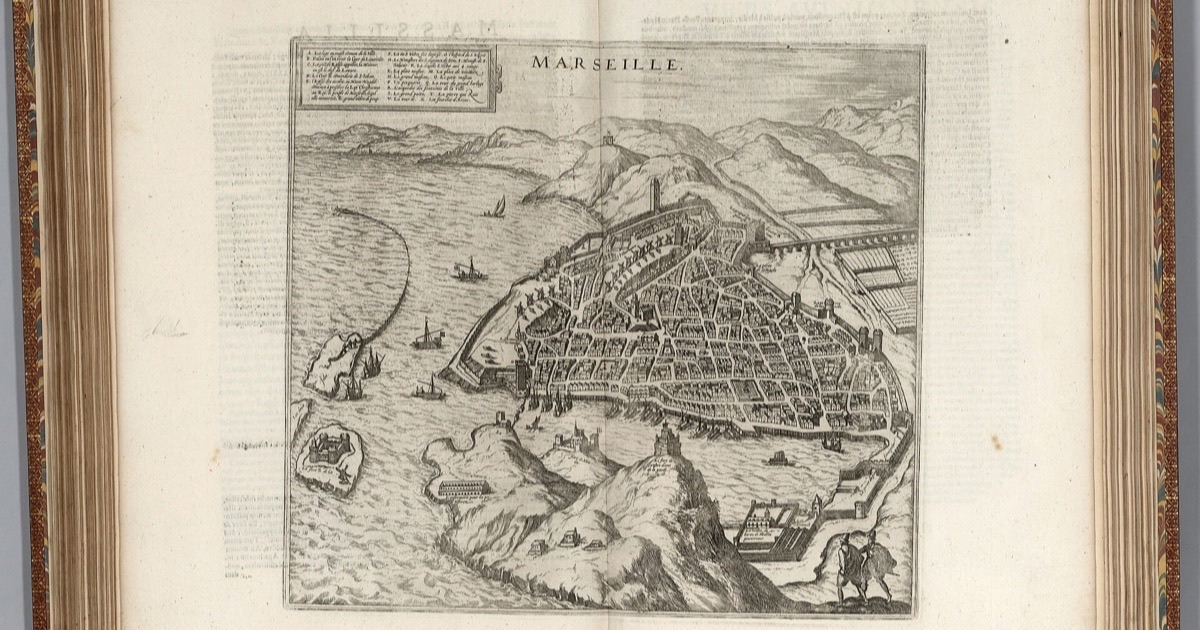

Marseille’s oldest quarter, Le Panier, offers a maze of narrow lanes, stone façades and intimate spaces that photographers crave.
Marseille’s oldest quarter, Le Panier, offers a maze of narrow lanes, stone façades and intimate spaces that photographers love. The district is popular among those hunting hidden photo spots, thanks to terraces and revived courtyards. This guide points you toward compelling corners, rooftop panoramas and alleyways where light, texture and history converge for unforgettable frames.
What are the most photogenic hidden courtyards in Le Panier?
Place de Lenche sits quietly behind a modest archway; its cobblestone floor and mature plane trees create a natural vignette that works well for early‑morning shoots. The low walls reflect soft light, allowing silhouettes of locals to be captured as they stroll by. Nearby, the courtyard of the former Saint‑Laurent church now serves as a modest garden, offering a patchwork of Mediterranean herbs and climbing vines that add colour without overwhelming the composition.
Further east, a secluded square behind the Musée d’Archéologie Méditerranéenne hides a fountain whose stone basin catches reflections of surrounding pastel façades. Wrought‑iron benches provide subtle foreground interest, especially when golden light casts long shadows across the paving. These courtyards remain largely unnoticed by the main tourist flow, giving you space to experiment with angles and long exposures.
Where can I find rooftop views for photography in Le Panier?
Several historic buildings feature rooftops that overlook the Vieux‑Port and the distant Calanques. From these elevated platforms, iron railings frame the horizon while original tiles add texture to wide‑angle shots. The ascent often involves narrow stairwells that preserve the building’s character, turning the climb itself into a visual story.
Contemporary art spaces also provide contrasting perspectives of the old district’s red‑tiled roofs against a modern skyline. Many of these rooftops include modest seating areas, allowing you to linger and capture changing light throughout the day.
Which secret alleys in Le Panier offer the best street photography?
Rue du Petit Moulin winds between pastel houses and occasional graffiti murals, creating a dynamic backdrop for candid shots. The alley’s irregular width forces you close to the walls, capturing the texture of aged plaster and the play of light on narrow passages. Early evenings bring a soft glow that highlights subtle colour shifts across the façades.
A passage behind the old market hall features stone arches that generate interesting shadow patterns as the sun moves. Photographers can experiment with leading lines that draw the eye toward distant courtyards, giving compositions both intimacy and depth.
How do I access private gardens in Le Panier for photos?
Many intimate courtyards belong to centuries‑old residences that are not open daily. A courteous greeting in French and a brief explanation of your photographic project can often lead to a warm invitation from owners, who may appreciate a modest contribution toward maintenance.
The city occasionally holds heritage days when selected private gardens are temporarily opened to the public. These events provide an opportunity to explore without prior appointments; check the municipal website for announcements.
If you prefer a guided experience, local guides sometimes arrange visits to artistic spaces on a small fee basis. Such tours typically include brief historical context, allowing you to capture both visual and narrative layers of the sites.
What time of day provides the best light in Le Panier’s hidden spots?
The quality of light changes dramatically across the narrow alleys, creating distinct moods. Early morning offers soft, diffused illumination that reduces harsh shadows on stone façades, ideal for highlighting pastel doors and shutters. Mid‑afternoon brings stronger, directional light that accentuates texture, emphasizing limestone walls and intricate ironwork. Evening’s blue hour bathes the district in a cool, atmospheric glow; street lamps add amber points that contrast with the deepening sky, perfect for long exposures that blend lingering daylight with artificial light.
Are there any guided tours that focus on photography in Le Panier?
Local cultural associations regularly organize walks tailored to photographers. These outings usually begin with a brief briefing on composition techniques suited to the district’s narrow passages, then proceed to pre‑selected locations such as rooftops, squares and concealed courtyards. Guides—often practicing photographers themselves—offer on‑the‑spot advice about framing and exposure.
Evening sessions are sometimes offered for low‑light and night photography, encouraging experimentation with handheld LEDs or light painting. Private bookings can also be arranged through local studios specializing in visual arts; these sessions are customizable in length and focus, ranging from short street‑portrait walks to full‑day immersions that include post‑processing guidance.
Which murals and street‑art locations are worth shooting in Le Panier?
The alleys of Le Panier double as an open‑air gallery where large‑scale murals converse with centuries‑old stone façades. Look for works that blend abstract motifs with maritime heritage, offering vivid contrast for colour‑rich frames. Collaborative projects on brick walls often depict the neighbourhood’s multicultural identity, combining figurative elements with bold lettering.
Smaller pieces tucked behind cafés incorporate reclaimed signage and vintage posters, providing nostalgic backdrops that pair well with street‑style portraiture. The narrow passages naturally vignette subjects, allowing you to isolate them against the art without distracting background elements.
Where can I capture an authentic Marseille sunrise from Le Panier?
The eastern edge of Le Panier opens onto low‑lying terraces that overlook the Vieux‑Port, granting unobstructed views of the sun climbing above the Mediterranean. Setting up on a rooftop or terrace at dawn lets you frame the city’s rooftops glowing in first light, creating layered skylines.
Gardens and courtyards that face east also provide intimate settings for silhouette photography, with vines or stone benches framing the horizon. These spots are especially rewarding when the early light filters through surrounding foliage, producing gentle halo effects around the sky.
How can I find quiet squares for portrait sessions in Le Panier?
Le Panier’s network of intimate squares provides perfect canvases for portrait work without heavy foot traffic. Place de Lenche, tucked behind artisan workshops, features a modest fountain surrounded by low‑lying plane trees; the gentle water sound and dappled shade create a calm atmosphere, while pastel façades add subtle colour to the background.
A short walk north leads to the secluded Cour d’Escalier, a cobblestone courtyard often overlooked by tourists. Its modest dimensions and surrounding arches form a natural frame, allowing central or off‑center compositions. Early afternoon light filters through narrow openings, casting soft beams that enhance facial features.
If you prefer a slightly larger setting, the garden square behind the Musée d’Histoire de Marseille includes wrought‑iron benches and a pergola draped with climbing roses. The muted palette and occasional floral bursts make it adaptable for both classic and contemporary portrait styles. Arriving before the midday lull helps keep the space tranquil.
What local cafés provide photogenic interiors in Le Panier?
Several cafés hide behind narrow lanes, offering interiors where décor rivals the view outside. One spot retains original wooden beams and tiled floors within a former artisan workshop; vintage Marseille postcards line the walls, while soft morning light filters through high windows, creating subtle gradients that contrast old‑world textures with contemporary coffee culture.
Another favourite is a family‑run espresso bar near Place de Lenche. Its pastel tiles and brass fixtures are complemented by locally sourced pastries that add splashes of colour. A modest courtyard framed by climbing bougainvillea offers a quiet backdrop for portrait work or detail shots of handcrafted ceramics on display.
Which historic buildings in Le Panier are open for interior photography?
The 17th‑century Maison des Arts welcomes visitors to its rooftop terrace and ground‑floor galleries, where original stone walls and vaulted ceilings provide dramatic settings for interior shots. Guided visits usually allow limited equipment, making it feasible to capture the interplay of natural light and historic architecture.
Another accessible site is a former convent now housing a cultural centre. Its cloistered courtyard opens onto arched rooms featuring frescoed ceilings and wrought‑iron lanterns. Temporary exhibitions rotate regularly, offering photographers a changing palette of artworks against centuries‑old stonework.
Sources & Further Reading
Recommended Marseille Activities
Frequently Asked Questions
Is photography allowed inside the Maison des Arts rooftop terrace?
Visitors may photograph the terrace during opening hours. Tripods are usually permitted only with staff permission, and flash use is discouraged to protect surrounding artworks. A short registration form may be required for professional‑grade equipment.
Do I need a permit to photograph in Le Panier’s public squares?
For casual handheld shooting, no permit is needed. For commercial projects—especially when using lighting rigs or large crews—a municipal permit may be required; policies can change, so verify with local authorities.
What are the best months for photography in Le Panier?
Late spring and early autumn provide soft, directional light and fewer crowds. During these periods the sun rises over the Mediterranean, casting warm tones on stone façades while temperatures remain comfortable for extended shoots.
How can I reach Le Panier using public transport?
The neighbourhood is served by several tram stops on line 2; a short walk up the hill brings you into the district’s main alleys. Additional bus connections are available nearby, offering convenient links from the train station.
Are there any photography workshops available in Le Panier?
Local art schools and independent photographers organize occasional half‑day workshops focused on street and architectural photography. These sessions often include guided walks through lesser‑known courtyards, providing participants with insider tips on composition and lighting.
Can I bring a tripod to the hidden courtyards?
Tripods are permitted in most courtyards as long as they do not obstruct pedestrian traffic. In particularly narrow passages, staff may request a smaller tabletop version to maintain safety and flow.
What safety tips should I follow when shooting at night in Le Panier?
Carry a portable LED panel rather than relying solely on your camera’s flash, which can attract unwanted attention. Keep valuables close, and consider pairing up with a local guide if you plan to explore more secluded lanes after dark.
Are dogs allowed in the photo‑friendly spots of Le Panier?
Leashed dogs are welcome in most public squares and courtyards. However, interior spaces such as museums, galleries, and the Maison des Arts restrict animal entry, so plan your route accordingly.
Where can I find free Wi‑Fi to upload my photos while exploring Le Panier?
The municipal cultural centre offers complimentary Wi‑Fi in its lobby and courtyard. Several cafés also provide open networks for patrons, making it easy to back up images before heading to the next location.
Plan your shooting schedule around opening hours and local light patterns, and keep a compact backup drive on hand to safeguard your work. With these practical steps, you’ll capture Le Panier’s unique character while staying organized and respectful of the neighbourhood.
Cover photo: Vol II (12) Marseille. (IA dr vol-ii-12-marseille-12126149).jpg by Braun, Georg, 1541-1622 Hogenberg, Franz, 1539-1590 Novellanus, Simon, d. 1590 H · Public domain via Wikimedia Commons
More Marseille travel guides
Travel Community
Heading to Marseille?
Connect with fellow travelers going to Marseille, swap first-hand tips, and find travel companions for your dates — free to join.
Connect with Marseille travelersReviewed by our editor for Europe
Marco BianchiEurope Editor
Europe travel writer focused on city culture, museums and historic routes across the continent.
More articles by Marco Bianchi →