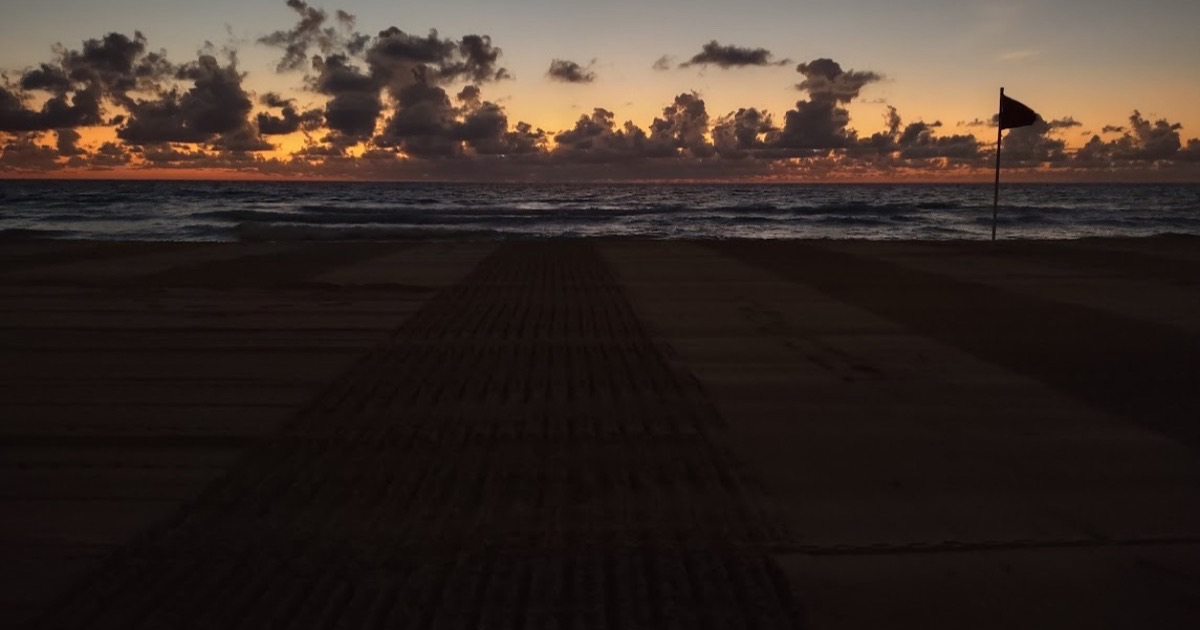

Planning a kiteboarding session in Cancun often sparks the question: Cancun morning vs evening kitesurfing – which time delivers the optimal blend of wind, heat, and…
Planning a kiteboarding session in Cancun often sparks the question: Cancun morning vs evening kitesurfing – which time delivers the optimal blend of wind, heat, and water feel? The answer hinges on seasonal patterns, daily thermal cycles, and the local sea‑breeze dynamics that shape each part of the day. By breaking down wind speeds, wind direction shifts, and water temperature trends, you can choose the slot that matches your riding style and stamina. Below, the most reliable data for 2026 is distilled into practical guidance for riders of every level.
What are the typical morning wind speeds for kitesurfing in Cancun?
During the dry season, which runs from November through May, morning winds in the Cancun corridor usually settle between 12 and 18 knots (22‑33 km/h). The trade winds that dominate this period arrive from the east‑northeast, creating a steady, predictable flow that is ideal for early‑day sessions. Because the land has not yet heated up, the temperature gradient between the Caribbean Sea and the Yucatán Peninsula remains modest, allowing the wind to stay smooth and less gusty.
In the rainy season (June to October) the picture changes. Morning breezes can be lighter, often ranging from 8 to 14 knots, as the sea‑breeze is still forming and inland heat is delayed by cloud cover. However, occasional cold fronts may boost speeds temporarily, offering brief bursts that more experienced riders can exploit. Overall, the morning window provides the most consistent wind profile across the year, especially for those who prefer a reliable launch and steady pull.
How do evening wind conditions differ from the morning in Cancun?
As the sun sets, the land surface releases stored heat, intensifying the sea‑breeze and often pushing wind speeds upward. Evening averages in the dry season climb to 15‑22 knots (28‑41 km/h), with gusts that can reach 25 knots on particularly clear days. The direction may shift slightly toward the east‑southeast, reflecting the expanding thermal cell over the peninsula. This increase is welcomed by riders seeking higher power for jumps and rapid downwind runs.
During the rainy months, evening winds tend to be more variable. Cloud cover can dampen the thermal uplift, keeping speeds closer to morning levels, while occasional thunderstorms generate sudden, strong gusts that can be hazardous. Riders should monitor local forecasts and be prepared for rapid changes, especially when planning sessions after 5 p.m.
| Aspect | Morning (Dry Season) | Evening (Dry Season) | Morning (Rainy Season) | Evening (Rainy Season) |
|---|---|---|---|---|
| Typical Speed (knots) | 12‑18 | 15‑22 | 8‑14 | 8‑16 |
| Gust Potential | Low‑moderate | Moderate‑high | Low | Variable, storm‑related |
| Wind Direction | ENE | ESE (slight shift) | ENE | ESE or variable |
| Rider Suitability | Beginners, steady‑line riders | Advanced, freestyle, jump‑focused | Beginners, light‑wind enthusiasts | Experienced, vigilant of gusts |
Is the water temperature more comfortable for kitesurfing in the morning or evening?
Water temperature in the Cancun region stays relatively warm year‑round, hovering between 23 °C and 30 °C (73‑86 °F). In the early morning, the sea surface has had the night to cool slightly, especially during the dry season, resulting in water that feels a few degrees cooler than the air. This modest chill can be refreshing for riders who prefer a crisp splash on the skin.
By evening, solar heating has raised the surface layer, making the water feel warmer and often more comfortable for longer sessions. The difference is most noticeable in the cooler months of December and January, when morning water can sit near 24 °C, while evening readings rise to 27 °C or higher. For those who dislike the sensation of cold water on the legs, the evening window offers a gentler experience.
Regardless of the hour, most kiteboarders in Cancun rely on a thin wetsuit or boardshorts with booties during the early part of the season. By late spring, many riders forgo any thermal gear, enjoying the tropical water temperature throughout the day.
Which time of day offers the most consistent wind direction for kiteboarding in Cancun?
In the Cancun corridor, the trade winds that dominate the Yucatán Peninsula tend to settle into a predictable pattern during the early hours of the day. From sunrise until roughly 10 a.m., the wind usually blows from the east‑northeast at a steady 12‑18 km/h, aligning with the prevailing sea‑breeze that forms over the Caribbean. This consistency is a direct result of the land‑sea temperature gradient that is strongest before the sun reaches its zenith. Riders who prefer a reliable line‑up will often schedule their sessions for this window, as the direction remains relatively unchanged even when gusts rise.
As the afternoon progresses, the thermal heating of the peninsula disrupts the steady flow. By 4 p.m., the wind frequently shifts toward the southeast and can vary by up to 45 degrees within a single hour. The change is driven by the development of low‑pressure cells over the interior, which draw in air from multiple quadrants. Evening sessions therefore demand a more flexible approach, with kiteists needing to adjust their heading frequently to stay in the power zone.
| Time of Day | Typical Direction (°) | Average Consistency* | Mean Speed (km/h) |
|---|---|---|---|
| Morning (06:00‑10:00) | 060‑080 (E‑NE) | 85 % | 13‑16 |
| Midday (10:00‑14:00) | 070‑110 (E‑ESE) | 70 % | 15‑19 |
| Evening (16:00‑20:00) | 110‑150 (ESE‑S) | 55 % | 12‑15 |
*Consistency reflects the proportion of time the wind stays within a 20‑degree sector of the listed direction.
How does the Cancun dry season affect morning versus evening kitesurf sessions?
The dry season, which runs from November through May, brings lower humidity and clearer skies to the Riviera Maya. These conditions influence both the thermal profile of the water and the timing of the sea‑breeze, creating distinct experiences for riders who choose to launch at sunrise versus those who prefer sunset.
Morning sessions benefit from cooler water temperatures that linger after the night’s chill, typically ranging between 23 °C and 26 °C. The cooler surface reduces the risk of overheating during high‑intensity bursts, allowing longer rides without excessive fatigue. In contrast, evening sessions often encounter water that has warmed to 28 °C‑30 °C, which can feel soothing on the feet but may accelerate dehydration if proper fluid intake is neglected.
- Morning light provides sharper visual contrast, making it easier to spot wind‑shifting clouds and reef outcrops.
- Evening glare can obscure low‑lying obstacles, requiring heightened vigilance when navigating near the Isla Blanca breakwater.
- Humidity levels drop below 70 % during the dry season, reducing the perceived temperature rise in the late afternoon.
- Sea‑breeze onset typically peaks between 08:00 and 11:00, delivering the most stable wind for early rides.
- Thermal turbulence builds after 15:00, often causing gust spikes that can be exhilarating but also demand rapid kite control adjustments.
- Sunset sessions coincide with a gradual drop in UV index, which eases eye strain but also diminishes natural visibility for distant markers.
- Evening breezes may reverse direction near the shoreline as land cools faster than water, creating localized eddies that seasoned riders can exploit for tricks.
Are there safety considerations unique to kitesurfing at sunset in Cancun?
Sunset brings a blend of aesthetic appeal and operational challenges. The diminishing light reduces the time window for spotting incoming vessels, especially fishing boats that may not use bright navigation lights. It is advisable to wear a high‑visibility safety vest with reflective strips and to keep the kite’s leading edge brightly colored.
Another factor is the potential for sudden temperature drops as the sea surface releases stored heat. This can cause a brief contraction of the water layer, creating a “thermal shock” that makes the board feel less buoyant. Riders should adjust their stance and be prepared for a slight increase in drag during the final 15‑20 minutes before darkness sets in.
Finally, many beachside restaurants and bars begin to turn on artificial lighting at dusk, which can produce glare on the water and obscure the kite’s silhouette. Maintaining a clear line of sight to the kite’s control bar is essential; using a polarized sunglass lens with a low‑light setting can help mitigate glare while preserving depth perception.
Do kiteboarding schools in Cancun recommend morning or evening lessons for beginners?
Kiteboarding schools in Cancun tend to schedule beginner sessions during the early morning hours, typically between 08:00 and 11:00 local time. During this window the trade winds Cancun generate are steady yet moderate, with wind speed forecasts ranging from 12 to 18 km/h, which gives novices enough power to lift the kite without overwhelming them. The sea breeze patterns also keep the water temperature Cancun at a comfortable 27 °C, reducing the need for thick wetsuits and allowing new riders to focus on technique.
Evening classes are still offered, especially in the high‑season months of November through May, but instructors point out that the drying down of the sea surface after sunset can create a thin layer of mist that reduces visibility. as the sun sets the wind can shift direction slightly, making the Isla Blanca kite spot feel less predictable for those still mastering basic control.
What are the price differences between morning and evening kitesurfing packages in 2026?
In 2026 most kiteboarding schools in Cancun price their morning packages a little lower than their sunset counterparts. The premium attached to evening sessions reflects higher demand for the dramatic backdrop and the added logistical costs of extended operating hours. On average, a full‑day beginner package booked for the morning runs about 5 % cheaper than the same package scheduled after 16:00.
Price variations also depend on the season. During the dry season wind consistency is at its peak, so schools may offer modest discounts for early‑bird bookings to fill the morning slots. Conversely, in the rainy season kitesurfing opportunities become scarcer, prompting a modest surcharge for any session, regardless of time of day.
- Standard 3‑hour lesson: morning ≈ US$80, evening ≈ US$85
- Full‑day (6 hours) package: morning ≈ US$150, evening ≈ US$165
- Group discount (4‑6 riders): morning ≈ US$70 per person, evening ≈ US$75 per person
- Equipment rental only: morning ≈ US$25, evening ≈ US$30
- Private instructor session: morning ≈ US$120, evening ≈ US$130
How do crowds and beach traffic impact kitesurfing experience in the morning versus evening?
Morning hours on Isla Blanca and the surrounding kite spots are generally quieter. Early arrivals find ample launch space, fewer beachgoers, and a clearer line of sight to the horizon, which helps beginners gauge wind direction without competing for space. The reduced foot traffic also means that safety zones can be marked more easily, lowering the risk of accidental kite runs into swimmers.
Evening sessions attract a larger mix of tourists who come for the sunset spectacle. This increase in beach traffic can lead to tighter launch areas and occasional interruptions as people move between the shoreline and nearby restaurants. While the atmosphere is lively, riders may need to coordinate more closely with instructors to maintain safe distances from other water users, especially when the wind picks up after dark.
Can I expect better wave conditions for freestyle kitesurfing in the morning or evening?
Morning sessions in Cancun often benefit from a more stable thermal profile. As the sun rises, the sea surface is still relatively cool, which reduces the formation of choppy chop and allows the wind to flow more evenly over the water. This consistency helps riders maintain line control and execute precise jumps or grabs without sudden gusts disrupting their rhythm.
Evening rides, especially around sunset, can bring a different set of dynamics. The cooling air mass may generate a light breeze that is ideal for down‑wind cruising, but the temperature contrast sometimes creates localized gusts that break up the wave pattern. Freestyle athletes who thrive on rapid wind shifts may find the twilight hour exciting, yet those seeking a smooth runway for technical tricks usually prefer the calm of early daylight.
What gear adjustments should I make for hotter afternoon temperatures while kitesurfing?
When the mercury climbs above 30 °C, heat stress becomes a real concern for both the rider and the equipment. Switching to a lighter board—such as a 6‑foot twin‑tip with a reduced volume—helps keep the rider’s feet cooler and improves maneuverability in stronger winds that often accompany the heat of the day. a thinner, high‑performance kite made from breathable fabric will shed excess heat and maintain better control.
Clothing choices also play a crucial role. Opt for a rash guard with UV protection and a quick‑dry boardshort rather than a full wetsuit, which can trap heat. Some kitesurfers add a detachable cooling vest or a simple wet‑towel draped over the back to promote evaporative cooling during long sessions. Finally, ensure the kite lines are inspected for any stretch caused by heat, as hotter conditions can slightly alter line tension.
Sources & Further Reading
Recommended Cancun Activities
Frequently Asked Questions
What is the average wind speed in Cancun during the morning hours?
Morning wind speeds typically range from 12 to 18 knots, with the most reliable breezes occurring between 7 am and 10 am. This window aligns with the dry season, when the trade winds dominate the Caribbean side of the Yucatán Peninsula. Riders can expect a steady flow that supports both beginners and experienced kitesurfers looking to practice new maneuvers.
Do evening winds in Cancun tend to be stronger or weaker than morning winds?
Evening winds often weaken slightly as the day cools, dropping to an average of 10 to 14 knots after sunset. However, occasional gusts can develop when sea breezes interact with inland cooling air, creating short bursts that some riders find exhilarating. Overall, the early evening is generally calmer than the mid‑morning peak.
Is it safer to kitesurf in Cancun during the morning or evening?
Safety hinges on visibility, wind steadiness, and crowd density. Morning sessions benefit from bright light and predictable wind, reducing the risk of sudden gusts that can catch a rider off guard. Evening rides may suffer from reduced visibility and occasional gust spikes, which can increase the chance of misjudgment. For most visitors, the morning offers a more forgiving environment.
How does the temperature affect my performance when kitesurfing in the afternoon?
Higher temperatures raise the water’s surface tension, making it feel slightly rougher under the board. The body also works harder to regulate heat, which can lead to quicker fatigue if hydration is neglected. Adjusting gear, staying hydrated, and taking short breaks in the shade help maintain stamina and reaction time during the hottest part of the day.
Are there any specific kiteboarding spots in Cancun that are better for evening sessions?
Isla Blanca’s western lagoon is popular for sunset rides because the surrounding mangroves shelter the area from strong gusts, creating a smoother wind corridor. Another favored spot is the Hotel Zone’s Punta Nizuc, where the open water allows the wind to settle as the sun sets, offering a wide, unobstructed view for riders who enjoy longer down‑wind runs.
What should I pack for a morning versus an evening kitesurfing day in Cancun?
For a morning outing, bring a light jacket or windbreaker, a full‑sleeve rash guard, and a reusable water bottle to stay hydrated before the sun climbs. Evening sessions call for a warm layer—such as a fleece pullover—because temperatures can drop quickly after sunset, plus a headlamp or waterproof flashlight if you plan to stay out after dark.
Do kite schools offer discounts for early morning lessons?
Many local schools provide reduced rates for lessons that start before 9 am, aiming to attract riders who prefer the calmer wind and cooler air. These discounts usually apply to group classes rather than private sessions, and they often include a complimentary equipment check to ensure everything is in optimal condition for the day.
How can I check real‑time wind conditions for planning my kitesurfing session in Cancun?
Several reliable apps and websites deliver up‑to‑date wind forecasts, including wind speed, direction, and gust information. Users can also consult the local marina’s digital bulletin board, which posts daily wind reports based on nearby weather stations. Combining both sources gives a comprehensive picture of the conditions before heading out.
Will the tide have a bigger impact on morning or evening kitesurfing?
Tidal shifts affect water depth and wave formation throughout the day, but the impact is more noticeable during low tide, which often coincides with early morning hours. As the tide rises toward the evening, the water becomes deeper, reducing the chance of hitting the reef and allowing smoother rides. Riders should still verify tide tables for their chosen spot.
What are the best times of year to choose morning or evening kitesurfing in Cancun?
The dry season, from November through May, offers consistent winds and pleasant temperatures, making both morning and evening sessions enjoyable. During the rainy season, afternoon thunderstorms can disrupt evening plans, while morning breezes remain relatively stable. Selecting a month with lower humidity—such as February or March—optimizes comfort for both early and late rides.
By matching your schedule to the prevailing wind patterns, temperature trends, and tidal cycles, you can maximize enjoyment and safety on the water. Keep an eye on daily forecasts, dress for the conditions, and adjust your gear as the heat rises to make the most of Cancun’s kitesurfing playground.
More Cancun travel guides
- Which Cancun Snorkeling Operator Lets You Dive and Preserve
- Accessible Cancun Beach Club: No Walking All-Inclusive Comfort
- Sunset Dinner Cruise from Cancun to Isla Blanca: Pricing & Booking
- Best Cancun Snorkeling Operators 2026: Who Offers Top Value
- Private Cenote Diving Tours in Cancun: Prices & Group Sizes
- Looking to Elevate Your Corporate Retreat Discover Cancun
Cover photo: Cancun, Mexico Ocean Nov 16 2022.jpg by Hollowayvideo · CC0 via Wikimedia Commons
Travel Community
Heading to Cancun?
Connect with fellow travelers going to Cancun, swap first-hand tips, and find travel companions for your dates — free to join.
Connect with Cancun travelersReviewed by our editor for the Americas & practical travel
James CarterAmericas & Practical Travel Editor
Travel writer covering the Americas plus the practical side of travel — budgets, eSIMs, visas and logistics.
More articles by James Carter →