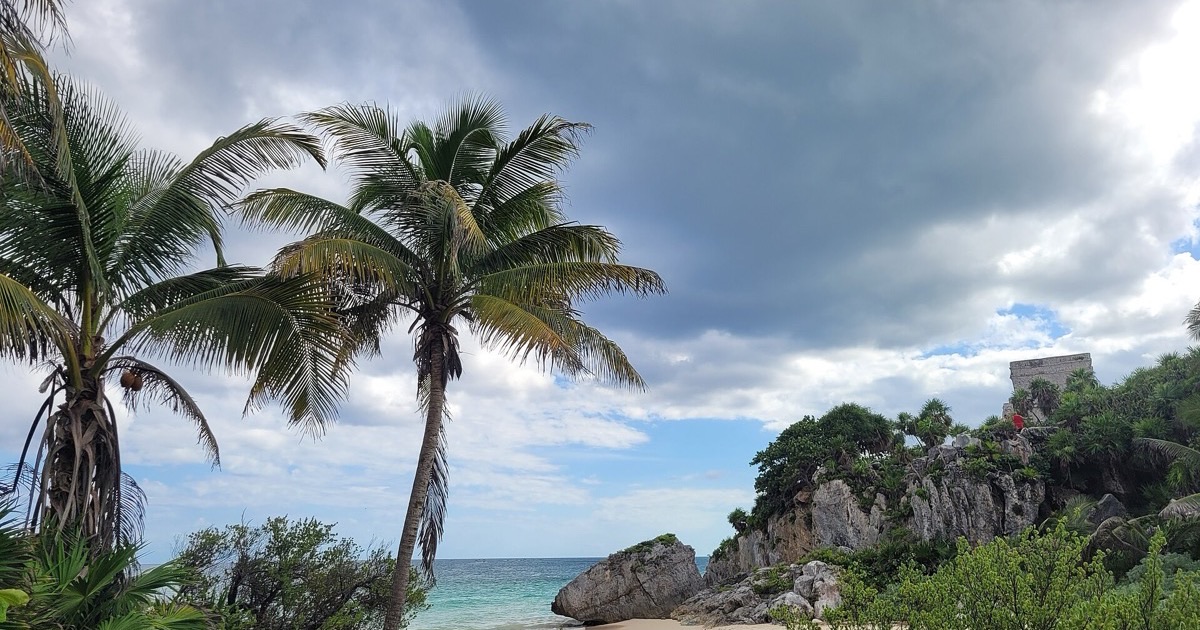

Exploring the ancient limestone cliffs of the Tulum ruins on foot offers a rare blend of history, sea breezes, and light exercise.
Exploring the ancient limestone cliffs of the Tulum ruins on foot offers a rare blend of history, sea breezes, and light exercise. For travelers looking to combine culture with a moderate hike, a guided walk provides a structured way to see the site without missing the iconic Caribbean Sea view. Below you’ll find practical advice on packing, timing, and budgeting so you can step onto the stone pathways with confidence.
What should I pack for a hiking tour of the Tulum ruins?
A lightweight, breathable shirt and quick‑dry shorts are ideal for the tropical climate, but bring a light jacket or sweater for early morning or late‑afternoon breezes that sweep off the sea. Sturdy, closed‑toe shoes with good traction protect your feet on uneven limestone steps and prevent slips near the water’s edge.
Sun protection is non‑negotiable: a wide‑brim hat, UV‑blocking sunglasses, and sunscreen with at least SPF 30 will keep you comfortable during several hours spent outdoors. A reusable water bottle is essential; many guides provide refill stations, but staying hydrated is your responsibility.
Consider a small daypack with a few extras: a compact rain poncho (rain showers are common in the summer months), insect repellent for the surrounding jungle, a portable charger for your phone or camera, and a basic first‑aid kit containing band‑aids and antiseptic wipes. If you plan to combine the hike with a nearby cenote, pack a quick‑dry towel and a change of clothes.
How long does a typical Tulum ruins hiking tour last?
Standard group walks usually take a few hours, covering the main structures, photo opportunities, and a brief stop at the cliff‑side overlook. Private tours can be longer, allowing a slower pace, deeper commentary on Maya architecture, and optional side trips to lesser‑known viewpoints.
Full‑day excursions that start from nearby towns add travel time, so the overall experience often occupies most of the day. Adding a cenote swim will extend the itinerary further.
What is the average cost of a guided Tulum ruins hiking tour?
Pricing varies by group size, guide expertise, and additional inclusions. Expect a modest fee for a standard group walk (check current rates), which typically covers the guide, entrance ticket, and basic insurance. Private walks are priced higher, reflecting a dedicated guide and more flexible itinerary.
The Tulum ruins entry fee for adults is modest; some operators bundle this fee into the tour price, while others list it separately. When comparing options, verify what is included—such as transportation, meals, or optional extras.
Are Tulum ruins hiking tours suitable for families with children?
Many operators design Maya‑ruins walks with families in mind. Guides often keep the walk short enough to stay engaging for younger travelers without causing fatigue. The route includes paved sections and shaded rest spots, helping parents manage sun exposure during the hottest parts of the day.
When budgeting, families should factor in the entry fee (a modest amount per person) and any optional cenote visits that can be combined with the hike. Day‑trip packages often include a family‑friendly cenote swim after the ruins, creating a balanced itinerary that mixes culture and water play.
| Feature | Pros for Families | Considerations |
|---|---|---|
| Length of hike | Under 1 km, manageable for children 6+ | Strollers not recommended on uneven sections |
| Guide interaction | Storytelling, wildlife spotting, hands‑on activities | Group size may affect personal attention |
| Facilities | Restrooms, shaded benches, water stations | Facilities close to entrance, not at the top |
| Combined cenote option | Cool down after the walk, safe swimming zones | Extra cost, need swimwear and towels |
| Transportation | Shuttle from nearby towns, door‑to‑door | Departure times fixed, may limit flexibility |
What is the difficulty level of the hike to the Tulum ruins?
The trail to the cliff‑top site is classified as easy to moderate. The ascent involves a gradual incline with a few short steps carved into the limestone. For most visitors, the effort required is comparable to a leisurely beach walk, though the final stretch includes a steeper rise that can be challenging for those with limited mobility. The path is well‑marked, and guides can adjust the pace to suit the group.
Environmental factors such as heat, humidity, and occasional rain can affect perceived difficulty. Carrying a lightweight water bottle, wearing breathable footwear, and applying sunscreen are essential.
- Distance from parking lot to main temple: approximately 0.8 km (0.5 mi).
- Elevation gain: roughly 30 m (100 ft) over the final 200 m.
- Surface: mixed paved and natural stone, with occasional uneven steps.
- Typical duration: around half an hour at a relaxed pace.
- Recommended footwear: sturdy sandals or low‑profile hiking shoes.
- Sun exposure: high on the cliff edge; shade available near the entrance.
- Accessibility: limited for wheelchairs; assistance dogs permitted on most sections.
When is the best time of year to hike the Tulum ruins?
The optimal window for a comfortable hike falls between late November and early April. During these months, daytime temperatures are milder and rainfall is at its lowest, providing clear skies and excellent visibility of the Caribbean Sea. Early‑season visitors also benefit from fewer crowds.
May through October constitutes the rainy season, with higher humidity and occasional tropical storms. While the ruins remain open, sudden downpours can make the stone steps slippery and increase the risk of heat‑related fatigue. Travelers who choose this period should verify that their tour provider offers flexible rescheduling options.
If you are interested in combining the hike with a cenote visit, the shoulder months of May and October offer a balance: warm water for swimming and a lower likelihood of extreme crowding. Booking in advance is advisable, as many operators adjust pricing based on seasonal demand.
Do I need to book tickets in advance for the Tulum ruins hike?
Ticket availability for the archaeological site is generally reliable, but demand can increase during holidays, school breaks, and the dry season. Checking ahead may help reduce waiting time at the gate. Policies change—verify with official sources before you travel.
If you plan to combine the ruins with a guided trek or a cenote excursion, pre‑booking is especially valuable. Many operators bundle the entrance fee with their service. If you prefer to explore independently, arriving early—before the site opens—still provides a smooth experience, though having a confirmed ticket remains the safest option.
What wildlife and plants might I see on a Tulum ruins hike?
The cliffside environment surrounding the ruins supports a mix of coastal and tropical species. Birdwatchers frequently spot white‑eyed doves, tropical kingbirds, and the occasional frigatebird soaring above the sea. Small mammals such as agoutis and coatis may be observed darting through the scrub, especially in the cooler morning hours when they forage for fruit.
Vegetation ranges from hardy cactus varieties to more delicate flowering shrubs. The limestone outcrops host epiphytic orchids and bromeliads that cling to crevices, while the ground cover includes sea grapes, mangrove seedlings, and a variety of palms. During the rainy months, the understory becomes richer, and you might encounter blooming hibiscus or night‑blooming jasmine, which adds a subtle fragrance to the trail.
- White‑eyed dove – a common, ground‑feeding bird with a soft coo.
- Frigatebird – recognizable by its striking red throat pouch during breeding.
- Coati – a raccoon‑like mammal that often travels in small groups.
- Sea grape (Coccoloba uvifera) – a shrub with clusters of edible berries.
- Mexican orange‑leaf cactus – a low, spiny plant adapted to dry conditions.
- Epiphytic orchid species – typically found clinging to limestone surfaces.
- Hibiscus – bright‑colored flowers that appear after rainfall.
Are private guides available for Tulum ruins hiking tours?
Private guides are widely offered by local agencies and independent professionals. They can tailor the hike to your interests, whether you prefer a focus on Maya architecture, ecological observations, or photography tips. The cost usually includes the park entrance fee and the guide’s time.
How far is the Tulum ruins hike from the beach?
The ancient site sits roughly two kilometres inland from the main white‑sand stretch of Tulum Beach. A relaxed stroll along the paved promenade takes about fifteen to twenty minutes, while a quick bike ride covers the distance in just a few minutes.
If you prefer a shorter walk, many visitors park near the beach entrance and catch a local shuttle that drops you at the ruins gate. The climb from the parking lot to the cliff‑top viewpoint adds another brief ascent.
What safety precautions should I take on a Tulum ruins hiking tour?
Wear closed‑toe shoes with good grip, as the limestone steps can become slick after rain. Bring a hat, sunscreen, and plenty of water; the sun can feel intense even in the early morning.
Stay on the marked trail and follow the guide’s instructions, especially near the edge of the cliff where the drop is steep. Avoid hiking after dark, and keep an eye on small insects that may be present near the vegetation.
Sources & Further Reading
Recommended Tulum Activities
Frequently Asked Questions
What is the entry fee for the Tulum ruins?
The standard admission cost for adults is modest; reduced rates are often available for students and seniors. Children under a certain age may enter free, but you should verify the exact ages on the official site before you go.
How many people are typically in a group hiking tour?
Most organized tours keep groups around ten participants to ensure a comfortable pace and personal attention from the guide. Private tours can be arranged for smaller parties or even a single traveler.
Is the trail to the Tulum ruins wheelchair accessible?
The main path includes uneven stone steps and some steep sections, making it unsuitable for wheelchairs. Visitors who need accessibility options should consider a guided vehicle tour that stops at the entrance.
Can I bring my own food and water on the hike?
Bringing a reusable water bottle is encouraged, and most guides allow light snacks such as fruit or granola bars. Large meals or alcoholic beverages are generally discouraged to keep the site tidy and respect other visitors.
What are the cancellation policies for Tulum ruins tours?
Policies vary—check with the provider for current terms before booking.
Are there any hidden costs I should be aware of?
Some tours include optional extras like a cenote swim or transportation from nearby towns, which are priced separately. Always ask the provider to list any additional fees before confirming your booking.
Do I need a passport or ID for the tour?
Domestic travelers usually only need a government‑issued photo ID, while international visitors are asked to show a passport when checking in. The ID is kept on file for safety and to verify age‑related discounts.
What languages do the guides speak?
English and Spanish are the most common languages offered. In high‑season periods, many companies also provide guides fluent in French, German, or Portuguese upon request.
Is travel insurance required for hiking tours?
Insurance is not mandatory, but many operators recommend it in case of injury or unexpected cancellations. A policy that covers medical evacuation and personal liability provides the most peace of mind.
How do I get to the Tulum ruins from Cancun?
The quickest option is a direct shuttle or private transfer, which takes around two hours along Highway 307. Renting a car gives you flexibility to stop at cenotes or beach towns along the way, while public buses run regularly but may require a change in Playa del Carmen.
Travelers who plan ahead, respect the site’s rules, and stay hydrated will find the hike both rewarding and manageable. Enjoy the blend of history and sea views that makes Tulum a standout destination.
More Tulum travel guides
- Tulum Bioluminescence Night Kayak Tours: Prices & How to Reserve
- Tulum Luxury Beach Cabana Honeymoon Cost Guide
- Tulum Private Yacht Weddings: Price Breakdown for Intimate Ceremonies
- Tulum Ruins Cultural Tours: Reviews, Prices & UNESCO Highlights
- Tulum Ruins Cycling Tours: Reviews, Prices & Bike Rental Info
- Tulum Ruins Sunset Cruise Tours: Reviews, Prices & Schedules
Cover photo: Maya ruins at Tulum - Palms and beach.jpg by Erik Cleves Kristensen · CC BY 2.0 via Wikimedia Commons
Travel Community
Heading to Tulum?
Connect with fellow travelers going to Tulum, swap first-hand tips, and find travel companions for your dates — free to join.
Connect with Tulum travelersReviewed by our editor for the Americas & practical travel
James CarterAmericas & Practical Travel Editor
Travel writer covering the Americas plus the practical side of travel — budgets, eSIMs, visas and logistics.
More articles by James Carter →