
Travelers seeking a fresh perspective on Pattaya’s culinary scene will find the rise of plant-based options impossible to ignore.
Travelers seeking a fresh perspective on Pattaya’s culinary scene will find the rise of plant‑based options impossible to ignore. The city now boasts a thriving network of vegan restaurants, vegetarian eateries, and dedicated tours that cater to every palate. Whether you’re planning a plant‑based food tour in the area or simply craving the best vegan fare Pattaya has to offer, the choices are both diverse and delicious. This guide walks you through the top spots, neighborhoods, and a sample itinerary to make the most of your plant‑based adventure.
What are the must‑visit vegan restaurants for a Pattaya food tour?
Pattaya offers a growing selection of vegan and vegetarian eateries that reinterpret Thai classics with plant‑based ingredients. Many venues serve creative dishes such as jackfruit “pulled pork,” coconut‑cream curries, tofu satays and mushroom‑based “seafood” platters, all prepared with locally sourced produce.
Which vegetarian‑friendly neighborhoods are best for exploring plant‑based cuisine?
Central Pattaya, with its busy streets and proximity to major hotels, offers a high concentration of vegan‑friendly restaurants and street food stalls serving plant‑based versions of classic Thai snacks. The area’s walkable lanes make it easy to sample a variety of vegetarian dishes without straying far from your accommodation.
The Naklua district, located north of the main tourist strip, provides a quieter backdrop where local markets showcase fresh produce and vegan options. Here you can discover seasonal fruits, tofu, tempeh, and small family‑run eateries that specialize in wholesome, home‑cooked meals. The relaxed vibe is perfect for those who prefer a slower pace while still enjoying a robust vegetarian food scene.
Jomtien, known for its long beach and laid‑back atmosphere, has seen an increase in vegan delivery services that bring plant‑based meals straight to your doorstep. This convenience is especially helpful for travelers staying at beachfront resorts who want to enjoy a vegan brunch without leaving the sand. The area also hosts several cooking classes where you can learn to recreate favorite dishes at home.
How can I create a one‑day vegan food itinerary in Pattaya?
Begin with a hearty brunch at a local vegan café, enjoying smoothie bowls topped with fresh fruit and tofu scrambles. Afterward, stroll to a nearby market to sample seasonal fruits or grab a light snack.
For lunch, seek out an Indian‑style vegetarian restaurant offering thali platters that feature lentil soups, spiced vegetables and flatbreads—many of which can be prepared without onion, garlic or root vegetables for stricter dietary needs.
In the afternoon, consider joining a guided plant‑based food tour that visits hidden street stalls and a cooking studio where you can learn to make classic Pad Thai with tofu. Conclude the day with dinner at a well‑reviewed vegan restaurant, savoring dishes such as coconut‑cream mushroom soup and mango sticky rice made with coconut milk.
What local Thai dishes can be enjoyed as vegan or vegetarian options?
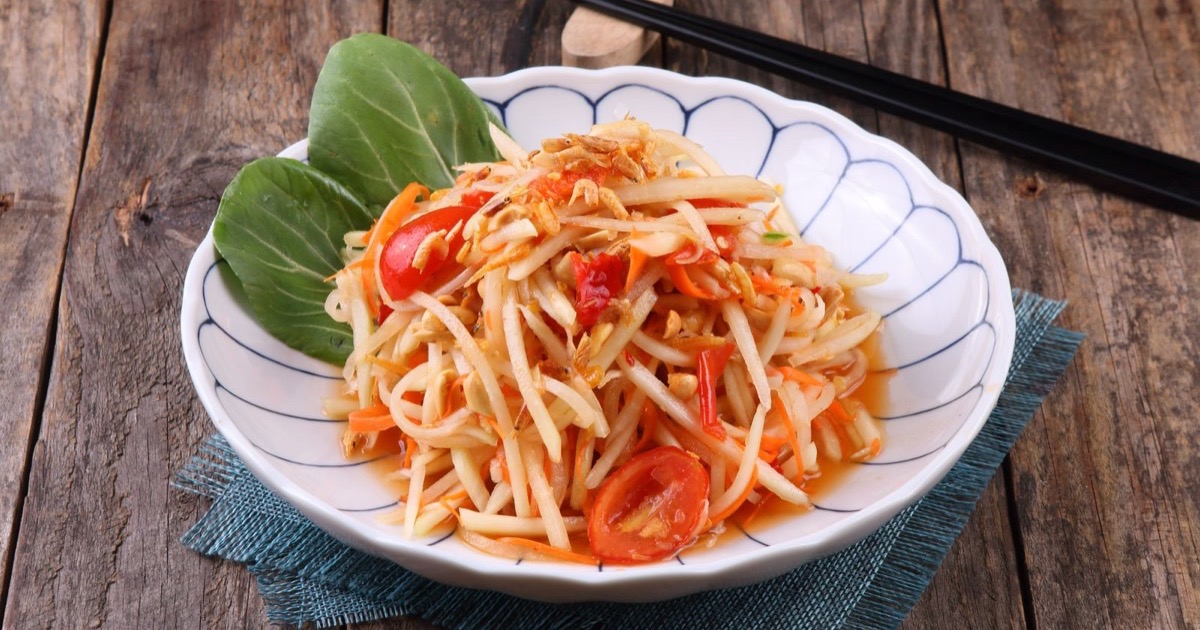
Pattaya’s street stalls and market stalls serve a surprising variety of dishes that translate easily to plant‑based meals. A classic Pad Thai can be ordered without egg and with tofu as the protein, while the tamarind‑based sauce remains untouched. Look for “pad thai jay” on menus – “jay” signals a vegetarian preparation that excludes fish sauce. Another staple is Som Tam, the shredded green papaya salad; request it without dried shrimp and with extra peanuts for crunch. The result is a bright, tangy dish that fits comfortably into a vegan itinerary.
Soups and curries also offer vegan pathways. Tom Yam can be made with mushroom broth, kaffir lime leaves, galangal, and a splash of coconut milk, delivering the signature heat without any seafood. For a heartier option, try a coconut‑milk based Green Curry with mixed vegetables and tofu; most restaurants will accommodate a request to omit shrimp paste. Finally, the ubiquitous Sticky Rice with Mango is naturally dairy‑free when served with coconut milk, making it a perfect dessert after a day of exploring.
Where can I find authentic Jain meals while traveling in Pattaya?
Jain travelers seeking strict adherence to no‑root vegetables and no animal products will find a few dedicated venues in Pattaya. Certain vegetarian restaurants label “Jain‑friendly” items on their menus, often highlighting dishes such as boiled lentils, steamed rice, and sautéed greens that avoid onions, garlic and tubers. These establishments typically source their ingredients from local organic farms familiar with Jain constraints.
In addition to stand‑alone eateries, some larger vegan‑focused cafés offer a “Jain Corner” during lunch service, where chefs prepare a limited menu that respects the no‑root rule. It is advisable to ask staff about preparation methods, as cross‑contamination can occur in busy kitchens. For travelers staying in vegan‑friendly hotels, the concierge can often arrange a private meal in the hotel kitchen, ensuring that every component meets Jain standards.
Are there guided vegan food tours available in Pattaya and how do they work?
Several operators run plant‑based food tours that combine culinary education with local sightseeing. The tours typically begin in the morning with a visit to a bustling market where participants can sample fresh fruit, coconut‑based smoothies and vegan pastries. After a short walk, the group moves to a series of vetted vegan restaurants, sampling signature dishes such as tofu satay, jackfruit “pulled pork” tacos and avocado toast.
- Book in advance during peak tourist season to secure a spot.
- Ensure the itinerary includes at least one stop at a market for fresh produce sampling.
- If you have strict dietary restrictions, ask the guide about Jain‑friendly options.
- Carry a reusable water bottle; many tours provide filtered water stations.
- Consider requesting a vegetarian tasting menu for a broader flavor profile.
What vegan street‑food stalls should not be missed in Pattaya’s night markets?
Thepprasit Market lights up after dark with stalls that have shifted to plant‑based menus. Look for fried tofu satay served with a spicy peanut sauce; the tofu is crisp on the outside and soft inside, and the sauce contains no fish sauce. Nearby, a cart offers jackfruit “pulled pork” wraps seasoned with lemongrass, kaffir lime and tamarind, delivering a smoky texture that satisfies meat‑craving travelers.
Pattaya Night Bazaar, located near the waterfront, features a dedicated vegan corner where vendors serve mango sticky rice made with coconut‑milk‑infused sticky rice and fresh mango slices. Another stall specializes in vegan som tam, using shredded green papaya, cherry tomatoes, peanuts and a tamarind‑lime dressing that omits fermented shrimp paste.
Jomtien Night Market, a short distance from the city centre, is known for inventive vegan noodle dishes. The “Pad Thai Vegan” stall replaces traditional egg noodles with rice noodles tossed in tamarind sauce, tofu cubes, bean sprouts and crushed peanuts. A side offering of coconut‑milk‑based pumpkin soup provides a comforting option for cooler evenings.
How do I locate vegan‑friendly accommodations near popular dining spots?
Most travelers start by mapping the distance between their hotel and the night markets they plan to explore. Mobile apps that highlight vegan‑friendly hotels often include filters for proximity to specific attractions, such as Thepprasit Market or Pattaya Beach Road. Selecting a property within a short walk reduces reliance on taxis and lets you sample street food on foot.
Neighborhood choice matters. Central Pattaya hosts several upscale resorts that provide complimentary vegan breakfast buffets, while the Naklua area offers boutique guesthouses that advertise plant‑based options on their menus. Jomtien, close to its night market, features mid‑range hotels that partner with nearby vegan stalls to offer discounted meal vouchers.
When booking, read recent guest reviews that mention plant‑based meals, as management practices can change. Directly contacting the property to confirm vegan options also ensures that your dietary needs are met without surprise.
What cooking classes offer plant‑based Thai recipes for travelers?
Several cooking schools in Pattaya provide half‑day or weekend workshops focused on vegan Thai cuisine. Classes typically begin with a market tour where participants select fresh vegetables, herbs and spices, followed by hands‑on preparation of dishes such as green curry with tofu, mango sticky rice, fresh spring rolls and coconut‑lime soups. Most programs include a tasting session and a recipe booklet to take home.
Practical Tips for Visiting Pattaya
- Identify vegan symbols: Look for the “V” or “Vegan” sticker on menus; many stalls now display these icons to guide plant‑based diners.
- Carry a reusable container: Street vendors often serve food in paper or plastic; offering your own container encourages sustainable practices and can speed up service.
- Use cash for small purchases: Night market stalls typically accept only Thai baht, and having exact change prevents delays.
- Stay hydrated: Pattaya’s humidity can be intense; refill your water bottle at hotel fountains before heading out to markets.
- Check ingredient lists: Some sauces contain hidden fish sauce; asking “Mai mee nam pla?” (no fish sauce?) clarifies preparation.
- Plan transport ahead: Songthaews run frequently along Beach Road; they are a cheap way to reach distant markets without waiting for taxis.
- Respect local customs: Remove shoes when entering temples and avoid eating inside sacred spaces; many temples also offer free fruit platters that are vegan.
Editor's Note: The vegan food scene in Pattaya has expanded rapidly over recent years, driven by both local entrepreneurs and international visitors. Travelers who combine market visits with cooking classes often report a deeper connection to Thai culture, as the hands‑on approach reveals the subtle balance of flavors that defines authentic plant‑based cuisine.
Recommended Pattaya Activities
Frequently Asked Questions About Pattaya
Can I find fully vegan restaurants in Pattaya or are most places vegetarian‑only?
Fully vegan establishments have multiplied across Pattaya, though many venues still operate as vegetarian‑only and may serve dairy or eggs. Dedicated vegan spots guarantee menus without any animal products. Use apps like HappyCow to verify a restaurant’s vegan status so you can enjoy a completely plant‑based day.
Is it easy to get a vegan food tour without speaking Thai?
Most organized vegetarian and vegan food tours in Pattaya cater to English speakers. Guides provide bilingual menus and translate dish ingredients on the spot. Booking through reputable agencies ensures a smooth experience despite language barriers, and some independent tours offer printed English cheat sheets for self‑guided walks.
What are the typical price ranges for vegan meals in Pattaya?
Street‑food stalls are generally inexpensive, cafés charge moderate amounts, and upscale restaurants are pricier. Prices vary, so it’s best to check current menus or ask locals for up‑to‑date estimates.
Do vegan restaurants in Pattaya offer gluten‑free options?
Gluten‑free awareness has grown, and many vegan eateries label such dishes. Rice‑based noodles, quinoa salads and chickpea pancakes are common choices. Staff typically confirm preparation methods to avoid cross‑contamination; if you have a severe sensitivity, ask for a separate cooking surface.
How far in advance should I book a guided vegan food tour?
During peak tourist months, booking a couple of weeks ahead is advisable. In the off‑season, a few days’ notice often secures a spot. Larger groups may need to reserve earlier. Online platforms usually display real‑time availability, allowing last‑minute adjustments when possible.
Are there any vegan food festivals or events in Pattaya?
Events related to plant‑based cuisine are occasionally organised; consult local tourism resources for current information.
What transportation options are best for hopping between vegan eateries?
Songthaews provide cheap, shared rides that stop near most market areas. Motorbike taxis are faster for short hops, but agree on price first. Ride‑hailing apps like Grab offer door‑to‑door service with routes that can be tailored to vegan‑friendly stops. For groups, renting a small van for the day gives flexibility.
Can I find vegan versions of popular Thai street foods like Pad Thai and Som Tam?
Many street vendors now serve Pad Thai prepared with tofu and no fish sauce. Som Tam stalls often offer a vegan version using palm sugar and lime, substituting shrimp paste with soy sauce or leaving it out entirely. Vegetarian food tours frequently include these plant‑based street staples.
Which vegan‑friendly markets sell fresh produce for cooking classes?
The Pattaya Floating Market has dedicated stalls with organic vegetables. Central Festival’s weekend farmer’s market offers locally grown herbs and tofu, while Naklua Market supplies a wide range of fresh fruits and spices. These venues often partner with cooking schools for hands‑on classes.
Is tipping expected at vegan restaurants in Pattaya?
Tipping is not obligatory; a modest gratuity is appreciated where possible. Some establishments provide a tip jar, and you may leave extra if the service warrants it.
Exploring Pattaya through its vegetarian and vegan food scene reveals a dynamic culinary landscape that welcomes every plant‑based palate. Armed with the practical insights above, you can navigate menus, transport and events with confidence. Remember to respect local customs, support sustainable vendors, and savor each flavorful bite.
More Pattaya travel guides
- Pattaya on Foot: Uncover the City's Walkable Treasures
- Cleanest Street Food Markets in Pattaya: Avoiding Food Poisoning
- Day Trip from Pattaya to Bangkok: Is It Worth It
- Pattaya to Koh Samet: How to Get There, Cost & Best Beaches
- Days in Pattaya: Balancing Beach Culture Entertainment
- How to Spot Authentic Silver Gemstone Treasures in Pattaya
Plan your trip
Tours, tickets & activities
Browse and book experiences, attraction tickets and day trips on Klook, with instant confirmation.
Explore experiences on KlookWe may earn a commission from bookings made through this link, at no extra cost to you.
Travel Community
Heading to Pattaya?
Connect with fellow travelers going to Pattaya, swap first-hand tips, and find travel companions for your dates — free to join.
Connect with Pattaya travelersReviewed by our editor for Asia & the Middle East
Sarah ChenAsia & Middle East Editor
Travel writer covering Southeast Asia, East Asia and the Gulf — temples, street food and modern cities.
More articles by Sarah Chen →