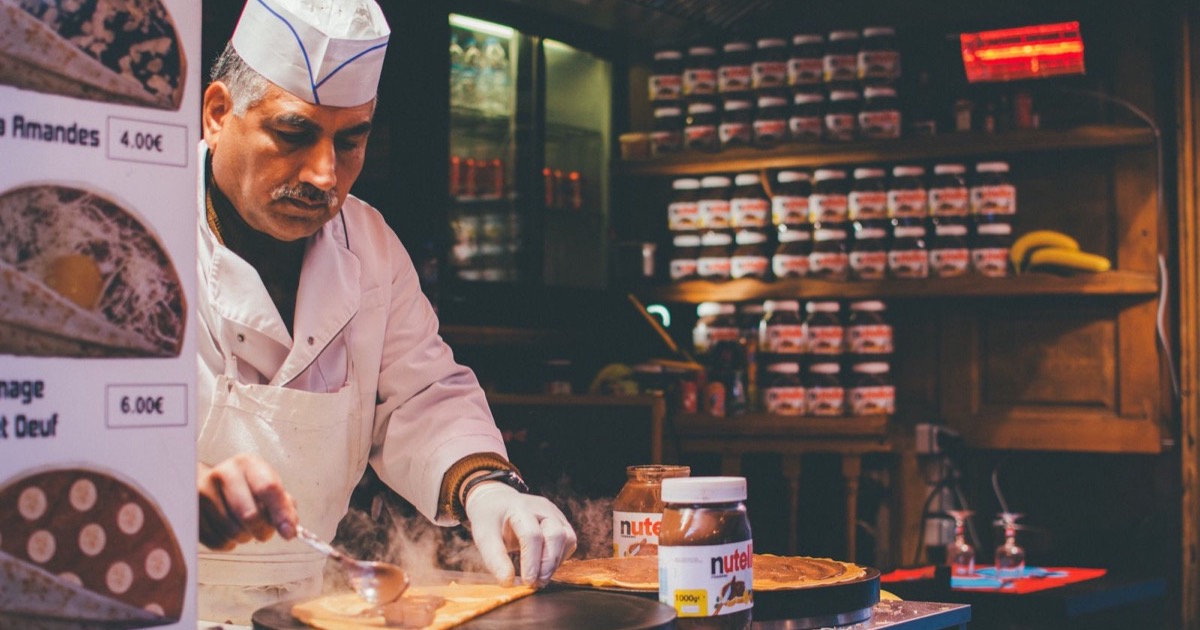

París ofrece una sorprendente variedad de sabores que no afectarán a tu bolsillo, especialmente si sabes dónde buscar las opciones más económicas de la ciudad.
París ofrece una sorprendente variedad de sabores que no afectarán a tu bolsillo, especialmente si sabes dónde buscar los bocados más económicos de la ciudad. Desde kebabs jugosos hasta crepes dulces, la escena culinaria callejera de la capital está en constante evolución, y el 2026 trae nuevos giros a los clásicos de siempre. Esta guía se centra en las mejores opciones de comida callejera económica en París, dándote la confianza necesaria para explorar sin preocuparte por tu cartera. ¿Listo para planificar un día de descubrimientos deliciosos?
¿Cuáles son las comidas callejeras baratas que no te puedes perder en París para 2026?
El primero de la lista es el icónico sándwich de falafel en Rue des Rosiers, donde una generosa ración de hamburguesas de garbanzo crujientes, ensalada fresca y salsa agria se desliza entre un pan pita caliente por un precio que se mantiene muy por debajo de los diez euros. La popularidad del puesto perdura porque las raciones son abundantes, las especias están equilibradas y la cola avanza rápido, lo que lo hace ideal para un almuerzo rápido entre visitas a museos.
Otro favorito de todos es el bánh mì vietnamita que se vende en puestos de comida cerca de las estaciones de metro del distrito 11. Una baguette crujiente rellena de cerdo marinado, verduras encurtidas, cilantro y un toque de sriracha ofrece una explosión de sabor por un coste modesto. Busca los vendedores que tengan una pequeña pizarra con el menú; suelen rotar los rellenos según los productos de temporada, manteniendo la experiencia siempre fresca.
Para un final dulce, prueba los churros recién hechos bañados en chocolate negro que aparecen en los mercados nocturnos a lo largo del Sena. Estos ligeros palitos de masa frita se espolvorean con azúcar de caña y se acompañan con una pequeña taza de chocolate caliente espeso, ofreciendo un capricho reconfortante que se ajusta perfectamente a un presupuesto ajustado.
¿Dónde puedo encontrar crepes auténticos y económicos en París?
El clásico puesto de crepes en la orilla izquierda, cerca de los Jardines de Luxemburgo, sigue sirviendo crepes finos y con mantequilla a un precio que compite con el de un café. Puedes elegir entre lo sencillo, azúcar y limón, o ir por la opción de fruta de temporada, que suele incluir fresas en verano o manzanas en otoño. La reputación del puesto reside en su servicio rápido y en el hecho de que cada crepe se prepara al momento en una tradicional plancha de hierro fundido.
Otro lugar fiable es una boulangerie económica escondida en el distrito 12, donde la afluencia matutina incluye una fila de lugareños ansiosos por probar crepes dulces y salados. Los crepes de la panadería son un poco más gruesos, lo que permite rellenos generosos como jamón, queso o Nutella, todos con precios muy por debajo del promedio de las cafeterías. Su programa de fidelización ofrece un crepe gratis tras unas cuantas compras, aportando un valor extra para los visitantes habituales.
Para quienes prefieran un recorrido gastronómico por libre, el mapa “Cheap Culinary Walking Tour Paris” destaca tres puestos de crêpes adicionales que se encuentran a menos de 15 minutos de distancia entre sí, cada uno con un toque distintivo: uno se especializa en crêpes de trigo sarraceno sin gluten, otro ofrece una versión salada de espinacas y queso de cabra, y el tercero sirve una combinación de caramelo y plátano que es perfecta para una merienda.
| Puesto de crêpes | Ubicación | Precio típico (EUR) | Relleno imprescindible |
|---|---|---|---|
| Clásico de la Margen Izquierda | Cerca del Jardín de Luxemburgo | 3‑4 | Limón y azúcar |
| Panadería con descuento | Distrito 12, cerca del metro | 3‑5 | Jamón y queso |
| Rincón Sin Gluten | A 15 minutos a pie de la Rive Gauche | 4‑5 | Espinacas y queso de cabra |
¿Qué mercados parisinos ofrecen los mejores bocados a buen precio?
El Marché des Enfants Rouges, el mercado cubierto más antiguo de la ciudad, alberga una gran variedad de puestos donde puedes probar tagines marroquíes, takoyaki japonés y manakish libanés por menos de diez euros cada uno. La distribución del mercado invita a dar un paseo sin prisas, permitiéndote comparar raciones y precios antes de decidir dónde comer.
Otra opción excelente es el bullicioso Marché d'Aligre, en el distrito 12. Aunque el mercado es conocido por sus productos frescos, la zona de puestos de comida cuenta con numerosos vendedores que ofrecen sándwiches económicos, wraps de falafel y crepes. El ambiente es animado y muchos puestos aceptan pagos con tarjeta, lo cual resulta muy práctico para los viajeros que no llevan efectivo.
Si prefieres un ambiente más local, dirígete al pequeño Marché des Batignolles en el distrito 17. Aquí encontrarás una mezcla de boulangeries francesas y food trucks internacionales, cada uno con raciones de degustación que se mantienen dentro de un rango de precio modesto. La proximidad del mercado a varias paradas de metro lo convierte en una adición sencilla para cualquier itinerario de un tour gastronómico por París sin guía.
¿Cómo puedo disfrutar de un tour de degustación gastronómica económico y sin guía?
Los paseos de degustación autodirigidos te permiten controlar cada euro y cada bocado. Empieza trazando un mapa de algunas calles emblemáticas —Rue de Lappe, Rue du Faubourg Saint‑Antoine y las orillas del Canal Saint‑Martin— y luego utiliza una aplicación gratuita de mapas de la ciudad para marcar paradas que coincidan con las estaciones de metro. Al caminar a tu propio ritmo, puedes detenerte en un puesto que te llame la atención, saltarte los que no te resulten atractivos y cambiar un croissant por un falafel si te apetece algo distinto. El resultado es un itinerario culinario personalizado que se ajusta perfectamente al presupuesto de un mochilero.
Los foros online y las cuentas de Instagram para amantes de la comida suelen compartir artículos «imprescindibles» con rangos de precios aproximados. Una búsqueda rápida de «guía de precios de la comida callejera en París 2026» mostrará publicaciones recientes que indican que se puede encontrar una socca recién hecha o una ración de boudin noir por menos de €5. Con ese conocimiento, puedes establecer un límite de gasto diario —por ejemplo, €15 para tres aperitivos— y aun así probar una gran variedad de sabores, desde especias del norte de África hasta la clásica charcutería francesa.
Al prescindir de una guía profesional, también ganas flexibilidad en los horarios. Los mercados de primera hora de la mañana son más tranquilos y, a veces, más baratos, mientras que los vendedores ambulantes al atardecer cerca de los puntos turísticos suelen ofrecer raciones más grandes por el mismo precio. Ajustar tu horario a estos patrones puede hacer que tu presupuesto rinda más sin sacrificar la autenticidad.
| Aspecto | Tour autoguiado | Tour grupal con pago |
|---|---|---|
| Coste medio por persona | €10‑€15 (aperitivos + transporte) | €45‑€70 (incluye guía y tasas de degustación) |
| Flexibilidad | Control total de la ruta y el horario | Itinerario y horario fijos |
| Tamaño del grupo | Solo o grupo pequeño de amigos | Normalmente entre 8 y 15 participantes |
| Apoyo lingüístico | Depende de la investigación personal | Suelen ofrecerse guías multilingües |
| Profundidad del conocimiento local | Varía; depende de los recursos online | Historias seleccionadas por guías experimentados |
¿Cuáles son los mejores puestos de comida callejera ocultos cerca de los principales sitios turísticos?
Incluso los rincones más visitados de París esconden tesoros culinarios que se ajustan a presupuestos modestos. Cerca de la Torre Eiffel, un puesto sencillo en Rue de la Fédération sirve crepes finas y sabrosas con salmón ahumado y un toque de crème fraîche por unos 4 €. A pocos pasos hacia el Sena, el Quai de la Tournelle alberga un vendedor que ofrece sardinas a la parrilla envueltas en pan pita con un chorrito de limón: un aporte de proteína económico que los viajeros suelen pasar por alto.
A la sombra del Louvre, un pequeño quiosco en Rue de Rivoli se especializa en bocadillos de falafel recién hechos, acompañados de lechuga crujiente, pepinillos y una salsa tahini con un toque ácido. Los precios rondan los 3 €, lo que lo convierte en una alternativa fiable a la más cara oferta de las cafeterías. A pocas manzanas, en Rue des Petits Champs, un puesto vende delicadas chouquettes (hojaldres ligeros espolvoreados con azúcar perlado), perfectas para un bocado dulce y rápido sin gastar mucho dinero.
- Puesto de crepes en Rue de la Lappe (cerca de Place de la Bastille) – crepes clásicas espolvoreadas con azúcar, 2 €-3 € cada una.
- Carrito de falafel en Rue des Rosiers (Marais) – generosas bolas de falafel, verduras frescas, 3 € por bocadillo.
- Mazorca de maíz asada en Parc des Buttes‑Chaumont – untada con mantequilla y hierbas, 2 € por unidad.
- Vendedor de churros en Rue de la Harpe (Barrio Latino) – rebozados en azúcar y canela, servidos con salsa de chocolate, 2,50 €.
- Puesto de bao en Canal Saint‑Martin – bao esponjoso con panceta de cerdo y pepino encurtido, 4 €.
- Puesto de crêpes salados cerca del Musée d’Orsay – crêpe de jamón, queso y huevo, €4.50.
- Carrito de helados en Avenue de la Bourdonnais (cerca de la Torre Eiffel) – sorbete artesanal, €3 por bola.
¿Qué barrios de París son conocidos por sus delicias culinarias económicas?
El distrito 11, especialmente alrededor de Rue Oberkampf, ofrece una concentración de locales económicos que atraen a los lugareños al terminar la jornada laboral. Aquí encontrarás puestos de kebab, mostradores de bánh mì vietnamita y pequeños bistrós que sirven platos del día por menos de €10. La animada escena de arte urbano de la zona añade un toque extra de intriga, convirtiéndolo en un lugar gratificante para explorar a pie mientras degustas diversos sabores.
Más al norte, el barrio de Belleville presume de un paisaje gastronómico multicultural. Los mercados a lo largo de Rue de Belleville albergan puestos con injera etíope, tajines marroquíes y tteokbokki coreano, todos con precios adaptados al bolsillo de un mochilero. Las empinadas calles del barrio también esconden pequeñas panaderías donde se puede comprar un solo pain au chocolat por unos pocos euros, permitiéndote probar la pastelería francesa sin gastar demasiado.
En la orilla derecha, el corredor del Canal Saint‑Martin se extiende desde el distrito 10 al 12 y está repleto de cafeterías informales y food trucks. Al atardecer, la gente se reúne junto a la orilla para disfrutar de salchichas a la parrilla asequibles, wraps de falafel y batidos de frutas de temporada. El ambiente relajado invita a quedarse, permitiéndote saborear varios platos pequeños mientras contemplas el suave fluir del canal.
¿Cómo puedo moverme en el metro de París para llegar a lugares de comida barata?
El Metro de París es la forma más rápida de saltar entre los barrios donde prosperan los vendedores ambulantes. Compra un billete sencillo o un carnet de diez billetes en cualquier estación; la tarifa se aplica a todas las líneas, por lo que puedes hacer transbordos sin coste adicional. Ten a mano un billete de reserva para los viajes nocturnos, ya que algunas líneas ofrecen un servicio reducido después de la medianoche, pero siguen conectando con distritos populares de mercados nocturnos.
Las estaciones clave para comer con poco presupuesto incluyen Belleville (Línea 2, 11) por sus puestos de crêpes a lo largo de Rue de Belleville, Saint‑Paul (Línea 4) por el falafel en Rue des Rosiers, y Porte de Clignancourt (Línea 2) por los bulliciosos puestos del mercado cerca del famoso rastro. Al salir del andén, sigue las señales de “Sortie” y busca la calle más cercana; los vendedores suelen ocupar las aceras justo fuera de los torniquetes.
Para evitar largas esperas, viaja en las horas de menos afluencia (temprano por la mañana o a media tarde). Las pantallas del Metro en tiempo real muestran la llegada del próximo tren, permitiéndote planificar un trayecto rápido hacia tu próxima parada gastronómica sin perder el ritmo.
¿Hay algún recorrido gastronómico gratuito y autoguiado en París?
Sí, la ciudad ofrece varias rutas a tu propio ritmo que te permiten probar comida callejera sin pagar los honorarios de un guía. La mayoría de estos recorridos están recopilados por blogs gastronómicos locales o instituciones culturales y están disponibles como PDFs descargables o mapas interactivos. Por lo general, destacan un puñado de puestos, mercados y panaderías a poca distancia de una parada de metro, permitiéndote establecer tu propio ritmo y presupuesto.
Cuando elijas un recorrido gratuito, lleva una copia impresa o carga el mapa en tu teléfono. La mayoría de las rutas están organizadas por arrondissement, para que puedas centrarte en un distrito por día. Recuerda respetar las colas de los vendedores y tener efectivo a mano, ya que muchos puestos no aceptan tarjetas.
- “Marais Munchies”: un paseo desde Saint‑Paul hasta Hôtel de Ville, con falafel, zumos naturales y una pastelería histórica.
- “Belleville Bites”: comienza en el metro de Belleville, mostrando crêpes, fideos callejeros asiáticos y una boulangerie con descuento.
- “Canal Saint‑Martin Snack Trail”: recorre el canal desde Jacques Bonsergent hasta République, con maíz asado, kebabs y helados artesanales.
- “Latin Quarter Lunch Loop” – comienza en Luxembourg, destacando sándwiches económicos, cremas de verduras y un puesto temporal de quesos.
- “Montmartre Morning Market” – desde Abbesses, encontrarás fruta fresca, crepes y un puesto de croissants a buen precio.
¿Qué consejos de seguridad debo seguir al comer comida callejera en París?
En primer lugar, observa la limpieza del puesto. Busca vendedores que mantengan su zona de trabajo ordenada, utilicen guantes y almacenen los alimentos a temperaturas adecuadas. Un puesto con mucha clientela suele indicar una alta rotación de productos frescos, lo cual es una buena señal de calidad.
En segundo lugar, lleva billetes y monedas de denominaciones pequeñas; muchos vendedores no disponen de datáfonos, y el cambio exacto agiliza la transacción. Guarda la cartera en un bolsillo delantero o en una bolsa con cremallera para evitar los carteristas, especialmente en las zonas de mercado más concurridas.
Por último, confía en tu instinto. Si un puesto parece estar tan saturado que la comida permanece expuesta durante largos periodos, o si el vendedor se muestra reticente a responder preguntas básicas sobre los ingredientes, lo más prudente es seguir adelante. Probar un solo bocado antes de decidirte por una ración más grande también puede ayudarte a comprobar la frescura sin gastar de más.
¿Cómo puedo combinar comidas económicas con vinos franceses asequibles en París?
Los puestos de comida callejera y los mercados suelen ofrecer platos sencillos y sabrosos que brillan cuando se acompañan con una botella modesta de vino francés. Para un clásico croque-madame de un quiosco cerca del Barrio Latino, un blanco fresco y económico del Valle del Loira —como un Sauvignon Blanc de Muscadet— ayuda a equilibrar la riqueza del plato sin que el presupuesto sufra. Si estás disfrutando de una generosa ración de falafel o un kebab picante en la Rue de Belleville, un Beaujolais Nouveau ligero y frutado ofrece un contraste refrescante que mantiene el paladar animado.
Muchas pequeñas vinotecas cerca de los bulliciosos mercados venden opciones de “Vin de Pays” o “Vin de Table” por menos de 5 € la copa. Estos vinos suelen provenir de cooperativas regionales y ofrecen una excelente relación calidad-precio. Combina una galette con mantequilla y queso del Marché des Enfants Rouges con un Muscadet seco y con notas minerales, y experimentarás un equilibrio de matices cremosos y salinos que resulta más sofisticado de lo que sugiere su precio. Recuerda pedirle al vendedor una recomendación rápida; suelen saber qué botellas locales complementan las especialidades del puesto.
¿Dónde puedo encontrar opciones de comida callejera vegana y vegetariana con un presupuesto ajustado en París?
El barrio de Le Marais alberga una gran concentración de puestos aptos para veganos, especialmente a lo largo de Rue des Rosiers, donde encontrarás bocadillos de falafel acompañados de ensaladas frescas y salsas caseras por unos pocos euros. Cerca del Canal Saint‑Martin, varias crêperies ofrecen crêpes de trigo sarraceno rellenos de champiñones salteados, espinacas y queso vegano, proporcionando una comida abundante pero económica. No pases por alto las zonas de comida asiática en el distrito 13; allí sirven regularmente bao buns a base de tofu, rollitos de primavera de verduras y ramen con caldo vegetal a precios muy accesibles.
Las opciones vegetarianas también abundan en los mercados cubiertos de París. En el Marché d'Aligre, puedes comprar una quiche de verduras recién hecha o una rebanada de tartine sin queso con productos de temporada. Muchos vendedores etiquetan sus platos con iconos sencillos que indican "V" para vegetariano o "VG" para vegano, lo que facilita la navegación sin necesidad de hablar francés. Probar estos puestos no solo mantiene los costes bajos, sino que también te introduce a la evolución de la escena culinaria vegetal de la ciudad.
Fuentes y lecturas adicionales
Preguntas frecuentes
¿Es seguro comer comida callejera en París?
Sí, la mayoría de los puestos de comida callejera en París cumplen estrictas normas de higiene impuestas por el departamento de salud de la ciudad. Los puestos que muestran un certificado de "hygiène" visible han superado inspecciones periódicas. Aun así, es recomendable elegir vendedores con un flujo constante de clientes, ya que la rotación ayuda a garantizar la frescura. Si un puesto parece sucio o la comida lleva mucho tiempo expuesta, es mejor seguir adelante.
¿Cuánto presupuesto diario debo dedicar a la comida callejera en París?
Un presupuesto diario realista para comidas de comida callejera oscila entre 15 € y 25 €, dependiendo de cuántos productos pruebes. Un desayuno típico de un bollo y un café cuesta unos 3 €, un sándwich o crepe al mediodía alrededor de 5-7 €, y un aperitivo por la noche, como un kebab o un sándwich de falafel, entre 6 y 9 €. Añadir una modesta copa de vino o un refresco hará que el total se sitúe en el extremo superior del rango.
¿Es necesario dejar propina a los vendedores de comida callejera en París?
No se espera dejar propina a los vendedores ambulantes, pero se agradece redondear la cuenta o dejar una pequeña moneda, especialmente si el servicio fue amable o la ración generosa. Muchos puestos no tienen un bote para propinas, por lo que añadir una pequeña cantidad de forma discreta al pago es suficiente.
¿Puedo usar tarjeta de crédito en la mayoría de los puestos de comida callejera de París?
La mayoría de los puestos permanentes del mercado aceptan tarjetas de crédito sin contacto o pagos móviles, pero es posible que los carritos temporales más pequeños solo acepten efectivo. Llevar algunos euros en denominaciones pequeñas te permitirá comprar a cualquier vendedor sin dudas. Si dependes de la tarjeta, busca el símbolo de pago sin contacto que aparece cerca de la caja.
¿Cuáles son los tours gastronómicos económicos más populares en París para 2026?
Los favoritos actuales incluyen un recorrido a pie por el Marais centrado en falafel y bocados veganos, un tour por diversos mercados del Marché d'Aligre que destaca quesos y embutidos asequibles, y un recorrido de comida callejera por el Canal Saint‑Martin que mezcla aperitivos de estilo asiático y francés. Estos tours suelen costar entre €30 y €45 por persona e incluyen varias degustaciones además de un guía experto que evita los lugares demasiado turísticos.
¿Hay algún evento gratuito de degustación de comida en París?
Sí, varios centros culturales y mercados comunitarios organizan sesiones de degustación gratuitas, especialmente durante los festivales estacionales. Por ejemplo, la celebración anual de la “Fête de la Gastronomie” suele ofrecer muestras gratuitas de productores locales. Mantente atento a los calendarios de eventos municipales y a las redes sociales de barrios como Belleville para enterarte de los anuncios.
¿Cómo puedo encontrar opciones de comida callejera vegetariana o halal en París?
Los puestos vegetarianos son fáciles de identificar gracias a los iconos “V” o “VG” que aparecen en los menús. Para opciones halal, busca vendedores que muestren un certificado halal o pregunta directamente al personal. Las zonas con comunidades norteafricanas más grandes, como el distrito 10 cerca del Canal, ofrecen frecuentemente kebabs y cuscús con certificación halal a precios de calle.
¿Cuál es la mejor manera de evitar las trampas para turistas cuando se busca comida barata?
Empieza explorando las calles secundarias alejadas de las principales arterias turísticas; estos callejones suelen albergar los favoritos de los lugareños de toda la vida. Consultar reseñas recientes en foros de viajes también puede orientarte hacia puestos auténticos. Llegar temprano, especialmente a los mercados más populares, te ayudará a evitar las multitudes que atraen precios más altos.
¿Puedo combinar un tour gastronómico autoguiado con pases de transporte público?
Absolutamente. El pase Paris Visite cubre las líneas de metro, autobús y tranvía, permitiéndote moverte entre barrios sin coste adicional. Descarga un mapa autoguiado gratuito que detalle las paradas de cada distrito culinario y luego utiliza el pase para viajar de forma eficiente. Esta combinación maximiza la flexibilidad manteniendo bajos los gastos de transporte.
¿Con cuánta antelación debo llegar a mercados populares como el Marché des Enfants Rouges?
Llegar antes de las 9 am te ofrece la mejor oportunidad para ver los productos más frescos y evitar largas colas en los puestos de comida más populares. Los vendedores suelen instalarse alrededor de las 8 am y el mercado alcanza su punto álgido sobre las 10 am, por lo que empezar temprano garantiza que puedas probar una mayor variedad de artículos antes de que se acumule la multitud.
Con estos consejos en mano, podrás moverte por la escena del street food de París con confianza, combinando tus comidas con vinos asequibles, descubriendo opciones de origen vegetal y manteniéndote dentro de tu presupuesto mientras disfrutas de sabores auténticos. Mantén un itinerario flexible, utiliza el transporte público de forma inteligente y deja que la curiosidad te guíe hacia los bocados más satisfactorios de la ciudad.
Más guías de viaje de París
- Descubre murales ocultos: Cómo crear una aventura de arte callejero en París f
- Descubre el barrio judío de Le Marais en París: Un recorrido paso a pasot
- Los 10 mejores restaurantes familiares en París que encantarán a los niños
- Los lugares para cenas románticas mejor valorados en París con vistas impresionantes
Travel Community
Heading to Paris?
Connect with fellow travelers going to Paris, swap first-hand tips, and find travel companions for your dates — free to join.
Connect with Paris travelersReviewed by our editor for Europe
Marco BianchiEurope Editor
Europe travel writer focused on city culture, museums and historic routes across the continent.
More articles by Marco Bianchi →