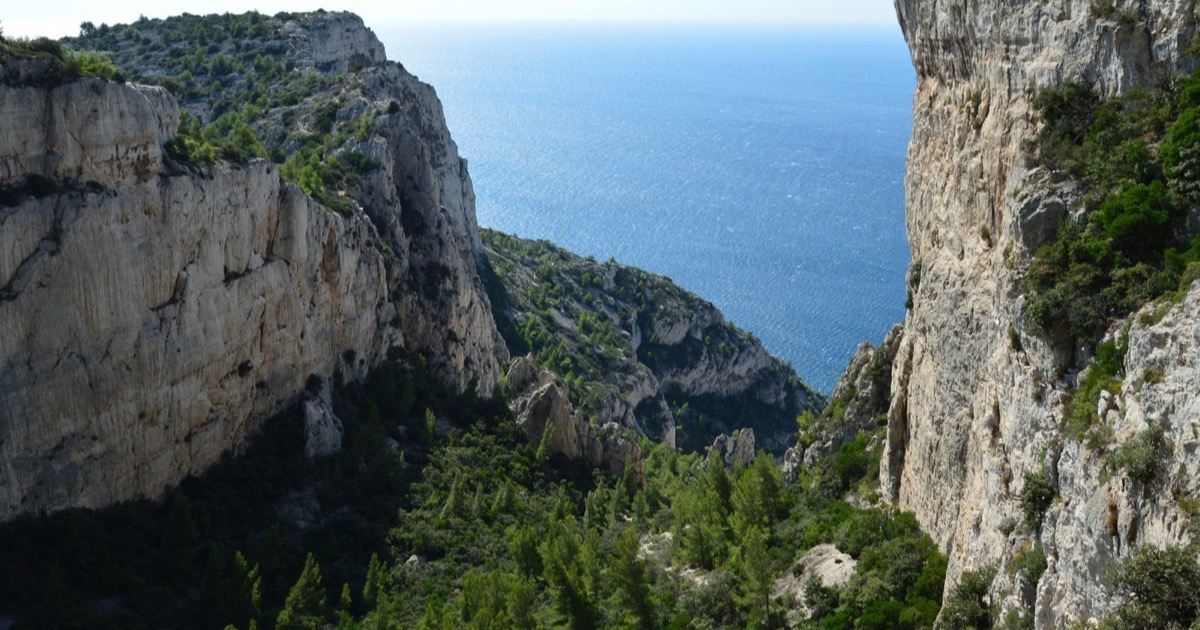

¿Planeas un viaje a los impresionantes acantilados y calas turquesas cerca de Marsella? Saber cuándo visitar el Parque Nacional de las Calanques puede convertir una buena excursión en una gran aventura.
¿Estás planeando un viaje a los impresionantes acantilados y calas turquesas cerca de Marsella? Saber cuándo visitar el Parque Nacional de las Calanques puede convertir una buena excursión en una gran aventura. El clima mediterráneo del parque, la diversidad en la dificultad de sus senderos y la fauna estacional dependen totalmente del calendario. A continuación, encontrarás un desglose práctico de los mejores meses para hacer senderismo, nadar y practicar fotografía, además de consejos para evitar los días de mayor afluencia.
¿Cuál es la estación ideal para hacer senderismo en el Parque Nacional de las Calanques?
El periodo principal para la temporada de senderismo en las Calanques va desde finales de abril hasta principios de octubre. Durante este intervalo, las temperaturas diurnas oscilan entre 18 °C y 27 °C, proporcionando condiciones cómodas tanto para rutas moderadas como exigentes. Senderos como el Sentier du Littoral y el ascenso a la Calanque de Sugiton están totalmente abiertos, y las icónicas paredes de piedra caliza están libres de los cierdos estacionales que afectan a las zonas de mayor altitud en invierno.
La primavera, especialmente mayo y principios de junio, ofrece el momento ideal para hacer senderismo primaveral en las Calanques. Las flores silvestres comienzan a florecer y el aire es lo suficientemente fresco como para que el esfuerzo físico sea agradable en los tramos empinados. El principio del otoño, desde mediados de septiembre hasta principios de octubre, presenta ventajas similares: un calor más suave, menor humedad y una luz dorada que realza las características geológicas del parque. Este periodo también coincide con el final de la temporada cálida de Marsella, propia del clima mediterráneo, lo que permite a los senderistas disfrutar de más horas de luz sin las multitudes del pico del verano.
Aunque el verano (julio-agosto) es popular para las actividades junto a la playa, puede resultar exigente en los senderos. Las temperaturas suelen superar los 30 °C y el sol puede ser intenso en los caminos expuestos. Si decides hacer senderismo durante el verano de las Calanques de Marsella, empieza temprano, lleva suficiente agua y considera rutas con sombra o proximidad al mar, donde una brisa refrescante puede mitigar el calor.
¿Cómo varía el tiempo en las Calanques a lo largo del año?
Las Calanques experimentan un clásico clima mediterráneo al estilo de Marsella, con inviernos húmedos y veranos secos y soleados. Los meses de invierno (diciembre-febrero) traen temperaturas más frescas, con una media de 9 °C a 14 °C, y lluvias ocasionales que pueden volver algunos senderos resbaladizos. Ciertos caminos de mayor altitud pueden estar cerrados por motivos de seguridad, y las restricciones invernales en las Calanques limitan el acceso a zonas vulnerables para proteger tanto a los visitantes como a la fauna silvestre.
La primavera trae consigo un calentamiento gradual y una disminución constante de las precipitaciones, lo que convierte a mayo y junio en los meses más fiables para hacer senderismo en seco. El verano ofrece abundante sol y lluvias mínimas, pero el calor puede suponer un reto en travesías prolongadas. El otoño trae de vuelta lluvias suaves y noches más frescas; septiembre suele ofrecer las condiciones más equilibradas: todavía con suficiente calor para actividades acuáticas, pero con una temperatura agradable para caminar.
| Estación | Temp. típica (°C) | Precipitaciones | Acceso a los senderos | Temp. del agua (°C) |
|---|---|---|---|---|
| Invierno (dic-feb) | 9‑14 | Alta | Algunos cierres, especialmente en las rutas de mayor altitud | 13‑15 |
| Primavera (mar-may) | 13‑19 | Moderada | Acceso completo, ideal para ver flores silvestres | 15‑17 |
| Verano (jun-ago) | 22‑30 | Baja | Todos los senderos abiertos, se recomienda precaución por el calor | 20‑23 |
| Otoño (sep-nov) | 17‑23 | Baja-Moderada | Acceso completo, condiciones de senderismo cómodas | 18‑21 |
La temperatura del agua sigue un patrón similar, lo que influye en la idoneidad para nadar o hacer kayak. A principios de verano, el agua se calienta lo suficiente como para disfrutar de un baño agradable, mientras que quienes nadan en invierno deben esperar condiciones más frías y pueden preferir el uso de neopreno. Esté atento a la previsión, ya que las brisas marinas repentinas pueden afectar tanto al confort en los senderos como a la temperatura del agua costera.
¿Cuándo hay más gente en las Calanques y cómo puedo evitar las multitudes?
La mayor afluencia de visitantes coincide con las vacaciones escolares y los meses de verano de julio y agosto. Durante estas semanas, los principales puntos de acceso —como el aparcamiento de Luminy y la terminal de ferris en Cassis— pueden saturarse, y los mejores miradores, como Cap de Morgiou, suelen albergar grandes grupos. Las visitas guiadas por las Calanques también tienen una gran demanda y se agotan con semanas de antelación.
Para evitar las multitudes, lo ideal es planificar durante las mañanas de entre semana en las temporadas intermedias. Llegar antes de las 08:00 am te permitirá recorrer sin obstáculos rutas populares como el circuito de Calanque de Morgiou a Sugiton, y encontrarás plazas de aparcamiento disponibles por una tarifa módica (las tasas de entrada a las Calanques son generalmente bajas y ayudan al mantenimiento del parque). Si debes viajar en verano, considera hacer senderismo al final de la tarde, cuando el calor desplaza a muchos visitantes hacia las playas, o explora calas menos conocidas como En-Vau desde el lado este, accesible mediante transporte público hasta la parada de Sormiou.
Otra táctica es utilizar la red de transporte público del parque hacia las Calanques. Los autobuses que salen de la estación central de Marsella llegan a los inicios de los senderos del parque, lo que reduce la necesidad de un coche y evita los cuellos de botella en los aparcamientos. Combinar una visita guiada con un guía local que conozca rutas alternativas también puede ofrecer una experiencia más tranquila, permitiéndote disfrutar de la fauna del parque, incluyendo el avistamiento ocasional de delfines en sus aguas cristalinas.
¿Cómo es el estado de los senderos en primavera frente al verano en las Calanques?
De marzo a mayo, las Calanques despiertan con una explosión de flores silvestres y temperaturas moderadas que suelen oscilar entre los 13 °C y los 20 °C (55 °F-68 °F). Aún pueden producirse precipitaciones, especialmente a principios de marzo, lo que significa que algunos senderos pueden estar resbaladizos o presentar pequeños arroyos que crucen la ruta. El terreno se mantiene relativamente blando, por lo que los excursionistas deben llevar calzado con buen agarre y estar preparados para encontrar algún que otro charco de barro. Al no haber un calor excesivo, el esfuerzo necesario para ascender por las crestas de piedra caliza resulta más llevadero, permitiendo recorrer distancias más largas sin necesidad de hacer descansos frecuentes para hidratarse.
De junio a agosto, el clima cambia drásticamente. Las temperaturas máximas diurnas suelen alcanzar entre 28 °C y 33 °C (82 °F-91 °F) y el sol puede ser intenso en los tramos de la ruta que están más expuestos. La falta de precipitaciones seca la piedra caliza, creando un terreno suelto y arenoso que puede volverse inestable en las subidas pronunciadas. El riesgo de incendio aumenta bruscamente, lo que lleva a la autoridad del parque a imponer prohibiciones estrictas sobre el fuego y a controlar de cerca el número de visitantes. La hidratación se convierte en una prioridad; muchos excursionistas llevan al menos dos litros de agua por persona y programan periodos de descanso en recovecos sombreados o en los bancos de madera que aparecen ocasionalmente a lo largo del recorrido.
| Aspecto | Primavera (mar-may) | Verano (jun-ago) |
|---|---|---|
| Temperatura media | 13 °C-20 °C (55-68 °F) | 28 °C-33 °C (82-91 °F) |
| Precipitaciones | Chubascos moderados y ocasionales | Raro, muy seco |
| Superficie del sendero | Blando, barro ocasional | Caliza suelta, arenosa |
| Flora | Flores silvestres, manto verde y fresco | Matorral escaso y seco |
| Riesgo de incendio | Bajo, precauciones estándar | Alto, prohibiciones estrictas aplicadas |
| Densidad de visitantes | De ligera a moderada | Elevada, especialmente los fines de semana |
¿Existen restricciones o cierres en las Calanques durante el invierno?
El invierno en las Calanques, aproximadamente desde noviembre hasta febrero, trae temperaturas más frescas que a menudo bajan de los 10 °C (50 °F) y una mayor probabilidad de lluvia y vientos fuertes. La autoridad del parque adopta un conjunto de medidas estacionales destinadas a proteger tanto a los visitantes como al frágil ecosistema. Aunque los senderos principales permanecen accesibles, varias actividades están limitadas para reducir la erosión y las molestias a la fauna que se reproduce durante estos meses.
Debido a que las condiciones del mar pueden volverse peligrosas, las salidas de barcos desde la costa se suspenden con frecuencia y se desaconseja el baño. El parque también aplica cierres temporales en algunas secciones empinadas que son propensas a la caída de rocas tras lluvias intensas. Estas precauciones se comunican mediante señalización en los inicios de los senderos y a través de la web oficial del parque, que actualiza el estado de cada ruta en tiempo real.
- La cocina con llama abierta y las barbacoas están prohibidas durante toda la temporada de invierno.
- Las zonas de acampada designadas están cerradas; las pernoctaciones solo están permitidas en refugios autorizados.
- Algunos senderos de gran altitud (por ejemplo, la cresta hacia Cap de Sormiou) permanecen cerrados cuando hay presencia de nieve o hielo.
- El alquiler de embarcaciones y las excursiones marítimas organizadas se cancelan durante periodos de vientos fuertes o mar agitado.
- Los aparcamientos en los principales puntos de entrada pueden estar limitados a residentes y al personal del parque.
- Las visitas guiadas que incluyen la observación de fauna se reducen para proteger las colonias de cría.
- Todos los perros deben permanecer con correa, y el acceso a ciertas zonas de nidificación de gaviotas está prohibido.
¿Cómo puedo llegar al Parque Nacional de las Calanques utilizando el transporte público desde Marsella?
La entrada más común a las Calanques es el distrito de Luminy, donde se encuentra el centro de visitantes del parque. Desde la estación central de Marsella (Gare Saint‑Charles) puede tomar el tren regional (TER) con dirección Aubagne y bajar en la parada “Luminy – Parc National des Calanques”; el trayecto dura unos 20 minutos. Una vez allí, un breve autobús lanzadera —identificado por el logotipo verde de “Calanques”— lleva a los pasajeros a los inicios de los senderos de Sormiou, Morgiou y la Calanque de la Viste.
Para quienes se alojan cerca del Puerto Viejo, la red de autobuses urbanos ofrece rutas directas. La línea 21 sale de la parada “Vieux Port” y recorre la carretera costera hasta el terminal “Sormiou”, parando en la entrada de la Calanque de Sormiou tras aproximadamente 45 minutos. La línea 22 sigue un recorrido similar pero termina en “Morgiou”, permitiendo el acceso al popular recorrido “Morgiou‑Méditerranée”. Ambas líneas operan con una frecuencia reducida los domingos y festivos, por lo que se recomienda consultar los horarios más recientes en la web de RTM.
Si prefiere partir del encantador pueblo costero de Cassis, los trenes regionales conectan Marseille Saint‑Charles con Cassis en unos 30 minutos. Desde la estación de Cassis, el autobús “Cassis‑Calanques” (línea 23) pasa cada hora durante la temporada alta, parando en la playa principal y en el inicio del sendero para la ruta de la “Calanque d’En-Vau”. Los billetes pueden comprarse a bordo, pero se aplica un pequeño recargo durante los meses de mayor afluencia. Todas estas opciones se integran con el sistema nacional “Carte Pass”, lo que permite transbordos sin interrupciones entre tren y autobús con una única tarifa.
¿Qué calanques ofrecen los mejores miradores para la fotografía en cada estación?
En primavera, cuando el matorral empieza a florecer, el sendero hacia la Calanque de Sugiton abre una vista despejada sobre aguas turquesas enmarcadas por laderas de un verde fresco. La luz del amanecer desde el este resalta el contraste entre la roca y el mar, convirtiéndolo en un lugar predilecto para la fotografía de paisajes.
Durante los meses calurosos, los espectaculares acantilados de Calanque d’En‑Vau dominan el horizonte. El mirador cerca de la plataforma “Moulin Blanc” ofrece una vista sin obstáculos hacia la estrecha cala, y el sol brillante crea sombras marcadas que acentúan las formaciones de piedra caliza.
El otoño trae una iluminación más suave y dorada que baña las calanques en tonos cálidos. La Calanque de Morgiou, especialmente el mirador en Pointe de la Vierge, captura los colores cambiantes del follaje y del mar, siendo ideal para la fotografía al atardecer. En invierno, el puerto resguardado de Calanque de Port‑Miou refleja cielos apagados, y la marea baja deja al descubierto salientes rocosos que añaden textura a los paisajes marinos invernales.
¿Qué equipo esencial debería llevar para una ruta de senderismo en verano por las Calanques?
El clima mediterráneo alrededor de Marsella puede pasar de un sol radiante a tormentas repentinas, por lo que la preparación es clave. Un sistema de hidratación fiable te mantendrá seguro en los ascensos pronunciados, mientras que la ropa transpirable ayuda a regular la temperatura corporal en las crestas expuestas.
Como muchos senderos pasan cerca del agua, un par de zapatos de secado rápido con buen soporte para el tobillo protege contra las rocas resbaladizas. La protección solar y una ayuda de navegación compacta completan los elementos esenciales para una caminata segura y cómoda.
- Mochila de hidratación o al menos 2 litros de agua
- Sombrero de ala ancha y protector solar SPF 50+
- Camiseta y pantalones cortos ligeros y transpirables
- Calzado de senderismo resistente con suela antideslizante
- Mapa topográfico compacto o dispositivo GPS
- Chaqueta impermeable ligera para chubascos inesperados
- Máscara de snorkel y aletas (opcional para explorar la zona costera)
¿Hay visitas guiadas disponibles durante todo el año en las Calanques y qué incluyen?
Los operadores locales organizan caminatas guiadas durante todo el año, aunque el itinerario puede variar según las alertas de riesgo de incendio en verano y los cierres de senderos en invierno. La mayoría de los tours cuentan con un guía certificado del parque natural que explica la geología, la flora y la fauna de la zona.
Los paquetes típicos incluyen transporte de ida y vuelta desde Marsella o Cassis, una charla de seguridad y una ruta señalizada que evita las zonas restringidas. Algunos operadores añaden un breve tramo en barco que permite a los participantes ver los acantilados desde el agua, mientras que otros ofrecen una parada de snorkel en las calas más cristalinas.
Los tamaños de los grupos están limitados para preservar el delicado entorno del parque, y la tarifa generalmente cubre los servicios de guía, el transporte y cualquier permiso necesario. Se pueden organizar visitas privadas para disponer de un horario más flexible, a menudo con la opción de centrarse en la fotografía o la observación de la fauna.
¿Cómo cambian las tarifas de entrada y las normas de aparcamiento según la estación en las Calanques?
Durante los meses de temporada alta, de junio a agosto, la autoridad del parque impone una modesta tarifa de entrada para los visitantes de un día con el fin de ayudar a financiar el mantenimiento de los senderos y las patrullas de los guardaparques. Los aparcamientos en los principales puntos de acceso —como las entradas de Sormiou y Morgiou— están sujetos a un cargo diario y se llenan rápidamente; a menudo se requiere un sistema de reserva para las plazas limitadas. Fuera de este periodo, de septiembre a mayo, la tarifa de entrada se elimina y la mayoría de las zonas de aparcamiento son gratuitas, aunque la capacidad de algunos aparcamientos permanece reducida para proteger los hábitats sensibles.
El invierno y el principio de la primavera traen restricciones de vehículos más estrictas en las estrechas carreteras costeras que conducen a las calas. Solo los residentes con permisos y algunos servicios de lanzadera autorizados pueden utilizar la carretera hacia Sormiou, mientras que el resto de la zona está destinada a peatones y ciclistas. Por el contrario, durante los meses de verano se observa un mayor número de lanzaderas oficiales del parque que salen desde el Vieux Port de Marsella, lo que ofrece una alternativa cómoda a los coches particulares y reduce la congestión en las rutas junto a los acantilados.
¿Qué fauna puedo esperar ver en las Calanques durante los diferentes meses?
En marzo y abril, las laderas estallan de color a medida que las flores silvestres autóctonas atraen a una gran variedad de polinizadores, incluyendo la abeja europea y varias especies de mariposas como la mariposa de cola de golondrina. Los observadores de aves también pueden avistar parejas anidando de cormorán moñudo y de gaviota tridáctila a lo largo de los acantilados rocosos.
Los meses de verano traen la actividad marina más intensa. Las aguas claras y cálidas albergan bancos de sardinas y anchoas, mientras que ocasionalmente se puede observar una tortuga boba alimentándose cerca de las calas más profundas. En tierra, es frecuente ver al lagarto mediterráneo tomando el sol sobre las rocas calentadas por el sol.
El otoño es el periodo de migración de varias aves marinas; la gaviota común y la gaviota reidora pasan por aquí en grandes cantidades. Se han reportado avistamientos tempranos de la foca monje del Mediterráneo, aunque son poco comunes, cerca de las calas más recónditas. El invierno presenta menos visitantes, lo que permite que especies nocturnas como el erizo europeo recorran los matorrales con menos perturbaciones.
Fuentes y lecturas adicionales
Preguntas frecuentes
¿Cuándo es la temporada alta de turismo en el Parque Nacional de las Calanques?
El periodo de mayor afluencia va desde finales de junio hasta principios de agosto, cuando las vacaciones escolares y el clima cálido atraen a la mayor cantidad de gente. Durante estas semanas, son comunes las colas en los senderos, el aparcamiento limitado y la saturación en los embarcaderos. Si prefiere rutas más tranquilas, intente ir a finales de septiembre o principios de mayo, cuando el número de visitantes disminuye pero las condiciones siguen siendo agradables.
¿Puedo nadar en las Calanques durante los meses de verano?
Está permitido nadar durante todo el año, pero la temperatura del agua es más agradable de junio a septiembre, alcanzando a menudo los 22-24 °C (72-75 °F). Algunas calas, como En-Vau y Port-Miou, tienen zonas de baño designadas marcadas por boyas. Respete siempre la señalización local sobre las corrientes y evite nadar tras lluvias intensas, ya que la escorrentía puede afectar la claridad del agua.
¿Se permiten perros en los senderos de las Calanques?
Se permite el acceso con perros con correa en la mayoría de los senderos señalizados, pero deben mantenerse bajo control para proteger las aves que anidan y la vegetación frágil. Ciertas zonas protegidas, especialmente aquellas con colonias activas de aves marinas, están prohibidas para las mascotas. En verano, los guardaparques pueden aplicar normas más estrictas, por lo que se recomienda consultar el boletín diario antes de partir.
¿Cuál es la mejor hora del día para la fotografía de amaneceres en las Calanques?
Las primeras horas de la mañana, justo antes del amanecer, ofrecen la luz más suave y las condiciones de menor afluencia de gente. La cala de Sugiton está orientada al este, lo que permite una vista clara del sol asomando sobre los acantilados de piedra caliza. Llegar al menos 30 minutos antes del alba le permitirá preparar el equipo y capturar la iluminación gradual del agua.
¿Es posible visitar las Calanques en un solo día desde Marsella?
Sí, una excursión de un día es factible gracias a la frecuencia del transporte público y a los tours organizados en barco. La ruta más rápida es el trayecto de 20 minutos en metro hasta el Vieux Port, seguido de un lanzadera o ferry hacia las calas de Cassis. Priorizar uno o dos lugares clave, como En-Vau y Port-Miou, garantiza que pueda disfrutar tanto del senderismo como del paisaje costero sin sentir prisas.
¿Necesito reserva para las caminatas guiadas en las Calanques?
Se recomienda encarecidamente realizar las rutas guiadas durante el pico del verano, y muchos operadores requieren reservas con al menos una semana de antelación. Las reservas garantizan un lugar y, a menudo, incluyen la exención de la tasa del parque. Fuera de la temporada alta, la mayoría de los guías aceptan clientes sin reserva previa, aunque la disponibilidad puede seguir siendo limitada los fines de semana.
¿Cómo puedo consultar si hay senderos cerrados antes de ir a las Calanques?
El sitio web oficial del parque publica actualizaciones en tiempo real sobre el estado de los senderos, las restricciones por incendios y las alertas meteorológicas. Las aplicaciones móviles vinculadas al sistema de monitorización del parque también envían notificaciones push. Si viaja en transporte público, las estaciones locales de autobús y tren muestran avisos sobre cierres temporales en sus paneles informativos.
¿Qué opciones de transporte público conectan Marsella con las calanques?
La conexión más común es la línea de autobús costera que recorre desde el Vieux Port hasta las entradas de Sormiou y Morgiou, con salidas cada 30 minutos durante las horas punta. Los trenes regionales llegan a la localidad de Cassis, donde un corto trayecto en autobús o un taxi acuático puede llevarle a las calanques orientales. Para mayor flexibilidad, el programa de bicicletas compartidas de la ciudad ofrece bicicletas eléctricas que pueden afrontar las pronunciadas subidas hasta los inicios de los senderos.
¿Existe alguna restricción para acampar dentro de las Calanques?
Está prohibido acampar en todo el parque nacional para preservar el entorno natural y reducir el riesgo de incendios. Existen campings designados fuera de la zona protegida, como el situado cerca del pueblo de Le Castellet, al que se puede llegar en un corto trayecto en coche desde los límites del parque. Los visitantes nocturnos deben alojarse en alojamientos autorizados o regresar a Marsella.
Planifique su visita teniendo en cuenta los patrones estacionales tanto de las personas como de la fauna silvestre, y esté atento a las comunicaciones oficiales del parque para obtener la información de acceso más reciente. Un viaje bien programado le permitirá disfrutar de los espectaculares acantilados, las aguas cristalinas y los ecosistemas únicos de las calanques con el mínimo de complicaciones.
Más guías de viaje de Marsella
Travel Community
Heading to Marseille?
Connect with fellow travelers going to Marseille, swap first-hand tips, and find travel companions for your dates — free to join.
Connect with Marseille travelersReviewed by our editor for Europe
Marco BianchiEurope Editor
Europe travel writer focused on city culture, museums and historic routes across the continent.
More articles by Marco Bianchi →