
Bienvenido a la guía gastronómica definitiva de Marsella, donde el aroma del mar se funde con la tradición provenzal en cada plato.
Bienvenido a la guía definitiva de la auténtica gastronomía de Marsella, donde el aroma del mar se funde con la tradición provenzal en cada plato. Desde mercados bulliciosos rebosantes de productos bañados por el sol hasta rincones escondidos que mantienen vivas recetas centenarias, la ciudad ofrece un mapa culinario que merece la pena explorar. Esta guía te orientará hacia los platos que definen a Marsella, los lugares donde la bouillabaisse aún es la protagonista y los barrios que esconden las experiencias gastronómicas más gratificantes. Deja que los sabores guíen tu aventura.
¿Cuáles son los platos tradicionales imprescindibles en Marsella?
Lo primero que cualquier persona de la zona te recomendaría es bouillabaisse, un guiso que comenzó como un humilde caldo de pescadores y ha evolucionado hasta convertirse en un celebrado símbolo de la cocina mediterránea de Marsella. La preparación clásica combina capas de caldo infusionado con azafrán y una variedad de pescados como la rascasse, el escorpión de mar y la congre, terminando con un chorrito de rouille y pan de baguette tostado. Cada cucharada captura la brisa salada del Atlántico y la paleta de especias de la región.
Otro pilar fundamental es alioli, una emulsión de ajo que tradicionalmente se sirve con patatas cocidas, zanahorias y huevos duros. Aunque es sencilla, la textura cremosa y el sabor intenso de la salsa la convierten en el acompañamiento perfecto para las sardinas a la brasa o el marisco fresco del mercado de pescado de Marsella. Los lugareños suelen disfrutarla durante las fiestas de verano que recorren el Vieux Port.
Para un final dulce, prueba el icónico lanzaderasunas galletas con forma de barca aromatizadas con azahar. Estos delicados dulces se han horneado en las panaderías de Marsella durante generaciones y son especialmente populares durante la festividad de San Juan. Acompáñalos con una copa de muscat local para un final verdaderamente provenzal.
¿Dónde puedo encontrar una auténtica bouillabaisse en Marsella?
Uno de los lugares más respetados para disfrutar de este plato es un restaurante familiar cerca del Vieux Port que lleva sirviendo bouillabaisse más de un siglo. Su versión se mantiene fiel al método original: el caldo se cocina a fuego lento durante varias horas, los pescados se añaden por etapas y el servicio incluye una generosa porción de rouille, picatostes y una copa de rosado bien frío. El ambiente es modesto, con mesas de madera que han sido testigos de cómo innumerables turistas se convierten en clientes habituales.
Para un toque contemporáneo, dirígete a un establecimiento moderno en el barrio del Panier que obtiene sus mariscos directamente de la pesca diaria del mercado de pescado de Marsella. Aquí, el chef experimenta con hierbas locales como el tomillo y el romero, sin dejar de honrar la base esencial de azafrán. El plato se presenta en una gran olla comunitaria, lo que invita a los comensales a compartir y comparar los matices de sabor de cada variedad de pescado.
Otra opción digna de mención es una cocina itinerante que aparece durante el recorrido culinario anual a pie por Marsella. El chef prepara una versión simplificada de la bouillabaisse utilizando una olla de caldo portátil, lo que permite a los participantes degustar el guiso mientras pasean junto a monumentos históricos. Este escenario resalta los orígenes del plato como una comida rápida y nutritiva para los estibadores.
| Restaurante | Estilo | Característica principal | Ambiente |
|---|---|---|---|
| Historic Port House | Tradicional | Caldo de varios tipos de pescado cocinado >4 horas | Clásico interior de madera |
| Panier Market Bistro | Moderno | Pescado fresco del mercado, infusión de hierbas | Informal, cocina abierta |
| Walking Tour Pop-up | Contemporáneo | Preparación portátil, servicio compartido | Al aire libre, móvil |
¿Qué barrios albergan las mejores joyas gastronómicas ocultas de Marsella?
El distrito de Le Panier sigue siendo un tesoro de tabernas fuera de los circuitos habituales. Sus calles estrechas albergan cafeterías familiares donde el menú cambia a diario según lo que llega al mercado cercano. Aquí podrás encontrar un cassoulet vegano en La Cantine du Panier, un plato que reinterpreta el clásico guiso de alubias con legumbres locales y verduras de temporada, demostrando que los platos veganos de Marsella pueden ser tanto contundentes como auténticos.
A pocos pasos del puerto, el Cours Julien la zona se ha convertido en un núcleo creativo donde el arte urbano se encuentra con la experimentación culinaria. Pequeños bistrós bordean el bulevar, ofreciendo desde cuscús picante de inspiración tunecina hasta inventivas tapas de marisco que combinan hierbas provenzales con especias del norte de África. El ambiente relajado del barrio lo hace ideal para un recorrido gastronómico pausado que descubre combinaciones de sabores inesperadas.
Más hacia el interior, el barrio de Endoume, situado en las laderas con vistas al mar, alberga trattorias familiares y puestos de pescado que rara vez aparecen en las guías convencionales. Las primeras horas de la mañana revelan un bullicioso mercado gastronómico de Marsella donde los vendedores exhiben ostras recién abiertas, erizos de mar y un arcoíris de productos mediterráneos. Hacer una parada para comer algo rápido en un puesto que sirve sardinas a la parrilla con un chorrito de limón ofrece un sabor auténtico del patrimonio marítimo de la ciudad.
¿Cómo puedo experimentar una versión vegana de la clásica cocina provenzal en Marsella?
La escena culinaria de Marsella ha empezado a adaptarse a los comensales que siguen una dieta basada en plantas sin renunciar a los sabores emblemáticos de la región. Un ejemplo destacado es el Vegan Cassoulet Lab en La Cantine du Panier, donde el guiso de alubias blancas cocinado a fuego lento se reinventa con tempeh ahumado, zanahorías antiguas y un caldo enriquecido con umami derivado de las algas. El plato conserva la profundidad reconfortante de la versión tradicional, ofreciendo al mismo tiempo una alternativa libre de crueldad que atrae tanto a veganos como a omnívoros curiosos. Acompáñalo con una copa de rosado ecológico de la cercana Bandol para disfrutar de una comida equilibrada que refleja el paladar en constante evolución de la ciudad.
Otra opción digna de mención es la “Garden Bouillabaisse” que se sirve en Le Marché Vert, un restaurante junto al mar que sustituye el clásico caldo de pescado por un consomé de verduras infusionado con azafrán, hinojo y un toque de ralladura de naranja. El caldo se termina con un chorrito de aceite de oliva y una guarnición de crujientes de algas, aportando la esencia salina del original sin necesidad de marisco. Estos platos innovadores demuestran cómo los chefs de Marsella honran la herencia provenzal al tiempo que adoptan las tendencias dietéticas contemporáneas.
| Plato | Base tradicional | Versión vegana | Dónde probarlo |
|---|---|---|---|
| Cassoulet | Confit de pato, salchichas de cerdo, alubias blancas | Tempeh ahumado, zanahorias antiguas, caldo de algas | La Cantine du Panier – Vegan Cassoulet Lab |
| Bouillabaisse | Variedad de pescados, marisco, hierbas provenzales | Consomé de verduras, azafrán, hinojo, crujientes de algas | Le Marché Vert – Garden Bouillabaisse |
| Ratatouille | Berenjena, calabacín, tomates, pimientos | Mismos vegetales, terminados con un crumble de queso a base de anacardos | Chez Maya – Ratatouille de temporada |
| Panisse | Buñuelos de harina de garbanzo | Harina de garbanzo mezclada con cúrcuma y horneada en lugar de frita | La Table de l’Olivier – Panisse moderna |
| Navettes | Galletas con sabor a naranja y un toque de mantequilla | Masa a base de aceite de oliva con ralladura de naranja, sin lácteos | Pâtisserie du Vieux Port – Navettes veganas |
¿Cuáles son los mejores mercados locales para explorar en busca de productos frescos y marisco?
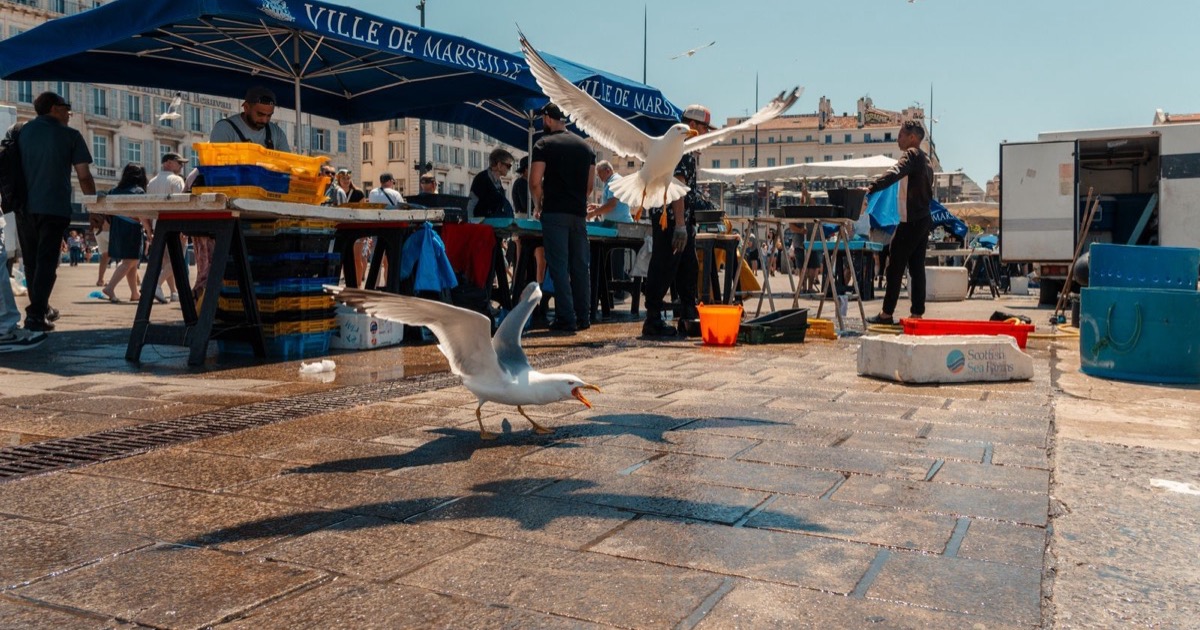
Los mercados de Marsella funcionan como las arterias culinarias de la ciudad, ofreciendo capturas diarias y verduras de temporada directamente del campo provenzal circundante. El lugar más destacado para el producto marino es el mercado de pescado del Vieux Port, donde los vendedores exhiben una selección rotativa de sardinas, doradas y mariscos capturados esa misma mañana. Las visitas temprano por la mañana le permiten observar a los pescaderos filetear su mercancía en el acto, ofreciendo una visión auténtica del patrimonio marítimo de la ciudad. Los puestos adyacentes también ofrecen aceite de oliva de producción local, hierbas y cítricos que combinan maravillosamente con el marisco.
Para una mayor variedad de productos, el Marché des Capucins, en el histórico barrio del Panier, presenta un caleidoscopio de colores: tomates de variedades antiguas, zanahorias arcoíris y lavanda fragante. La distribución del mercado invita a pasear sin prisas, y muchos puestos están dispuestos a compartir consejos de preparación o recomendar ingredientes complementarios. Ambos mercados apoyan a pequeños agricultores y pescadores, garantizando que cada compra refleje el compromiso de la región con la calidad y la sostenibilidad.
- Vieux Port Fish Market – ubicación privilegiada para capturas frescas, abierto todos los días desde el amanecer hasta principios de la tarde.
- Marché des Capucins – productos diversos y artículos especializados, abierto de martes a sábado.
- Marché du Prado – mercado suburbano más grande con un fuerte énfasis en frutas y verduras ecológicas.
- Marché du Cours Julien – conocido por sus panes artesanales, quesos y puestos ocasionales de marisco.
- Marché de la Plaine – vibrante mercado de fin de semana que ofrece miel regional, aceitunas y hierbas de temporada.
- Marché de la Joliette – mercado junto al puerto centrado en el pescado sostenible y productos básicos del Mediterráneo.
¿Qué recorridos gastronómicos a pie ofrecen una perspectiva privilegiada de la escena culinaria de Marsella?
El “Marseille Culinary Walking Tour” dura 150 minutos y recorre los barrios históricos de la ciudad, guiando a los participantes por una selección curada de panaderías, tiendas de especias y puestos de mercado. Un guía experto explica el origen de cada plato mientras ofrece degustaciones de productos como tapenade, fougasse y aceitunas curadas localmente. El itinerario concluye con la degustación de una mini‑bouillabaisse servida en un tradicional cuenco de barro, permitiendo a los visitantes experimentar los sabores que han definido a Marsella durante siglos.
Para quienes buscan un enfoque más contemporáneo, el “Modern Marseille Food Trail” se centra en conceptos emergentes como la comida callejera vegana, los bistrós de fusión y los bares de cócteles de autor. Los participantes visitan el laboratorio vegano de La Cantine du Panier, un puesto de ramen pop‑up que incorpora hierbas provenzales y un bar en una terraza que marida vinos regionales con platos pequeños e inventivos. El tamaño reducido del grupo fomenta la interacción con chefs y propietarios, ofreciendo una mirada exclusiva a la evolución de la identidad gastronómica de la ciudad.
¿Dónde se encuentra La Cantine du Panier y qué hace que su cassoulet vegano sea especial?
La Cantine du Panier se encuentra en Rue du Panier, a pocos pasos de los históricos puestos del mercado que bordean el Vieux Port. La entrada está marcada por un modesto toldo verde, y el interior ocupa lo que fue una pescadería, con paredes de ladrillo visto y mesas de madera recuperada. Su ubicación dentro del barrio de Le Panier permite a los comensales pasear por callejuelas llenas de arte urbano antes de sentarse a disfrutar de una comida.
El cassoulet vegano, lanzado a principios de 2026, reinterpreta el guiso tradicional provenzal sin comprometer la profundidad del sabor. Alubias blancas locales se cocinan a fuego lento durante horas con puerros caramelizados, zanahorias y tomates, mientras que el tofu ahumado y las láminas de setas king oyster aportan la proteína y la textura que normalmente proporciona el cerdo. Un bouquet de tomillo, romero y laurel, recolectados en jardines cercanos, infunde el caldo, y un toque final de aceite de oliva prensado en frío añade riqueza. El plato se sirve con una guarnición de pan de pueblo crujiente, perfecto para mojar en la aromática salsa.
Más allá del plato, la cantine pone énfasis en la sostenibilidad. Todas las verduras provienen de granjas ecológicas de los alrededores y la cocina sigue una política de residuo cero, reutilizando los restos de verdura para elaborar caldos. El aforo es limitado, por lo que se recomienda llegar temprano o reservar mesa mediante un sencillo formulario online, especialmente los fines de semana, cuando el barrio del Panier atrae tanto a locales como a viajeros que buscan una propuesta fresca de la cocina clásica.
¿Cómo marido con vinos mediterráneos los platos emblemáticos de Marsella?
El panorama culinario de Marsella ofrece un maridaje natural para la producción vinícola de la región, que se extiende por toda la costa desde Bandol hasta Cassis. Al elegir una botella, tenga en cuenta los sabores principales del plato: el toque salino del marisco, los guisos cargados de hierbas o las verduras asadas. Un rosado ligero de Bandol, con su acidez fresca y sutiles notas de frutos rojos, equilibra la riqueza de la bouillabaisse al tiempo que realza los aromas de hinojo y azafrán. Para platos más contundentes como el cassoulet vegano, un blanco de cuerpo medio de Côtes de Provence, elaborado frecuentemente con Rolle y Vermentino, aporta la estructura suficiente para estar a la altura de la intensidad del guiso.
Las opciones de vino tinto deben abordarse con equilibrio. Un Coteaux d'Aix basado en la uva Garnacha ofrece taninos suaves y un final pimienta que complementa las sardinas a la parrilla o la ratatouille sin sobrepasarlas. Si prefiere un perfil más aromático, un vin doux fortificado de la cercana isla de Porquerolles puede servir como digestivo tras la comida, combinando especialmente bien con dulces como las navettes.
- Rosado de Bandol: ideal con bouillabaisse y fuentes de marisco.
- Blanco de Côtes de Provence (Rolle/Vermentino): combina con cassoulet vegano y guisos de verduras.
- Tinto de Coteaux d'Aix (mezcla de Garnacha): marida con pescado a la parrilla, ratatouille y verduras asadas.
- Rosado provenzal de Cassis: funciona bien con platos con base de alioli y aperitivos fríos.
- Vin doux de Porquerolles: sirve como acompañamiento para postres como tartas de frutas e higos glaseados con miel.
- Tinto de Bandol (Mourvèdre): adecuado para platos centrados en la carne, como un navarin de cordero, cuando aparecen en el menú.
¿Qué alimentos de temporada debería buscar en Marsella durante 2026?
La primavera trae la primera cosecha de alcachofas, espárragos blancos y fresas frescas de las granjas de los alrededores. Estos ingredientes aparecen en los puestos del mercado y en los menús como ensaladas sencillas, preparaciones a la parrilla o incorporados en sopas ligeras. El inicio del verano introduce tomates maduros, calabacines e higos, que suelen protagonizar platos tipo gazpacho frío y tartines cubiertos con queso de cabra local. La estación también marca la llegada de las primeras sardinas, un producto básico para los restaurantes centrados en la parrilla a lo largo del paseo marítimo.
El otoño desplaza el foco hacia productos más contundentes como la calabaza, las castañas y una variedad de setas silvestres. Los chefs suelen combinar estos ingredientes con aceitunas regionales y quesos curados para crear gratinados reconfortantes y tajines de cocción lenta. El invierno destaca los cítricos —especialmente las naranjas sanguinas y los limones— junto a verduras resistentes como la col rizada y la endivia, que se utilizan en guisos braseados y ensaladas vibrantes que equilibran el clima más frío.
Para disfrutar de estos ingredientes en su punto óptimo, visite el Marché des Capucins en el barrio del Panier para ver las selecciones diarias, o diríjase al más grande Marché du Prado los sábados, donde los vendedores de toda la Provenza exhiben sus productos más frescos. Los menús de temporada cambian regularmente, por lo que preguntar al personal sobre las especialidades del día puede revelar los sabores más actuales que ofrece la ciudad.
¿Qué restaurantes familiares ofrecen una experiencia gastronómica auténtica en Marsella?
Le Petit Nice, un modesto bistro que ha pasado por tres generaciones, sigue preparando su famosa bouillabaisse utilizando pescado comprado fresco en el mercado cada mañana. El chef insiste en cocinar el caldo a fuego lento con hinojo, azafrán y un toque de pastis, para luego servir la sopa con una guarnición de rouille y pan de baguette tostado. Su ambiente íntimo, con mesas de madera y ventaniles con vistas al mar, permite a los comensales observar el ritmo diario del puerto mientras comen.
Otro establecimiento emblemático es Chez André, en el barrio de Le Panier, donde los abuelos del propietario abrieron una sencilla parrilla en la década de 1960. Hoy en día, el menú destaca platos clásicos provenzales como la daube Provençale y las sardinas a la parrilla, todo cocinado en una brasa de carbón que ha pertenecido a la familia durante décadas. El restaurante añadió recientemente un laboratorio de cassoulet vegano en colaboración con La Cantine du Panier, ofreciendo una versión vegetal del tradicional guiso de alubias sin comprometer la intensidad del sabor.
¿Cómo puedo descubrir los puestos de comida callejera que tanto gustan a los locales en Marsella?
La mejor manera de localizar los puestos más populares es pasear por los mercados cubiertos temprano por la mañana. En el Marché des Capucins, un grupo de vendedores ofrece panisse recién frito, unos buñuelos de garbanzo que son crujientes por fuera y suaves por dentro. Acompáñalos con un rosado frío de los viñedos cercanos para disfrutar de un aperitivo rápido que te dé energía para una mañana de exploración.
Por las tardes, las calles alrededor de Cours Julien cobran vida con puestos de comida que ofrecen crêpes, socca (un panqueque de garbanzos) y brochetas de marisco a la parrilla. Busca los puestos con largas colas de lugareños; el aroma a ajo y hierbas frescas es la señal de un puesto que merece la pena probar. La mayoría de los vendedores aceptan efectivo y tarjetas sin contacto, pero tener unos cuantos euros a mano agiliza la transacción.
Fuentes y lecturas adicionales
Preguntas frecuentes
¿Se sirve bouillabaisse en restaurantes fuera del Vieux Port?
Sí, muchos establecimientos familiares en barrios como Le Panier y La Plaine ofrecen sus propias versiones de la bouillabaisse. Estos locales suelen utilizar pescado de la pesca diaria de la zona, ofreciendo una experiencia comparable a los restaurantes más enfocados al turismo cerca del Vieux Port.
¿Hay opciones vegetarianas o veganas en los restaurantes tradicionales de Marsella?
Los menús tradicionales son cada vez más adaptables a los comensales que siguen una dieta basada en plantas. Varios bistrós con larga trayectoria incluyen ahora ratatouille vegana, terrinas de lentejas y el ya mencionado taller de cassoulet vegano. Aunque los platos centrados en la carne siguen siendo comunes, la mayoría de los chefs están dispuestos a adaptar salsas y guarniciones si se solicita.
¿Cuánto presupuesto debería dedicar a un tour gastronómico en Marsella?
Un recorrido gastronómico guiado a pie suele costar entre 55 y 80 euros por persona, e incluye degustaciones en tres o cuatro lugares. Los precios varían según la duración del recorrido y si incluye una visita al mercado o una demostración de cocina.
¿Cuál es la mejor hora del día para visitar el Marché des Capucins?
Llegar antes de las 9 a.m. garantiza los productos más frescos y la mayor selección de marisco. El mercado alcanza su punto máximo de actividad a media mañana, cuando los vendedores ya han abastecido sus puestos y los lugareños comienzan su rutina de compras.
¿Puedo reservar una clase de cocina privada para aprender recetas provenzales?
Varias escuelas de cocina en el casco antiguo ofrecen sesiones privadas de media jornada centradas en platos como el aioli, la tapenade y la bouillabaisse. Por lo general, se requiere reserva con al menos una semana de antelación, y la tarifa incluye todos los ingredientes y una pequeña botella de vino local.
¿Se aceptan tarjetas de crédito en la mayoría de los puestos de comida de los mercados de Marsella?
La mayoría de los puestos permanentes del mercado aceptan pagos sin contacto, pero algunos carritos más pequeños y puestos temporales pueden aceptar solo efectivo. Es recomendable llevar una cantidad moderada de euros, especialmente si planeas probar varios vendedores.
¿Cómo puedo llegar a La Cantine du Panier utilizando el transporte público?
Toma la línea 2 del metro hasta la estación Vieux Port y transborda al autobús 83, que para a pocos pasos de distancia en Place du Panier. La caminata desde la parada de autobús hasta el restaurante es de menos de cinco minutos y el recorrido pasa por varios monumentos históricos.
¿Qué consejos de seguridad debo seguir al probar la comida callejera en Marsella?
Observa la limpieza del puesto, fíjate en cómo se manipulan los alimentos y elige vendedores con un flujo constante de clientes. Comer alimentos que se cocinan al momento y se sirven calientes reduce el riesgo de malestar estomacal.
¿Qué vinos locales maridan bien con los platos de marisco de Marsella?
Los vinos rosados de la cercana región de Côtes de Provence combinan bien con el pescado a la parrilla y la bouillabaisse, gracias a su brillante acidez y sus sutiles notas frutales. Para preparaciones más ricas, como un guiso de mariscos, funciona muy bien un blanco ligero, como una mezcla blanca originaria de Cassis.
¿Existen recorridos gastronómicos que incluyan una visita a una bodega local?
Sí, algunos recorridos especializados combinan un paseo por el mercado con una breve excursión a una bodega familiar en las afueras de la ciudad. Los participantes degustan vinos junto con una selección de aceitunas, tapenade y queso fresco, creando una experiencia culinaria completa.
Al planificar sus comidas, tenga en cuenta el horario de apertura de los mercados y el descanso típico para el almuerzo de las tiendas locales, que suelen cerrar entre las 12 p.m. y las 2 p.m. Ajustar su itinerario a estos ritmos le ayudará a disfrutar de la escena gastronómica de la ciudad sin prisas.
Más guías de viaje de Marsella
Travel Community
Heading to Marseille?
Connect with fellow travelers going to Marseille, swap first-hand tips, and find travel companions for your dates — free to join.
Connect with Marseille travelersReviewed by our editor for Europe
Marco BianchiEurope Editor
Europe travel writer focused on city culture, museums and historic routes across the continent.
More articles by Marco Bianchi →