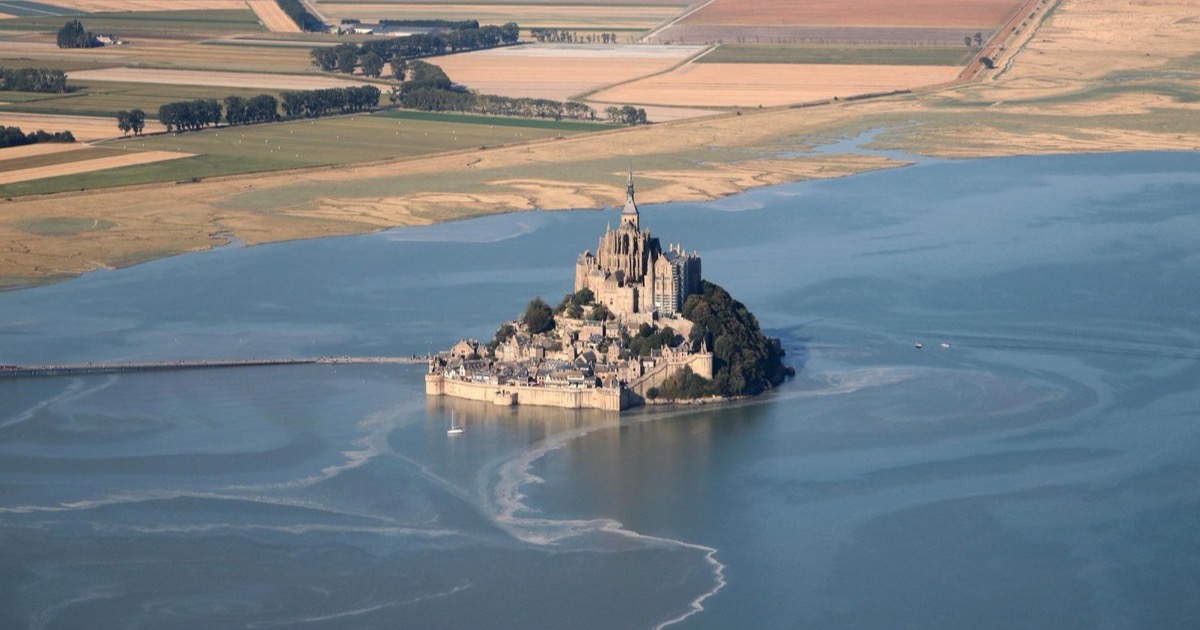

La experiencia de la marea en el Mont Saint Michel atrae a viajeros de todos los continentes, pero la magia depende del momento elegido.
La experiencia de las mareas en el Mont Saint-Michel atrae a viajeros de todos los continentes, pero la magia depende del momento elegido. En 2026, el dramático ascenso y descenso de la isla seguirá siendo el elemento central de cualquier visita, y comprender el ritmo del mar es el primer paso para realizar un viaje inolvidable. A continuación, encontrará una guía práctica sobre las tablas de mareas, el acceso durante la bajamar y los servicios de lanzadera que permiten llegar a la isla sin renunciar al espectáculo.
¿Cómo puedo saber las mejores horas de la marea para visitar el Mont Saint-Michel?
La fuente más fiable para consultar el horario de las mareas del Mont Saint-Michel en 2026 es la Oficina Hidrográfica oficial francesa, que publica tablas diarias tanto en internet como en las oficinas de turismo locales. Estas tablas indican las horas exactas de la marea alta, la marea baja y la inusual bajamar extrema, cuando el agua retrocede lo suficiente como para dejar al descubierto extensos bancos de arena.
Para planificar sobre la marcha, varias aplicaciones móviles se sincronizan con los datos oficiales y envían alertas 30 minutos antes de un cambio de marea. Busque funciones como indicadores de "marea viva"; las mareas vivas ocurren cuando las fuerzas lunares y solares se alinean, produciendo los niveles de agua más altos del año. En Normandía, los coeficientes superiores a 90 señalan los cambios más drásticos en la línea de costa, ideales para la fotografía y para pasear por la bahía.
Contrastar el horario impreso con los pronósticos meteorológicos en tiempo real ayuda a evitar sorpresas. Los vientos fuertes pueden retrasar el retroceso del agua, mientras que las lluvias intensas pueden elevar el nivel del mar más rápido de lo esperado. Al confirmar tanto la marea como el tiempo, podrás programar tu llegada a la isla para el momento que mejor se adapte a tus intereses, ya sea para disfrutar de la ilusión de flotación con la marea alta o de la vista panorámica de la bahía con la marea baja.
¿Cuáles son las mejores formas de acceder al Mont Saint-Michel durante la marea baja?
Cuando la marea baja, varias rutas se vuelven viables. El histórico sendero que atraviesa la bahía, señalizado con postes de madera, permite a los caminantes experimentar el lecho marino desecado, pero requiere una planificación cuidadosa del tiempo y calzado adecuado. Para quienes prefieran una opción motorizada, un autobús lanzadera circula desde el aparcamiento hasta la entrada de la isla, operando únicamente cuando el nivel del agua permite un cruce seguro.
Los viajeros en tren pueden bajar en la estación de Pontorson y tomar un breve autobús local hasta el punto de recogida del lanzadera. Los coches particulares deben aparcar en el aparcamiento designado fuera de la calzada; desde allí, el lanzadera o una visita guiada a pie completan el último tramo. Cada método tiene sus inconvenientes en cuanto a coste, flexibilidad y exposición a la intemperie.
| Método de acceso | Disponibilidad | Coste típico (por adulto) | Pros | Pros |
|---|---|---|---|---|
| Paseo guiado por la bahía | Solo durante la marea baja (≈2 horas) | Gratis (propina opcional) | Contacto directo con el paisaje; ángulos fotográficos únicos | Requiere una sincronización precisa; no es apto en caso de lluvia o viento fuerte |
| Autobús lanzadera | Opera desde el aparcamiento cada 15 minutos durante los periodos de marea baja | ~€4‑€6 | Cómodo; no es necesario sortear postes | Plazas limitadas; depende del horario de las mareas |
| Coche privado (Aparcamiento + Caminata) | Aparcamiento abierto todo el año; el tramo a pie solo en marea baja | Aparcamiento €3‑€5; la caminata es gratuita | Flexibilidad para llegar temprano; posibilidad de guardar el equipaje | Sigue siendo necesario el tramo a pie; el aparcamiento puede llenarse rápido |
| Tren + Autobús local | Servicio de tren diario; el autobús coincide con los horarios de la lanzadera | Tren €10‑€15; autobús €2‑€3 | Ecológico; evita conducir | Los trasbordos añaden tiempo; el autobús puede ir lleno |
¿Qué servicios de lanzadera operan hacia y desde la isla del Mont Saint-Michel?
El principal proveedor de lanzaderas es la lanzadera oficial del Mont Saint-Michel, gestionada por la autoridad regional de turismo. Cuenta con una flota de autobuses de piso bajo que pueden recorrer el paso de la calzada de forma segura durante los estrechos periodos de marea baja. Los billetes se venden online, en el quiosco del aparcamiento y mediante pago sin contacto a bordo; un solo trayecto suele costar entre €4 y €6, y un billete de ida y vuelta combinado ofrece un pequeño descuento.
Además del operador principal, un puñado de empresas privadas operan lanzaderas "express" de temporada que se coordinan con las horas de mayor afluencia de visitantes, como los días de marea viva en abril y noviembre. Estos servicios suelen incluir un breve comentario sobre la historia de la abadía y la ecología de la bahía, lo que aporta un valor añadido para quienes la visitan por primera vez. Se recomienda hacer reserva, especialmente durante las vacaciones escolares, cuando la densidad de la multitud aumenta drásticamente.
Todas las rutas de las lanzaderas cumplen estrictos protocolos de seguridad dictados por el horario de las mareas. Los conductores reciben actualizaciones en tiempo real de la oficina hidrográfica, y el servicio se detiene automáticamente cuando los niveles del agua superan el umbral de seguridad. Consultar el panel de salidas más reciente en la zona de aparcamiento le garantiza subir al vehículo correcto para su ventana de marea prevista.
¿Qué tan concurrido se pone Mont Saint Michel durante los periodos de marea alta?
Durante las ventanas de marea viva, cuando el agua sube por encima de la calzada, el número de visitantes aumenta drásticamente. El servicio de lanzaderas, que circula cada 10 minutos desde el aparcamiento, alcanza su capacidad máxima a los pocos minutos de la salida, y las taquillas experimentan colas que pueden durar hasta 30 minutos. Los responsables de la gestión de multitudes aconsejan llegar al menos una hora antes de que se abra la ventana de marea alta si desea asegurar un lugar en la lanzadera sin tener que esperar.
Las mareas de temporada baja —normalmente las mareas vivas a principios de otoño— presentan un flujo más constante de visitantes, lo que permite una mayor flexibilidad para explorar la abadía y las murallas circundantes. La diferencia en la densidad es más evidente en la plaza principal: en marea alta, el paseo puede albergar a más de 2.500 personas por hora, mientras que durante los periodos de marea baja, el mismo espacio se siente considerablemente más amplio.
| Estado de la marea | Aprox. visitantes por hora | Estrategia recomendada |
|---|---|---|
| Ultra baja (coeficiente < 70) | 800–1,200 | Cruza la calzada; compra las entradas online para evitar la cola en la taquilla. |
| Normal (coeficiente 70-90) | 1,500–1,800 | Usa el lanzadera temprano; considera una visita a mediodía, cuando las multitudes disminuyen brevemente. |
| Punta de marea viva (coeficiente > 90) | 2,300–2,800 | Llega con 90 minutos de antelación; reserva un turno en la lanzadera si es posible; espera tiempos de espera más largos en las taquillas. |
¿Qué puntos fotográficos ofrecen las vistas de marea más dramáticas en Mont Saint Michel?
Los fotógrafos que persiguen las siluetas cambiantes de la abadía se benefician de varios puntos de observación que enmarcan la isla frente al ascenso y reflujo del mar. El horario de mareas de Mont Saint Michel es esencial: el contraste más impactante ocurre cuando el agua apenas comienza a lamer la base de la aguja, creando una superficie de espejo que refleja las torres góticas.
Más allá del clásico ángulo de postal desde el aparcamiento, varios lugares menos conocidos ofrecen líneas limpias y menos transeúntes. Situarse cerca de la muralla occidental durante la marea ascendente permite capturar el juego de sombras sobre los muros de piedra, mientras que las marismas orientales revelan toda la extensión de la bahía durante la marea baja, ideal para composiciones de gran angular.
- Paseo por la muralla occidental 30 minutos antes de la marea alta: enfatiza las líneas verticales contra el mar creciente.
- Mirador de la marisma oriental cerca del camino de las salinas: ideal para tomas panorámicas de los bancos de arena descubiertos.
- Plataforma de desembarque del shuttle en el lado norte: ofrece una perspectiva de ángulo bajo del calzada desapareciendo bajo el agua.
- Balcón del claustro superior de la abadía: captura la silueta de la isla enmarcada por el cielo durante el amanecer.
- Terraza del jardín suroeste: proporciona un primer plano de arcos de piedra con la marea entrando por detrás.
- Pasarela de la calzada en el momento en que el agua alcanza su punto máximo: crea un primer plano dramático del puente contra la isla.
- Afloramiento rocoso oculto cerca de la entrada de la marea (accesible solo en marea extremadamente baja): permite primeros planos íntimos del mortero antiguo mientras el mar se retira.
¿Existen micro-localizaciones ocultas para explorar durante las mareas extremadamente bajas?
Cuando la marea retrocede hasta su punto más bajo, aparece una red de canales estrechos y bancos de arena, revelando zonas que normalmente están sumergidas. Estos microlugares son los favoritos de los lugareños que siguen las mareas y conocen las rutas seguras marcadas en el horario de mareas de Mont Saint Michel para 2026. Una de estas áreas se encuentra entre el espigón noroeste y el antiguo muelle de pescadores, donde pequeñas pozas de marea albergan una sorprendente variedad de vida marina y los cimientos de piedra de un edificio medieval de procesamiento de pescado quedan a la vista.
Otro lugar oculto es la “Cloister Cove” (Caleta del Claustro), en el lado oeste de la isla. En la bajamar extrema, el agua se retira lo suficiente como para dejar al descubierto una losa de piedra plana que antaño servía como plataforma de carga para los barcos de suministros de la abadía. Caminar por esta losa ofrece una vista ininterrumpida y poco común de la fachada trasera de la abadía, lejos de las multitudes habituales que dominan el paseo principal.
Explorar estas zonas requiere una planificación cuidadosa y respeto por la señalización de seguridad. El servicio de lanzadera local suspende sus operaciones una vez que el nivel del agua desciende por debajo de cierto límite, por lo que los visitantes deben planificar su regreso a la isla principal antes de que la marea comience a subir. Llevar calzado impermeable y un mapa compacto de las microrrutas mejora la experiencia y garantiza un regreso sin contratiempos a la zona central de visitantes.
¿Qué debo llevar para una visita con marea baja al Mont Saint Michel?
La forma más fiable de mantenerse cómodo mientras la marea cambia drásticamente es vestirse por capas. La niebla de la madrugada puede ser fría, incluso en verano, mientras que el sol puede calentar rápidamente los senderos de piedra. Una chaqueta impermeable ligera, un forro polar o un jersey y una camiseta transpirable le permitirán adaptarse sin necesidad de llevar demasiado equipaje. Un buen calzado de senderismo con suelas antideslizantes es esencial; la calzada cubierta de arena se vuelve resbaladiza a medida que el agua retrocede, y los antiguos escalones de piedra de la abadía exigen un agarre firme.
Más allá de la ropa, algunos accesorios hacen que la experiencia de observar la marea sea más agradable. Una botella de agua reutilizable y compacta le mantendrá hidratado sin generar residuos. Una pequeña mochila con funda impermeable protegerá la cámara, un cargador portátil y cualquier objeto personal de las salpicaduras repentinas. El protector solar, un sombrero y unas gafas de sol polarizadas ayudan cuando el sol asoma entre las nubes, mientras que un juego de prismáticos compactos puede revelar barcos lejanos o aves marinas navegando por la bahía durante la marea baja.
¿Cuánto cuesta una entrada para la experiencia de la marea en Mont Saint Michel?
En 2026, el sistema de acceso combina una entrada básica al complejo de la abadía con un suplemento separado de «acceso a la marea» que cubre el autobús lanzadera, la caminata guiada por la marea y el permiso opcional para micro-localización en marea extremadamente baja. Los precios varían ligeramente entre las semanas de máxima ocupación en verano y los días de temporada baja, pero la estructura se mantiene constante durante todo el año.
Los visitantes que solo necesiten la entrada estándar a la abadía pueden comprar un billete sencillo en la taquilla principal o por internet. Quienes deseen programar su llegada para coincidir con una marea alta o bajísima específica deben añadir el componente de acceso por marea, que incluye un turno garantizado en el lanzadera y una breve charla sobre los procedimientos de seguridad para caminar por la calzada expuesta.
- Entrada estándar a la abadía (adulto): alrededor de 13 € – 15 €.
- Entrada estándar a la abadía (persona mayor/joven adulto): alrededor de 11 € – 13 €.
- Suplemento de acceso por marea (solo lanzadera en marea alta): 4 € – 6 €.
- Permiso de micro-localización para marea bajísima (limitado a 30 personas por evento): 8 € – 10 €.
- Billete combinado (abadía + lanzadera en marea alta + permiso de micro-localización): aproximadamente 25 € – 30 €.
- Abono familiar (2 adultos + 2 niños, incluye acceso por marea): aproximadamente 55 €.
- Entradas con tarifa reducida para estudiantes con identificación válida: 9 € – 11 € para la entrada a la abadía, más el suplemento de marea.
¿Puedo combinar una visita al Mont Saint Michel con un recorrido por Normandía y Bretaña?
La isla se encuentra en el cruce de dos de las regiones más visitadas de Francia, lo que la convierte en un punto de partida natural para un itinerario de varios días. Una ruta típica comienza en Caen o Rouen, donde se pueden explorar calles medievales y museos de la Segunda Guerra Mundial antes de dirigirse hacia el oeste, en dirección a la bahía. Desde Mont Saint Michel, la carretera costera conduce a las históricas playas del Desembarco del Día D, para luego continuar hacia la costa más salvaje de Bretaña, donde ciudades como Saint‑Malo y Dinan ofrecen murallas fortificadas y mercados de marisco.
Los viajeros que prefieran un plan estructurado pueden unirse a un recorrido guiado que reserva una mañana en la abadía, una tarde explorando la bahía circundante y un paseo nocturno hasta la cercana ciudad de Avranches para cenar. Al día siguiente, un breve desvío a los acantilados de Pointe du Hoc añade una conmovedora perspectiva de la época de guerra, tras lo cual se puede continuar hacia el norte, hacia la escarpada costa de granito rosa de Bretaña. Las opciones de transporte público incluyen los trenes regionales TER que paran en Pontorson, la estación más cercana a la isla, y autobuses interurbanos que conectan las principales ciudades de Normandía con la península bretona.
Para quienes viajen en coche, la autopista A84 ofrece una conexión rápida entre la isla y las principales autovías de ambas regiones. El aparcamiento en el lote de lanzaderas del Mont Saint Michel es limitado, por lo que se recomienda reservar una plaza online durante los meses de mayor afluencia. Si programa su llegada para coincidir con la bajamar, podrá caminar sobre la arena y volver a incorporarse a la red de carreteras antes de que suba la marea, garantizando así una transición sin contratiempos al siguiente tramo de su viaje.
¿Qué opciones gastronómicas hay cerca del Mont Saint Michel, incluida la famosa tortilla?
Los alrededores inmediatos de la isla ofrecen un conjunto compacto de establecimientos que atienden al flujo constante de visitantes. Los bistrós tradicionales sirven la célebre tortilla de Saint‑Michel, un plato de huevo esponjoso enriquecido con hierbas y, en ocasiones, un toque de queso, preparado a la vista del cliente en una sartén de cobre. El estilo de preparación —un batido rápido y un giro ágil— crea una textura ligera que se ha convertido en el sello culinario del lugar.
Más allá de la tortilla, los menús se amplían para incluir capturas frescas de la bahía del Mont Saint‑Michel, como mejillones, vieiras y pescado ahumado localmente, a menudo acompañados de una copa de refrescante sidra de Normandía. Para quienes buscan algo más ligero, los puestos de crepes ofrecen opciones dulces y saladas, mientras que algunos bares de vinos presentan los aguardientes de manzana de la región y modestas selecciones de vino tinto. Los precios reflejan la concentración turística, por lo que es aconsejable presupuestar una pequeña cantidad extra para una comida en restaurante.
Si prefiere alejarse de las multitudes, un breve trayecto en coche hacia los pueblos cercanos de Pontorson o Avranches revela restaurantes familiares con ambientes más relajados y especialidades regionales como cerdo braseado con sidra o tablas de quesos normandos. Estos establecimientos suelen aceptar reservas y ofrecen un entorno más tranquilo para una cena tras la visita.
¿Qué condiciones meteorológicas afectan al horario de las mareas en el Mont Saint Michel?
El principal motor de los dramáticos cambios de marea es la atracción gravitatoria de la luna y el sol, pero el clima local puede amplificar o atenuar los niveles de agua observados. Los fuertes vientos de tierra hacia el mar empujan el agua hacia la bahía, elevando la marea alta y prolongando la duración de la inundación alrededor de la isla. Por el contrario, las brisas constantes de mar hacia tierra pueden ayudar a que el agua retroceda más rápidamente, acortando el tiempo disponible para caminar por la arena descubierta.
La presión atmosférica también desempeña un papel importante; los sistemas de baja presión asociados a las tormentas suelen producir mareas más altas, añadiendo a veces un metro o más al rango normal. Las precipitaciones que llenan rápidamente los ríos circundantes pueden contribuir a una subida temporal, especialmente durante los periodos de marea viva, cuando el rango de marea base ya se encuentra en su punto máximo. Monitorizar los pronósticos a corto plazo sobre la dirección del viento y los cambios de presión es esencial para cualquiera que planee programar una caminata a través de la bahía.
Las variaciones estacionales afectan a la cobertura de nubes y a la temperatura, lo que influye indirectamente en las condiciones de la superficie marina. El calor del verano puede provocar una ligera expansión del nivel del mar, mientras que las tormentas invernales pueden generar los eventos de marea más extremos del año. Los viajeros deben consultar las tablas de mareas oficiales y cotejarlas con boletines meteorológicos actualizados antes de comprometerse con una hora de cruce específica.
Preguntas frecuentes
¿Merece la pena dedicar tiempo y dinero a la experiencia de la marea del Mont Saint Michel?
El espectáculo de la marea ofrece un contraste visual único que muchos visitantes consideran lo más destacado de su itinerario por Normandía. Aunque las tasas de entrada y los billetes del lanzadera aumentan el coste, la capacidad de ver cómo la isla se transforma de península a silueta aislada es difícil de replicar en otro lugar. Para los viajeros que valoran las oportunidades fotográficas y la sensación de aislamiento histórico, el gasto está generalmente justificado.
¿Cuál es la mejor marea para ver la isla como si flotara?
La marea alta durante una marea viva —cuando las alineaciones lunares y solares producen el mayor rango de mareas— crea el efecto de flotación más dramático. Estos periodos suelen ocurrir unos pocos días cada mes, en torno a la luna llena y la luna nueva, y el coeficiente de marea supera los 90. Consultar el calendario de mareas de 2026 para encontrar las fechas con los coeficientes más altos permitirá identificar los momentos óptimos.
¿Cómo puedo evitar las mayores multitudes en Mont Saint Michel?
Llegar muy temprano por la mañana (antes del primer lanzadera) o más tarde por la tarde (después de que hayan partido los principales grupos turísticos) reduce la exposición a la máxima densidad de visitantes. Visitar en un día de entre semana durante las temporadas intermedias de finales de primavera o principios de otoño también ayuda, ya que es menos probable que coincida con las vacaciones escolares o grandes festivales. Comprar un billete para la lanzadera con horario reservado para una franja de menor afluencia ayuda a repartir aún más el flujo de visitantes.
¿Necesito reservar los billetes de la lanzadera con antelación?
Se recomienda encarecidamente la reserva anticipada, especialmente para los periodos de marea alta y durante los meses de verano, cuando la demanda se dispara. El servicio de lanzadera funciona con un horario fijo vinculado a las tablas de mareas, y las entradas pueden agotarse varios días antes de las fechas más populares. La reserva online garantiza que asegures un lugar que coincida con el horario de marea que desees.
¿Cuáles son las principales diferencias entre las visitas en marea alta y en marea baja?
Con la marea alta, la isla queda rodeada de agua, ofreciendo vistas panorámicas de la abadía situada sobre el mar y una sensación de aislamiento que define la imagen icónica del lugar. Con la marea baja, se revela una extensa llanura intermareal por la que se puede caminar, lo que permite explorar de cerca la ecología de la bahía y tener la oportunidad de recorrer la antigua ruta de peregrinación. Cada estado de la marea ofrece ángulos fotográficos distintos y atmósferas diferentes.
¿Se requiere algún permiso especial para realizar fotografías durante la marea extremadamente baja?
El acceso estándar para visitantes no requiere un permiso para fotografía casual, pero las sesiones profesionales organizadas que utilicen equipos de mayor tamaño que una cámara de mano pueden necesitar autorización de la administración del lugar. Las solicitudes se presentan normalmente a través de la oficina oficial de visitantes de Mont Saint‑Michel y deben especificar la fecha, el equipo y el uso previsto. Obtener la aprobación con suficiente antelación evita posibles inconvenientes.
¿Cuáles son los costes típicos de entrada, lanzadera y comida en Mont Saint Michel?
La entrada al complejo de la abadía tiene un precio moderado, con descuentos disponibles para estudiantes, personas mayores y familias. Los billetes del lanzadera se venden por persona y varían según el horario de la marea, oscilando a menudo entre una tarifa modesta y un precio más alto para los horarios premium de marea alta. Las comidas en la zona inmediata tienden a tener precios más elevados que en las localidades cercanas; por ejemplo, una tortilla básica con bebida cuesta unos pocos euros más que un plato comparable en otros lugares.
¿Es posible visitar Mont Saint Michel en un solo día desde ciudades cercanas?
Sí, el lugar es accesible con un trayecto de media jornada en coche desde los principales núcleos regionales como Rennes, Caen o Saint‑Malo, lo que hace que una excursión de un día sea factible. Salir temprano le permitirá aprovechar la marea de la mañana, explorar la abadía y regresar al final de la tarde. Para un ritmo más relajado, considere pasar la noche en uno de los pueblos circundantes para disfrutar tanto del amanecer como del atardecer sobre la isla.
¿Puedo cruzar la bahía durante cualquier marea o existen restricciones?
Cruzar la bahía a pie solo es seguro durante los periodos de marea baja, cuando el agua se ha retirado por completo, e incluso entonces debe hacerse con un guía local o siguiendo el horario oficial de cruce. La rápida subida de la marea en la bahía puede atrapar a los incautos, y los cambios repentinos en el viento o la presión pueden acelerar el movimiento del agua. Verifique siempre las horas actuales de la marea y preste atención a cualquier aviso de seguridad publicado antes de intentar el cruce.
Visitar Mont Saint‑Michel sigue siendo una experiencia gratificante si ajustas tu itinerario al ritmo natural de las mareas y al clima local. Al planificar con antelación, asegurar tus billetes para el lanzadera y mantener la flexibilidad en los horarios, podrás capturar la personalidad cambiante de la isla sin estrés innecesario.Más guías de viaje de Mont Saint-Michel
- Senderos bajo la luna, vistas ocultas: Un paseo nocturno para parejas
- Magia al atardecer en Mont-Saint-Michel: Cuándo ir para una experiencia inolvidable
- Descubre los jardines secretos de Mont-Saint-Michel: Rutas tranquilas en 2026
- Actividades familiares en Mont Saint-Michel: Un itinerario para 2026
Travel Community
Heading to Mont Saint-Michel?
Connect with fellow travelers going to Mont Saint-Michel, swap first-hand tips, and find travel companions for your dates — free to join.
Connect with Mont Saint-Michel travelersReviewed by our editor for Europe
Marco BianchiEurope Editor
Europe travel writer focused on city culture, museums and historic routes across the continent.
More articles by Marco Bianchi →