
Türkiye & Eastern Mediterranean Editor
Published 24 de agosto de 2026 · Reviewed 21 de septiembre de 2026
Planning a summer escape to Turkey’s Aegean coast? The 2026 guide to Explore Kusadasi's Rolling Hills on a Scooter or Bike You offers a fresh perspective on a city…
Planning a summer escape to Turkey’s Aegean coast? The guide to Explore Kusadasi's Rolling Hills on a Scooter or Bike offers a fresh perspective on a city famed for its sea views, ancient ruins, and surprisingly diverse terrain. With a reliable scooter or a sturdy bike, you can trade the typical beach‑side stroll for a ride across gentle slopes, olive groves, and coastal paths that most visitors miss. This approach adds a sense of freedom and lets you discover local life at a comfortable pace. Below you’ll find practical advice to turn that curiosity into a smooth, memorable journey.
What makes Kusadasi worth visiting?
Kusadasi balances modern resort amenities with a rich historical backdrop. The city sits a short drive from the world‑renowned ruins of Ephesus, yet its own streets host Ottoman‑era architecture, bustling markets, and a lively marina that reflects the town’s maritime heritage. Visitors can sample fresh seafood while watching yachts glide past, then wander to nearby hilltop villages where traditional stone houses still stand.
The surrounding landscape provides more than just seaside scenery. Rolling hills covered in vineyards and citrus orchards create natural corridors perfect for two‑wheel exploration. Seasonal wildflowers add splashes of colour in spring, and the gentle elevation changes give cyclists and scooter riders varied routes without demanding extreme fitness. This blend of cultural sites and accessible outdoor terrain makes the area attractive to a wide range of travelers.
How do you plan a trip to Kusadasi?
Start by deciding the time of year that aligns with your activity preferences. The shoulder months of May and September offer mild temperatures, fewer crowds, and reliable wind conditions for coastal rides. If you prefer warmer weather, July and August provide long daylight hours, but you may need to schedule early‑morning rides to avoid peak heat.
Next, choose your transportation and lodging strategy. Many visitors opt for a central hotel or guesthouse within walking distance of the harbor, allowing easy access to bike‑rental shops and scooter outlets. For those who value flexibility, renting a scooter or bike directly from a local provider often includes a map of recommended routes and optional guided tours. Booking accommodations with free parking can simplify logistics if you bring your own bike.
| Option | Typical Cost (per day) | Ideal For | Key Benefit |
|---|---|---|---|
| Hotel near harbor | Medium | First‑time visitors | Close to dining, rentals, and ferry terminal |
| Apartment with kitchen | Low‑to‑Medium | Longer stays, families | Self‑catering saves on meals |
| Hostel with bike locker | Low | Backpackers, solo travelers | Secure storage for personal bike |
| Rented scooter | Low | Explorers who want speed | Cover more ground in less time |
| Guided bike tour | Medium‑to‑High | Those seeking local insight | Professional route planning and safety brief |
Finally, pack smart. A lightweight helmet, sunscreen, a reusable water bottle, and a basic repair kit (spare tube, tire levers, mini‑pump) will keep you comfortable and prepared for minor setbacks. Most rental shops provide helmets, but bringing your own ensures a perfect fit.
What are the best things to do in Kusadasi?
Beyond the rides, the city offers several standout activities. A morning visit to the bustling bazaar lets you sample local olives, figs, and handmade ceramics while practicing a few Turkish phrases. The nearby Dilek Peninsula National Park presents coastal cliffs, freshwater streams, and well‑marked hiking trails that complement a bike excursion.
History enthusiasts should allocate a half‑day for the ancient city of Ephesus, reachable by a short bus ride or a scenic coastal drive. After exploring the marble streets and the famed Library of Celsus, return to Kusadasi for an evening stroll along the promenade, where street musicians and seaside cafés create a relaxed atmosphere perfect for unwinding after a day of pedaling.
When is the best time to visit Kusadasi?
Kusadasi enjoys a Mediterranean climate with warm, dry summers and milder, wetter winters. The period from late spring through early autumn offers the most reliable sunshine and comfortable sea temperatures for swimming and coastal riding. Shoulder months such as May and September provide pleasant weather with fewer crowds, making them popular among travelers seeking a more relaxed pace.
How much does it cost to visit Kusadasi?
Budget considerations vary according to season, accommodation style, and activity choices. Accommodation ranges from budget hostels to mid‑range hotels; prices are higher in the peak summer months and tend to be lower during the shoulder seasons. Bike or scooter rentals are generally affordable, especially for short periods, while guided tours add a modest extra cost. Meals at local restaurants can fit a range of budgets, and entrance fees to major archaeological sites are reasonable. As always, check current rates and compare options before booking.
What practical tips matter most for Kusadasi?
Sun protection is essential from June through August. A high SPF sunscreen, a wide‑brimmed hat, and polarized sunglasses will keep you comfortable during long rides along exposed coastal roads. Carrying a reusable water bottle is advisable; many cafés refill for free, and staying hydrated helps maintain energy on demanding routes.
Traffic in Kusadasi can be dense near the harbor and main boulevard, especially during peak tourist hours. Opt for early‑morning departures when streets are quieter and temperatures are lower. Most bike rental shops provide helmets and basic repair kits, but bringing a spare inner tube and a compact pump can prevent delays on remote sections of the trail.
Currency in Turkey is the Turkish lira. Credit cards are accepted at larger establishments, yet smaller vendors, especially in markets or rural villages, prefer cash. ATMs are plentiful in the city centre, but they may charge a fee; withdrawing a modest amount each day reduces the need for frequent transactions.
How do you get around Kusadasi?
For short trips within the town, the most flexible option is a scooter or city bike. Local rental shops line the promenade and the historic quarter, offering daily rates that include a basic lock and a map of recommended routes. The narrow lanes that wind through the bazaar and along the waterfront are ideal for two‑wheel travel, letting you bypass traffic and stop at cafés without hunting for parking.
Public transport consists of frequent dolmuş minibusses that connect the main square with the harbour, the airport, and nearby villages such as Güzelçamlı and Şirince. A single ticket costs a few lira and the vehicles run from early morning until late evening. For longer day trips—Ephesus, the ancient theatre of Priene, or the Dilek Peninsula—regional buses depart regularly from the central bus station and provide a comfortable, air‑conditioned ride.
If you prefer a door‑to‑door service, licensed taxis are readily available near hotels and major attractions. Most drivers accept credit cards and can be asked to wait while you explore on foot. For those who want full independence, car‑sharing platforms operate in the area, allowing you to book a compact vehicle through a mobile app for a few hours or an entire day.
What food and drink should you try in Kusadasi?
Kusadasi’s culinary scene blends Aegean freshness with classic Turkish flavours. Early‑morning markets overflow with olives, figs, and sun‑dried tomatoes, perfect for a quick snack before heading out on a bike tour. Lunches often feature grilled sea bass caught that same day, served with a drizzle of lemon‑olive oil and seasonal vegetables. Evening meals are an opportunity to sample a range of meze plates, allowing you to taste several small dishes in one sitting.
- Grilled fish platter – typically sea bream or gilt‑head bream, seasoned simply with salt, pepper, and fresh herbs.
- Gözleme – thin flatbread folded around fillings such as spinach, feta, or minced meat, cooked on a hot stone.
- Köfte – seasoned meatballs made from lamb or beef, often served with a side of bulgur pilaf.
- Baklava – layers of flaky pastry, pistachios, and honey, best enjoyed with a cup of Turkish tea.
- Aegean mezze – a selection of small dishes like hummus, ezme (spicy tomato dip), and marinated artichokes.
- Rakı – an anise‑flavoured spirit traditionally sipped with water and accompanied by meze.
- Fresh fruit juices – orange, pomegranate, and peach juices are pressed daily at local stalls.
When dining outdoors, look for venues that offer shaded tables and a view of the sea; the gentle breeze makes even the hottest summer evenings pleasant. Pairing a glass of chilled white wine from nearby vineyards with a seafood dish is a common local practice that enhances the flavours of both.
Where should you stay in Kusadasi?
Accommodation ranges from all‑inclusive beachfront resorts to boutique properties tucked into the old town. Resorts along the coastline provide direct beach access, swimming pools, and organised activities such as yoga classes or evening entertainment. These properties are convenient for travellers who want everything on site and prefer a relaxed pace after a day of cycling.
For a more intimate experience, consider a boutique hotel within walking distance of the market and the marina. These smaller establishments often feature rooftop terraces, locally sourced breakfast menus, and personalised service. Rooms are typically decorated with traditional Turkish textiles, giving a sense of place without sacrificing modern comforts.
Budget‑focused visitors can opt for hostels or guesthouses located near the main bus terminal. Dormitory beds and private rooms are offered at competitive rates, and many hosts provide bike rental information and tips on lesser‑known trails. If you plan an extended stay, holiday apartments with kitchen facilities allow you to prepare your own meals using fresh ingredients from the daily market.
What cultural etiquette should travelers know?
When greeting locals, a friendly “Merhaba” (hello) accompanied by a handshake or a light nod is customary. Respect personal space, especially in crowded markets, and avoid touching religious artefacts unless permission is given. Removing shoes before entering a mosque or a private home shows proper regard for the space.
Dress modestly when visiting historic sites and religious buildings; shoulders and knees should be covered. While bargaining is part of the shopping experience, keep the tone light‑hearted and never press a vendor beyond a reasonable discount. Tipping is appreciated in restaurants and for guided tours, typically rounding up the bill or leaving a small percentage.
What safety advice should travelers follow?
Traffic in Kusadasi can be dense, and scooters share the road with cars, buses, and pedestrians. Always wear a helmet, obey local speed limits, and use designated bike lanes where available. Keep a reflective vest or bright clothing if you plan to ride after dark.
Sun exposure is strong along the Aegean coast; apply sunscreen regularly, wear a hat, and stay hydrated with water or electrolyte drinks. Secure valuables in a locked bag and be mindful of pickpockets in busy bazaars. Carry a copy of your passport and keep the original in a safe place.
Sources & Further Reading
Recommended Kusadasi Activities
Frequently Asked Questions
What is the best time of year to explore the hills on two wheels?
Late spring (May to early June) and early autumn (September to October) provide mild temperatures, lower humidity, and clearer skies. These periods also avoid the peak tourist crowds, allowing smoother access to popular trails and quieter roads.
How much should a traveler budget for a day of scooter or bike touring?
Rental fees are modest; adding fuel, a basic map, and a simple lunch results in a reasonable daily expense. Exact costs vary by season and provider, so check current rates before you travel.
Do I need to book tours or rentals in advance?
During the high season, it can be helpful to reserve a scooter or guided bike tour a few days ahead, especially if you prefer a specific model or a multilingual guide. In shoulder months, most shops accept walk‑ins without difficulty. Policies change — verify with official sources.
What currency is used locally and where can I exchange it?
The Turkish lira is the official currency. Exchange offices are common near the waterfront, the main bazaar, and at larger banks. ATMs dispense cash at competitive rates, and many establishments accept contactless card payments.
Is the area suitable for families with children?
Family‑friendly routes exist, particularly gentle coastal paths and vineyard trails that avoid steep gradients. Child seats can often be fitted to scooters, and many rental shops provide helmets in smaller sizes.
Which language do locals primarily speak?
Turkish is the dominant language, but many service staff in tourist zones understand basic English. Learning a few courteous phrases in Turkish, such as “Teşekkür ederim” (thank you), is appreciated and often elicits a warmer response.
What items should I pack for a scooter or bike adventure?
Bring a lightweight helmet, a reusable water bottle, sunscreen, a compact first‑aid kit, and a breathable shirt with long sleeves for sun protection. A small lock, a portable charger for navigation apps, and a map of the local trails complete the essentials.
Are there any age restrictions for renting a scooter?
Most rental agencies require riders to be at least 18 years old and possess a valid driver’s licence. Some shops may ask for an international driving permit if your licence is not in Turkish or English.
Exploring Kusadasi’s rolling hills by scooter or bike offers a flexible way to discover hidden viewpoints and local villages. Keep the local customs in mind, stay alert on the road, and you’ll enjoy a rewarding ride through this coastal region.
More Kusadasi travel guides
- Buying Property in Soğucak: The Village with the Best View of Samos
- Kusadasi Glamping: Campsites, Pods, and Çamlık Village
- Cost of Living in Kusadasi: A British Expat Couple's Budget
- Dental Tourism in Kusadasi: Full-Set Veneers and Implant Costs
- House of the Virgin Mary Tour from Kusadasi: Worth It?
- Ephesus Insider Guide 2026: Avoiding the Crowds
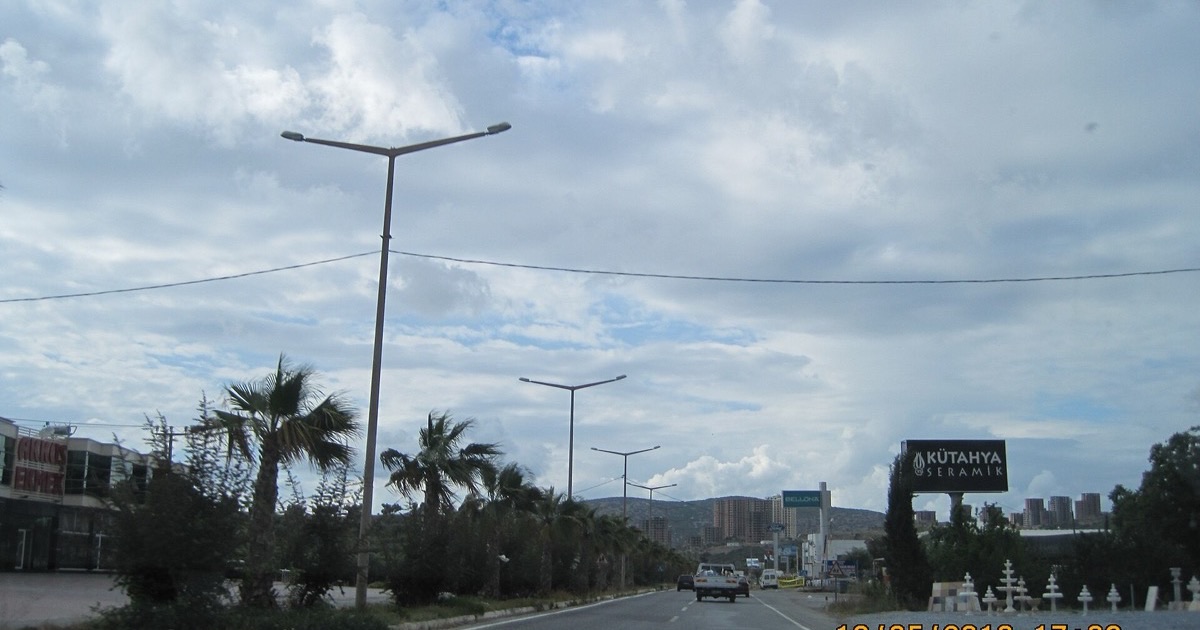
Cover photo: Ege Yolculuk 74 - Kusadasi - panoramio.jpg by Bir_Ege_Hikayesi © · CC BY 3.0 via Wikimedia Commons
Plan your trip
Book Istanbul attraction tickets
Skip-the-line tickets and guided tours for Istanbul's top sights, with mobile tickets and flexible cancellation.
See tickets on TiqetsWe may earn a commission from bookings made through this link, at no extra cost to you.
Travel Community
Heading to Kusadasi?
Connect with fellow travelers going to Kusadasi, swap first-hand tips, and find travel companions for your dates — free to join.
Connect with Kusadasi travelersReviewed by our editor for Türkiye & the Eastern Mediterranean
Elif DemirTürkiye & Eastern Mediterranean Editor
Travel writer covering Türkiye and the Eastern Mediterranean, from Istanbul's old city to the Aegean coast.
More articles by Elif Demir →