
Türkiye & Eastern Mediterranean Editor
Published 22 de abril de 2026 · Reviewed 20 de septiembre de 2026
Imagina deslizarte por la costa turca con el sol bajo en el horizonte y el agua revelando una serie de calas recónditas que muy pocos visitantes llegan a ver.
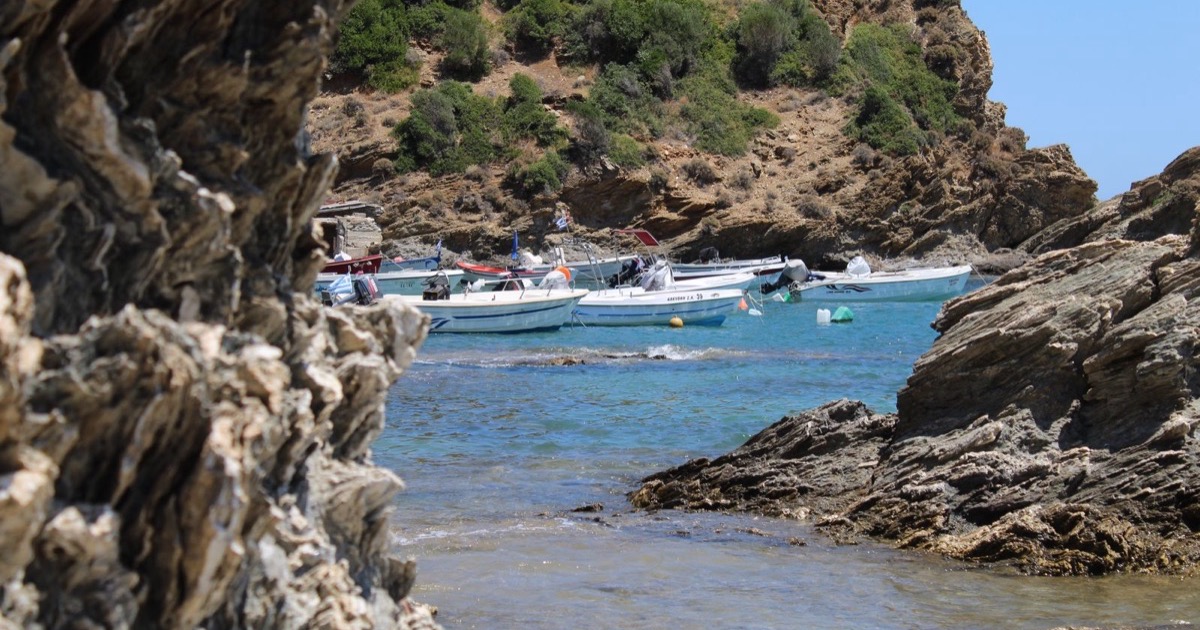
Imagina deslizarte por la costa turca con el sol bajo en el horizonte y el agua revelando una serie de calas recónditas que pocos visitantes llegan a ver. Esta guía de embarcación para bahías ocultas está diseñada para convertir esa imaginación en un itinerario práctico, ofreciéndote las herramientas necesarias para localizar, acceder y disfrutar con seguridad de calas secretas en barco en 2026. Con una combinación de conocimiento local, ayudas modernas a la navegación y prácticas de seguridad de fondeo contrastadas, descubrirás una faceta de Turquía que permanece, en gran medida, intacta frente a las multitudes.
¿Cómo puedo identificar pistas en la orilla que indiquen la presencia de una cala oculta?
La observación directa sigue siendo el método más fiable para detectar una entrada de mar escondida. Busca una hendidura repentina en la línea de costa donde el relieve de los acantilados o las dunas forme una suave forma de "U"; esto suele indicar una zona de aguas más tranquilas. Un cambio en el color de la arena —granos más claros y finos frente a material más oscuro y grueso— puede ser indicio de una playa resguardada que recibe menos oleaje. La vegetación, como arbustos bajos o un grupo de adelfas que crecen en forma de media luna, suele seguir la curva protectora de una bahía oculta.
La claridad y el color del agua son pistas adicionales en la línea de costa. Un cambio de un agua turquesa de mar abierto a un tono esmeralda más profundo suele marcar la transición hacia una cuenca poco profunda y protegida donde se asientan los sedimentos. Preste atención a la dirección del viento y al patrón de las olas; en un día tranquilo, las ondas provocadas por el viento pueden converger hacia una boca estrecha, creando una línea visible de espuma que señala una entrada. Por último, algunos pueblos pesqueros locales tienen a veces pequeños muelles sin señalizar o escalones de piedra que bajan hacia el agua; estos son indicadores prácticos de que existe un lugar de desembarco seguro cerca.
¿Cuáles son las técnicas de fondeo más seguras para bahías aisladas?
Fondear en una cala escondida exige una evaluación clara del lecho marino, el rango de mareas y las condiciones predominantes del viento. Comience consultando las tablas de mareas y las rutas de GPS marítimo para determinar el nivel más bajo del agua y la hora de máxima marejada. Cuando el fondo marino consiste en arena o grava fina, un ancla tipo Danforth ofrece una excelente capacidad de sujeción con un peso relativamente bajo, lo que le permite utilizar un cabo más largo (la relación entre la longitud de la línea de anclaje y la profundidad del agua) para mayor seguridad. En sustratos rocosos o mixtos, un ancla tipo arado como una CQR proporciona un agarre más amplio, reduciendo el riesgo de arrastre.
Establezca siempre un radio de giro mínimo de 7:1 en condiciones de calma y aumente a 10:1 cuando el viento o la corriente aumenten. Utilice una cadena para los primeros 10–15 pies con el fin de absorber las sacudidas, y luego pase a un cabo de nailon o poliéster para el resto. Despliegue un ancla de mar o un drogue si prevé ráfagas repentinas, ya que esto mantendrá la proa orientada hacia el viento y reducirá la tensión en el ancla principal. Antes de abandonar la bahía, realice una "prueba de resistencia" aplicando marcha atrás para confirmar que el ancla sujeta firmemente.
| Tipo de ancla | Capacidad de agarre | Mejor fondo marino | Facilidad de recogida |
|---|---|---|---|
| Danforth | Alta (ligera) | Arena, grava fina | Muy fácil |
| Arado (CQR) | Muy alta | Roca, mixto | Moderada |
| Bruce | Media | Arcilla, lodo | Fácil |
| Garra | Baja-Media | Arena dura, compacta | Fácil |
¿Qué regiones de Turquía ofrecen las calas más secretas para los navegantes?
La costa suroeste del Egeo, especialmente las bahías alrededor de Çeşme y la península de Bozcaada, esconde docenas de estrechos entrantes que solo son accesibles mediante embarcaciones pequeñas. Estas aguas están protegadas por una serie de islas bajas que rompen los vientos predominantes del oeste, creando fondeaderos tranquilos ideales para un día de natación y esnórquel. La topografía costera cercana, marcada por acantilados de piedra caliza y colinas cubiertas de pinos, proporciona puntos de referencia visuales claros para la navegación.
Más hacia el este, la costa licia que se extiende desde Fethiye hasta Kas es famosa por su litoral accidentado y una serie de bahías escondidas, como las que se encuentran cerca de las antiguas ruinas de Olympos. Las tablas de mareas de la región muestran un rango modesto, pero las condiciones del viento local pueden cambiar rápidamente; estar atento al pronóstico diario y utilizar rutas de GPS marítimo te ayudará a programar tu entrada para evitar fuertes brisas del sur. Pequeños pueblos pesqueros como Kabak y Çıralı suelen tener puntos de salida ocultos que conducen directamente a playas aisladas, ofreciendo un vistazo a la vida local mientras exploras.
En el lado mediterráneo, la Costa Turquesa alrededor de Datça y el golfo de Gökova presenta una serie de calas tranquilas de color turquesa, enmarcadas por bosques de pinos y olivares. Muchos de estos lugares se encuentran dentro de áreas marinas protegidas, lo que significa que el agua permanece cristalina y la vida marina es abundante. Al navegar por estas zonas, respeta las regulaciones —prohibido el anclaje en lechos de coral y uso limitado del motor— para preservar el entorno prístino para futuros aventureros.
¿Cómo puedo utilizar las tablas de mareas para planificar una visita a bahías escondidas?
Comprender el ascenso y descenso del nivel del mar es el primer paso para llegar a las calas secretas de Turquía. Las tablas de mareas muestran las horas exactas en las que los niveles del agua están en su punto más alto (pleamar) y más bajo (bajamar). Para la mayoría de las entradas costeras, una marea media —aproximadamente entre 0,5 y 1,0 metros por encima del nivel medio del mar— proporciona suficiente profundidad para un pequeño velero con quilla, manteniendo al mismo tiempo la línea de costa visible para un anclaje seguro. Consultar la tabla un día antes de la salida le permite identificar un intervalo en el que el agua sea lo suficientemente profunda para evitar rocas sumergidas, pero lo suficientemente baja como para evitar una fuerte corriente de salida que pueda arrastrar la embarcación hacia la arena.
Al planificar un día de navegación costera por bahías escondidas, sincronice su salida con el periodo de "vaguada" o aguas muertas, el breve intervalo entre el reflujo y el flujo cuando las corrientes son más débiles. Esto es especialmente útil en pasos estrechos como la entrada que conduce a la bahía de Çıralı, donde una marejada repentina puede empujar un barco contra el borde rocoso. Muchos puertos deportivos turcos publican tablas de mareas en línea; simplemente introduzca el nombre del puerto y la fecha para obtener un PDF imprimible. Compare la previsión local de la dirección del viento, ya que las brisas de tierra pueden aumentar o contrarrestar el flujo de la marea.
| Condición | Altura de marea ideal | Ventana de tiempo recomendada | Uso típico |
|---|---|---|---|
| Entrada poco profunda a una cala (p. ej., bahía de Ölüdeniz) | 0,6-0,9 m por encima del nivel medio del mar | Desde 30 minutos antes de la pleamar hasta 45 minutos después | Anclaje cerca de la playa sin encallar |
| Aproximación en aguas profundas para yates de mayor tamaño (p. ej., la cala escondida de Kalkan) | 1.2-1.5 m sobre el nivel medio del mar | De flujo medio a reflujo temprano (aproximadamente 2-3 horas después de la marea alta) | Pasar con seguridad sobre salientes sumergidas |
| Navegación en aguas tranquilas a través de estrechos angostos | Variable, centrarse en una corriente mínima | 15-20 minutos antes y después del cambio de marea | Reducir la deriva al entrar en playas aisladas en barco |
¿Qué equipo debo llevar para explorar calas escondidas en barco?
Preparar el equipo adecuado puede convertir una salida rutinaria en un descubrimiento fluido de las calas secretas que Turquía tiene para ofrecer. Un GPS de mano compacto con capacidad de marcar puntos de referencia es esencial para registrar la ubicación exacta de cada cala; esto también le ayudará a regresar más tarde sin depender solo de la memoria. Combine el GPS con una carta náutica de papel como respaldo, especialmente en zonas donde las señales electrónicas puedan ser intermitentes.
Nunca se debe comprometer el equipo de seguridad. Un ancla robusta con un cabo de 7 a 10 metros, una cadena de alta calidad y un mecanismo de liberación rápida le darán confianza al fundear en un lugar estrecho. Lleve un anemómetro portátil para medir ráfagas repentinas que podrían empujar la embarcación hacia rocas ocultas. Por último, traiga una bolsa impermeable ligera para objetos personales, un pequeño botiquín de primeros auxilios y un set de protector solar respetuoso con los arrecifes.
- GPS de mano con función de puntos de referencia marinos
- Carta náutica de papel de la costa turca
- Cabo de ancla de 7-10 metros con cadena y mecanismo de liberación rápida
- Anemómetro portátil
- Bolsa estanca impermeable para electrónica y ropa
- Botiquín de primeros auxilios compacto con pastillas para el mareo
- Protector solar respetuoso con los arrecifes y gafas de sol polarizadas
¿Cómo afectan las condiciones del viento y las corrientes a la navegación hacia calas secretas?
La dirección y la fuerza del viento son las principales fuerzas que determinan la trayectoria de una embarcación hacia una bahía escondida. Las brisas de tierra, que soplan desde la costa hacia el mar, tienden a alejar los barcos de la orilla, dificultando la llegada a un fondeadero estrecho. Por el contrario, los vientos de mar pueden ayudar a un suave desplazamiento hacia la playa, pero también pueden aumentar el riesgo de encallar si el agua es poco profunda. Es aconsejable vigilar el pronóstico local para detectar ráfagas que superen los 12 nudos; muchas de las calas ocultas de Turquía están rodeadas de acantilados que canalizan el viento en chubascos repentinos y localizados.
Las corrientes, especialmente las generadas por el flujo de la marea a través de canales estrechos, pueden crear un «desvío y deriva» que mueve sutilmente el barco lateralmente. En lugares como el canal que conduce a Patara Beach, la corriente de bajamar puede alcanzar los 1–2 nudos, lo suficiente para desviar un pequeño velero si no se compensa. Ajuste su rumbo unos pocos grados hacia la corriente (técnica conocida como *crabbing*) para mantener un rumbo recto. Cuando sea posible, entre en una cala durante la marea muerta, cuando la corriente se ralentiza casi por completo, reduciendo la necesidad de correcciones constantes.
¿Dónde puedo encontrar cartas náuticas fiables de las bahías ocultas de Turquía?
Las publicaciones hidrográficas oficiales del Instituto Hidrográfico y Oceanográfico de Turquía (T.H.O.I.) son la fuente más autorizada para obtener información detallada sobre la topografía costera, las curvas de nivel de profundidad y los peligros identificados a lo largo de las costas del Egeo y el Mediterráneo. Sus cartas náuticas en papel pueden adquirirse en las principales marinas, especialmente en aquellas cercanas a centros de navegación populares como Bodrum, Marmaris y Fethiye, donde los proveedores locales suelen disponer de las últimas ediciones.
Para la navegación digital, proveedores de prestigio como Navionics, C‑Map y el United Kingdom Hydrographic Office (Admiralty) distribuyen archivos de cartas electrónicas compatibles con la mayoría de los plotters y tabletas móviles. Estas plataformas integran regularmente tablas de mareas y actualizaciones en tiempo real sobre la ubicación de las boyas, lo cual es esencial al planificar un fondeo en una cala estrecha que pueda experimentar cambios rápidos en el nivel del agua.
Además de las cartas nacionales, los recursos de código abierto como OpenSeaMap ofrecen una capa complementaria de referencias costeras —afloramientos rocosos, marcas de arrecifes y muelles de pueblos pesqueros— que pueden ayudarte a verificar un punto de entrada seguro antes de echar el ancla. Combinar estas señales visuales con un registrador de rutas GPS personal te permitirá guardar los accesos exitosos para futuros viajes.
¿Cuáles son las consideraciones legales para fondear en calas protegidas?
Turquía designa numerosas áreas marinas protegidas (AMP) a lo largo de su costa para salvaguardar los ecosistemas frágiles y las zonas de desove. El fondeo dentro de estas zonas está sujeto a regulaciones estrictas que varían de una región a otra, por lo que se recomienda realizar una sesión informativa sobre la normativa local antes de zarpar.
Las infracciones pueden dar lugar a multas, retirada de embarcaciones o prohibiciones temporales en la zona. La mayoría de las AMP requieren que los barcos utilicen las boyas de amarre designadas donde estén instaladas; si no hay ninguna disponible, se podría permitir un fondeo breve solo tras obtener un permiso por escrito de la Dirección Provincial de Gestión Costera. El proceso de obtención del permiso suele requerir una breve descripción de la embarcación, la duración prevista y el compromiso de cumplir con las directrices de eliminación de residuos.
- Consulte el mapa más reciente de las áreas marinas protegidas antes de la salida; los límites suelen estar marcados en las cartas náuticas oficiales.
- Observe la señalización instalada en los puntos de entrada; muchas calas muestran avisos sobre cierres estacionales para la reproducción de tortugas.
- Utilice únicamente anclas respetuosas con el medio ambiente, diseñadas para minimizar la alteración del lecho marino.
- Mantenga una distancia de al menos 200 metros de los sitios de anidación conocidos, estructuras de arrecifes y zonas arqueológicas submarinas.
- No descargue ningún tipo de residuo, incluidas las aguas grises, dentro de los límites del área protegida.
- Informe de cualquier daño accidental a las autoridades con prontitud para evitar que la situación se agrave.
- Mantenga un registro de las coordenadas de fondeo y la duración para fines de archivo y referencia futura.
¿Cómo puedo avistar fauna marina mientras navego hacia playas aisladas?
Las primeras horas de la mañana y el final de la tarde son los momentos más productivos para observar delfines, tortugas marinas y aves marinas que frecuentan las aguas tranquilas de calas escondidas. Mantenga el motor a bajas revoluciones para reducir el ruido; muchas especies son sensibles a las perturbaciones repentinas y solo saldrán a la superficie cuando el barco se mueva suavemente.
Preste atención a las señales en la orilla, como grupos de gaviotas o cormoranes posados en afloramientos rocosos; estas aves suelen indicar la presencia de bancos de peces debajo, lo que a su vez atrae a depredadores más grandes. Unos prismáticos montados en un trípode estable pueden ayudarle a escanear el horizonte en busca de las características aletas dorsales de los delfines o los lomos hidrodinámicos de las tortugas que se deslizan cerca de la superficie.
Cuando se acerque a una playa situada tras un pueblo pesquero local, pregunte a los pescadores sobre avistamientos recientes; sus rutinas diarias les proporcionan un conocimiento íntimo de las rutas migratorias y las agrupaciones estacionales. Respete cualquier señal de advertencia que indique zonas de nidificación protegidas y mantenga siempre una distancia de seguridad para evitar estresar a los animales.
¿Qué recursos o guías locales pueden ayudarme a descubrir bahías escondidas en 2026?
Los municipios costeros de la Riviera Turca publican boletines estacionales que señalan calas recién accesibles, bancos de arena estacionales y puntos de amarre temporales. Estos PDF suelen publicarse en las webs oficiales de cada distrito y pueden descargarse en una tablet para su consulta sin conexión. Los boletines son elaborados por los oficiales de puerto locales que patrullan la costa durante todo el año, por lo que reflejan los cambios más recientes causados por la erosión o la construcción.
Además de los boletines oficiales, varios clubes de vela independientes organizan talleres de «búsqueda de calas» durante la primavera y principios del verano. Los participantes reciben mapas con bocetos hechos a mano, tablas de mareas específicas para los sectores del Egeo y el Mediterráneo, y una breve sesión informativa sobre las costumbres locales en relación con las tasas de fondeo. Muchos clubes también mantienen una red de WhatsApp donde los miembros comparten observaciones en tiempo real —como el afloramiento repentino de un afloramiento rocoso tras una tormenta—, convirtiendo al grupo en una fuente viva de información actualizada.
¿Cómo puedo evitar peligros comunes al entrar en calas estrechas?
Primero, compruebe siempre la profundidad indicada en la carta con un ecosonda de mano antes de comprometerse con la aproximación. Los bancos de arena poco profundos pueden desplazarse tras una sola marejada fuerte, y una lectura de profundidad de incluso un metro puede ser engañosa si el lecho marino es irregular. Si el eco muestra un cambio rápido, reduzca la velocidad y posicione la proa hacia el punto más profundo, manteniendo siempre una línea de visión despejada hacia la orilla.
En segundo lugar, tenga en cuenta la dirección del viento en relación con la orientación de la cala. Una brisa lateral puede empujar una embarcación pequeña contra rocas ocultas que son invisibles desde la entrada. Utilice un anemómetro portátil para medir las ráfagas y, si el viento proviene del lado de sotavento de la entrada, considere fondear más lejos y utilizar una línea larga para llegar a la playa. Esta técnica también le brinda tiempo extra para ajustar el ancla si el fondo marino es una mezcla de arena y escombros.
Fuentes y lecturas adicionales
Preguntas frecuentes
¿Cuál es la forma más fiable de localizar bahías aisladas sin contratar a un guía?
Combine cartas náuticas de acceso público con imágenes de satélite que resalten aguas cristalinas y una baja urbanización en la costa. Busque pequeñas hendiduras donde la línea de costa forme un ángulo pronunciado; estas suelen ser las entradas a bahías ocultas. Verifique el lugar consultando las previsiones de mareas recientes y, si es posible, pida una rápida confirmación a los pescadores locales antes de partir.
¿Se requiere algún permiso o hay que pagar alguna tasa para fondear en las calas remotas de Turquía?
La mayoría de las calas deshabitadas no requieren un permiso formal, pero los municipios locales pueden cobrar una pequeña tasa de fondeo durante la temporada alta. La tasa suele recaudarse en la marina autorizada más cercana o puede pagarse directamente al guardacostas en el lugar. Es aconsejable llevar algo de efectivo, ya que las opciones de pago electrónico no siempre están disponibles en estas zonas aisladas.
¿Qué tamaño de embarcación es más adecuado para navegar por entradas estrechas?
Un barco con una eslora inferior a 12 metros y un calado poco profundo de menos de 1,5 metros ofrece la mayor flexibilidad. Los cascos más pequeños pueden pivotar rápidamente y tienen menos probabilidades de rozar el fondo en arrecifes ocultos. Si planea traer a un grupo, un catamarán de tamaño moderado ofrece tanto estabilidad como la capacidad de distribuir el peso en una superficie mayor, reduciendo el riesgo de encallar.
¿Qué tan fiables son las aplicaciones de navegación para smartphones para descubrir calas secretas?
Las aplicaciones modernas que integran datos AIS y capas de satélite de alta resolución pueden orientarte hacia posibles zonas de fondeo, pero nunca deben sustituir a una carta náutica en papel o a un GPS marino dedicado. La pérdida de señal es común en valles estrechos, y los algoritmos pueden clasificar erróneamente bancos de arena poco profundos como aguas abiertas. Utiliza la aplicación como guía preliminar y confirma cada ubicación con herramientas de navegación tradicionales.
¿Puedo combinar el esnórquel con una excursión en barco a una cala escondida?
Sí, muchas calas aisladas tienen aguas tranquilas y cristalinas ideales para el esnórquel. Antes de echar el ancla, comprueba la temperatura del agua y cualquier aviso local sobre la vida marina. Lleva un protector solar respetuoso con los arrecifes y un equipo de esnórquel compacto que pueda guardarse en una bolsa estanca. Fondear sobre un fondo arenoso en lugar de un saliente rocoso reduce la posibilidad de dañar el equipo.
¿Qué medidas de seguridad debo seguir al echar el ancla en una ensenada aislada?
Primero, evalúa la composición del lecho marino; la arena y la grava fina proporcionan el mejor agarre. Segundo, calcula la longitud de cabo adecuada —normalmente una relación de 7:1 entre la longitud del cabo y la profundidad del agua— para las condiciones previstas de viento y corriente. Por último, coloca un segundo ancla o una línea de frenado (kellet line) si la cala es conocida por sus ráfagas repentinas, lo que te proporcionará un punto extra de seguridad.
¿Cómo puedo leer las cartas náuticas turcas para identificar calas escondidas?
Las cartas náuticas de Turquía utilizan los símbolos estándar de la OHI, pero incluyen un patrón de sombreado específico para "anclaje restringido" y una línea punteada para "costa inexplorada". Busque los pequeños símbolos triangulares que denotan "rocas peligrosas" y el sombreado azul que marca aguas poco profundas. Contrastar estos símbolos con las tablas de mareas revelará qué calas son accesibles durante la marea baja.
¿Existen marinas que alquilen barcos específicamente para explorar calas?
Varias marinas a lo largo de la costa occidental mantienen una flota de pequeños motores y veleros equipados con equipo básico de anclaje. Estos alquileres suelen incluir una breve orientación sobre las normas de navegación locales y una lista impresa de las calas recomendadas para la temporada. Reservar con antelación durante los meses de temporada alta garantiza la disponibilidad, ya que el inventario puede ser limitado.
¿Qué patrones meteorológicos debo vigilar al planificar una excursión a una bahía escondida?
La primavera y principios de otoño suelen traer brisas constantes del oeste que son favorables para navegar por la costa de Turkiye. Sin embargo, pueden desarrollarse chubascos repentinos cuando masas de aire frío se desplazan desde el norte, provocando ráfagas que empujan el agua hacia las entradas estrechas. Esté atento al pronóstico regional de "tormentas localizadas" y esté preparado para buscar un puerto más grande y protegido si las condiciones empeoran.
Antes de partir, comprueba tu equipo, verifica la información más reciente sobre las mareas y avisa a un contacto de confianza sobre tu ruta prevista. Un poco de preparación extra convierte un simple paseo en barco en una serie de descubrimientos memorables a lo largo de la menos conocida costa de Turquía.
Más guías de viaje de Turquía
- La mejor época para visitar Antalya para hacer buceo y esnórquel
- Caminando a través del tiempo: Guía completa de la ciudad antigua de Éfeso
- Aspectos legales esenciales en Kusadasi para expatriados: Una guía práctica de supervivencia
- Tarjeta SIM en Kusadasi 2026: Los mejores planes de datos para turistas y eSIM
Plan your trip
Book Istanbul attraction tickets
Skip-the-line tickets and guided tours for Istanbul's top sights, with mobile tickets and flexible cancellation.
See tickets on TiqetsWe may earn a commission from bookings made through this link, at no extra cost to you.
Reviewed by our editor for Türkiye & the Eastern Mediterranean
Elif DemirTürkiye & Eastern Mediterranean Editor
Travel writer covering Türkiye and the Eastern Mediterranean, from Istanbul's old city to the Aegean coast.
More articles by Elif Demir →