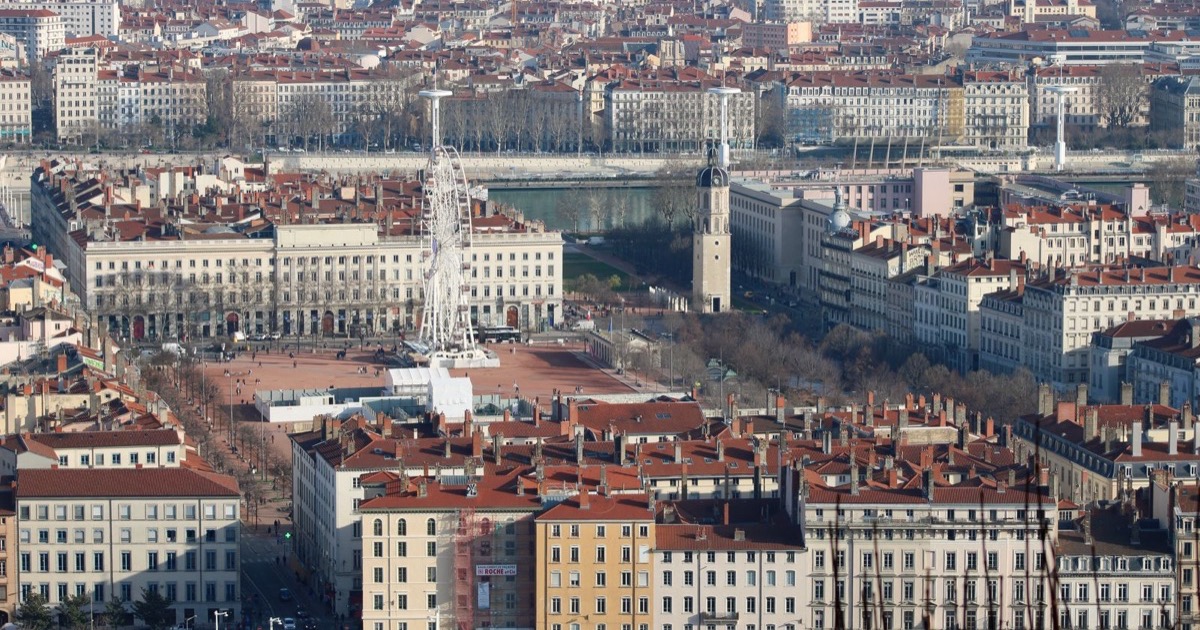

Bienvenido a la guía fotográfica definitiva de Vieux Lyon, donde los adoquines se encuentran con el amanecer y los callejones iluminados por faroles susurran historias a cada obturación.
Bienvenido a la guía fotográfica definitiva de Vieux Lyon, donde los adoquines se encuentran con el amanecer y los callejones iluminados por faroles susurran historias a cada obturador. Este barrio de Lyon, declarado Patrimonio de la Humanidad por la UNESCO, ofrece un lienzo compacto de fachadas medievales, patios secretos y vistas al río que recompensan tanto al fotógrafo ocasional como al profesional experimentado. A continuación, encontrarás ubicaciones precisas, consejos sobre el horario y sugerencias de composición para transformar encuadres ordinarios en narrativas visuales cautivadoras.
¿Cuáles son los patios ocultos más fotogénicos de Vieux Lyon?
El patio situado detrás del Musée Gadagne, al que se accede a través de una discreta puerta de madera en Rue du Bœuf, se abre a un espacio de tonos pastel enmarcado por balcones de hierro forjado. La luz de la mañana se filtra a través de las ventanas superiores, creando suaves degradados que realzan la textura del pavimento de piedra. Coloca tu cámara en una posición baja para capturar el juego de luces y sombras sobre los azulejos estampados, y luego realiza un paneo lento hacia arriba para incluir los arcos que definen el espacio.
Otro enclave digno de mención se encuentra dentro del claustro de la Catedral de Saint‑Jean. El jardín del claustro, aunque modesto en tamaño, cuenta con una fuente central rodeada de hiedra trepadora. Durante la hora dorada, el sol destella sobre el agua, creando un brillo sutil que añade profundidad a la composición. Un objetivo gran angular funciona bien aquí, permitiéndote abarcar tanto la superficie reflectante como las imponentes columnas que bordean el perímetro.
Para un momento más tranquilo, busca el patio del Hôtel de la Couronne en Rue du Petit Collège. Su paleta de colores apagados y un solitario banco de piedra proporcionan un fondo minimalista perfecto para retratos o estudios de bodegones. Al final de la tarde, las sombras se alargan sobre el suelo, enfatizando el ritmo geométrico de los arcos circundantes. Un trípode te ayudará a mantener la nitidez a medida que la luz se desvanece.
¿Dónde puedo capturar el amanecer sobre el río Saône desde Vieux Lyon?
El Quai Saint‑Vincent ofrece una vista despejada hacia el este que enmarca el Saône a medida que el sol asciende. Posiciónate cerca del histórico Pont d’Ainay para lograr una composición que incluya los arcos de piedra del puente en primer plano, creando una línea de fuga natural hacia el agua iluminada. Un filtro polarizador puede reducir los reflejos e intensificar los colores del cielo temprano.
Para una perspectiva más elevada, sube los escalones hasta la azotea de la Maison des Avocats en Rue du Bœuf. Desde esta modesta terraza podrás capturar la curva del río junto a los tejados del casco antiguo, revelando un mosaico de tejas de terracota bañadas por los tonos del amanecer. Un dron, operado conforme a las regulaciones locales, puede ampliar la vista para incluir las riberas y la silueta lejana de la colina de Fourvière.
Si prefieres un entorno más íntimo, el pequeño muelle en Place du Petit Collège ofrece un primer plano de pilotes de madera que dirigen la mirada directamente a la superficie del agua. Al amanecer, los reflejos danzan sobre las ondas, ofreciendo oportunidades para fotografías de larga exposición que suavizan el agua mientras mantienen nítida la arquitectura circundante.
| Lugar | Punto de vista | Mejor hora | Acceso |
|---|---|---|---|
| Quai Saint‑Vincent | Ribera con Pont d’Ainay | 5:30 – 6:15 am (primavera-verano) | Acera, accesible para sillas de ruedas |
| Azotea de la Maison des Avocats | Terraza elevada con vistas al Saône | 5:45 – 6:30 am (otoño-invierno) | Escaleras, sin ascensor |
| Muelle de Place du Petit Collège | Muelle de madera con el río en primer plano | 5:20 – 6:00 am (todo el año) | A nivel del suelo, entrada fácil |
¿Qué callejones de Vieux Lyon son los mejores para la fotografía nocturna iluminada por farolillos?
La Rue du Bœuf se transforma al anochecer en un corredor de resplandor ámbar, gracias a los faroles históricos montados sobre soportes de piedra. La estrechez del callejón acentúa los haces de luz, creando contrastes dramáticos que funcionan muy bien con ajustes de ISO alto. Coloca tu cámara en el punto medio del callejón para capturar el punto de fuga, permitiendo que los faroles guíen la mirada del espectador hacia la fachada distante.
Otro pasaje atmosférico es el Passage Thiaffait, una galería cubierta que alberga talleres artesanales. La iluminación nocturna proviene de faroles bajos que proyectan cálidos focos de luz sobre los adoquines. Utiliza una apertura moderada para mantener tanto el primer plano como el fondo enfocados, resaltando la textura de la piedra mientras preservas el suave resplandor de los faroles.
La empinada Rue du Petit Collège, con su serie de escalones ascendentes, ofrece una sucesión de nichos iluminados por faroles que crean un patrón rítmico de luces y sombras. Un trípode es esencial aquí; una exposición más larga capturará el sutil movimiento de los peatones, añadiendo una sensación de vida a la arquitectura estática. Experimenta con una ligera inclinación para enfatizar la pendiente del callejón y las líneas verticales de los soportes de los faroles.
¿Cómo puedo utilizar un dron de forma segura para fotografiar los tejados de Vieux Lyon?
Vieux Lyon se encuentra dentro de un espacio aéreo estrictamente regulado que prioriza tanto la preservación del patrimonio como la seguridad peatonal. Antes de despegar, verifique las últimas restricciones en el portal de aviación civil francesa; el centro histórico está clasificado como zona de "no vuelo" para drones no controlados, pero existe un corredor limitado de "baja altitud" a lo largo de la ribera del Saône entre el Pont de la Guillotière y el Musée des Confluences. Obtenga una autorización de vuelo temporal (conocida como “déclaration préalable”) si planea superar los 20 m AGL (sobre el nivel del suelo) o volar después del atardecer. Cuente con un observador visual que pueda detectar los estrechos callejones de piedra y los puestos ocasionales de los mercados callejeros, y mantenga el dron siempre dentro de su línea de visión.
Cuando tenga permiso para volar, respete la regla de "margen de 30 metros" que rodea cualquier edificio religioso o cívico, incluyendo la Cathédrale Saint‑Jean y el Hôtel de Ville. Utilice un dron equipado con protectores de hélices y un sistema de geovallado (geo-fencing) que solo pueda anularse manualmente tras haber confirmado que el área está despejada. Ajuste la velocidad máxima a unos suaves 5 m/s para minimizar el flujo de aire de los rotores que podría alterar las delicadas fachadas. Por último, descargue un mapa de alta resolución de los tejados y planifique con antelación su ruta de vuelo; esto reduce la necesidad de realizar ajustes sobre la marcha y mantiene la operación fluida y predecible.
| Característica | Dron de consumo estándar (p. ej., DJI Mini 3) | Modelo prosumer (p. ej., DJI Air 2S) |
|---|---|---|
| Tiempo máximo de vuelo | 31 minutos | 27 minutos |
| Sensores de obstáculos | Solo hacia abajo | Hacia adelante, hacia atrás y hacia abajo |
| Capacidad de carga útil | Hasta 250 g | Hasta 500 g (permite batería adicional) |
| Anulación de geovallado (Geo-fencing) | Limitada (requiere aprobación de la aplicación) | Anulación manual completa con clave de seguridad |
¿Qué ajustes de cámara funcionan mejor para las fachadas de piedra del Vieux Lyon?
La caliza y la toba que componen las fachadas del Vieux Lyon responden bien a una exposición equilibrada que capture tanto el tono cálido de la piedra como las sutiles sombras proyectadas por la ornamentada forja. Dispara en RAW para conservar la máxima latitud tonal y configura la cámara en prioridad de apertura (A o Av) con una profundidad de campo moderada —normalmente entre f/5.6 y f/8— para que la textura de la piedra se mantenga nítida mientras el fondo retrocede suavemente. El ISO debe mantenerse lo más bajo posible; con luz natural, valores de 100–200 evitan el grano, mientras que en la hora azul, un ligero aumento a 400 puede preservar el detalle sin introducir ruido.
Utilice el fotómetro integrado de la cámara para evitar que las zonas iluminadas por el sol en la fachada se sobreexpongan. Si la escena presenta un alto contraste —como una ventana brillante rodeada de piedra oscura—, active la compensación de exposición y ajústela entre –0.7 y –1.0 EV. Para capturar el resplandor del atardecer, cambie a una velocidad de obturación más lenta (de 1/30 s a 1/60 s) y utilice un trípode estable; esto le permitirá capturar la cálida luz de los faroles sin perder nitidez. Por último, considere el uso de un ligero filtro polarizador para reducir los reflejos en los adoquines mojados y profundizar el color del cielo, lo que aportará profundidad a la composición general.
- Dispare en formato RAW para obtener la máxima flexibilidad en el postprocesado.
- Utilice la prioridad de apertura con f/5.6 – f/8 para mantener enfocada la textura de la piedra.
- Mantenga el ISO entre 100 y 200 con luz diurna brillante; auméntelo a 400 en condiciones de poca luz.
- Aplique una compensación de exposición de –0.7 EV a –1.0 EV cuando las altas luces amenacen con perder detalle.
- Emplee un trípode y una velocidad de obturación de 1/30 s – 1/60 s para escenas nocturnas con faroles.
- Coloque un polarizador circular para atenuar los reflejos y enriquecer el color del cielo.
- Realice bracketing de exposición (±1 EV) cuando el rango dinámico exceda la capacidad del sensor.
¿Dónde se encuentran los miradores secretos para hacer fotos panorámicas del casco antiguo de Lyon?
Más allá de las concurridas terrazas de Fourvière, una serie de discretas escaleras conducen a patios elevados que enmarcan el Vieux Lyon desde ángulos inesperados. El primero es el “Cour du Boeuf”, situado detrás del Musée Gadagne; desde su modesto balcón se puede capturar una vista panorámica de la Rue du Bœuf, sus contraventanas medievales y la curva del río en un solo encuadre. Un breve ascenso por la “Escalier du Bœuf” desemboca en una plataforma de piedra que ofrece una perspectiva de ángulo bajo de la fachada de Saint‑Paul, ideal para incorporar la intrincada forja de las traboules en primer plano.
Más hacia el este, el “Passage Thiaffally” esconde una estrecha terraza con vistas accesible a través de una puerta oculta marcada únicamente por una placa de latón desgastada. Desde este mirador, la cámara puede recorrer toda la península del Vieux Lyon, captando el solapamiento de los tejados, las cubiertas inclinadas de las mansiones renacentistas y la silueta distante de la Basílica de Notre‑Dame de Fourvière. Para los entusiastas del amanecer, el “Jardin des Curiosités”, en la ladera de la colina de Fourvière, ofrece un barrido panorámico que alinea la luz temprana con la bruma del río, proporcionando un fondo dramático tanto para composiciones de gran angular como de teleobjetivo.
¿Qué traboules ofrecen oportunidades únicas de luz y composición?
La traboule en Passage de la Bourse se extiende bajo una hilera de casas de mercaderes del siglo XVI, creando un túnel de piedra tenue que captura la luz suave y difusa de la mañana. Coloque su sujeto cerca del arco central donde la luz del sol se filtra a través de la estrecha abertura superior, proyectando gradientes sutiles que enfatizan la textura. Un objetivo gran angular acentuará las líneas convergentes, mientras que una apertura moderada (f/8-f/11) preservará la profundidad en todo el pasillo.
Otro espacio fascinante es el Cour des Voraces, un patio interior elevado al que se accede por una discreta puerta en Rue du Bœuf. El alto techo abovedado, puntuado por una serie de claraboyas, produce dramáticos haces de luz que contrastan fuertemente con la escalera en sombra debajo. Disparar desde el nivel inferior hacia arriba con un objetivo tilt-shift puede aislar el patrón geométrico de las balaustradas de hierro, mientras que una velocidad de obturación más lenta (1/30-1/60 s) permite que la iluminación ambiental suavice la escena sin necesidad de relleno artificial.
¿Cuándo es la hora dorada en Vieux Lyon durante cada estación?
La hora dorada —el periodo en el que el sol se sitúa justo por debajo del horizonte— cambia notablemente a lo largo del año. En primavera (de marzo a mayo), el ángulo del sol crea un baño de luz cálida que comienza aproximadamente 45 minutos después de la salida del sol y termina unos 45 minutos antes de la puesta de sol. El otoño (de septiembre a noviembre) ofrece un intervalo similar, aunque la luz tiende hacia tonos más fríos a medida que los días se acortan. El verano (de junio a agosto) proporciona los intervalos dorados más largos, extendiéndose a menudo una hora antes y después de la salida y puesta del sol debido a la trayectoria solar más baja. El invierno (de diciembre a febrero) reduce el periodo a unos 30 minutos, pero el sol bajo genera sombras alargadas e impactantes, ideales para trabajar siluetas.
Para una planificación precisa, consulta una calculadora de salida y puesta de sol para Lyon el día de tu sesión. Ajusta tu horario llegando al lugar elegido al menos diez minutos antes del inicio estimado para explorar la composición y ajustar la exposición. Recuerda que la cobertura de nubes puede suavizar o amplificar el resplandor, por lo que es aconsejable realizar una comprobación rápida del tiempo.
- Primavera: salida del sol ≈ 06:45 – 07:30, puesta de sol ≈ 20:15 – 21:00
- Verano: salida del sol ≈ 05:45 – 06:15, puesta de sol ≈ 21:30 – 22:00
- Otoño: salida del sol ≈ 07:15 – 08:00, puesta de sol ≈ 19:30 – 20:15
- Invierno: salida del sol ≈ 08:15 – 08:45, puesta de sol ≈ 17:00 – 17:30
- Todas las estaciones: añade 30-45 minutos antes de la salida del sol y después de la puesta de sol para obtener la luz más suave
¿Cómo puedo acceder a las terrazas en las azoteas de los edificios históricos del Vieux Lyon?
Varios sitios patrimoniales permiten un acceso limitado a las azoteas mediante visitas guiadas o entradas con horario reservado. El Hôtel de Gadagne, sede del Musée d’histoire de Lyon, ofrece un ascenso exclusivamente por escaleras a una modesta terraza con vistas a la Place du Change. Se requiere reserva durante los meses de mayor afluencia, y la terraza permanece cerrada los martes, cuando el museo cierra al público. Otra opción es la Saint‑Jean‑Baptiste Church, cuyo campanario se puede subir a través de una estrecha escalera de caracol; la plataforma ofrece una vista panorámica del río Saône y de los tejados de teja roja que se extienden más allá.
Algunos hoteles privados situados en antiguas mansiones, como los de la Rue du Bœuf, a veces abren sus patios interiores y azoteas a personas no alojadas por una pequeña tarifa, especialmente durante eventos culturales. Contacte con la recepción con antelación para organizar una breve visita. Para los fotógrafos que necesiten una base estable, la municipal Terrasse de la Saône en el Quai Saint‑Vincent es un espacio público que ofrece líneas de visión despejadas hacia los tejados del casco antiguo, lo que la convierte en una alternativa conveniente cuando el acceso al interior está restringido.
¿Cuáles son los objetivos recomendados para fotografiar las calles estrechas de Lyon?
Para los pasajes estrechos y sinuosos de Vieux Lyon, un objetivo fijo rápido en el rango de 35-50 mm en cuerpos de formato completo (o 24-35 mm en APS-C) proporciona un campo de visión que se asemeja al ojo humano manteniendo una distorsión baja. Una apertura máxima de f/1.4-f/2.0 te permite aislar detalles en patios con poca luz y mantener una profundidad de campo reducida cuando quieras enfatizar un solo portal o un balcón de hierro forjado.
Si prefieres una solución de lente única que pueda manejar tanto primeros planos como vistas ligeramente más amplias, un zoom 24-70 mm f/2.8 es un compromiso sólido. Su apertura constante garantiza una exposición coherente cuando pasas de un callejón estrecho a una plaza más amplia, y el rango de distancia focal cubre la mayoría de las necesidades compositivas sin obligarte a cambiar de objetivo en mitad del paseo.
¿Cómo puedo evitar las multitudes al fotografiar los lugares más populares de Vieux Lyon?
Las primeras horas de la mañana son la ventana más fiable para encontrar calles vacías. La mayoría de las cafeterías y tiendas abren alrededor de las 8 a.m., pero los callejones históricos ya están tranquilos, lo que te permite capturar la luz del amanecer sobre las fachadas de piedra sin competir con los turistas. Lleva un trípode ligero o un monopié para montar composiciones estables rápidamente antes de que aumente el tránsito de peatones durante el día.
Otra táctica es explorar pasajes secundarios que se ramifican de las vías principales. Muchos traboules y patios ocultos son accesibles desde calles laterales y reciben muchos menos visitantes. Utiliza un mapa de la ciudad o una aplicación especializada en recorridos fotográficos para localizar estas rutas menos conocidas, y llega justo después de que las principales atracciones se hayan despejado durante el parón del mediodía.
Fuentes y lecturas adicionales
Preguntas frecuentes
¿Se permite la fotografía con drones en Vieux Lyon?
Los vuelos de drones están prohibidos dentro del centro histórico de Lyon, incluido Vieux Lyon, debido a las estrictas normativas de preservación y a las restricciones del espacio aéreo. Puede operar un dron en parques designados o áreas abiertas fuera del distrito declarado Patrimonio de la Humanidad por la UNESCO, pero debe registrar la aeronave y respetar una altitud máxima de 120 metros. Consulte siempre las últimas ordenanzas locales antes de planificar tomas aéreas.
¿Necesito un permiso para fotografiar dentro de los traboules?
La mayoría de los traboules son de propiedad privada y, aunque la fotografía casual suele tolerarse, las sesiones comerciales o el uso de equipo de iluminación adicional requieren el permiso de los propietarios o de la oficina de patrimonio cultural de la ciudad. Es cortés preguntar al residente o al guía que le acompañe, y a menudo un simple consentimiento por escrito es suficiente para uso profesional.
¿Cuál es la mejor hora del día para la fotografía callejera en Vieux Lyon?
La hora dorada justo después del amanecer ofrece una luz cálida y direccional que acentúa las texturas de la piedra y crea sombras alargadas en los callejones estrechos. El final de la tarde, alrededor de las 4 p.m., proporciona un resplandor más suave y menos turistas, especialmente entre semana. Los días nublados también pueden ser ventajosos, ya que ofrecen una iluminación uniforme que reduce los contrastes marcados.
¿Qué objetivos de cámara son ideales para capturar la arquitectura de Vieux Lyon?
Un objetivo descentrable (tilt-shift) puede corregir la distorsión de perspectiva al fotografiar fachadas desde el nivel de la calle, manteniendo rectas las líneas verticales. Si no dispone de un tilt-shift, un objetivo fijo teleobjetivo corto (50-85 mm) combinado con una composición cuidadosa puede lograr resultados similares. Los objetivos gran angular son útiles para tomas de interiores en patios estrechos, pero mantenga la distancia focal por encima de 16 mm en formato completo para evitar una distorsión de barril excesiva.
¿Hay rutas fotográficas guiadas en Vieux Lyon para principiantes?
Varios clubes de fotografía locales organizan recorridos semanales que se centran en las calles históricas de Vieux Lyon, ofreciendo consejos sobre composición, exposición y postprocesado. Estos tours suelen comenzar en la Catedral de Saint-Jean y duran dos horas, cubriendo tanto lugares icónicos como rincones menos conocidos. Por lo general, se requiere inscripción previa y los grupos son limitados para mantener un ritmo relajado.
¿Cómo puedo proteger mi equipo de la lluvia mientras hago fotos en el casco antiguo de Lyon?
Lleva una funda impermeable compacta y transpirable que se ajuste a tu cámara y objetivo sin restringir el acceso a los controles. Un paño de microfibra y un pequeño paquete de gel de sílice dentro de tu bolsa ayudarán a absorber la humedad. Si prevés lluvias intensas, considera usar un cuerpo mirrorless con sellado climático, que ofrece una mejor resistencia a las salpicaduras que muchas DSLR.
¿Dónde puedo encontrar baños públicos cerca de los lugares fotográficos más populares en Vieux Lyon?
Los servicios públicos se encuentran cerca de la Place du Change y del Musée Gadagne, ambos a poca distancia de las principales rutas peatonales. El uso de estos baños es gratuito durante el horario de apertura, normalmente de 9 a.m. a 7 p.m. La señalización de la zona indica los servicios más cercanos, y un rápido vistazo al mapa de la oficina de turismo local confirmará las ubicaciones exactas.
¿Puedo alquilar un kit de iluminación portátil en Lyon para sesiones nocturnas?
Varias tiendas de alquiler de cámaras en el centro de la ciudad ofrecen paneles LED compactos y flashes alimentados por batería adecuados para la fotografía en callejones al anochecer. Los alquilermos suelen incluir un trípode de iluminación, material de difusión y baterías de repuesto, y pueden contratarse por periodos de medio día o día completo. Reservar online con antelación garantiza la disponibilidad, especialmente durante las semanas de festivales.
¿Cuáles son las opciones de transporte público más cercanas para llegar a los rincones secretos de Vieux Lyon?
La línea D del metro de Lyon para en Vieux Lyon – Cathédrale Saint‑Jean, situándote en el extremo sur del distrito. Desde allí, un corto paseo te llevará a la Rue du Bœuf y a los pasajes ocultos adyacentes. Las líneas de autobús C3 y C7 también dan servicio a la zona, con paradas en Place Saint‑Jean y Place du Canulta, proporcionando un acceso cómodo a callejuelas menos transitadas.
Planifica tu día aprovechando las horas más tranquilas de la mañana, prepara equipo versátil y mantente atento a las normativas locales para sacar el máximo partido al potencial fotográfico de Vieux Lyon. Con una preparación cuidadosa, las calles centenarias del distrito te recompensarán con imágenes cautivadoras que destacarán en cualquier portafolio.
Más guías de viaje de Lyon
- Guía de comida callejera en Lyon: desde bocados económicos hasta sabores de lujo
- Cuándo pasear por los jardines iluminados de noche en Lyon y monumentos para maximizar tu visita
- Cenas elegantes en Lyon con presupuesto de estudiante: dónde ir
- Lugares secretos en el casco antiguo de Lyon, Vieux Lyon, para entusiastas de la fotografía
Travel Community
Heading to Lyon?
Connect with fellow travelers going to Lyon, swap first-hand tips, and find travel companions for your dates — free to join.
Connect with Lyon travelersReviewed by our editor for Europe
Marco BianchiEurope Editor
Europe travel writer focused on city culture, museums and historic routes across the continent.
More articles by Marco Bianchi →