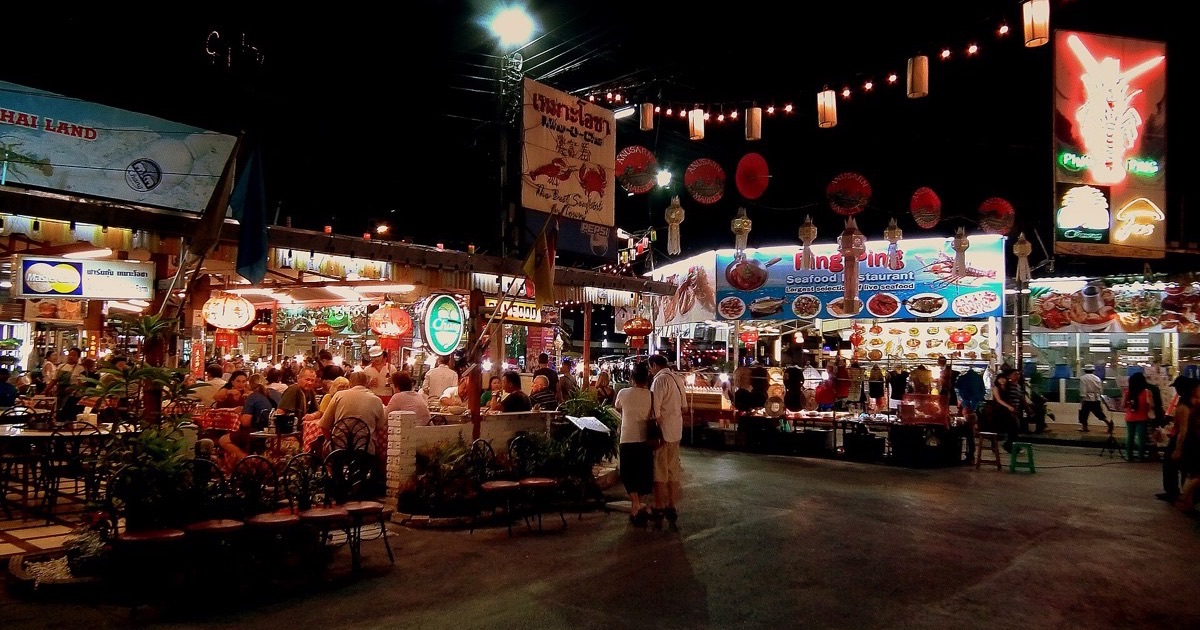

Stepping into the busy lanes of the Chiang Mai Night Bazaar, travelers quickly discover why this market is a magnet for souvenir hunters. The kaleidoscope of co
Stepping into the busy lanes of the Chiang Mai Night Bazaar, travelers quickly discover why this market is a magnet for souvenir hunters. The kaleidoscope of colors, scents, and sounds creates a lively backdrop for exploring Chiang Mai Night Bazaar souvenirs that truly capture the spirit of northern Thailand. Whether you have a few hours or an entire evening, the market offers a curated mix of handmade crafts and cultural treasures that make perfect gifts or personal mementos.
What unique handmade items can I find at Chiang Mai Night Bazaar?
The night market is a showcase for artisans who blend traditional techniques with contemporary designs. Among the most popular handmade crafts Chiang Mai visitors seek are hand‑carved wooden items such as intricately painted boxes, animal figurines, and decorative wall hangings. Each piece is typically carved from locally sourced teak or rosewood, giving it a warm, durable finish that ages gracefully.
Another standout is the range of coconut shell bowls and kitchenware. Skilled craftsmen hollow out the shells, polish them, and sometimes add subtle engravings, resulting in lightweight yet sturdy pieces that are both functional and decorative. These items are especially appealing to eco‑conscious travelers looking for sustainable souvenirs.
For those drawn to textiles, the bazaar hosts stalls featuring hill tribe textiles woven on traditional looms. The fabrics display bold geometric patterns and vibrant dyes derived from natural sources, offering a glimpse into the heritage of the surrounding mountain communities. Pairing these textiles with modern home décor creates a unique fusion of old and new.
Which souvenirs reflect the Lanna culture in Chiang Mai?
Lanna heritage permeates many of the market’s offerings, making it the ideal place to hunt for items that echo the region’s historic kingdom. Lanna silver jewelry, for instance, is crafted with intricate filigree work that dates back centuries. Necklaces, bracelets, and earrings often incorporate motifs such as the “Kong” (a traditional Lanna crown) or stylized lotus blossoms, symbolizing purity and spiritual growth.
Thai silk scarves are another emblem of Lanna artistry. While silk production is widespread across Thailand, the northern provinces are renowned for their distinctive patterns and muted color palettes that reflect the cooler climate and mountain landscapes. A high‑quality Thai silk scarf makes a timeless addition to any wardrobe and serves as an elegant reminder of Chiang Mai’s textile legacy.
| Item | Typical Material | Price Range (USD) | Where to Find |
|---|---|---|---|
| Lanna silver jewelry | 925 sterling silver | 15‑120 | a family-run shop near the central aisle |
| Thai silk scarves | Mulberry silk | 20‑80 | a boutique along the main promenade |
| Hand‑carved wooden items | Teak or rosewood | 10‑70 | a woodcraft shop near the entrance |
| Hill tribe textiles | Cotton or hemp | 12‑50 | a textile stall on the western side |
These Lanna‑inspired pieces not only serve as beautiful gifts but also support local artisans who keep centuries‑old techniques alive. When you purchase a handcrafted item, you’re contributing to a living tradition that continues to evolve while honoring its roots.
Where can I buy authentic Thai silk at the night market?
Authentic Thai silk is best found in dedicated silk stalls that line the main thoroughfare of the bazaar. Vendors often display rolls of raw silk alongside finished products, allowing shoppers to see the material’s natural sheen and feel its softness before buying. Look for signs indicating “hand‑loomed” or “locally sourced” to ensure you’re getting genuine Chiang Mai silk rather than mass‑produced imports.
Many silk sellers also offer custom tailoring services on site. If you have a specific design in mind—a particular pattern, length, or color combination—simply discuss your preferences with the vendor, and they can arrange for a tailor to create a bespoke scarf or shirt. This personalized service adds a special touch to your Chiang Mai night bazaar gifts and makes the souvenir truly yours.
When exploring the market, keep an eye out for stalls that provide a brief demonstration of the silk‑weaving process. These mini‑workshops not only enrich your shopping experience but also give you confidence that the silk you’re purchasing is crafted using traditional methods. Engaging with the artisans also opens the door to learning about the cultural stories woven into each pattern.
How to spot high-quality silver jewelry in Chiang Mai’s night bazaar?
Look for the hallmark of Lanna silver: a subtle, slightly darker patina that appears after the piece has been polished. Authentic artisans often stamp a small “925” or a traditional Lanna emblem on the back of a pendant or bracelet. When you lift the item, the metal should feel dense and cold to the touch; lightweight pieces are usually alloyed with copper or brass.
The finishing technique is another clue. Hand‑engraved motifs—such as the iconic “kinnari” or lotus—should have crisp lines without ragged edges. Run a fingertip along the design; a smooth, continuous groove indicates that the artisan used a fine chisel rather than a mass‑production stamp. If the seller offers to show you the raw material, compare it with a known genuine silver coin; the color should be bright white, not yellowish.
Negotiating price works best after you have confirmed quality. Start by asking the vendor for the cost of the raw silver per gram; most reputable stalls can provide a rough figure. Then calculate the approximate material value of the piece and use that as a baseline for your offer.
- Ask to see the maker’s mark on the back of the item.
- Check the weight; genuine silver feels solid and heavier than imitation.
- Inspect the engraving for clean, sharp lines.
- Request a brief explanation of the design’s cultural significance.
- Compare the price per gram with current market rates before bargaining.
What are the best locally crafted wooden souvenirs to bring home?
Chiang Mai’s night bazaar is a showcase for hand‑carved wooden items that range from practical kitchen tools to decorative art. Look for pieces made from teak, rosewood, or mango wood—species that are abundant locally and prized for durability. A well‑carved wooden spoon or salad bowl will display a smooth finish on the interior and a slightly textured grain on the exterior, a sign that the artisan has sanded the surface by hand rather than relying on a machine.
Pay attention to the joinery. Traditional Lanna furniture employs dovetail joints that interlock without nails or glue. When you examine a wooden box or a small nightstand, the corners should fit tightly together; any gaps may indicate a lower‑cost, mass‑produced item. ask the seller about the source of the wood. Ethical stalls will mention that the timber comes from sustainable plantations or reclaimed material, which not only supports local conservation efforts but also ensures the piece will age gracefully.
When you decide on a purchase, ask the vendor if the item can be customized with your initials or a short phrase in Thai script. Many artisans are happy to add a personal touch for a modest extra fee, turning a functional object into a memorable keepsake.
Which traditional Thai candles make great gifts from Chiang Mai?
Hand‑made candles from Chiang Mai are crafted using beeswax or soy wax blended with natural fragrances such as lemongrass, jasmine, or kaffir lime. The most distinctive feature is the decorative outer layer, often made from woven palm leaves or hand‑painted silk that reflects local artistic motifs. When you select a candle, examine the wick: a cotton core that is centered and free of fraying will burn evenly, while a twisted or synthetic wick can produce uneven flames and excess smoke.
Quality candles also display a uniform color throughout the wax. Gently tilt the candle; if you see streaks or bubbles rising to the surface, the wax may have been poured hastily, which can affect the scent’s longevity. Ask the seller about the curing time; a candle that has rested for at least a week will have a more stable fragrance profile.
For gifting, consider a set of mini candles in a decorative tin or a larger pillar candle presented in a bamboo box. These packaging options protect the candle during travel and add an extra layer of visual appeal. Pair the candle with a small packet of local incense sticks for a complete aromatic experience that captures the essence of Chiang Mai’s night market atmosphere.
Where can I find eco‑friendly bamboo and coconut shell products at the bazaar?
The northern wing of Chiang Mai Night Bazaar, near the large lantern‑lit archway, clusters several stalls dedicated to sustainable crafts. Look for vendors displaying bamboo cutlery, woven trays, and decorative wall hangings; they often hang small bamboo signage that reads “Eco‑Friendly” in both Thai and English. A short walk past the a local market area, you’ll encounter a bright orange stall offering coconut‑shell bowls, serving trays, and even candle holders, each polished to a natural sheen.
These artisans usually work with local cooperatives that source raw materials from nearby farms, ensuring that the products support community livelihoods. When you purchase, ask the seller about the production process – many will gladly explain how the bamboo is harvested, treated, and crafted, or how the coconut shells are reclaimed from discarded fruit. This conversation not only adds context to your souvenir but also helps you verify the authenticity of the eco‑friendly claim.
How do I negotiate prices for souvenirs at Chiang Mai Night Bazaar?
Negotiation is an expected part of the shopping experience, and a friendly approach often yields the best results. Start by browsing several stalls to gauge the typical price range for the item you want. When you’re ready to engage, greet the vendor with a smile and a simple Thai phrase such as “Sawasdee krub/ka.” This establishes rapport before you discuss numbers.
Offer a price that is roughly 30 % lower than the listed amount; this gives both parties room to meet in the middle. If the vendor counters, respond with a modest increase and be prepared to walk away – many sellers will call you back with a better offer. Keep the tone light, and remember that haggling is a cultural exchange as much as a transaction.
| Item Type | Typical Asking Price (THB) | Suggested Opening Offer | Average Final Price |
|---|---|---|---|
| Hand‑carved wooden figurine | 350–500 | 200–250 | 300–380 |
| Lanna silk scarf | 600–900 | 350–400 | 500–650 |
| Coconut‑shell bowl | 150–250 | 80–100 | 120–180 |
| Hill‑tribe textile pouch | 250–400 | 150–180 | 200–280 |
What are the must‑try food‑related souvenirs in Chiang Mai’s night market?
For a taste of Northern Thailand that travels well, consider a small bag of dried Khao Soi noodles. Vendors package the noodles with a sachet of curry powder and dried shallots, allowing you to recreate the iconic creamy noodle soup at home. Another popular choice is a tin of locally sourced, organic tamarind paste – its tangy flavor is essential for many Thai sauces and marinades.
Spice blends are also abundant. Look for pre‑measured packets of “Northern Curry” or “Lao Khao Soi” seasoning, each labeled with suggested usage instructions. If you prefer something sweet, hand‑wrapped banana chips, lightly fried in coconut oil and dusted with sea salt, make a crunchy souvenir that captures the market’s fragrant atmosphere.
Finally, don’t overlook the artisanal tea stalls that sell loose‑leaf Chiang Mai Oolong and herbal blends infused with local herbs such as lemongrass and butterfly pea flower. These teas are often presented in reusable tin containers, making them both a flavorful and environmentally conscious gift.
Practical Tips for Visiting Chiang Mai
- Dress for comfort: Light, breathable clothing and sturdy sandals will keep you comfortable as you navigate the market’s narrow aisles.
- Carry small change: Vendors prefer cash transactions, and having exact change speeds up bargaining and avoids the need for frequent trips to the ATM.
- Stay hydrated: Bring a reusable water bottle; many stalls will refill it for free, especially during the hotter months.
- Mind the timing: Arrive early in the evening to see fresh merchandise before the crowd peaks, then return later for the lively street‑food scene.
- Respect cultural cues: A polite “khop khun krub/ka” after a purchase signals gratitude and often encourages a better final price.
- Secure your belongings: Keep wallets and phones in a zippered bag close to your body; pickpocketing can occur in densely packed areas.
- Check authenticity: When buying high‑value items like silver jewelry, ask for a certificate or hallmark to confirm genuine craftsmanship.
Expert Opinion: Local craftsman advises buyers to look for a small “hand‑crafted” tag on each product. The expert advises buyers to look for a small “hand‑crafted” tag on each product.
Recommended Chiang Mai Activities
Frequently Asked Questions About Chiang Mai
What is the typical price range for handmade silk scarves in Chiang Mai?
Handmade silk scarves usually start around 500 baht for a simple pattern and can reach 2,000 baht for intricate designs. Prices reflect the quality of the silk, the complexity of the weaving, and whether the piece is signed by a known artisan. Vendors in the Night Bazaar often display price tags, but polite bargaining can lower the cost by 10‑20 percent. Look for scarves that include a certificate of authenticity to ensure you are buying genuine Thai silk. Remember that higher prices typically guarantee better durability and richer colors.
Can I get custom engraving on silver jewelry at the night bazaar?
Many silver jewelry stalls offer on‑site engraving for an additional fee, usually between 100 and 300 baht per piece. The service can include initials, dates, or simple symbols, and most artisans complete the work within an hour. Bring a clear design or reference image to avoid miscommunication, and confirm the exact cost before the engraving begins. Some craftsmen specialize in traditional Lanna motifs, adding cultural relevance to your personalized item. This option is a popular way to create unique Chiang Mai Night Bazaar souvenirs that carry a personal story.
Are there any reputable stalls for authentic Thai spices?
Reputable spice stalls are clustered near the central aisle of the bazaar and often display sealed, labeled packages. Look for vendors who source their products from certified farms in the Chiang Mai region, as they can provide provenance information. Prices are typically higher than bulk market rates, reflecting the care taken to preserve aroma and flavor. Sampling a small pinch before purchasing is encouraged, and many sellers will demonstrate proper storage methods for home use. Buying from these stalls guarantees that your Chiang Mai Night Bazaar souvenirs include genuine, high‑quality Thai seasonings.
How safe is it to purchase wooden carvings from street vendors?
Wooden carvings sold by street vendors can be authentic, but buyers should examine the finish and joinery for signs of mass production. Ask the seller about the wood type; seasoned teak or rosewood is common in genuine Lanna carvings. Request a small provenance note or receipt that details the artist’s village, which adds credibility. Avoid pieces that appear overly painted or have plastic components, as these are often tourist replicas. By asking informed questions, you can safely acquire a carving that reflects true Northern Thai craftsmanship.
Do vendors accept credit cards or only cash?
Most stalls in the Night Bazaar operate on a cash‑only basis, preferring Thai baht for quick transactions. However, a growing number of larger shops now accept contactless payments through QR codes linked to local banking apps. If you plan to use a credit card, confirm the accepted networks and be prepared for a possible surcharge of 2‑3 percent. ATMs are conveniently located at both ends of the market, allowing you to withdraw cash during your visit. Carrying a mix of cash and a digital payment method ensures you won’t miss out on any stalls.
What is the refund or exchange policy for souvenirs bought at the bazar?
Refunds are rare in the Night Bazaar, but many vendors will accept exchanges within a day if the item is defective or not as described. Bring the original receipt and keep the packaging intact to facilitate any return. Negotiating a partial refund is possible, especially for higher‑priced items, but it should be discussed politely at the time of purchase. Some artisans offer a repair service for minor damages, which can be a practical alternative to a full refund. Understanding each stall’s policy before buying helps avoid disappointment later.
How far is the night bazaar from the city center and how to get there?
The Night Bazaar sits roughly 2 kilometers north of Chiang Mai’s historic Old City, a distance covered in about 10 minutes by car. Public songthaews (red trucks) run frequent routes from the main bus terminal and charge a flat fare of 30 baht per ride. Alternatively, tuk‑tuks are readily available and can negotiate a price of 50‑70 baht for a short trip. For the more adventurous, a 20‑minute walk along the riverfront offers pleasant views and a chance to explore side streets. All options provide easy access to Chiang Mai Night Bazaar souvenirs.
Are there any recommended souvenirs for children at Chiang Mai Night Bazaar?
Children love the hand‑painted wooden toys that depict local animals and folklore characters, which are both safe and educational. Miniature silk lanterns in bright colors make attractive room décor and are lightweight enough for travel. Soft, organic cotton blankets woven with traditional patterns are ideal for younger kids and meet international safety standards. Many stalls also sell puzzle sets featuring maps of Northern Thailand, turning geography into a playful activity. Selecting age‑appropriate items ensures that young travelers leave with memorable, culturally rich keepsakes.
Exploring the Night Bazaar offers a vibrant mix of craftsmanship, flavor, and personal connection that few markets can match. By keeping these practical tips in mind, you’ll navigate the stalls confidently and return home with souvenirs that truly reflect Chiang Mai’s creative spirit. Whether you’re hunting for silk, spices, or kid‑friendly gifts, the market’s diverse offerings promise lasting memories.
More Chiang Mai travel guides
- What Ethical Travel Looks Like at Chiang Mai's Karen Long Neck Village
- Chiang Mai Khantoke Dinner: Northern Thai Cuisine & Traditional Dance
- Explore Wat Umong: Chiang Mai’s Ancient Tunnel Temple
- Unlock 3D Illusions: Chiang Mai's Art in Paradise Photo Plan
- Chiang Mai Northern Thai Cooking Class: Learn 5 Dishes
- Quietest Time to Visit Doi Suthep Temple in Chiang Mai
Cover photo: CHIANG MAI NIGHT BAZAAR THAILAND FEB 2012 (6869571256).jpg by calflier001 · CC BY-SA 2.0 via Wikimedia Commons
Plan your trip
Tours, tickets & activities
Browse and book experiences, attraction tickets and day trips on Klook, with instant confirmation.
Explore experiences on KlookWe may earn a commission from bookings made through this link, at no extra cost to you.
Travel Community
Heading to Chiang Mai?
Connect with fellow travelers going to Chiang Mai, swap first-hand tips, and find travel companions for your dates — free to join.
Connect with Chiang Mai travelersReviewed by our editor for Asia & the Middle East
Sarah ChenAsia & Middle East Editor
Travel writer covering Southeast Asia, East Asia and the Gulf — temples, street food and modern cities.
More articles by Sarah Chen →