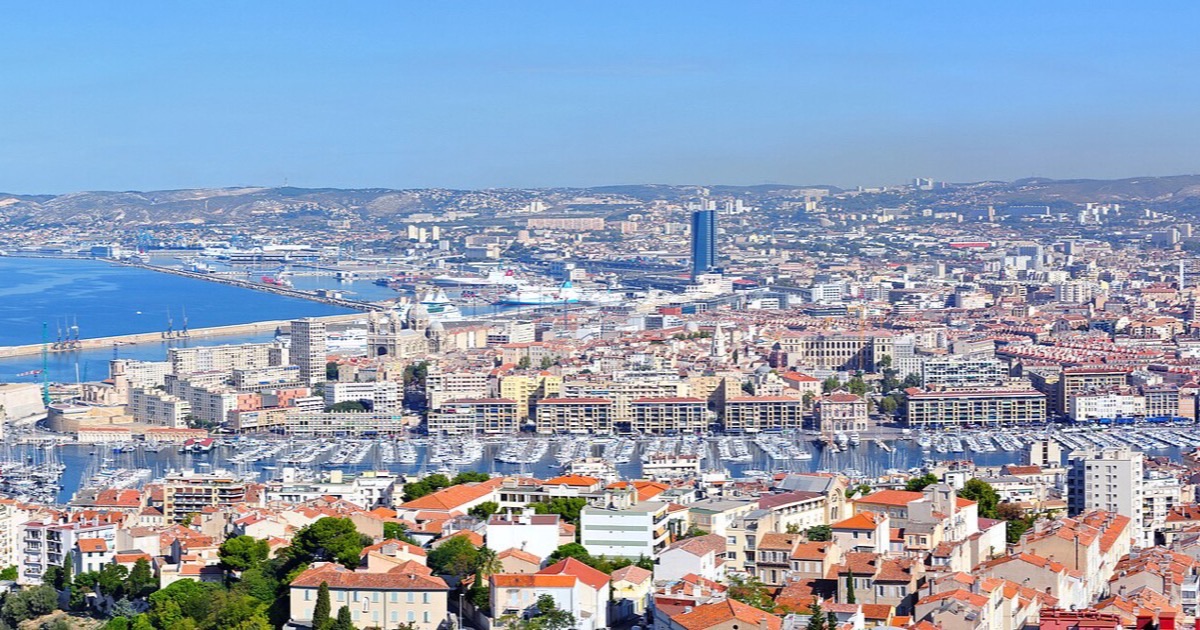

Travelers looking for a concise yet thorough Château d'If 2026 guide will find this island fortress a compelling addition to any Marseille itinerary.
Travelers looking for a concise yet thorough Château d'If guide will find this island fortress a compelling addition to any Marseille itinerary. Rising from the turquoise waters of the Bay of Marseille, the 16th‑century stronghold offers more than a backdrop for literary fame; it delivers a tangible sense of history and panoramic sea views. The site has been refreshed with improved visitor pathways, multilingual signage, and a streamlined ticketing system that makes planning easier. Whether you are a fan of Alexandre Dumas or simply enjoy exploring fortified architecture, the island promises a rewarding half‑day adventure.
What makes Château d'If a must‑do attraction?
The fortress was commissioned by King Francis I in the 1520s to protect Marseille’s harbor from pirate incursions. Its massive limestone walls, originally designed to deter cannon fire, now frame sweeping vistas of the Mediterranean and the city’s skyline. Recent conservation work has opened previously inaccessible bastions, allowing visitors to walk the full perimeter and capture the angles that inspired Dumas’s description of an impenetrable prison.
Beyond its military origins, Château d'If gained literary immortality through Alexandre Dumas’s *Le Comte de Monte‑Christo*. The novel’s protagonist, Edmond Dantès, escapes from the island’s subterranean cells, a plot point that draws countless readers to stand inside the very chambers that sparked the tale. An optional audio guide weaves together historical facts with excerpts from the novel, giving context to each cell, courtyard, and tower.
How can I get to Château d'If from the Vieux Port?
The most common approach is the public ferry that departs from the Vieux Port’s jetty near the fish market. Ferries run year‑round, and each crossing takes roughly 15 minutes. Tickets can be purchased on‑site or online, and the price includes a brief commentary in French and English about the island’s history. For travelers seeking a faster or more private experience, small motorboats are available on request.
Guided tours represent another option, especially for groups. These tours combine the ferry ride with a professional guide who leads a structured walk through the fortress, highlighting architectural details and literary references.
| Option | Duration | Cost | Frequency | Remarks |
|---|---|---|---|---|
| Public Ferry | around 15 min each way | a modest fee (check current prices) | regular intervals throughout the day | Includes onboard commentary |
| Private Motorboat | about 10 min each way | a moderate fee (check current prices) | available on‑demand, advance request recommended | Faster, more flexible schedule |
| Guided Group Tour | ferry + walk (≈1 hour) | reasonable price (check current rates) | multiple departures daily | Professional guide, audio guide available |
What are the ferry departure times for Château d'If?
Ferries operate throughout the day with more frequent services during the high‑season months. Exact timetables vary by season and weather conditions, so it is advisable to confirm the current schedule at the Vieux Port ticket office or on the official Marseille tourism website before you travel.
How much do tickets cost for a visit to Château d'If?
The round‑trip ferry fare is modest; exact prices fluctuate seasonally, so check the latest rates when planning your trip. Reduced fares are typically available for children and seniors, and combined tickets that include museum entry may be offered at a convenient price point.
What is the best time of day to explore Château d'If?
Morning departures tend to be quieter, with calmer seas and fewer queues. Mid‑day visits provide brighter interior lighting for photography, while late‑afternoon trips allow you to enjoy sunset views over the harbor before returning.
- Early morning for calm seas and minimal queues.
- Mid‑morning for optimal exterior lighting.
- Late morning to join early guided tours.
- Early afternoon for warmer interior illumination.
- Mid‑afternoon to experience a livelier atmosphere.
- Late afternoon for sunset views from the terrace.
- Evening departure for a quiet return to the port.
What historical facts should I know before visiting Château d'If?
Construction of the fortress began in 1524 under the direction of King Francis I, who sought a strategic outpost to control maritime traffic entering the Gulf of Marseille. The island’s limestone cliffs offered natural defense, and the fort was equipped with cannons that could fire upon hostile ships. By the late 16th century, the structure transitioned from a military bastion to a state prison, housing political dissidents, debtors, and notorious criminals.
During the 19th century, the prison gained international fame through Alexandre Dumas’s novel “Le Comte de Monte‑Christo,” which dramatized the escape of the fictional Edmond Dantès. The real prison saw several daring attempts at escape before it ceased operations in 1877 and later opened to the public as a museum, preserving cell blocks, execution chambers, and original architectural elements for contemporary visitors.
How long should I plan to spend on Château d'If?
The typical ferry round‑trip from the Vieux Port to Île d’If lasts about 30 minutes each way, leaving you roughly two to three hours on the island itself. Most visitors allocate an hour for the boat ride, a brief pause on the dock to purchase tickets and a map, and then 60‑90 minutes wandering the stone corridors, viewing the cells that inspired Dumas, and snapping panoramic views of Marseille’s skyline.
If you prefer a relaxed pace, consider extending your stay to include the small terrace café that overlooks the bay. A coffee or light snack can turn a quick stop into a leisurely interlude, especially on sunny afternoons when the sea breeze is gentle. Adding this pause usually brings the total island time to about two hours, which fits comfortably into a half‑day itinerary that also includes a stroll through the historic port.
Travelers with children or those keen on photography may want to budget a little extra. The fortress has several hidden staircases and narrow passages that reward careful exploration, and each nook offers a distinct perspective for a photo series. In such cases, a three‑hour window ensures you won’t feel rushed while still leaving ample time for the rest of Marseille’s attractions.
Are there guided tours available at Château d'If?
Official guides operate from the dock during the ferry’s operating hours, typically from early morning until late afternoon in the summer season. These tours are conducted in several European languages and focus on the fortress’s military origins, its role as a prison, and the literary legacy that made it famous worldwide. Booking a spot is straightforward: tickets can be purchased on the boat or at the ticket booth on the island, and the guide will meet the group at the entrance to the main courtyard.
In addition to the standard historical narrative, some private operators offer themed experiences such as dramatized readings from *Le Comte de Monte‑Christo*.
- Standard 45‑minute historical overview
- Literary walk featuring excerpts from Dumas
- Family‑friendly tour with interactive activities for children
- Sunset commentary focusing on maritime navigation
- Combined ferry‑and‑museum ticket with a nearby maritime museum
- Audio guide rental in multiple languages for self‑paced exploration
What amenities are available on the island fortress?
Although Île d’If is primarily a historic site, it does provide essential visitor services. A small ticket office near the landing point handles admissions, provides maps, and rents audio guides. Restroom facilities are located adjacent to the ticket area and are maintained daily during the ferry’s operating season. For those who need a quick refreshment, a modest café offers coffee, tea, bottled water, and a selection of pastries, all served on a terrace that grants unobstructed views of the Mediterranean.
Accessibility considerations have improved in recent years. The main entrance is equipped with a ramp for wheelchair users, and the primary exhibition rooms are arranged to allow reasonable maneuverability. However, the older prison cells and upper battlements retain their original narrow staircases, which may pose challenges for visitors with limited mobility. Signage throughout the fortress is clear, with multilingual information panels that explain each area’s historical significance.
For travelers who wish to linger beyond the standard visit, a modest souvenir kiosk sells postcards, miniature replicas of the fortress, and literature related to Dumas’s novel. The kiosk operates on the same schedule as the ferry, ensuring that guests can purchase mementos before returning to the mainland.
Can I combine a Château d'If visit with other Marseille attractions?
The ferry departs from the historic Vieux‑Port, making it easy to weave the island stop into a broader waterfront itinerary. After disembarking, visitors often stroll to the nearby MuCEM, whose modern galleries contrast sharply with the stone walls of the fortress, and then wander through the adjoining Fort Saint‑Jean for panoramic views of the bay.
For those with a few extra hours, the narrow lanes of Le Panier lie just a short walk north of the port. This district offers colorful street art, artisan workshops, and several cafés where you can sample Provençal specialties before heading back to the pier for the return crossing.
What safety and accessibility measures are in place at Château d'If?
All ferry trips provide life‑vests and crew members trained in basic rescue procedures. The vessels operate on a capacity limit that helps maintain a comfortable flow of passengers on the island and reduces crowding around the narrow staircases leading to the prison cells.
Accessibility has improved in recent years. The boarding ramp at the Vieux‑Port terminal complies with EU standards for wheelchair users, and the ferry itself provides designated spaces for mobility devices. Once ashore, the main promenade is level and features handrails; however, interior sections of the fortress remain largely unchanged, so visitors with limited mobility may need assistance on steeper areas.
Sources & Further Reading
Recommended Marseille Activities
Frequently Asked Questions
Do I need to book Château d'If tickets in advance?
During the peak summer months, reservations are advisable because ferries can fill up quickly. Online booking often secures a specific departure time and may include a modest discount compared with on‑site purchase. In the shoulder season, same‑day tickets are usually available at the Vieux‑Port ticket booth.
Is the ferry to Château d'If wheelchair accessible?
The ferry serving the island is equipped with a wheelchair‑friendly boarding ramp and designated holding areas. Crew members assist with safe embarkation and disembarkation, though interior stairs of the fortress itself are not fully adapted, so plan accordingly.
Are there any discounts for children or seniors at Château d'If?
Reduced fares are offered to visitors under 12 years of age and to seniors holding a valid EU senior card. The discount applies to both the ferry ticket and the entrance fee to the fortress. Proof of eligibility should be presented at the ticket office before boarding.
What is the dress code for visiting Château d'If?
There is no formal dress code, but comfortable footwear is essential because the island’s pathways are uneven and include several sets of stairs. Light layers are advisable, as sea breezes can make the temperature feel cooler even on warm days. Avoid clothing that could be hazardous on the narrow railings, such as long scarves that might get caught.
Can I bring food or drinks onto the island?
Visitors may carry small snacks and water bottles for personal consumption. Larger meals, alcoholic beverages, and any items that generate significant waste are prohibited to protect the historic site and preserve the natural environment. A modest café operates near the ferry dock, offering light refreshments for those who prefer to purchase on site.
Is there a souvenir shop at Château d'If?
A small shop near the exit point sells books about the fortress’s history, postcards, and locally produced crafts. The selection is limited, reflecting the island’s size, but it provides an opportunity to pick up a memento without leaving the premises.
What is the cancellation policy for Château d'If tickets?
Cancellations are subject to the terms of the booking platform; many providers allow refunds if cancelled within a reasonable period before departure. Check the specific conditions at the time of purchase, as processing fees or restrictions may apply.
How does the weather affect ferry service to Château d'If?
Inclement weather, especially strong winds or heavy seas, may lead to temporary suspension of the ferry. Operators monitor conditions closely and post real‑time updates on the Vieux‑Port information board and the official website. If a service is cancelled, tickets are usually honored for the next available departure at no extra charge.
Plan your visit early in the day to maximize daylight on the island and keep options open for nearby attractions. Checking the ferry schedule the night before helps avoid unexpected delays and ensures a smooth, enjoyable experience.
More Marseille travel guides
- Unlock Le Paniers Hidden Photo Havens in Marseille – An Insider's Guide
- Best Time to Visit the Calanques near Marseille
- What Stories Echo Within Marseille's Notre-Dame de la Garde
- Family-Friendly Activities: A Guide to the Best Beaches near Marseille
- Authentic Marseille Cuisine: A Food Tour Guide
Cover photo: Hafen von Marseille-Notre Dame de la Garde.jpg by Tobi 87 · CC BY-SA 3.0 via Wikimedia Commons
Travel Community
Heading to Marseille?
Connect with fellow travelers going to Marseille, swap first-hand tips, and find travel companions for your dates — free to join.
Connect with Marseille travelersReviewed by our editor for Europe
Marco BianchiEurope Editor
Europe travel writer focused on city culture, museums and historic routes across the continent.
More articles by Marco Bianchi →