
Travelers seeking a slice of Chinese heritage within Thailand’s seaside playground will find it at Viharn Sien Chinese treasures. This three‑storey temple‑museu
Travelers seeking a slice of Chinese heritage within Thailand’s seaside playground will find it at Viharn Sien. This three‑storey temple‑museum sits amid the lush grounds of Wat Yansangwararam, offering a quiet retreat from Pattaya’s energetic streets. The site is highlighted for its blend of Thai‑Chinese heritage and modern visitor experiences.
What unique Chinese artifacts can I see at Viharn Sien in Pattaya?
The centerpiece of the Viharn Sien museum is an extensive Chinese porcelain collection, ranging from delicate Ming dynasty bowls to vibrant Qing dynasty vases. Each piece reflects centuries of craftsmanship, and many items are displayed alongside detailed placards that explain their historical context. Visitors often remark on the vivid blues and intricate floral motifs that dominate the display cabinets.
Beyond porcelain, the hall houses ancient Chinese artifacts such as bronze mirrors, jade pendants, and silk scrolls depicting traditional landscapes. These objects illustrate the cultural exchange that shaped the Thai‑Chinese community over generations. The museum’s layout encourages a leisurely walk, allowing guests to pause at each exhibit and absorb the stories behind the objects.
A dedicated alcove showcases Buddhist Chinese statues, including a towering Guanyin figure carved from sandalwood. The serene expression of the statue contrasts with the busy atmosphere of nearby Pattaya tourist attractions, offering a moment of contemplation. Together, the artifacts form a cohesive narrative of Chinese art Pattaya visitors rarely encounter elsewhere.
How do I get to Viharn Sien from central Pattaya?
Several transport options connect central Pattaya to the Viharn Sien Chinese temple, each catering to different budgets and comfort levels. The most straightforward choice is a metered taxi, which departs from the main road near the beach promenade. Taxis provide door‑to‑door service and typically navigate the route in about half an hour, depending on traffic.
For a more local experience, hop on a songthaew – shared pickup trucks that double as minibuses. These vehicles run at regular intervals along Sukhumvit Road and drop passengers off at a nearby stop within walking distance of the museum. The fare is modest, and the ride offers a glimpse of everyday Pattaya life.
| Transport | Typical Cost | Travel Time | Comfort Level |
|---|---|---|---|
| Metered Taxi | a modest fare (check current rates) | around 30 min | High |
| Songthaew | a low fare (check local price) | around 35 min | Medium |
| Motorbike Rental | a reasonable daily rate (verify locally) | around 20 min | Variable |
Motorbike rentals are popular among solo travelers who enjoy flexibility. Local outlets near Pattaya Beach rent scooters by the day, allowing riders to explore the surrounding countryside before arriving at Viharn Sien. Regardless of the chosen method, the journey fits comfortably into a half‑day itinerary, especially when paired with other nearby attractions.
What are the opening hours and admission fees for Viharn Sien?
The museum is generally open during daytime hours, Monday through Saturday, with a closure on Sundays and public holidays. These timings align with many of Pattaya’s cultural sites, making it easy to combine a visit with other attractions such as the Sanctuary of Truth or Nong Nooch Botanical Garden.
Admission fees are modest, reflecting the museum’s mission to make Chinese heritage accessible. Adults pay a standard rate, while students and senior citizens receive a discounted price. Children under a certain age may be admitted free of charge, encouraging families to explore the ancient Chinese artifacts together.
The VR tour is typically included in the ticket price, offering a digital reconstruction of the original temple’s architecture and close‑up views of delicate porcelain pieces that are otherwise behind protective glass. This feature enhances the cultural museum experience, especially for those with limited time.
Is there a guided or VR tour available at Viharn Sien?
The museum offers both guided and self‑paced options to explore its extensive Chinese porcelain collection and Buddhist statues. Bilingual (Thai‑English) guided tours run regularly throughout the day, lasting around 45 minutes each. Guides provide information about Thai‑Chinese heritage and the provenance of the artifacts on display.
For visitors who prefer a self‑paced experience, the VR tour is accessible at an entrance kiosk. Using lightweight headsets, guests can virtually walk through rooms that are normally closed to the public, such as the restoration workshop and a vaulted hall housing rare pieces. The VR module includes interactive captions, allowing users to tap on objects for deeper historical context.
Which Chinese cultural exhibits are most popular among visitors at Viharn Sien?
Among the many displays, three areas consistently attract attention. The Hall of Imperial Porcelain presents a curated selection of blue‑and‑white wares from the Qing dynasty, illustrating the evolution of Chinese art. The Buddhist Hall features over a dozen intricately carved statues of Guanyin and other deities, each positioned on ornate altars that echo traditional temple architecture.
The Jade Gallery showcases a series of carved jade pieces ranging from simple pendants to elaborate dragon motifs. Visitors appreciate the tactile information panels that explain jade’s cultural significance across centuries. Because these areas are frequently photographed, staff ask guests to observe the no‑flash policy to protect the delicate surfaces.
Can I combine a visit to Viharn Sien with other nearby attractions in Pattaya?
Viharn Sien sits within a compact cultural precinct, making it easy to pair with several other Pattaya tourist sites. A short walk north lies the local Chinese temple, a vibrant place of worship where locals light incense and offer fruit. Across the street, the Pattaya City Sign offers a photo opportunity with the Gulf of Thailand backdrop. For those interested in natural scenery, the nearby Nong Nooch Tropical Garden provides a lush contrast to the museum’s indoor environment.
To make the most of a Pattaya day trip, consider the following actionable tips:
- Check Viharn Sien opening hours early in the morning; the museum typically opens around mid‑morning and closes in the late afternoon, with the last entry shortly before closing.
- Inquire at the information desk about any combined tickets that may include nearby attractions.
- Wear comfortable shoes; the museum’s marble floors can be slippery after rain, and the surrounding attractions involve moderate walking.
- Bring a portable charger; the VR headset and audio guide devices rely on battery power.
- Plan lunch at a nearby street‑food market that offers both Thai and Chinese dishes, allowing you to sample the culinary side of Thai‑Chinese heritage.
By aligning the Viharn Sien visit with these neighboring sites, you can experience a well‑rounded slice of Pattaya’s cultural landscape without needing separate transportation arrangements.
What photography tips help capture the Chinese treasures at Viharn Sien?
Early morning light, when the temple grounds are still quiet, offers soft illumination that brings out the subtle glaze on Ming‑era porcelain. Position yourself so that the sunlight grazes the edge of a vase; the resulting rim light highlights the intricate hand‑painted motifs without harsh shadows.
When photographing the towering Buddhist statues, use a wide‑angle lens to include both the statue and its ornate backdrop. Step back enough to capture the full height, then zoom in for details such as the delicate lotus base or the gilded dragon coils. A tripod can keep the composition steady, especially in low‑light interior sections where longer exposures are required.
Many visitors overlook the reflective pools that mirror the temple roofs. A low angle shot, with the water surface in the foreground, creates a layered composition that emphasizes symmetry. Remember to wipe away any dew or leaves before shooting to keep the reflection crisp.
Are there any special events or festivals at Viharn Sien?
The temple’s calendar includes a blend of Chinese and Thai celebrations. During the Lunar New Year period, the courtyard transforms into a lively market with lanterns, calligraphy workshops, and traditional music performances. The event often features live porcelain restoration demonstrations.
Mid‑autumn brings a Moon‑Festival Lantern Parade, where paper lanterns are released from the central pond, creating a shimmering tableau against the temple silhouette. A special exhibition of moon‑cake recipes from Chinese‑Thai families accompanies the parade, offering a culinary glimpse into shared heritage.
In early April, Qingming Memorial Day is observed with guided tours that explore ancestral tablets and the blending of Buddhist and Chinese rites. The program may include a short lecture and an incense‑burning ceremony reflecting the day’s reflective tone.
Is Viharn Sien family‑friendly and suitable for children?
The museum provides a dedicated children’s activity corner near the main entrance, stocked with coloring sheets featuring simplified versions of the temple’s statues and porcelain patterns. Trained staff are on hand to guide young visitors through interactive storytelling sessions that explain the symbolism behind the dragon motifs and Buddhist iconography.
Audio guides include a kid‑friendly track that uses playful narration and sound effects to keep attention focused while walking through the galleries. The guide’s language is simple, yet it respects the cultural significance of each exhibit, making the experience both educational and engaging.
Rest areas equipped with shaded seating and water dispensers are spaced throughout the complex, allowing families to pause without leaving the site. The layout is wheelchair accessible, and stroller‑friendly pathways ensure that mobility is not a barrier to exploration.
Practical Tips for Visiting Pattaya
- Timing: Arrive before 10 am to enjoy cooler temperatures and fewer crowds, which also improves lighting conditions for photography.
- Dress code: Wear modest attire that covers shoulders and knees; a lightweight scarf can be used to meet temple requirements while staying comfortable.
- Currency: Small cash denominations are handy for purchasing souvenirs or paying for optional services, as some vendors may not accept cards.
- Transportation: Use a reputable ride‑hailing app to reach the temple; most drivers are familiar with the route and can drop you at the main gate.
- Food: Snack stalls outside the complex offer fresh fruit and Thai‑Chinese fusion bites; plan a light meal before entering to maximize time inside.
- Connectivity: Free Wi‑Fi is available in the visitor centre; consider downloading the museum’s app beforehand to access maps and exhibit information offline.
- Respect: Refrain from touching displayed artifacts and observe quiet zones during meditation sessions; a respectful demeanor enhances the experience for everyone.
Editor's Note: The VR tour allows remote visitors to explore the museum’s upper galleries, while the tactile experience of standing before a centuries‑old porcelain bowl cannot be replicated. For those with limited mobility, the VR option provides an inclusive alternative without compromising on visual detail.
Recommended Pattaya Activities
Frequently Asked Questions About Pattaya
What is the history behind Viharn Sien temple and museum?
Viharn Sien was established in the early 1990s by a Chinese‑Thai benefactor who wanted to create a space for the preservation of Buddhist and Taoist art. The complex combines a functioning temple with a museum that houses centuries‑old statues, jade carvings, and ceremonial objects imported from China. Over the years, the site has expanded to include a library and a cultural centre, making it a focal point for scholars of Asian heritage. Its architecture reflects a blend of traditional Chinese motifs and Thai temple design, offering visitors a unique narrative of cross‑cultural devotion.
What are the ticket prices for adults and children at Viharn Sien?
Admission fees are modest, with adults typically paying a standard rate that includes access to all exhibition halls and the temple courtyard. Children receive a reduced price, and there are often discounted tickets for students and seniors when valid identification is presented. Group rates are available for tours of ten or more people, and occasional free‑entry days are announced on the museum’s official channels. All tickets grant unlimited re‑entry on the same day, allowing visitors to pause and return at their leisure.
Is there wheelchair access at Viharn Sien?
The venue has been retrofitted to accommodate visitors with mobility challenges. Ramps lead to the main entrance and each exhibition wing, while wide doorways ensure smooth passage for wheelchairs. Elevators connect the lower and upper galleries, and accessible restrooms are clearly signposted near the information desk. Staff members are trained to assist guests who may need additional support navigating the complex’s more intricate sections.
Can I take photos inside the exhibition halls?
Photography is permitted in most areas, but the use of flash is prohibited to protect delicate artifacts such as ancient silk scrolls and lacquerware. Certain sacred chambers and temporary loan exhibitions may have stricter restrictions, and signs will indicate when cameras are not allowed. Visitors are encouraged to keep lenses unobtrusive and to respect any staff instructions regarding sensitive pieces. The museum provides designated photo zones where larger groups can capture memorable shots without disrupting other guests.
Are there any souvenir shops at Viharn Sien?
Yes, a well‑stocked gift shop sits just beyond the main exit, offering reproductions of jade figurines, traditional tea sets, and printed guides on Chinese art history. The store also carries books, postcards, and locally made handicrafts that reflect the themes displayed throughout the museum. Prices are reasonable, and staff can recommend items that best represent the Viharn Sien Chinese treasures you have encountered during your visit. Payment can be made by cash or major credit cards.
What is the best time of day to visit Viharn Sien to avoid crowds?
Arriving right at opening, usually in the morning, gives you the quietest experience before school groups and tour buses fill the halls. Mid‑week days, especially Tuesday through Thursday, tend to be less busy than weekends or Thai public holidays. Late afternoon also sees a dip in visitor numbers, though some exhibitions may close earlier, so check the schedule beforehand. Planning your visit during these off‑peak windows allows you to fully appreciate the Viharn Sien Chinese treasures without hurried crowds.
How far is Viharn Sien from Pattaya Beach?
The museum is situated a few kilometres inland from the main beachfront promenade. By car or taxi, the journey typically takes around ten to fifteen minutes, depending on traffic conditions. Public transport options include songthaews that run along the main road and stop near the temple’s entrance. For cyclists, a dedicated lane runs parallel to the route, offering a scenic alternative for those who prefer a more active commute.
Do I need to bring a passport for entry?
General admission does not require a passport; a simple photo ID is sufficient for verifying age‑related discounts. However, if you are participating in a special exhibition that involves loaned artifacts, staff may ask to see identification for security purposes. It is advisable to carry a form of ID, such as a driver’s licence or national identity card, especially if you plan to rent audio equipment or purchase items from the gift shop.
Are there guided audio tours in English?
English‑language audio guides are available at the ticket counter for an additional fee. The device comes pre‑loaded with commentary that corresponds to each gallery, allowing you to explore at your own pace while receiving detailed explanations of the exhibits. Batteries are included and typically last for the duration of a full visit. If you prefer a live guide, scheduled group tours in English are offered several times a day, and reservations can be made on‑site.
Is there a dress code for visitors at Viharn Sien?
Visitors are expected to dress modestly out of respect for the religious nature of the temple. Shoulders should be covered, and shorts or skirts that rise above the knee are discouraged. Shoes must be worn at all times, although you may be asked to remove them before entering certain inner sanctums, where slippers are provided. The dress code helps maintain a reverent atmosphere for both worshippers and tourists alike.
Exploring Viharn Sien Chinese treasures offers a rare glimpse into the artistic dialogue between Thailand and China, set against a backdrop of serene temple grounds. By planning ahead and respecting the site’s guidelines, you can enjoy a rewarding cultural experience that enriches any Pattaya itinerary. Safe travels and enjoy the discoveries that await within this remarkable museum.
More Pattaya travel guides
- Living Near Pattaya's Best International Schools: A Neighborhood Guide
- Local Handicrafts and Weaving Tours in Pattaya
- Morning Yoga Beach Breakfast Tours in Pattaya
- Why Pattaya's Sunset Cruise Is the Ultimate Romantic Escape
- Pattaya Songthaew Routes Explained: Fares, Maps & Tips
- Why Pattaya's Eastern Coast Is a 2026 Paramotor Hotspot
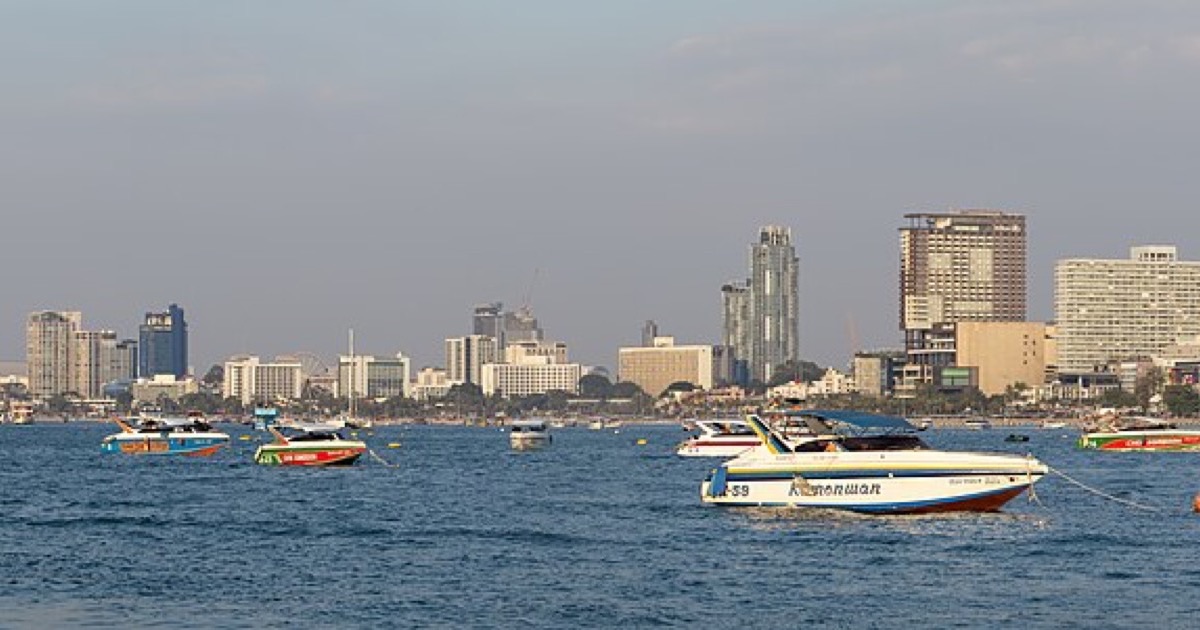
Cover photo: Panorama of Pattaya from Ocean Lana, Cafe Ferry.jpg by iMahesh · CC BY-SA 4.0 via Wikimedia Commons
Plan your trip
Tours, tickets & activities
Browse and book experiences, attraction tickets and day trips on Klook, with instant confirmation.
Explore experiences on KlookWe may earn a commission from bookings made through this link, at no extra cost to you.
Travel Community
Heading to Pattaya?
Connect with fellow travelers going to Pattaya, swap first-hand tips, and find travel companions for your dates — free to join.
Connect with Pattaya travelersReviewed by our editor for Asia & the Middle East
Sarah ChenAsia & Middle East Editor
Travel writer covering Southeast Asia, East Asia and the Gulf — temples, street food and modern cities.
More articles by Sarah Chen →