
Americas & Practical Travel Editor
Published October 10, 2026 · Reviewed October 12, 2026
Travelers eyeing the iconic cliff‑side citadel often wonder how the Tulum ruins tour cost stacks up against other activities on the Riviera Maya.
Travelers eyeing the iconic cliff‑side citadel often wonder how the Tulum ruins tour cost stacks up against other activities on the Riviera Maya. In 2026 the price landscape has shifted, with a clear split between budget‑friendly group outings and premium private experiences. Knowing the breakdown of fees, what’s included, and how operators price their services can turn a vague budget estimate into a confident plan.
How much does a typical Tulum ruins tour cost in 2026?
The baseline expense for a guided visit begins with the entrance fee, which sits at 95 MXN (approximately $5 USD) for adults. Most organized tours bundle this fee with transportation, a licensed guide, and sometimes a light snack. For a standard group tour lasting three to four hours, the total price per person ranges from $45 USD to $70 USD, depending on the provider and the level of service. Packages that include a pick‑up from Cancun or Playa del Carmen usually sit toward the higher end of that range.
Private tours, which guarantee a dedicated guide and flexible scheduling, start around $120 USD for a small party of up to four guests. This price typically covers a vehicle, entrance fee, and a personalized commentary that dives deeper into Mayan architecture and mythology. Add‑ons such as a beachside lunch, snorkeling at a nearby cenote, or a professional photographer can push the cost into the $180‑$250 USD bracket.
What are the differences between group and private Tulum tours?
Group tours excel at delivering value for solo travelers or families on a tighter budget. They operate on a fixed itinerary, often departing from a central hub in the morning, and the guide’s attention is divided among ten to fifteen participants. This format keeps the price low but may limit the time you can spend asking detailed questions or exploring side areas of the site.
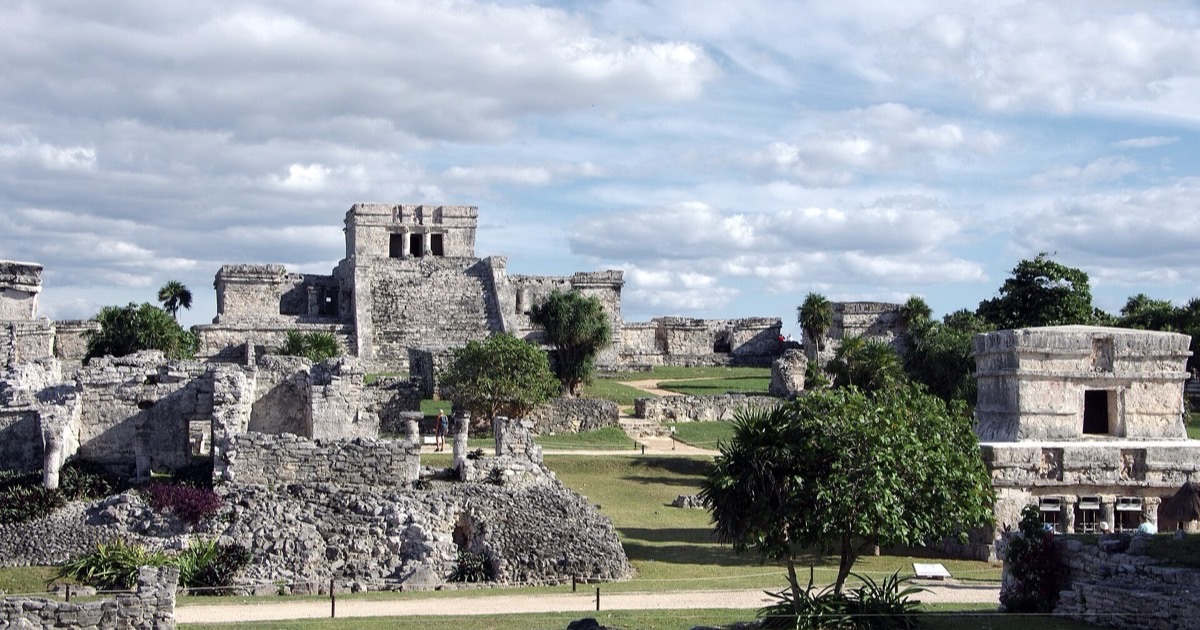
Private tours provide a tailored experience. The guide can adjust the pace, linger at structures like El Castillo or the Temple of the Frescoes, and incorporate visitor interests such as photography tips or historical anecdotes. Because the vehicle is reserved solely for your party, you avoid waiting for other groups and can combine the ruins visit with nearby attractions without a schedule conflict.
| Feature | Group Tour | Private Tour |
|---|---|---|
| Typical price per adult (2026) | $45 – $70 USD | $120 – $250 USD (up to 4 guests) |
| Group size | 10‑15 participants | 1‑4 participants |
| Flexibility of itinerary | Fixed schedule | Customizable |
| Guide attention | Shared among group | One‑on‑one |
| Transportation | Shared shuttle or bus | Private vehicle |
| Additional amenities | Occasional snack | Optional lunch, cenote stop, photographer |
Which Tulum ruins tour operators offer the best value?
Among the most reputable companies, a few stand out for balancing cost and quality. Operators that partner with certified guides—those holding a recognized tourism certification from the Mexican government—tend to receive higher marks in Tulum guided tour reviews. Their guides provide accurate historical context and can answer nuanced questions about Mayan cosmology.
Companies that bundle transportation from major hubs like Cancun Airport with the entrance fee and a short introductory talk at the visitor center often deliver the lowest overall Tulum ruins tour price. Look for transparent pricing that lists each component; hidden fees for water, parking, or optional photo packages are common pitfalls.
For travelers seeking a premium, all‑inclusive experience, firms that include a beachside brunch, a short cenote swim, and a professional photographer usually earn top scores in user reviews. While the Tulum tour packages from these operators command a higher price tag, the added amenities and personalized service frequently justify the expense for special occasions or photography enthusiasts.
Are there any hidden fees when booking a Tulum ruins tour?
Many travelers focus first on the advertised Tulum ruins tour price, but the final bill can include items that are not always spelled out. Common sources of surprise are mandatory transportation surcharges, especially when a shuttle departs from a hotel in the Beach Zone, and compulsory insurance fees that some operators bundle into the package without separate line‑item clarification. In addition, a small service charge for waste management at the site is sometimes added to the ticket at the gate, raising the cost beyond the initial quote.
Another frequent addition is the “guide gratuity” that is either pre‑included or expected as a cash tip after the tour ends. While tipping is customary, some companies present it as a non‑negotiable line on the invoice, effectively turning a discretionary gesture into a fixed expense. Understanding these elements helps you compare offers more accurately and avoid unexpected out‑of‑pocket costs.
| Fee Category | Typical Inclusion | Typical Extra Cost (USD) |
|---|---|---|
| Entrance ticket | Covered in most advertised prices | 0 |
| Transportation | Included in “all‑inclusive” packages | 5‑15 (if not included) |
| Insurance/waiver | Often hidden in fine print | 2‑4 |
| Guide gratuity | Sometimes pre‑added, sometimes optional | 3‑7 per person |
| Environmental surcharge | Rarely mentioned | 1‑2 |
How do expert guides enhance the Tulum ruins experience?
A knowledgeable guide does more than point out the El Castillo and the Temple of the Frescoes. They weave together archaeological data, oral histories, and recent discoveries, turning a static stone complex into a living narrative. Travelers who read Tulum guided tour reviews often highlight the guide’s ability to explain the significance of the coastal trade routes, the astronomical alignments, and the daily life of the Maya who once inhabited the cliff‑top settlement.
Guides also adapt the tour to the group’s interests. If a visitor is keen on marine ecology, the guide can link the ruins to the surrounding reef system; if the focus is on architecture, they can detail the construction techniques that allowed the structures to endure centuries of salt‑air exposure. This flexibility makes each visit feel personalized, even on larger Tulum group tour price outings.
- Provides context for the limestone carvings, revealing myths behind each figure.
- Explains the astronomical calendar embedded in the layout, showing how the Maya tracked solstices.
- Shares recent excavation findings that are not yet in guidebooks, keeping the narrative current.
- Offers practical tips for navigating the site’s steep paths safely, especially for families or older travelers.
- Answers spontaneous questions about language, diet, and clothing of the ancient inhabitants.
- Connects the ruins to nearby cenotes, illustrating the spiritual importance of water in Maya culture.
- Facilitates respectful behavior, ensuring visitors do not damage fragile structures or disturb protected areas.
What is included in an all‑inclusive Tulum ruins tour package?
An all‑inclusive Tulum tour package typically bundles entrance admission, transportation from a central meeting point, a professional guide, and a short refreshment break. Many operators also add a complimentary bottle of water and a light snack, recognizing the hot Caribbean climate and the need for hydration during the three‑ to four‑hour walk across the site. Some packages go further, offering a post‑tour visit to a nearby cenote or a brief stop at a local beach for a swim.
When comparing options, look for clarity around “all‑inclusive.” Packages that list a “private guide” often have a higher Tulum private tour cost but guarantee a one‑on‑one experience, whereas group tours advertised with a lower Tulum group tour price may still provide the same core services but share the guide with other visitors. The inclusion of insurance, optional photo packages, or souvenir discounts can also differentiate the value proposition of each offering.
Can I customize a Tulum ruins tour to fit my interests?
Most operators let travelers shape the itinerary around personal priorities. If the primary goal is archaeological depth, request a guide who holds a certified Mayan‑culture credential; they can allocate extra time to explain the function of El Castillo, the Temple of the Frescoes, and the maritime trade routes that once passed the cliff. Photographers often add a sunrise slot, because the early light highlights the turquoise sea behind the stone façades and reduces crowds.
Adventure‑oriented visitors can combine the standard walk with a short trek to the nearby beach or a dip in a cenote such as Casa de los Cenotes; many tours list these add‑ons as optional upgrades. Families with young children may ask for a shorter, 2‑hour version that focuses on the most iconic structures while providing frequent rest breaks and a kid‑friendly story‑telling approach.
Language preferences are also flexible. Certified guides fluent in English, Spanish, French, or German are typically available on short notice, and some companies even offer bilingual guides for groups that include both English‑ and Spanish‑speaking members. Dietary restrictions can be accommodated by selecting an all‑inclusive package that serves a packed lunch meeting specific needs, such as gluten‑free or vegetarian meals.
How far in advance should I book a Tulum ruins tour?
Booking timing depends on seasonality and the type of experience desired. During the high‑traffic months of December through March, the most popular all‑inclusive tours fill up within a week of opening, so securing a spot 2–3 weeks ahead is advisable. For off‑peak periods—late April, early May, and September—operators often release inventory on a rolling basis, allowing reservations as late as a few days before departure.
Group size also influences lead time. Private charters that guarantee a single guide and vehicle usually require a deposit and a minimum notice of 7–10 days, while larger shared groups can be booked with less advance notice but may have limited flexibility for custom add‑ons.
- Check the operator’s cancellation policy; flexible rates often cost a bit more but protect against sudden schedule changes.
- Monitor the official Tulum entrance fee schedule; a rise in the MXN amount can affect total package pricing.
- Sign up for email alerts from reputable tour platforms; they announce early‑bird discounts 30 days before the season starts.
- Confirm that the guide’s certification is listed on the booking page; this ensures knowledgeable commentary.
- Ask whether transportation to the site is included or if a separate shuttle fee applies.
- Consider booking a sunrise slot if you prefer cooler temperatures and fewer visitors.
- Reserve any optional cenote or beach stop at the same time to guarantee availability.
What transportation options are provided with Tulum ruins tours?
Most reputable companies include a door‑to‑door shuttle from major hubs such as Cancun International Airport, Playa del Carmen, or the Tulum Pueblo. These shuttles are typically air‑conditioned vans that leave on a set schedule, allowing travelers to relax while the driver navigates the coastal highway.
Private tours often feature a dedicated vehicle—ranging from a comfortable sedan to a larger SUV—so the group can control departure times and make spontaneous stops. For eco‑conscious visitors, several operators now offer electric‑powered shuttles or hybrid cars, reducing the carbon footprint of the journey.
Budget travelers may opt for the colectivo system, a shared minibus that runs multiple times daily along the Highway 307 corridor. While not always included in a packaged price, many tour agencies can arrange a seat and provide a brief orientation on boarding procedures.
For guests staying in beachfront resorts, some all‑inclusive properties run their own complimentary ferries or water taxis that dock near the ruins’ beach access point. These water‑based transfers add a scenic element and are especially convenient when the itinerary includes a beach walk after the archaeological tour.
Accessibility is increasingly considered; wheelchair‑friendly vans with ramps are available on request, and certain tours coordinate with site staff to ensure smooth entry for guests with mobility challenges.
Are there family‑friendly or kid‑focused Tulum ruins tours?
Many operators design itineraries that keep younger travelers engaged without sacrificing the depth of the site’s history. Guides often break the walk into short, themed segments—such as “the palace of the sea” or “the temple of the wind”—allowing children to absorb information in bite‑size pieces while still covering the main structures.
Specialized kid‑focused tours may include hands‑on activities like sand‑painting Mayan symbols, simple archaeological dig simulations, or storytelling sessions that weave local legends into the ruins’ layout. These experiences are usually paced slower than standard tours, with frequent pauses for water, snacks, and restroom breaks.
When planning a family outing, look for tours that advertise stroller‑friendly paths, shaded rest areas, and a maximum group size of ten to fifteen participants. Booking ahead of peak hours (early morning or late afternoon) reduces crowd density, making it easier to keep an eye on children and maintain a comfortable pace.
What should I bring on a Tulum ruins tour for comfort and safety?
Light, breathable clothing and sturdy, closed‑toe shoes are essential; the limestone steps can become slick after a rain shower. A wide‑brimmed hat, reef‑safe sunscreen, and a reusable water bottle help protect against the strong Caribbean sun while minimizing waste.
Carry a small, waterproof pouch for your passport, any required tickets, and a modest amount of cash for optional souvenirs or extra fees. A basic first‑aid kit—band‑aids, antiseptic wipes, and any personal medication—adds an extra layer of security, especially for families with young children.
Optional gear that can make the day smoother includes a lightweight rain poncho (the region experiences brief afternoon showers), a portable charger for your phone or camera, and a compact binocular set if you enjoy scanning the coastline from the cliff top.
Sources & Further Reading
Recommended Tulum Activities
Frequently Asked Questions
What is the average price for a guided Tulum ruins tour?
In 2026, most group tours charge between 60 and 120 USD per person, depending on inclusions such as transportation, entrance fees, and the length of the commentary. Private tours typically start around 180 USD and increase with the number of participants.
Do I need to pay an entrance fee separately from the tour cost?
Many full‑service tours bundle the 95 MXN entrance fee into their overall price, but some budget operators list the fee as an extra line item. Always verify whether the quoted total includes the site’s admission to avoid surprise charges at the gate.
Are there discounts for children, seniors, or groups on Tulum tours?
Children under 12 often travel at a reduced rate or for free when accompanied by a paying adult, while seniors (typically 65+) receive a modest discount of 10‑15 %. Groups of ten or more usually qualify for a bulk‑rate reduction, which can lower the per‑person cost by up to 20 %.
How long does a typical Tulum ruins tour last?
Standard tours run three to four hours, covering the main structures, the cliff‑top viewpoint, and a brief beach segment. Private or extended tours may add an extra hour for deeper exploration of lesser‑known chambers or a nearby cenote.
Can I get a private guide for the Tulum archaeological site?
Yes, most companies offer private guide options that can be tailored to specific interests such as architecture, astronomy, or Mayan mythology. Private rates start around 180 USD and increase based on group size, language requirements, and any additional services requested.
What is the cancellation policy for most Tulum tour providers?
Most operators allow free cancellation up to 24 hours before the scheduled start time. Cancellations made within 24 hours may incur a 25‑50 % fee, while no‑show cases are generally non‑refundable. Always read the fine print before confirming.
Are transportation and meals included in the tour price?
Group tours commonly include round‑trip pick‑up from major hubs such as Playa del Carmen or Cancun, plus a bottled water and a light snack. Full‑day packages may add a lunch component, but this varies, so confirm the exact inclusions when booking.
How can I find reviews of Tulum ruins tour companies?
Traveler feedback is widely available on platforms like TripAdvisor, Google Reviews, and specialized travel forums. Look for recent comments (within the past six months) that mention guide knowledge, punctuality, and how well the tour handled weather changes.
Is it safe to take a Tulum ruins tour during the rainy season?
The rainy season runs from June to October, bringing brief but intense showers. Most guides adjust the itinerary to avoid slippery sections and provide ponchos if needed. As long as you wear appropriate footwear and follow the guide’s safety instructions, tours remain safe.
Taking the time to compare what each operator includes will help you match a tour to your budget and interests. With the right preparation, a visit to the cliff‑top ruins can be both educational and enjoyable for travelers of any age.More Tulum travel guides
- Tulum Ruins Cycling Tours: Reviews, Prices & Bike Rental Info
- What to Expect on Tulum Ruins Hiking Tours: Prices, Trail Tips
- Tulum Ruins Sunset Cruise Tours: Reviews, Prices & Schedules
- Sail into Tulum's Sunset with Live Music Insider Pricing
- Tulum vs Cozumel: Which Underwater Sculpture Dive Delivers Bet
- Bike the Riviera Maya: Tulum vs Playa del Carmen Beachfront
Cover photo: Mexico, Tulum, Maya Mesoamerica architecture.jpg by https://pixabay.com/users/dezalb-1045091/ · CC0 via Wikimedia Commons
Travel Community
Heading to Tulum?
Connect with fellow travelers going to Tulum, swap first-hand tips, and find travel companions for your dates — free to join.
Connect with Tulum travelersReviewed by our editor for the Americas & practical travel
James CarterAmericas & Practical Travel Editor
Travel writer covering the Americas plus the practical side of travel — budgets, eSIMs, visas and logistics.
More articles by James Carter →