
When Paris locals debate the best way to glide through the city’s sprawling metro, the conversation inevitably lands on the classic Navigo Pass vs Carnet showdo
When Paris locals debate the best way to glide through the city’s sprawling metro, the conversation inevitably lands on the classic Navigo Pass vs Carnet showdown. Both options sit at the heart of Paris transport tickets, yet they serve very different riding habits. Understanding the nuances of each can save time, money, and the occasional ticket validation mishap. Below, we break down the essentials for anyone navigating public transport in Paris.
What are the main differences between a Navigo Pass and a carnet of tickets?
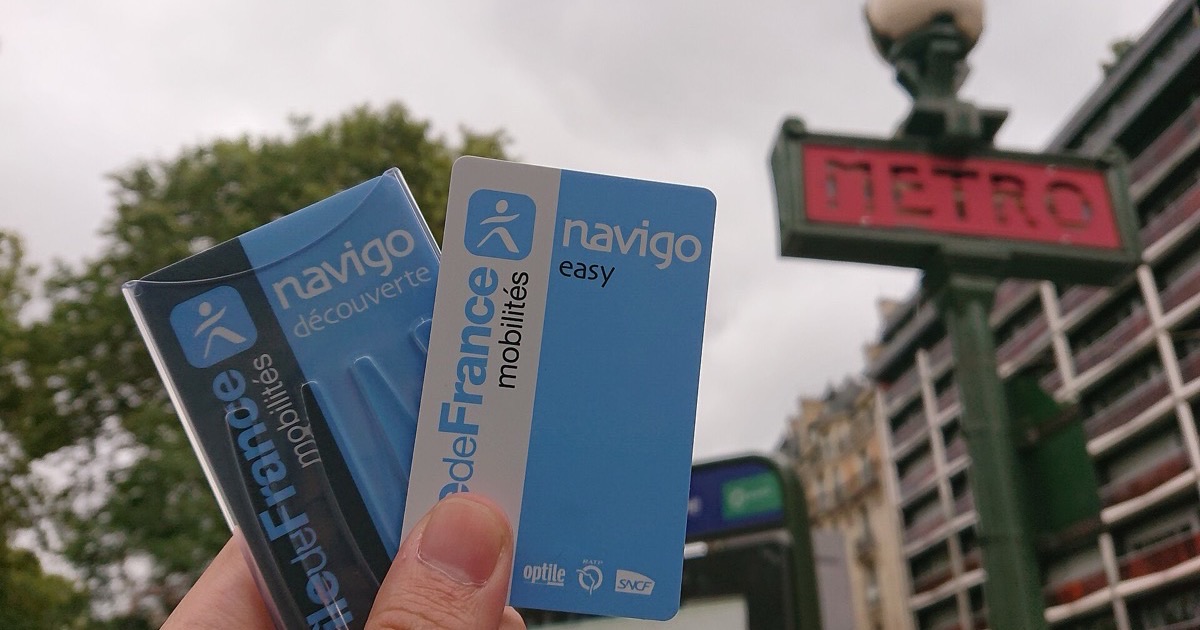
The Navigo Pass is a reloadable smart card issued by RATP that grants unlimited travel within selected zones for a set period—weekly, monthly, or annually. It comes in variants such as Navigo Découverte for occasional residents and Navigo Easy for tourists, each requiring a photo and a small activation fee. Once loaded, the card is tapped on the turnstile, eliminating the need to keep loose paper tickets.
A carnet, on the other hand, is a bundle of ten single-ride paper tickets sold at metro stations and kiosks. Each ticket is valid for one journey within the chosen zones and must be inserted into the validator before boarding. The carnet is popular among infrequent riders or visitors who anticipate only a handful of trips, as it does not expire quickly and can be kept for future use.
How does the pricing structure of the Navigo Pass compare to buying a carnet?
When you calculate the Navigo pass cost versus the cumulative price of a carnet, the savings become apparent for regular commuters. A weekly Navigo pass covering zones 1‑2 typically costs less than the price of ten single tickets, while a monthly pass offers even deeper discounts for those traveling daily. The pricing is transparent on the RATP website, and the pass can be topped up online or at station machines.
In contrast, the carnet ticket price is fixed per bundle of ten, with a modest discount compared to buying ten individual tickets. However, the per‑ride cost remains higher than the effective rate of a weekly or monthly pass if you exceed a few journeys per week. Below is a quick comparison of the two options based on the most common zones for city centre travel.
| Option | Coverage (Zones) | Valid For | Cost (Approx.) | Effective Cost per Ride |
|---|---|---|---|---|
| Navigo Weekly Pass | 1‑2 | Unlimited rides for 7 days | €30 | ≈ €3 (assuming 10 rides) |
| Navigo Monthly Pass | 1‑2 | Unlimited rides for 30 days | €75 | ≈ €2 (assuming 35 rides) |
| Carnet (10 tickets) | 1‑2 | 10 single rides | €20 | €2 per ride |
Which option offers the most flexibility for daily commuting in Paris?
Flexibility hinges on how predictable your travel pattern is. The Navigo pass shines for daily commuters who ride the metro, RER, or bus multiple times a day, as it eliminates the need to purchase tickets each morning. It also works across all RATP services, including trams and night buses, making it the go‑to Île‑de‑France travel pass for those who value seamless ticket validation.
For residents with irregular schedules—perhaps a mix of remote work days and occasional outings—a carnet can be more adaptable. Since each ticket is single‑use, you can decide day‑by‑day whether to travel or not, without committing to a time‑bound pass. The carnet also allows you to travel across different zones without purchasing a new pass, which can be handy for weekend trips outside central Paris.
Can tourists use the Navigo Pass or is it only for residents?
Visitors to Paris can indeed take advantage of the Navigo Découverte card, which is designed for short‑term stays. The card costs a modest fee for the plastic holder, after which travelers can load weekly or daily passes that cover the same zones as a resident’s Navigo. The key difference lies in the identification requirement: tourists must present a passport when the card is issued, while residents use a French‑issued ID.
Once activated, the pass works on every mode operated by RATP and SNCF within the Île‑de‑France region, from Metro lines to tramways and even the Orlyval shuttle. Because the card is reusable, it can be refilled multiple times during a trip, making it a convenient alternative to buying a fresh carnet each day. For stays under a week, a single‑ticket carnet may be cheaper, but for a five‑day conference or a week‑long museum crawl, the Navigo weekly rate often provides better value.
Travel agencies and airport kiosks also sell the Découverte card, allowing arrival‑time purchase without hunting down a station. Keep the receipt, as it serves as proof of purchase should a validator request verification.
How do zone restrictions affect the choice between a Navigo Pass and a carnet?
Paris public transport is divided into concentric fare zones, with Zone 1 covering the city centre and Zones 2‑5 extending to suburbs and airports. A carnet of t‑plus tickets is limited to Zones 1‑2 unless a special “carnet + zones 3‑5” supplement is bought, which raises the price per ticket. In contrast, a Navigo weekly or monthly pass can be configured for any combination of zones, from 1‑2 up to the full 1‑5 network.
- Identify the farthest destination you will visit during your stay; if it lies beyond Zone 2, a Navigo pass configured for Zones 1‑3 or 1‑5 eliminates the need for supplemental tickets.
- For occasional trips to the airport (Charles‑de‑Gaulle in Zone 5), a single‑ticket supplement on a carnet is more expensive than adding the airport zone to a weekly pass.
- When traveling with a group, buying one Navigo pass per adult and sharing a single carnet for children under 10 can reduce overall spend.
- Check the RATP website for any temporary zone‑based promotions; during certain holidays, a reduced‑price “Paris Visite” pass may outperform a standard Navigo.
- Remember to validate each ticket or pass at the turnstile; failure to do so can result in a fine, regardless of the zone coverage.
Because the Navigo pass automatically grants access to all included zones, passengers avoid the mental bookkeeping required with a carnet. This convenience becomes especially noticeable when navigating to attractions such as Versailles (Zone 4) or the Disneyland Paris resort (Zone 5), where a single fare adjustment would otherwise be necessary.
What are the renewal and validity periods for a Navigo Pass versus a carnet?
A carnet of t‑plus tickets remains valid for one hour from the moment of first validation, allowing unlimited transfers within that window across Metro, bus, tram, and RER lines in the selected zones. Unused tickets in the carnet retain their full value until the end of the calendar year, after which any remaining credit is forfeited.
The Navigo weekly pass activates on Monday at 00:00 and expires on Sunday at 23:59, regardless of the purchase date. A monthly pass runs from the first day of the chosen month to its last day. Both types can be renewed instantly at any ticket machine or service counter by tapping the card on the reader and selecting the desired extension. For the Découverte card, the holder’s photo and name stay on the card for the duration of the stay, so no re‑issuance is needed when extending the pass.
Renewal of a Navigo pass can be done on the same day it expires, ensuring uninterrupted travel. In contrast, once a carnet’s hour window closes, a new ticket must be taken from the pack. For travelers who prefer a set‑and‑forget approach, the pass’s automatic renewal via a quick tap at any station offers a smoother experience than managing individual tickets.
How easy is it to top up or reload a Navigo Pass compared to purchasing a carnet?
The Navigo Pass can be recharged at any RATP ticket machine, on the official app, or at staffed counters in major stations. Machines accept cash, credit, and contact‑free cards, and they guide you through a step‑by‑step menu that shows weekly, monthly, or yearly options. Because the pass is linked to a personal RFID chip, the system remembers your last purchase, allowing you to select “repeat last top‑up” with a single tap. Reloads are reflected instantly, so you can continue traveling without waiting for a paper ticket to be printed.
Buying a carnet of ten t+ tickets is a more manual process. You must locate a ticket vending machine that still offers paper tickets, insert cash or a card, and watch the machine dispense the stack. The carnet does not store any value, so each journey still requires you to insert the ticket into the turnstile. For occasional riders, the one‑off purchase feels simple, but the lack of automatic renewal means you must remember to buy a new set before it runs out.
Are there any discounts or subsidies available for locals with a Navigo Pass?
Residents of Île‑de‑France benefit from several fare reductions that are only accessible through the Navigo system. The Navigo Découverte card, available for a modest fee, unlocks the same weekly and monthly rates as the standard pass but also qualifies for the “Tarif Solidarité Transport” (TST) reduction for low‑income households. Students enrolled in French secondary schools or universities receive a 50 % discount on the monthly price when they register their Navigo Easy card with the appropriate proof of enrollment.
Senior citizens (65+) and people with disabilities can obtain a “Carte de Transport Senior” that halves the cost of a weekly or monthly pass. These concessions are applied automatically at the point of purchase, provided the holder presents a valid identification document. The carnet, by contrast, is sold at a flat price with no built‑in eligibility checks, so those who qualify for subsidies miss out on the savings.
What is the process for validating a Navigo Pass versus a carnet ticket on the Metro?
When you approach a Metro turnstile, the Navigo Pass is simply held against the contact‑less reader. A green light and a soft beep confirm that the pass is valid for the current zone and time period. The system records the entry automatically, which is useful for journey‑based fare calculations on certain lines. No physical ticket is removed, and the pass can be reused indefinitely until its validity expires.
A carnet ticket must be inserted into the slot on the turnstile. The machine reads the magnetic stripe, then ejects the ticket back into the holder’s hand. The gate opens only if the ticket is still within its 90‑minute validity window. After each use, the ticket remains usable for subsequent trips within that window, but you must keep track of the remaining time yourself. If the ticket is damaged or the stripe is unreadable, the gate will reject it, requiring you to purchase a replacement.
| Feature | Navigo Pass | Carnet (10 t+ tickets) |
|---|---|---|
| Top‑up method | App, machine, counter; auto‑renew possible | One‑time cash or card purchase |
| Discount eligibility | Student, senior, low‑income reductions applied | None |
| Validation | Tap‑and‑go, no paper | Insert, read stripe, eject |
| Reuse | Unlimited until expiry | Up to 90 minutes per ticket |
| Risk of loss | Low – card can be blocked and replaced | High – paper tickets cannot be recovered |
Practical Tips for Visiting Paris
- Choose the right pass length: If your stay exceeds four days, a weekly Navigo is usually cheaper than buying multiple carnets.
- Validate before you board: For the Metro, tap your Navigo or insert your carnet at the turnstile; on buses, hold the pass near the validator or keep the ticket handy for the driver.
- Keep a spare card: Register a second Navigo Easy as a backup; you can transfer remaining credit if the primary card is lost.
- Check zone coverage: Most tourist attractions lie within zones 1‑2; a pass limited to these zones avoids unnecessary cost.
- Use the RATP app: Real‑time service alerts and route planning help you decide whether a single ticket or a pass is more efficient for a particular day.
- Take advantage of reduced fares: If you qualify for student or senior discounts, bring the necessary ID to the ticket counter before purchasing.
- Mind the validation window: A carnet ticket is valid for 90 minutes from first use; plan transfers within that period to avoid extra charges.
Editor's Note: Recent updates to the Navigo system have introduced contact‑free top‑ups via NFC‑enabled smartphones, reducing queue times at stations. Travelers who prefer a fully digital experience should consider this option, especially during peak commuting hours.
Sources & Further Reading
Recommended Paris Activities
Frequently Asked Questions About Paris
Is the Navigo Pass cheaper than buying a carnet if I travel every day?
The Navigo Pass offers unlimited rides within its selected zones, so if you make more than a handful of trips each day, the cost per journey drops dramatically compared with a carnet of ten single tickets. For a typical commuter who uses the Metro, bus, and tram network daily, the weekly or monthly Navigo fee usually undercuts the cumulative price of multiple carnets. In the context of the Navigo Pass vs Carnet debate, the Pass becomes the clear value proposition for regular travel.
Can I use a carnet of tickets on buses and trams as well as the Metro?
Yes, a carnet of t+ tickets is valid across the entire public transport network that uses the t+ fare, which includes the Metro, RER trains within central zones, buses, trams, and even the Montmartre funicular. Each ticket must be validated before boarding a bus or tram, while Metro turnstiles automatically read the ticket. The same carnet can therefore serve a mixed‑mode itinerary without needing separate tickets.
How do I purchase and activate a Navigo Pass as a Paris resident?
Paris residents can obtain a Navigo Pass at any RATP or SNCF ticket office, as well as through the official transport app after verifying residency with a utility bill or tax notice. The card requires a recent passport‑size photograph and a valid ID; once the data are uploaded, the Pass is printed on the spot. Activation occurs automatically when you first swipe the card at a turnstile, after which the chosen weekly or monthly subscription begins.
What zones are included in the standard Navigo Pass?
The standard Navigo Pass covers zones 1 through 5, encompassing the entire city of Paris and most of the inner suburbs, including major airports such as Orly and Charles de Gaulle. This zone range allows unlimited travel on Metro, RER, buses, trams, and the Noctilien night network within those limits. If you need to reach farther destinations, a higher‑zone option can be added for an additional fee.
Do I need a photo for the Navigo Découverte card?
Yes, the Navigo Découverte card requires a recent passport‑size photograph that is attached to the card at the time of purchase. The photo is used to personalize the card and to help staff identify the holder if the card is lost or stolen. Without a photo, the card cannot be issued, even though the fare structure remains the same as the regular Navigo.
Can I combine a Navigo Pass with a carnet for extra trips?
It is perfectly acceptable to use a carnet alongside a Navigo Pass when you need to travel outside the zones covered by your Pass or when you require occasional tickets for friends or family. The Pass will automatically cover any journey that falls within its zones, and the carnet will be deducted only for trips that exceed those limits. This hybrid approach can be useful in the Navigo Pass vs Carnet comparison for occasional long‑distance trips.
How long does a carnet of tickets remain valid after purchase?
A carnet of t+ tickets is valid for one year from the date of first validation, not from the date of purchase. Each ticket must be used within that 12‑month window, otherwise it expires and cannot be reclaimed. Keep the original receipt in case you need to verify the purchase date at a ticket office.
Are there any age‑based discounts for the Navigon Pass or carnet?
Children under four travel free, and those aged four to ten receive a reduced fare on single tickets, though carnets are sold at the standard adult price. Seniors over 60 can obtain a discounted Navigo Pass, often called the "Pass Senior," which offers the same unlimited travel benefits at a lower cost. Students and apprentices also qualify for a special Navigo Pass with a reduced subscription fee.
What happens if I lose my Navigo Pass?
If you lose your Navigo Pass, you should report the loss immediately at any RATP service point or via the official app to block the card and prevent misuse. A replacement card can be issued for a modest administrative fee, and any remaining subscription time is transferred to the new card. Keep a copy of your purchase receipt, as it may be required for the replacement process.
Is there a contactless payment option for buying a carnet on the go?
Yes, most ticket vending machines and automated kiosks in Metro stations accept contactless bank cards and mobile wallets for the purchase of a carnet. The transaction is processed in seconds, and the tickets are printed on the spot after payment confirmation. This method eliminates the need for cash and speeds up the buying experience, especially during rush hour.
Choosing between the Navigo Pass vs Carnet ultimately depends on how often you move around the city and which zones you frequent. For daily commuters, the Pass delivers consistent savings and convenience, while occasional visitors may find the flexibility of a carnet more appropriate. Both options integrate smoothly with Paris’s extensive public‑transport network, ensuring you can explore the capital without hassle. Safe travels and enjoy the ride.
More Paris travel guides
- Paris Local Food Markets Guide: From Budget to Luxury Options
- Paris Parc des Buttes Chaumont: A Hidden Parisian Park
- Paris Pere Lachaise Cemetery: Famous Graves, Hidden Stories & Walking Tour
- Paris Perfume Making Workshop: Create Your Own Scent in Le Marais
- Unlock the Kaleidoscope: Sainte Chapelles Stained Glass Wonders: Paris
- Paris Vegetarian and Vegan Guide: From Budget to Luxury Options
Cover photo: Navigo card and a Paris Metro sign in the background (49630879972).jpg by Cheng-en Cheng from Taichung City, Taiwan · CC BY-SA 2.0 via Wikimedia Commons
Travel Community
Heading to Paris?
Connect with fellow travelers going to Paris, swap first-hand tips, and find travel companions for your dates — free to join.
Connect with Paris travelersReviewed by our editor for Europe
Marco BianchiEurope Editor
Europe travel writer focused on city culture, museums and historic routes across the continent.
More articles by Marco Bianchi →